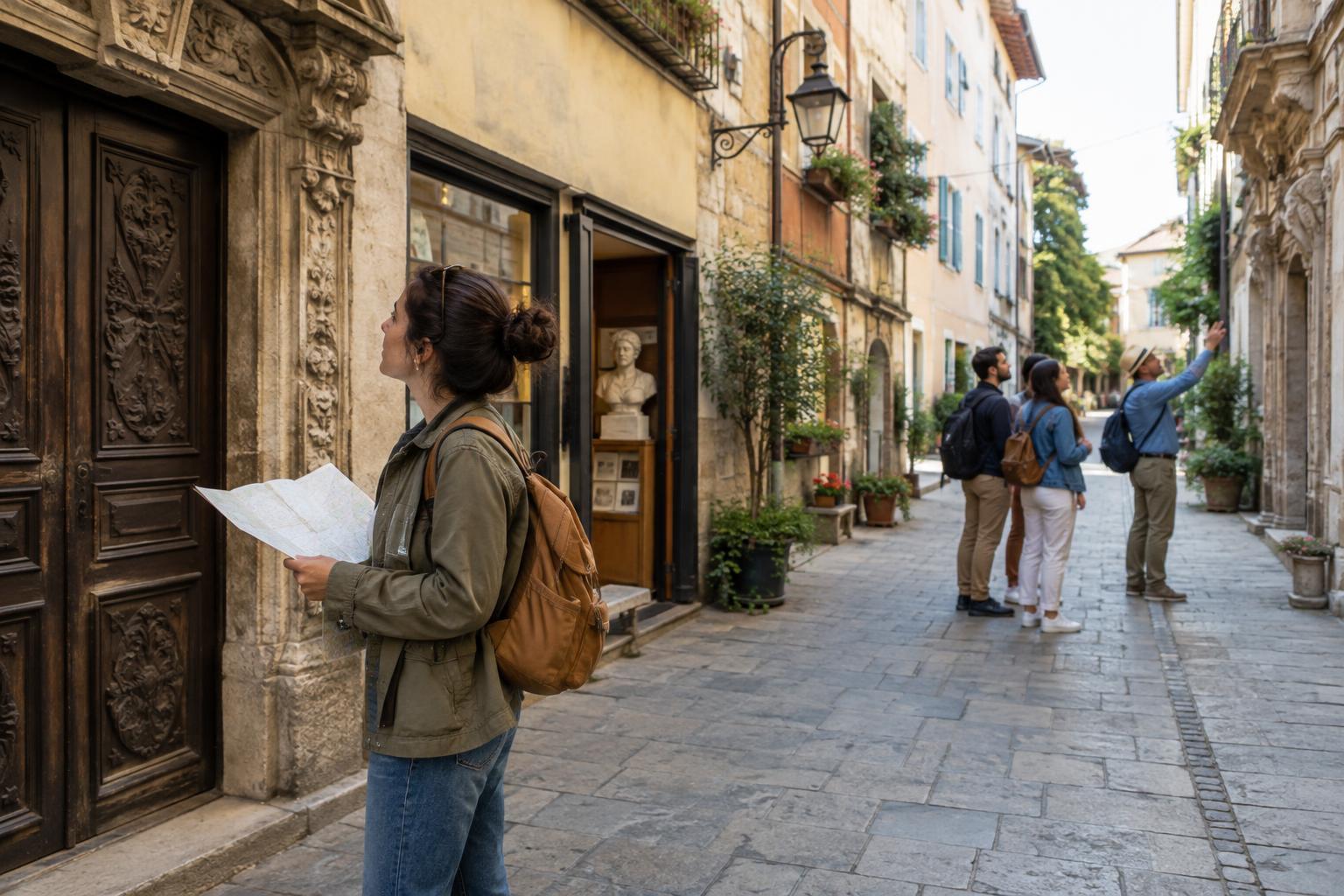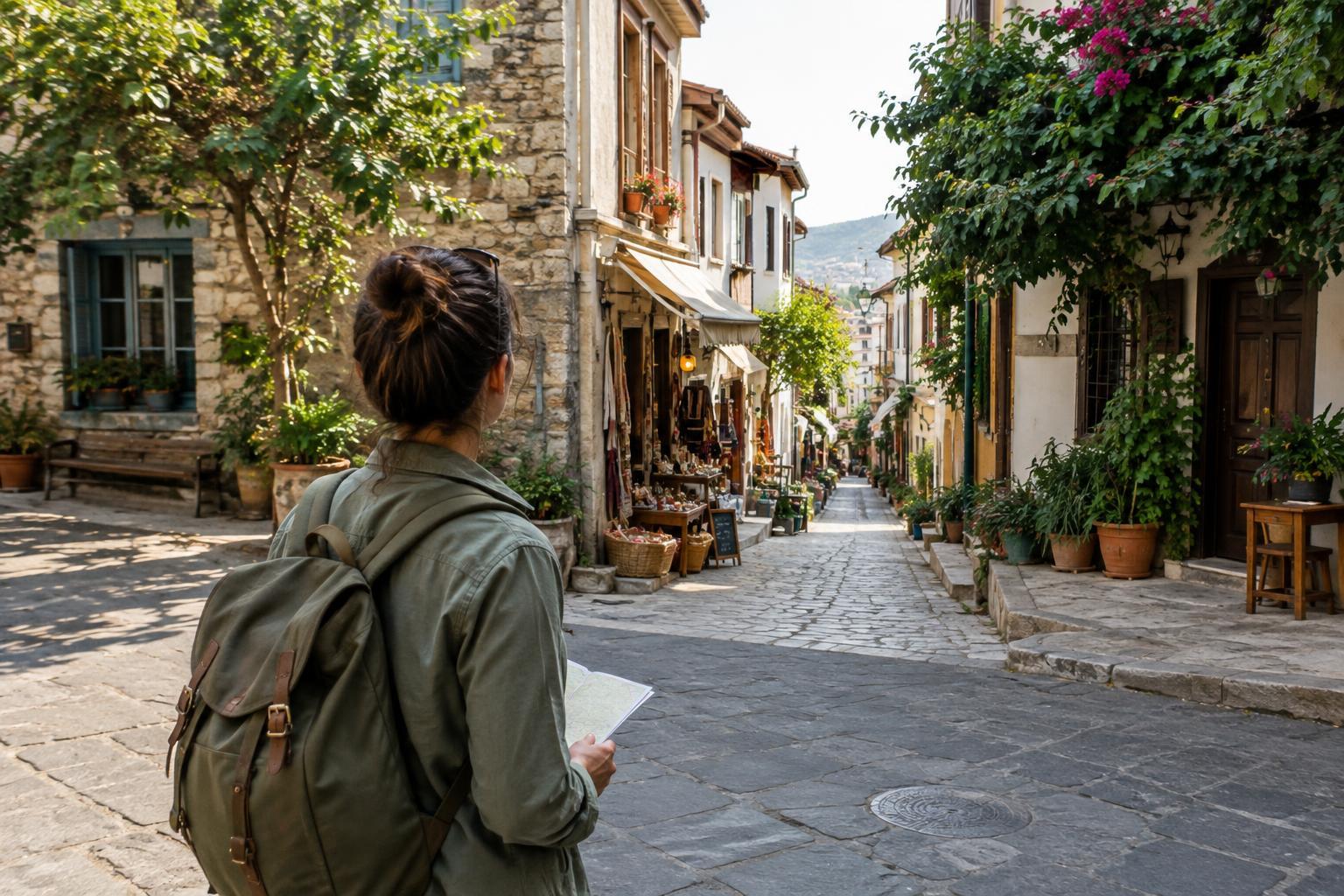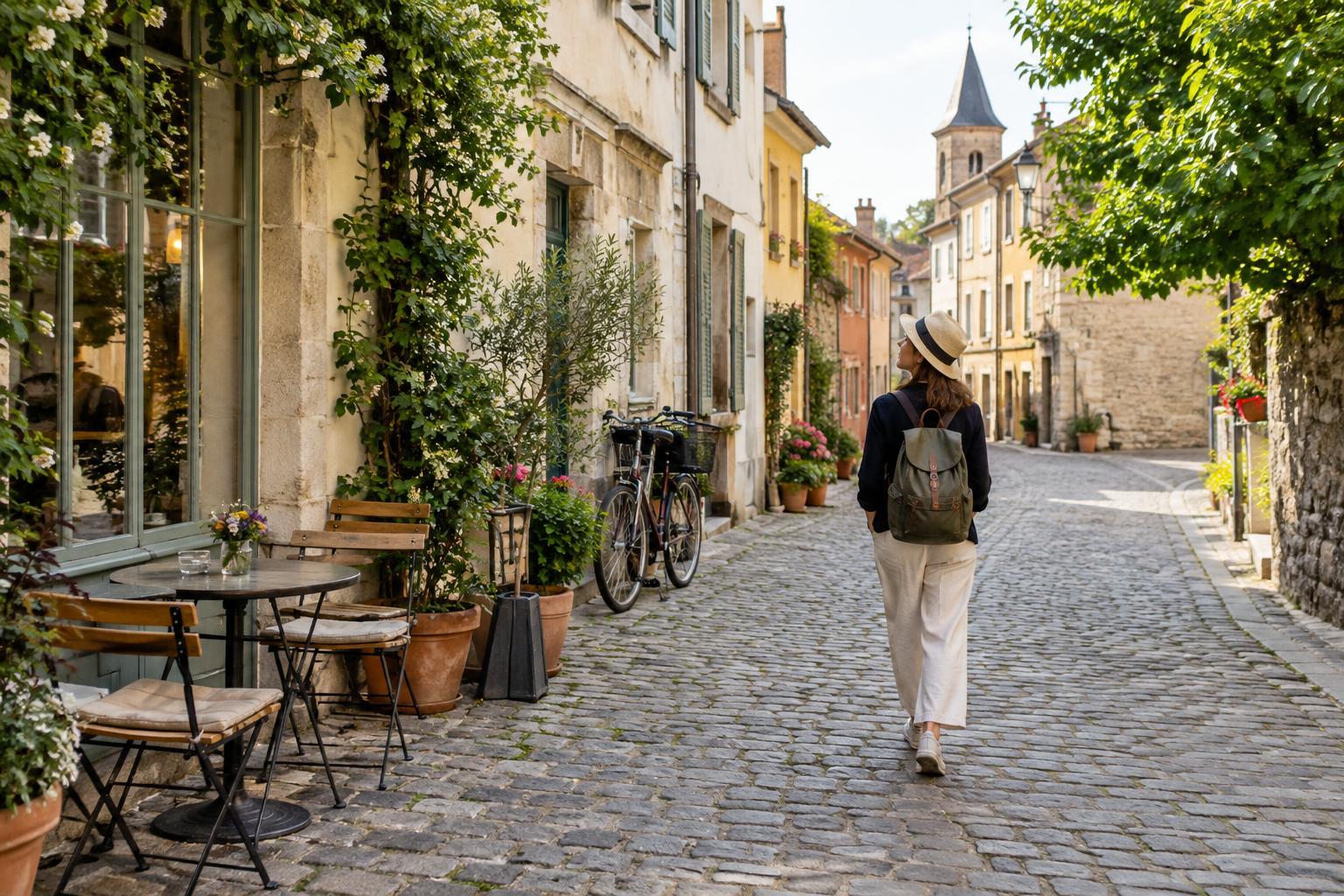
Think of slow travel as a way of paying attention
Slow travel is often pictured as a long stay with no fixed plans. That can be appealing, but time off, budgets and other responsibilities make it unrealistic for many people. A slower trip is not necessarily a longer one. It is a trip with fewer rushed transitions and more chances to notice what is around you.
On a three-day visit, that might mean returning to the same bakery, walking a residential street rather than crossing town for another landmark, or spending an hour in a small museum whose subject catches your interest. The aim is not to avoid well-known sights or to travel without a plan. It is to choose what matters to you and give those choices enough time.
Choose a base that makes ordinary days easy
When your schedule is fixed, frequent changes of accommodation can consume a surprising amount of it. Consider staying in one place for most or all of the trip, especially if the area has useful transport connections and places to eat nearby. Check how you would reach the activities you care about, but also look at what you could explore on foot from your door.
A good base need not be in the busiest district. A neighborhood with a market, a library, older shopfronts or a mix of housing can offer plenty to notice between planned outings. Before booking, pay attention to practical needs: arrival time, accessibility, luggage, opening hours and the journey back after dark. A quieter location is only relaxing if it works for the people traveling.
Build an itinerary with space around its anchors
Start with one main activity per day: perhaps a museum, a heritage walk or a visit to a particular part of town. Treat it as an anchor, not the first item in a tightly packed sequence. Add a nearby option if you have the energy, and leave part of the day unassigned. Travel time, meals and rest deserve space in the plan too.
Group activities by area instead of making repeated trips across a city. If a museum closes earlier than expected or rain changes your plans, you can still explore nearby streets or settle into a café without feeling that the whole day has failed. For a short trip, a brief list of priorities helps: what would you regret missing, and what is simply a pleasant possibility? Knowing the difference makes it easier to change course.
Use small routines to get to know a place
Repeated, ordinary experiences can make a short visit feel less like a checklist. Try buying breakfast near your accommodation, taking the same route at different times of day, or pausing in a public square. Notice how buildings meet the street, which spaces people use for gathering, and how a neighborhood changes between a working morning and a quieter afternoon.
Curiosity works best alongside consideration. A residential street is someone’s home, not a stage set. Keep entrances clear, follow rules about photography, and ask before photographing people or private interiors. In places of worship, memorials and community spaces, take cues from posted guidance and from the people who use them. You can learn a great deal simply by observing without demanding access or attention.
Leave room to remember what you saw
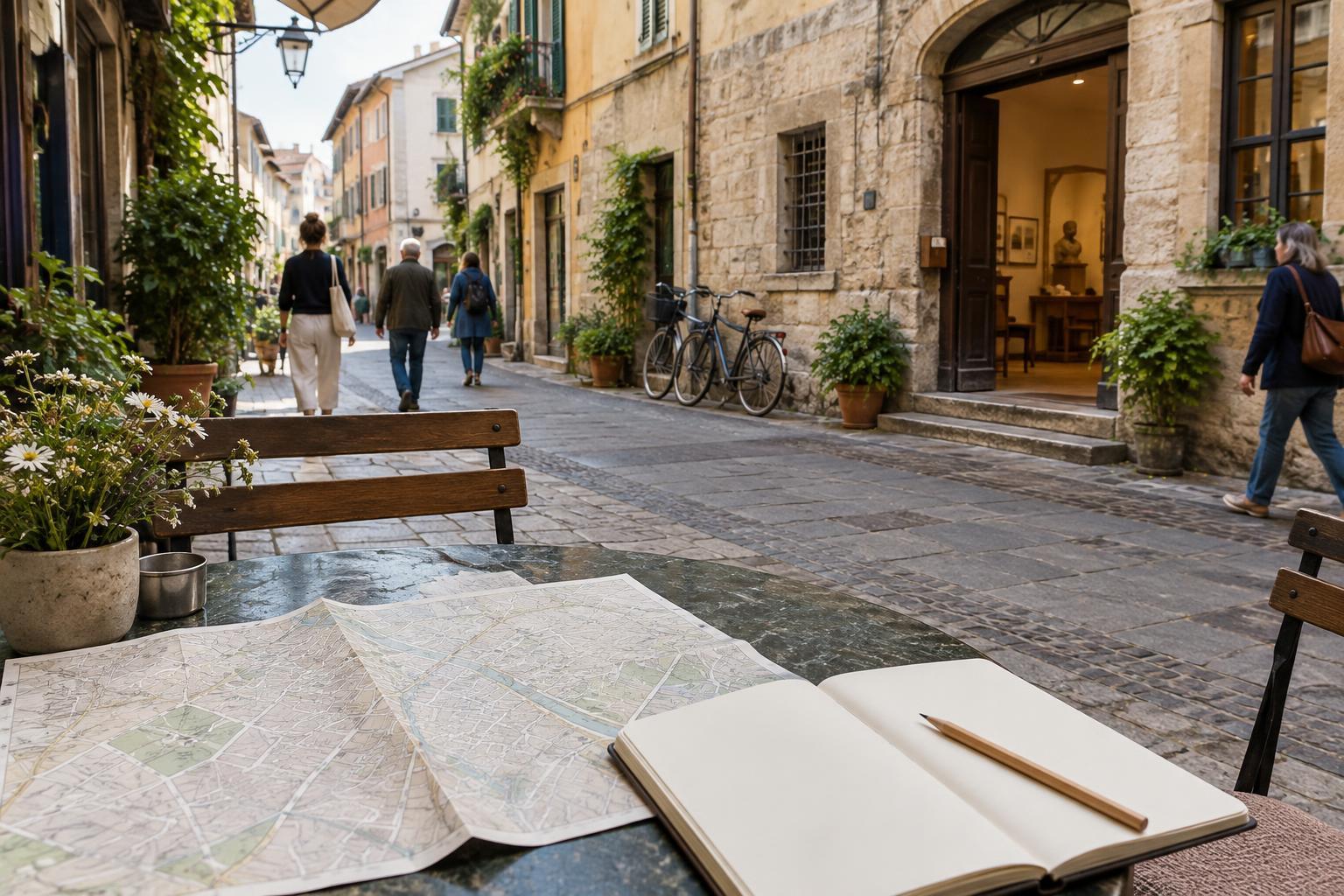
You do not need to record every stop. A few notes at the end of the day can help you remember a detail that would otherwise disappear: the shape of a doorway, an exhibit label that raised a question, or the route you enjoyed walking most. If you take photographs, mix the expected views with images of permitted everyday details. Put the camera away when it starts to pull you out of the experience.
A fixed departure date can give a slow trip useful boundaries. Before leaving, choose one thing you would like to revisit rather than squeezing in everything you missed. You may not get back this time, and that is fine. Traveling slowly means allowing a place to remain larger than your itinerary, even when your visit is brief.