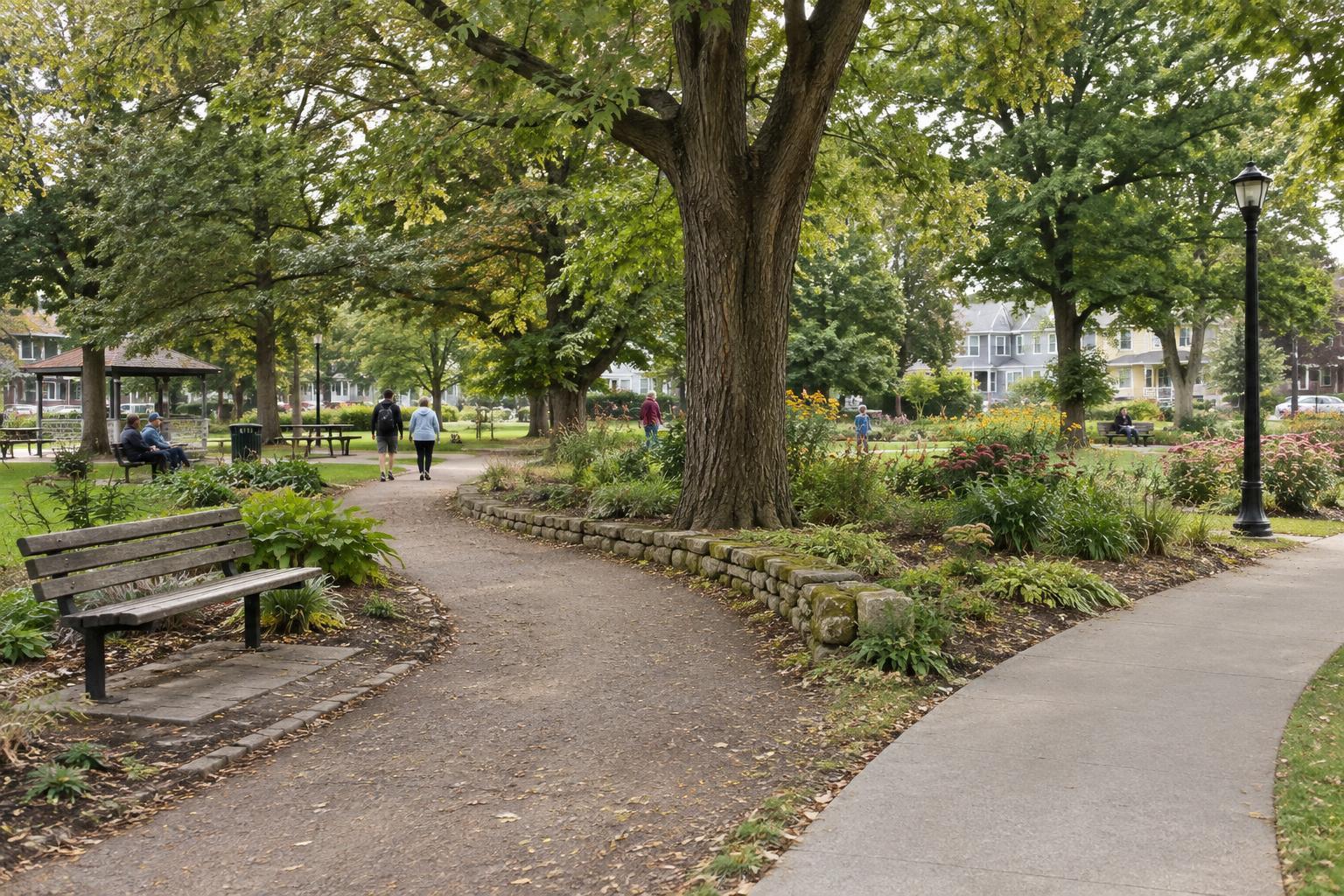
Local HeritageA public park can reveal how a community has used, changed, and shared space over time. Learn to notice its paths, plantings, facilities, and everyday routines without assuming that its original design tells the whole story.
Read article · 4 min↗
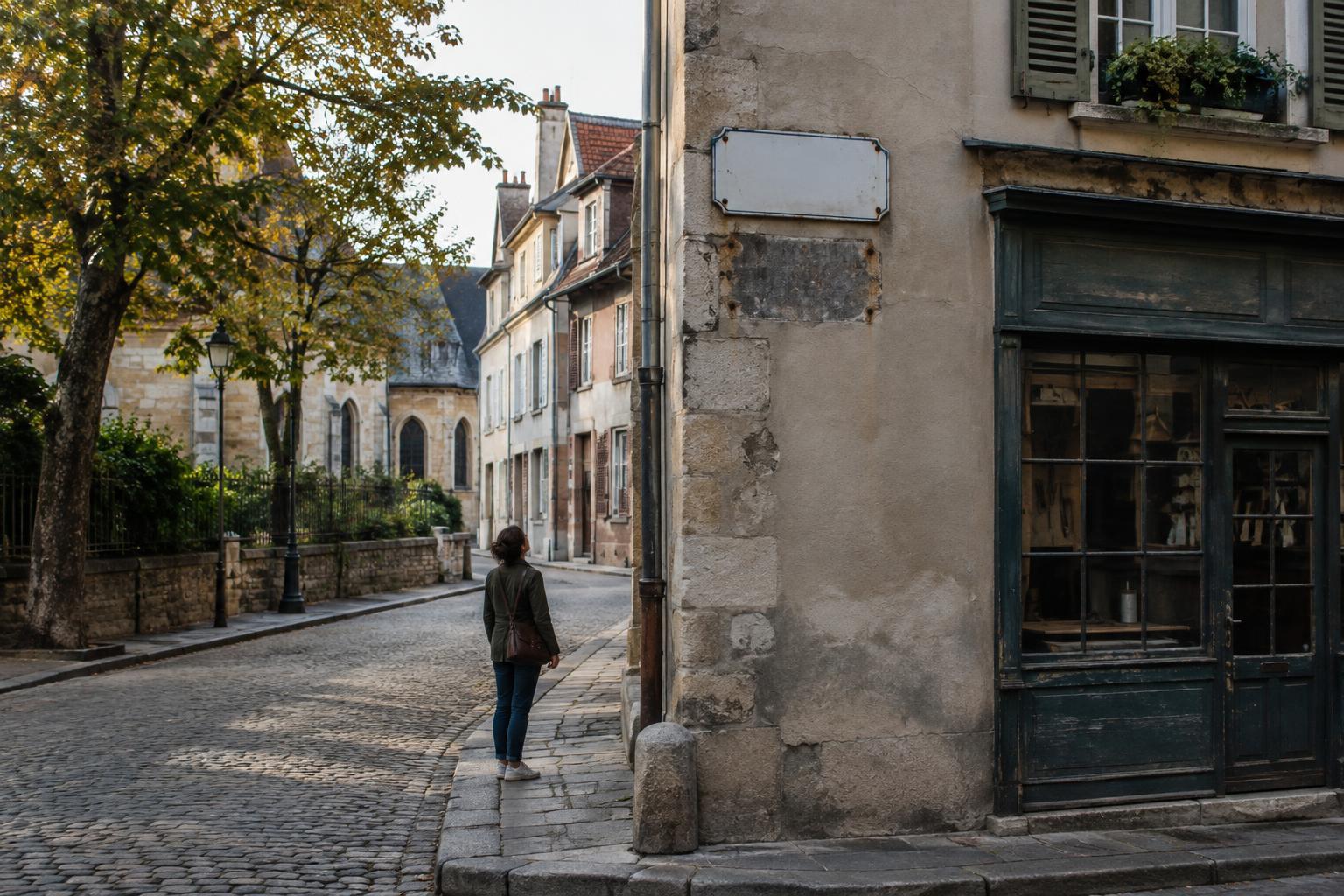
Local HeritageStreet names can point toward former landscapes, livelihoods, people and political choices. Learn how to notice those clues, check what they mean and stay alert to the histories a map leaves out.
Read article · 3 min↗
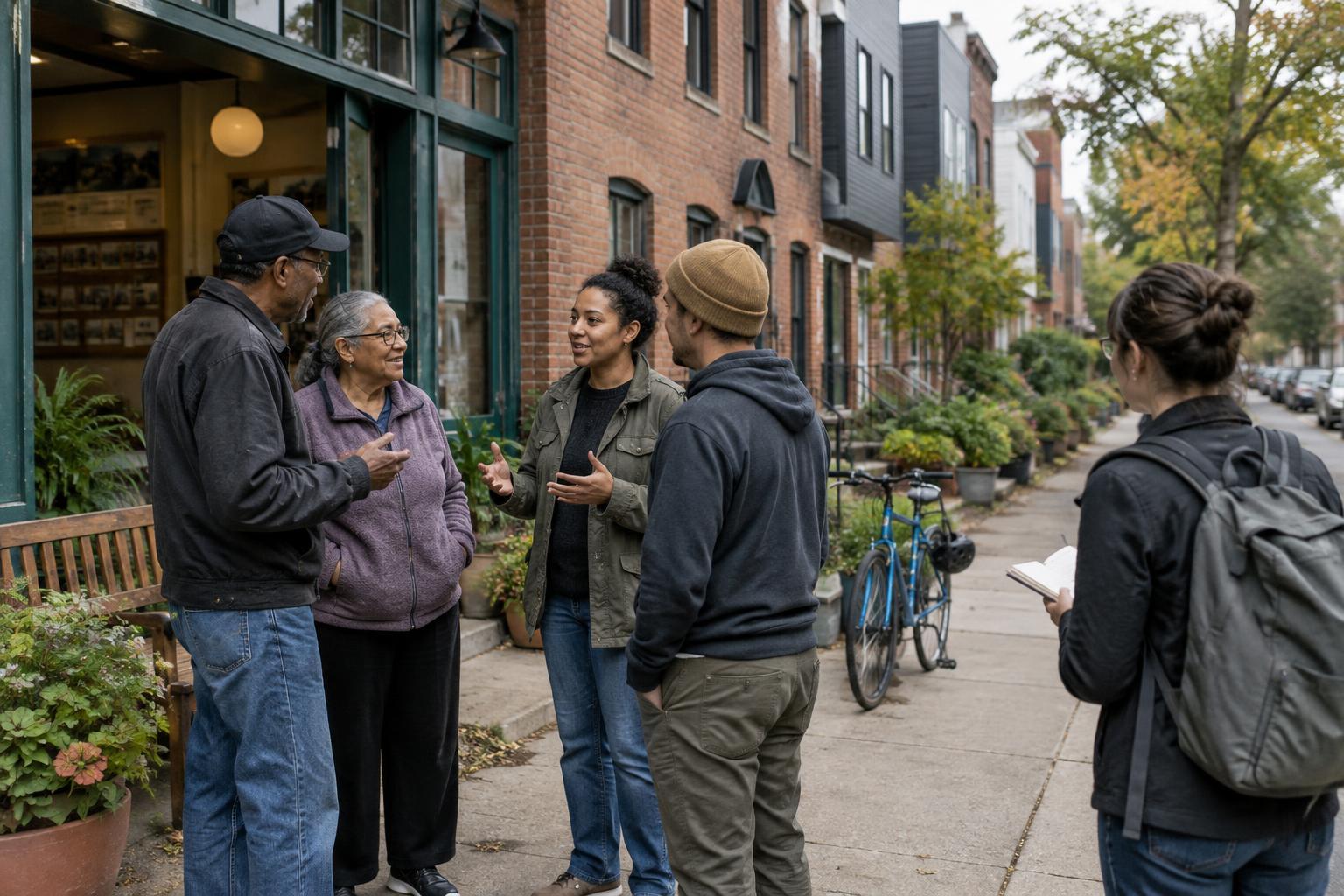
Local HeritageWriting about local heritage takes more than finding an old building or a compelling story. Learn how to avoid flattening a community into nostalgia, treating one voice as definitive, or overlooking the people who keep a place meaningful today.
Read article · 3 min↗
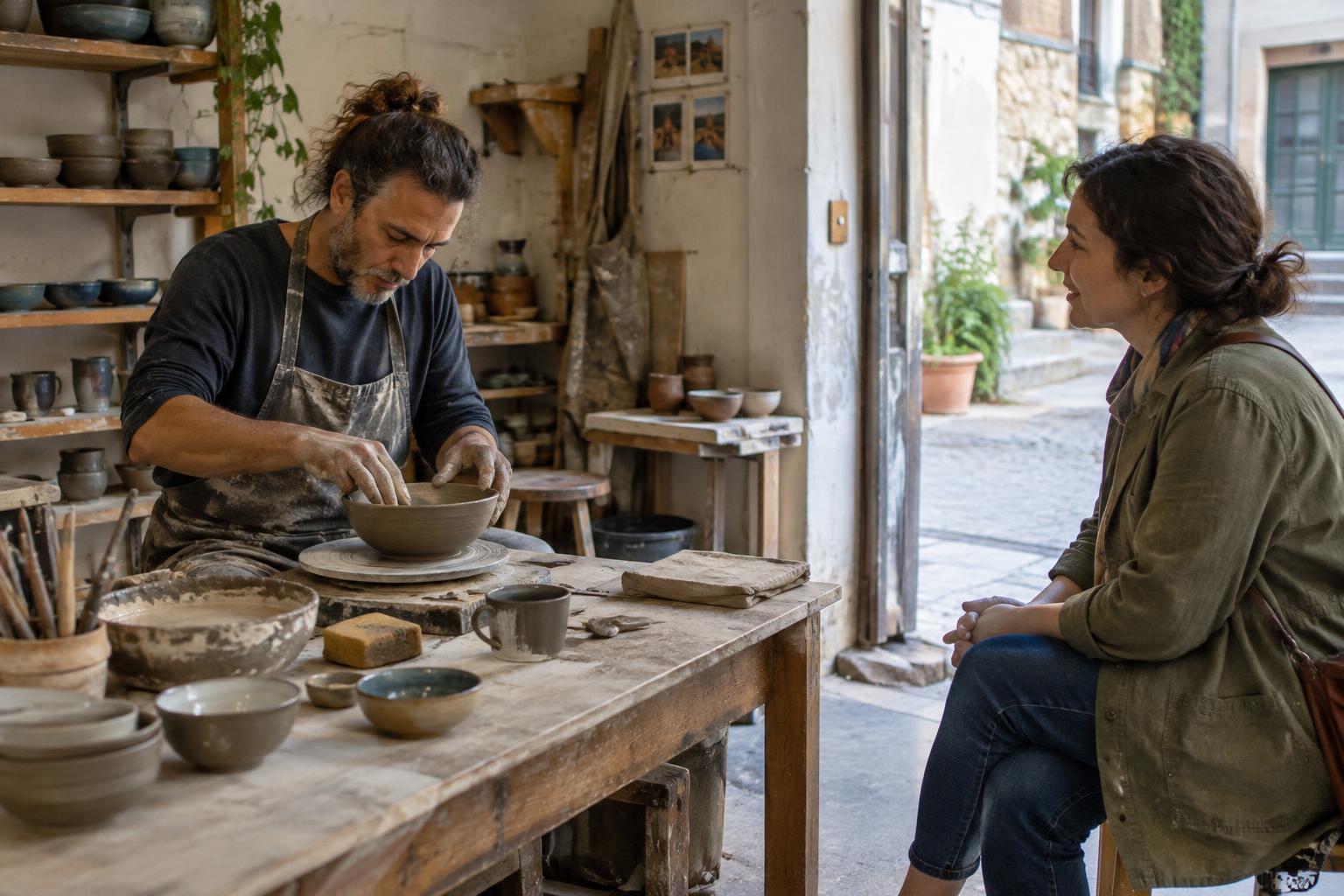
Local HeritageLiving heritage is part of ordinary life, not a show arranged for visitors. Learn how to find public opportunities to engage, pay fairly for skilled work, ask before documenting, and respect the moments that remain private.
Read article · 4 min↗
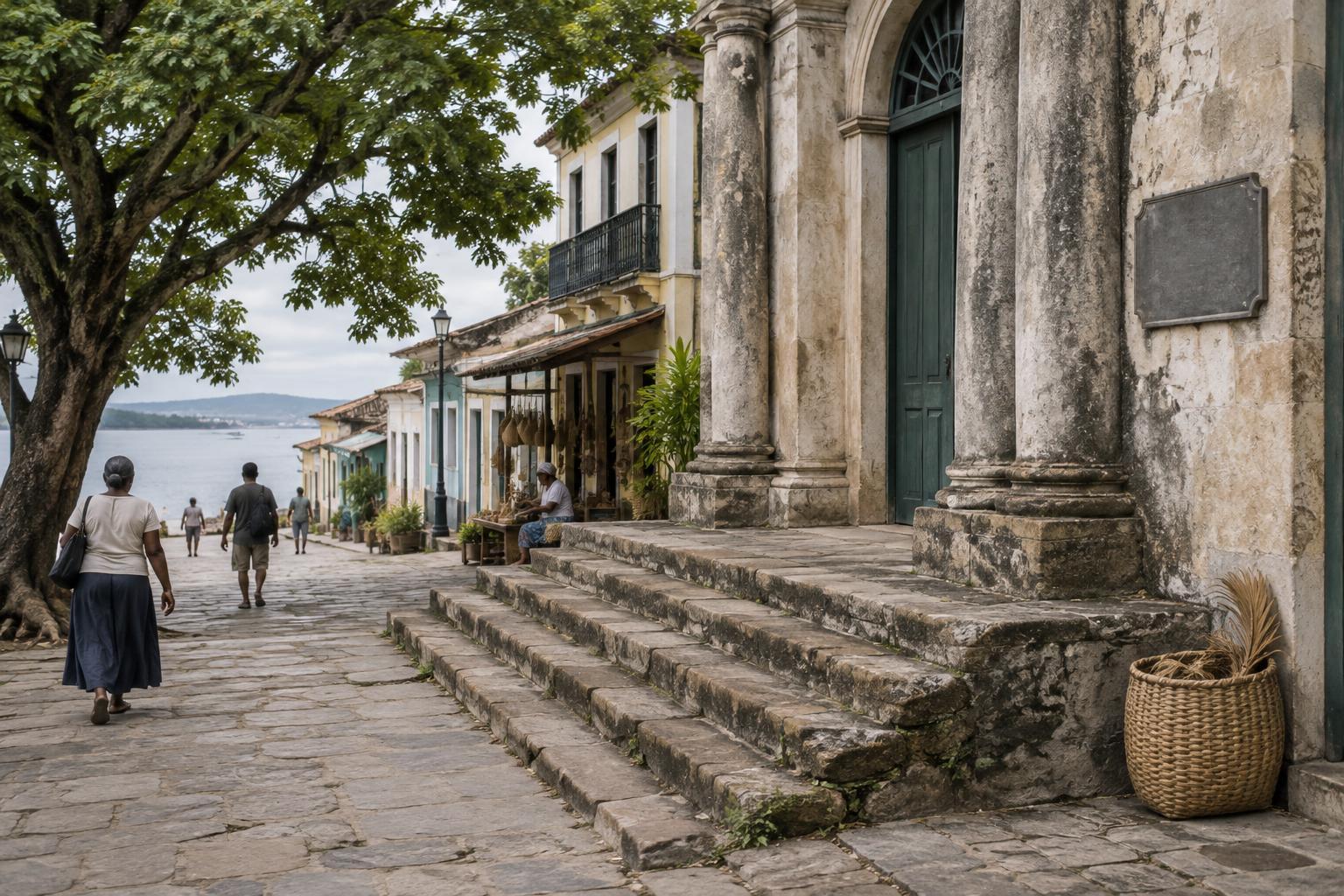
Local HeritageA plaque, street name or museum display can tell a compelling local story while leaving out the people whose land, labor and knowledge shaped it. Learn how to notice colonial legacies, read heritage accounts with care and ask better questions without treating a place as a puzzle to solve.
Read article · 4 min↗
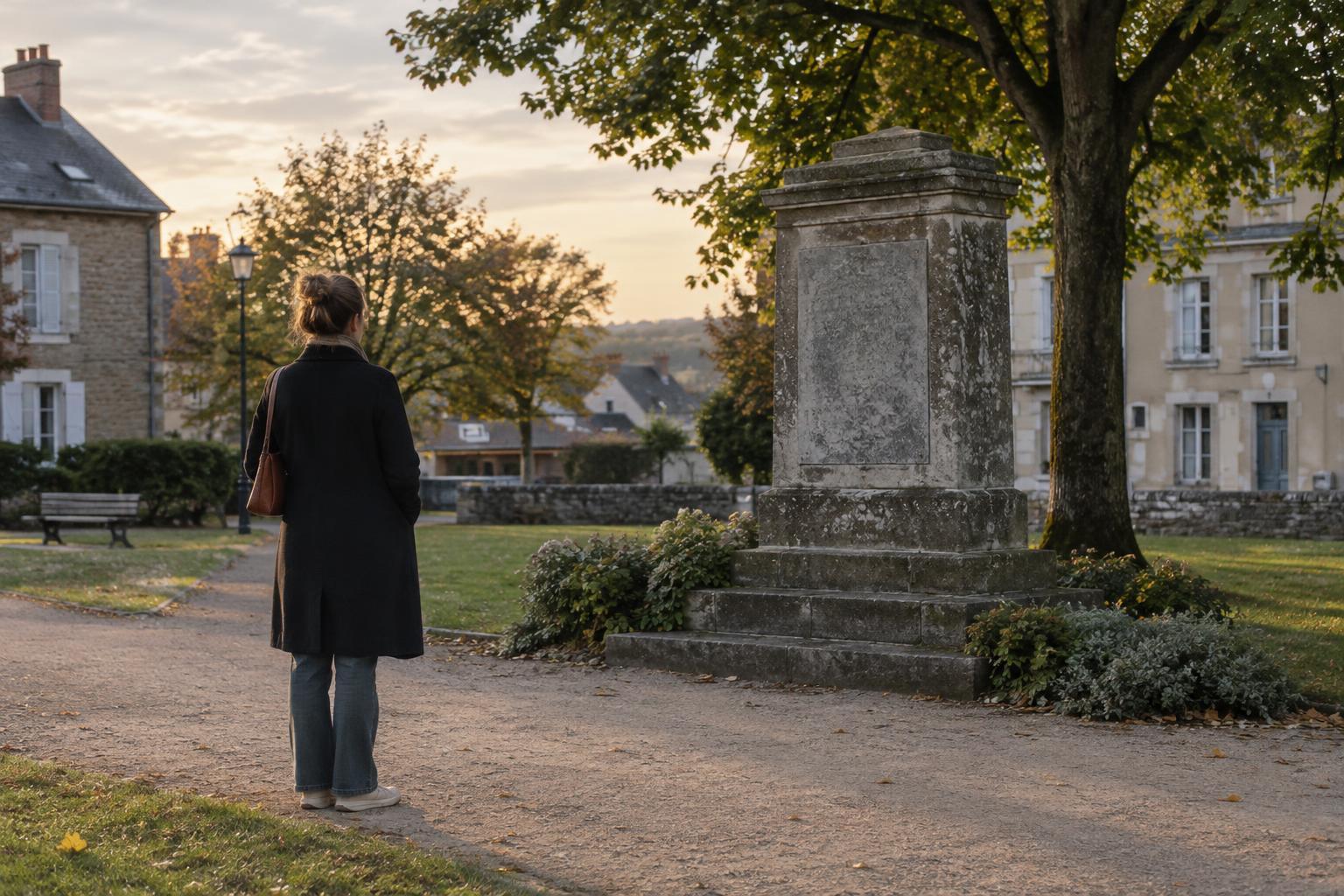
Local HeritageMemorials shape public memory through more than the names and events they display. Their locations, materials, wording and silences also influence what visitors notice. Learning to read those choices can make a walk through a familiar place a more thoughtful encounter with local heritage.
Read article · 4 min↗
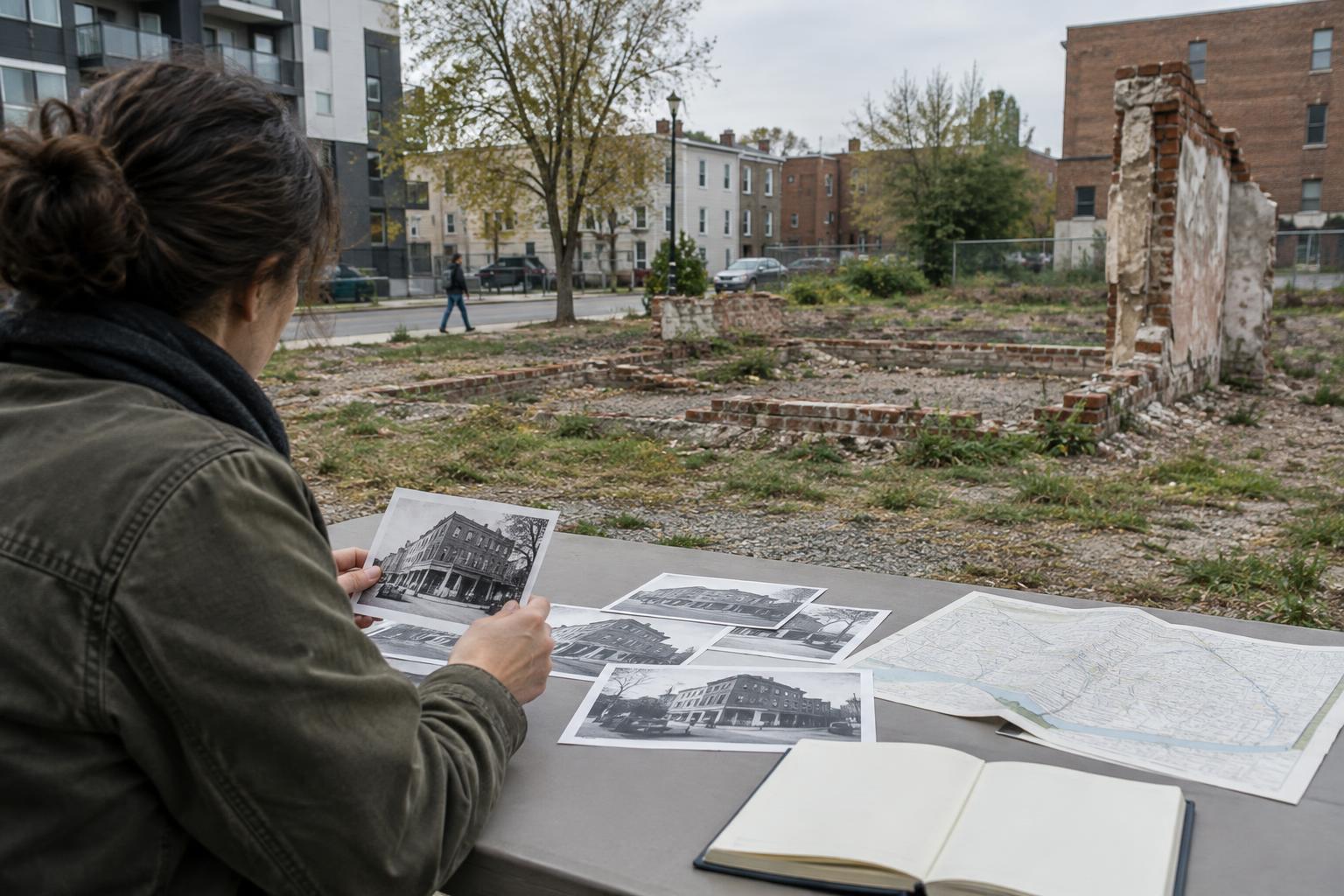
Local HeritageA vanished building can reveal much about a place, but its story is rarely just one of architectural loss. This guide offers a careful way to investigate what stood there, who used it, why it disappeared, and whose memories have been left out.
Read article · 4 min↗
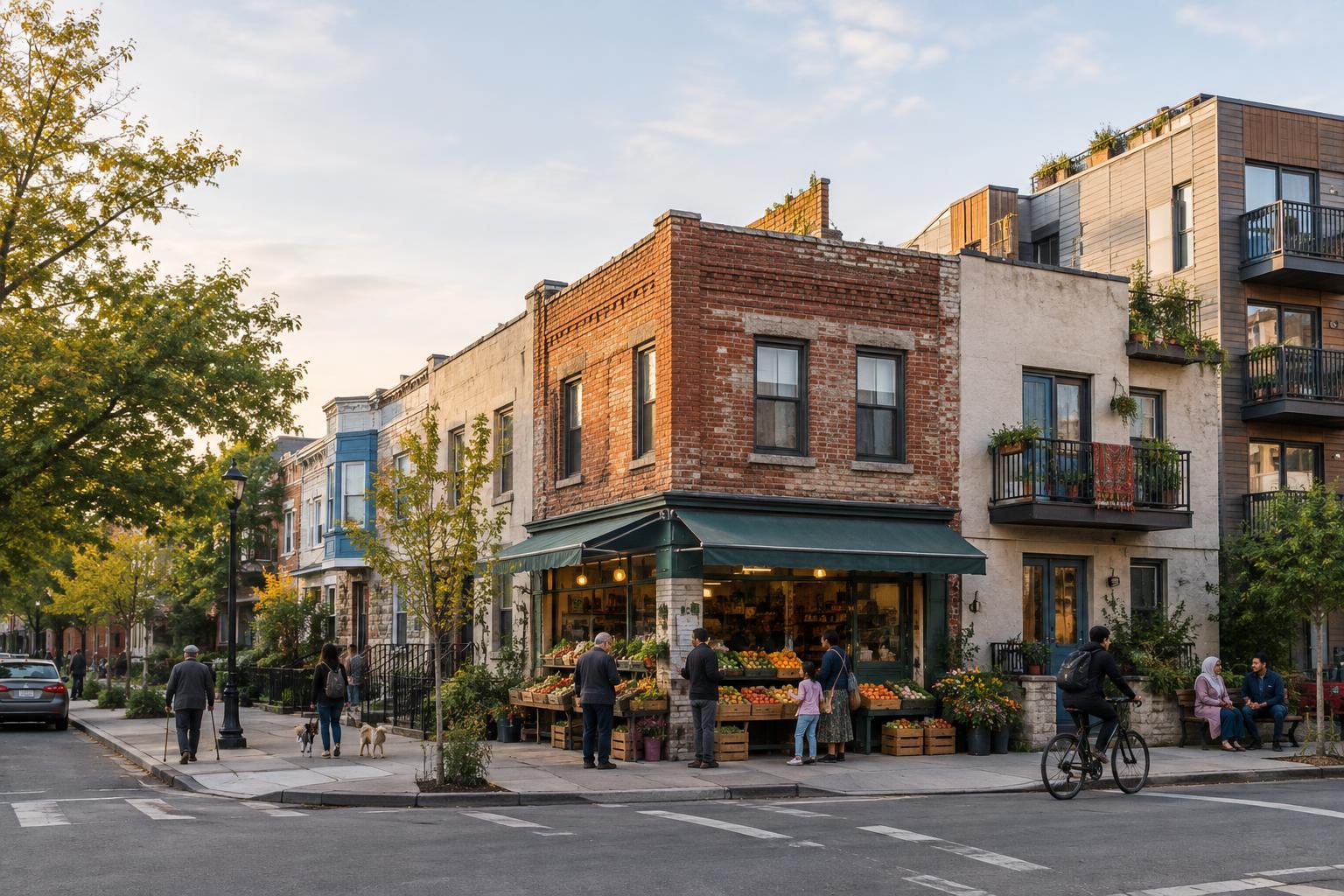
Local HeritageLocal heritage is often presented as a story of founding families and enduring traditions. Looking at migration reveals something richer: neighborhoods shaped by arrivals, departures, exchange and adaptation. Here is how to notice those layers while traveling with curiosity and care.
Read article · 4 min↗
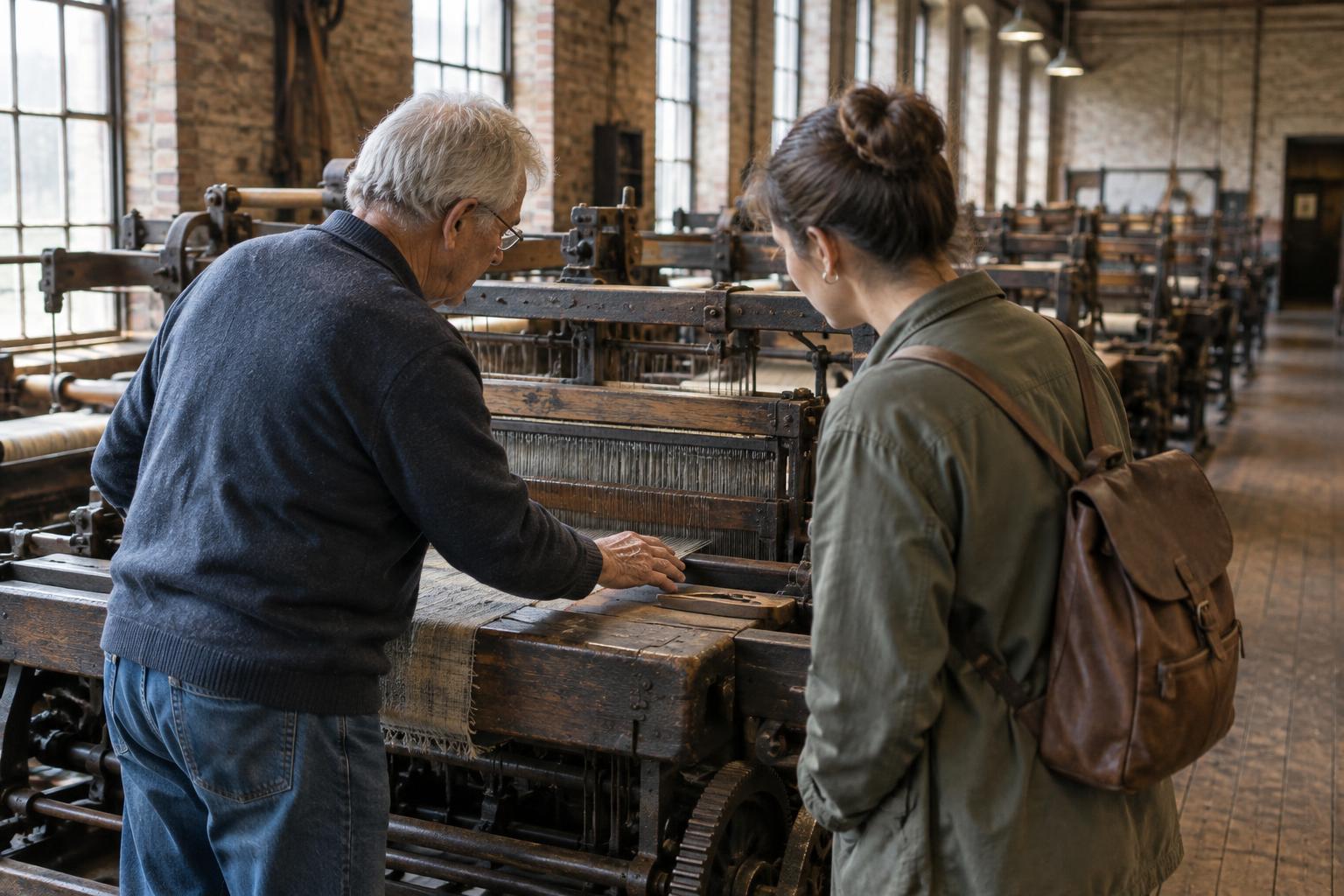
Local HeritageFactories, rail yards and mills reveal how things were made. Workers’ stories reveal what it took to make them: skill, cooperation, routine, risk and lives beyond the workplace. Listening carefully makes industrial heritage richer without turning hardship into spectacle.
Read article · 4 min↗
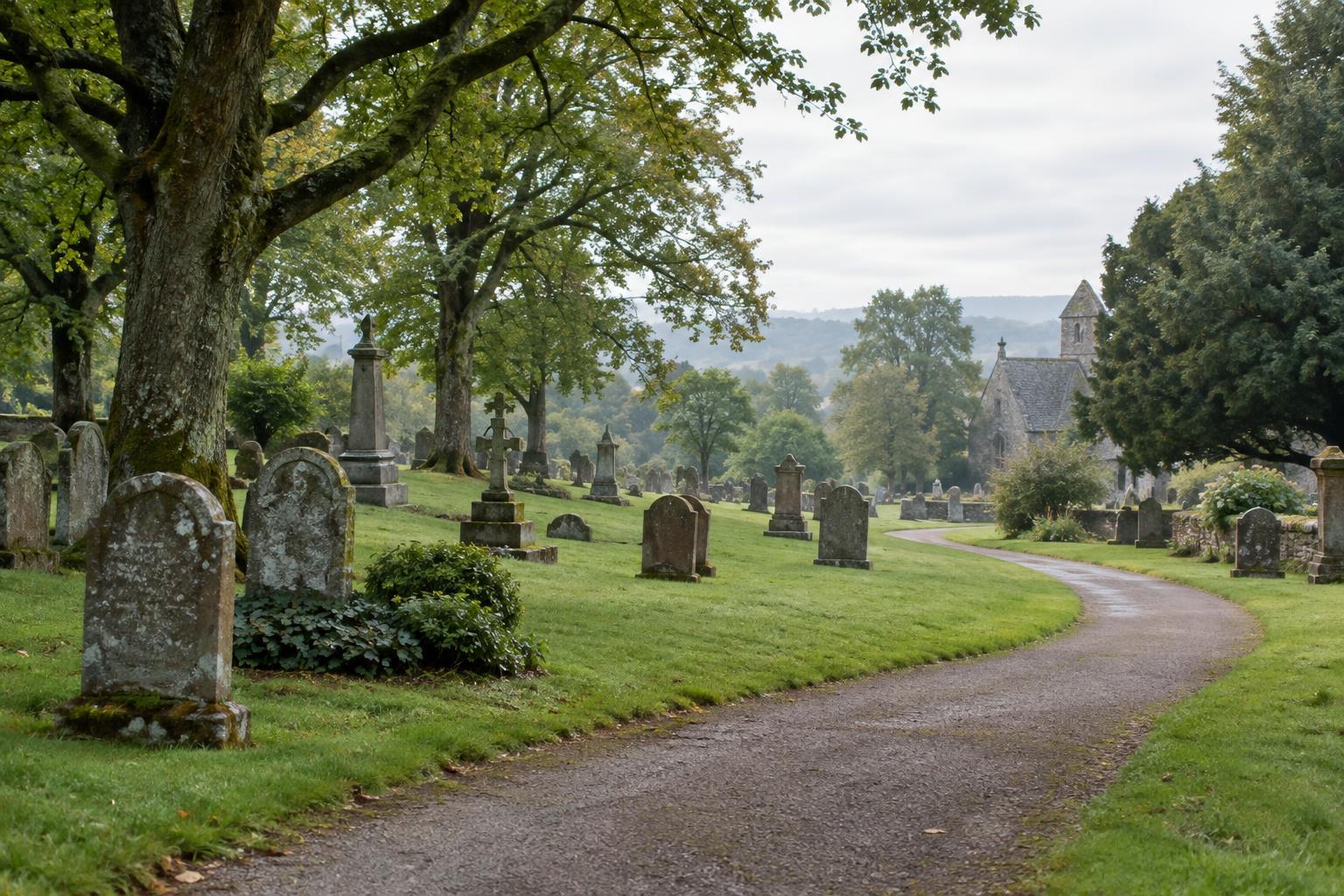
Local HeritageHistoric cemeteries can reveal local stories through names, landscapes and memorial traditions. A thoughtful visit begins with a simple priority: the cemetery is still a place of grief and remembrance. Here is how to explore with curiosity while giving mourners room and privacy.
Read article · 4 min↗
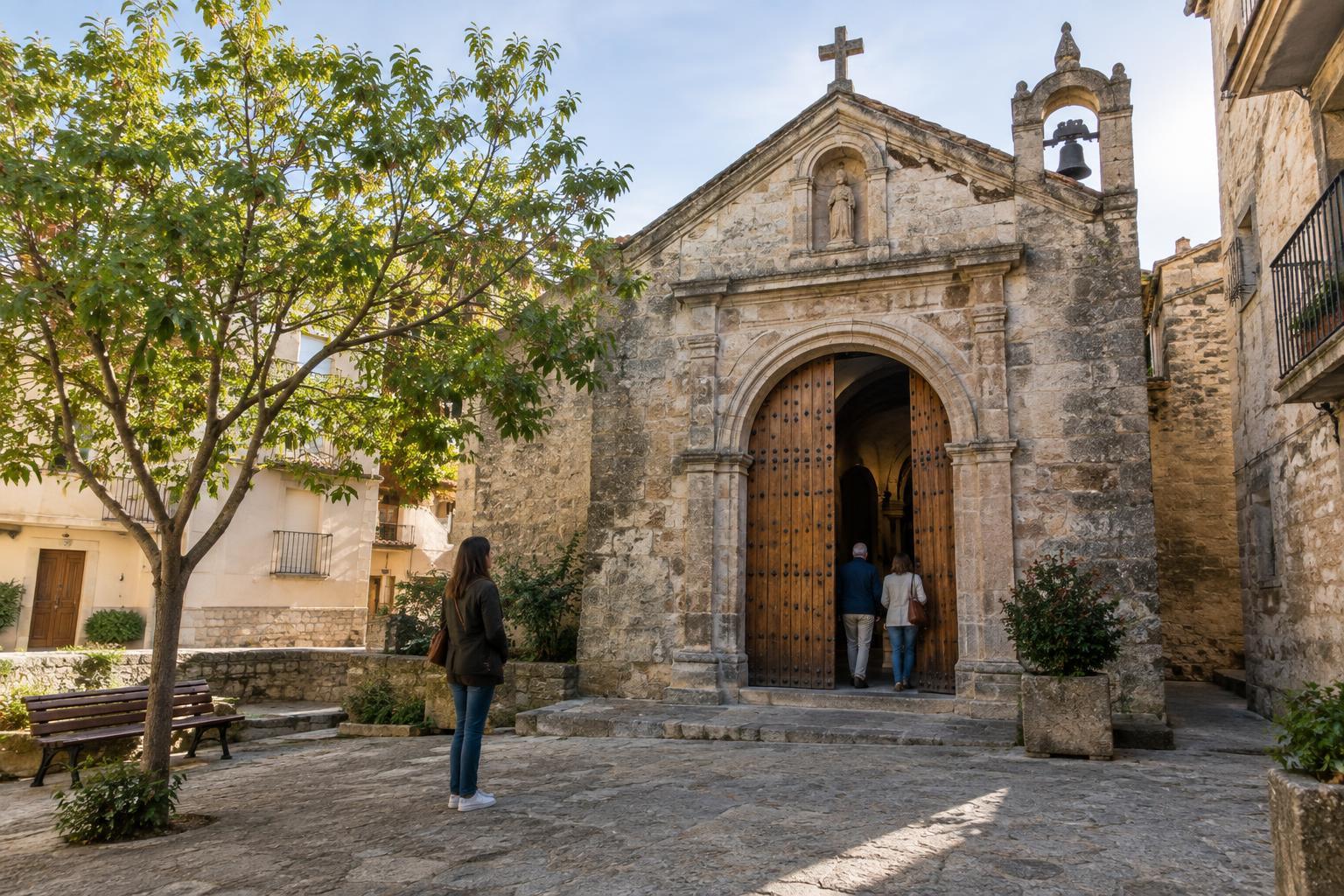
Local HeritageA place of worship can be both a living community space and a record of local history. Learn how to plan a thoughtful visit, read the building and its surroundings, and make room for the people who use it today.
Read article · 4 min↗
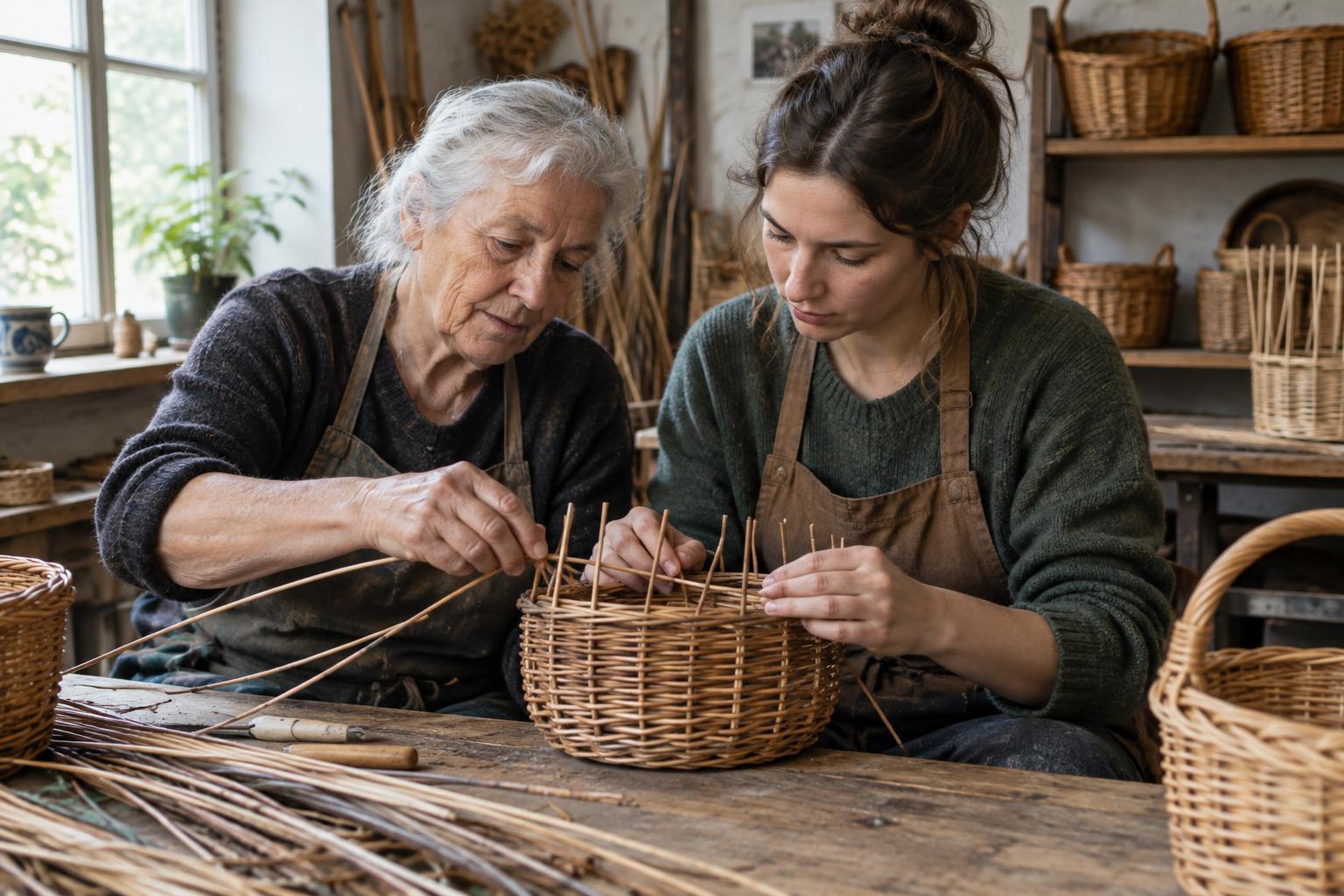
Local HeritageA craft survives through more than a set of techniques. It is carried through shared work, observation, practice, adaptation and the choices people make about what is worth preserving. Here is how to notice those connections when exploring local heritage.
Read article · 3 min↗
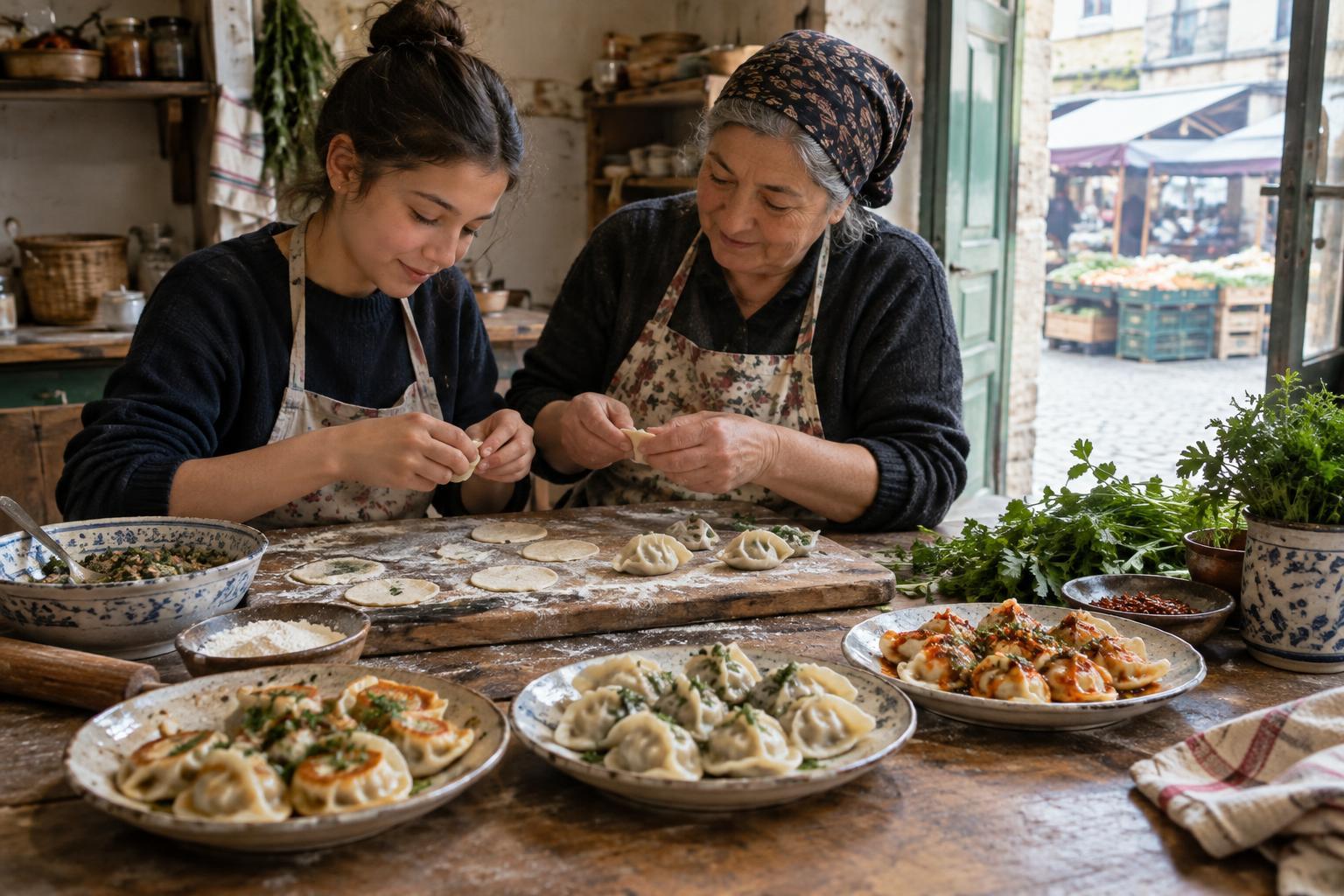
Local HeritageA familiar dish can carry stories of migration, work, celebration and adaptation. Here is a practical way to explore those stories while leaving room for more than one account of where a tradition began.
Read article · 4 min↗
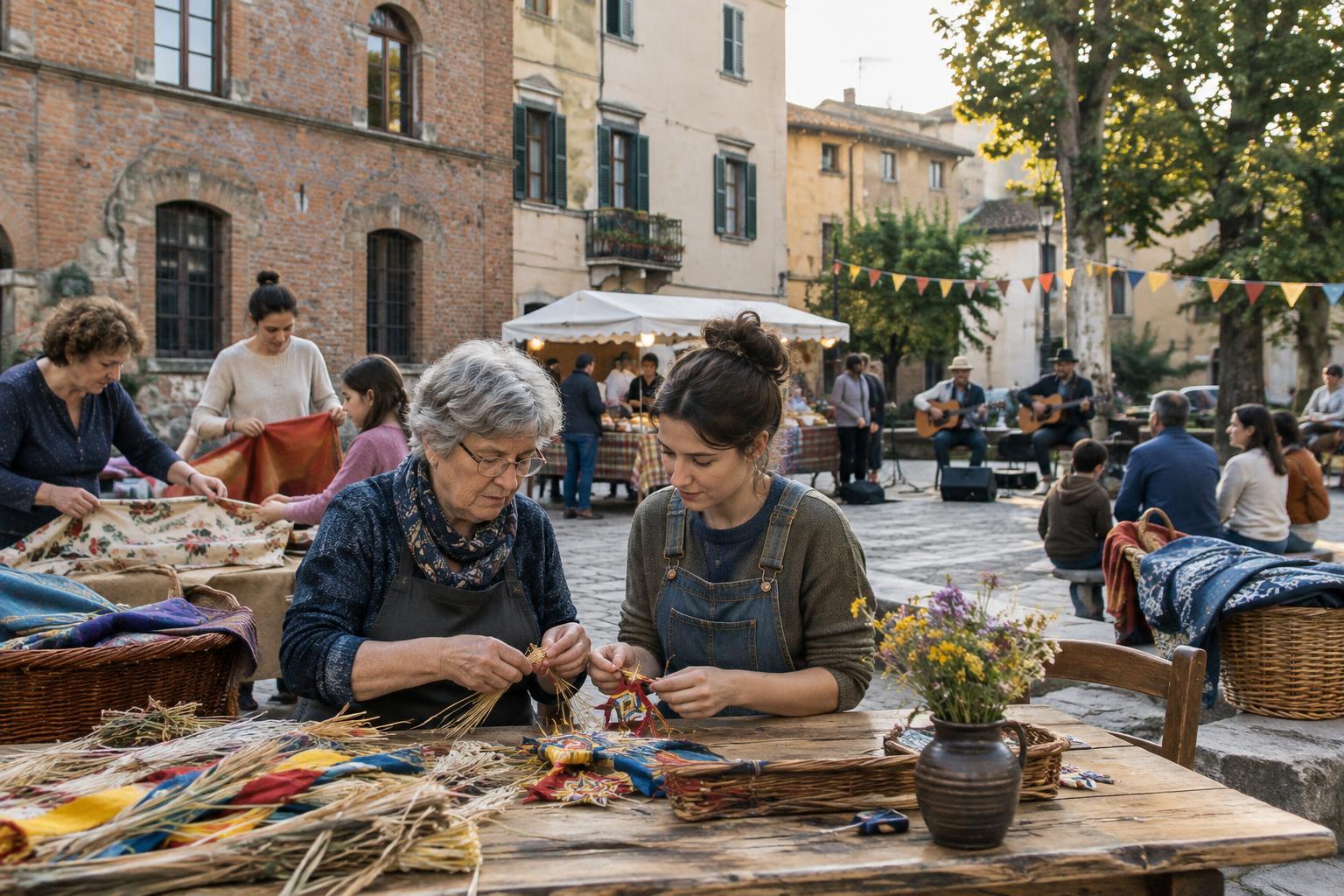
Local HeritageA local festival can keep a community’s stories, skills and shared spaces in use. It can also change with the people who take part. Here is how to look beyond the main event and notice both the continuity and the choices behind it.
Read article · 4 min↗
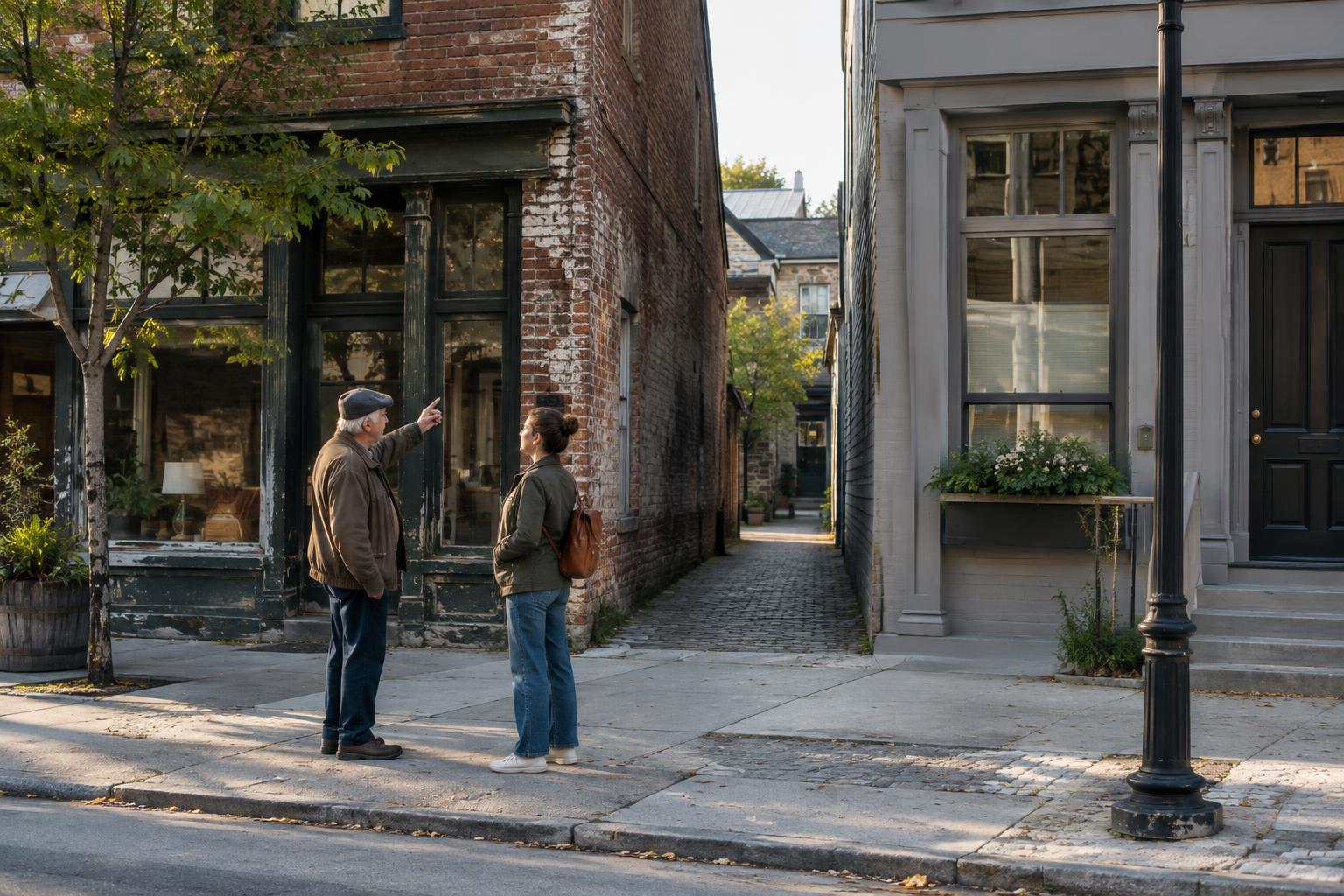
Local HeritageA neighborhood story may change depending on who tells it. Disagreement does not have to end your exploration: it can help you ask better questions, notice missing perspectives, and describe what you learned without claiming more certainty than the evidence allows.
Read article · 4 min↗
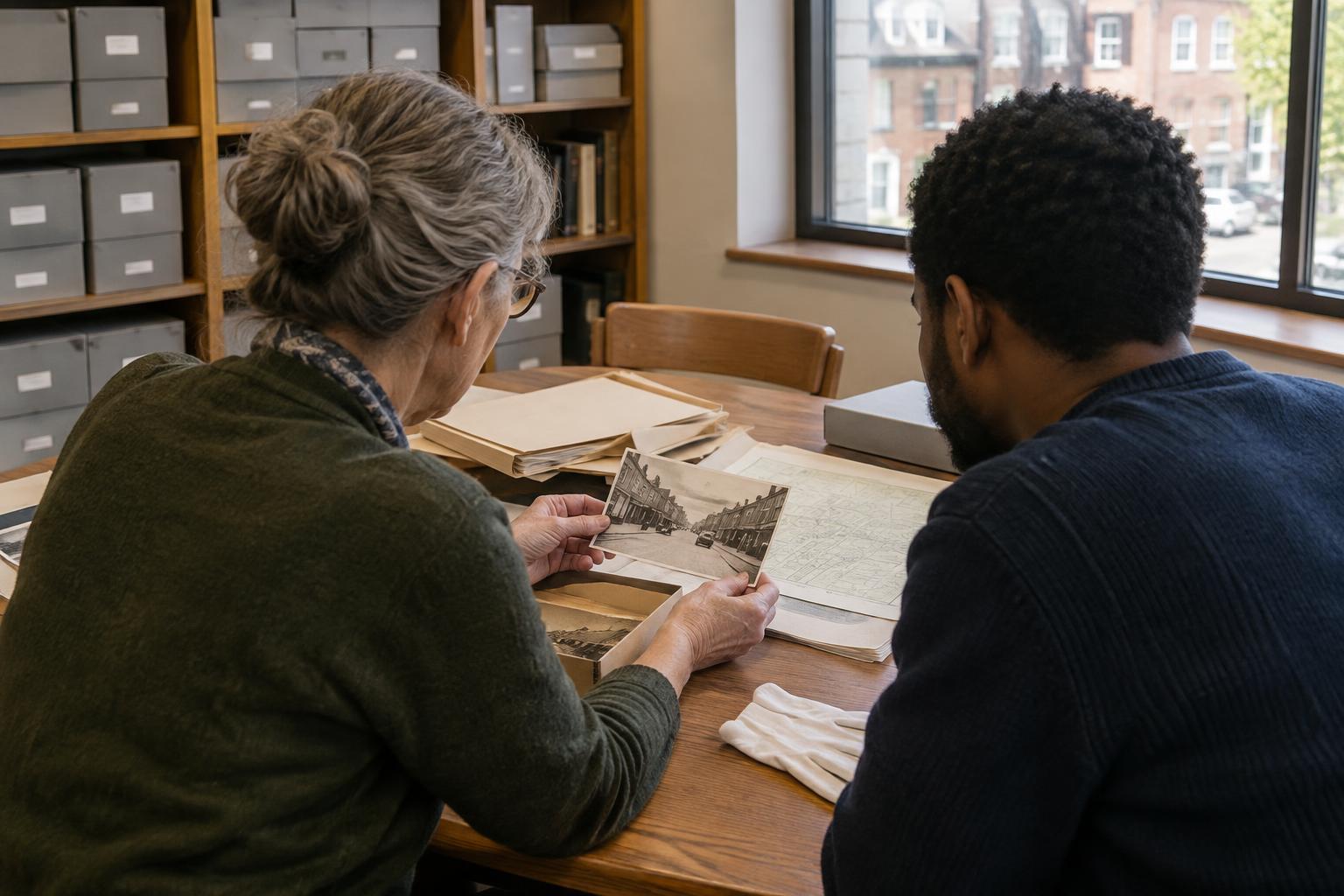
Local HeritageCommunity archives can reveal the stories behind a neighborhood’s buildings, streets and shared spaces. A thoughtful visit begins with learning how the collection works, asking what materials mean in context and giving credit in the way the archive requests.
Read article · 4 min↗
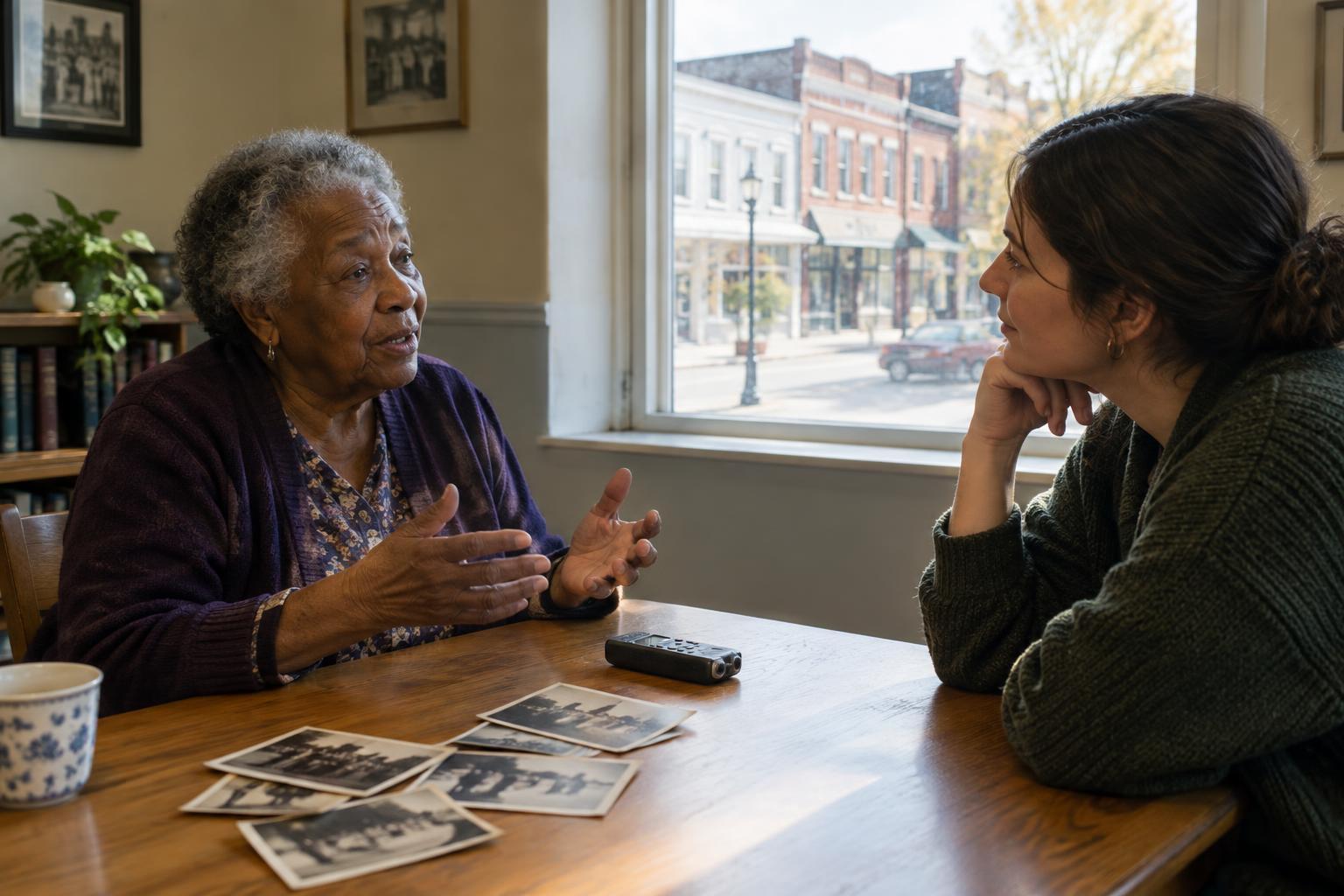
Local HeritageOral histories can reveal how people experienced a neighborhood, building or local tradition. Listening well means valuing those accounts while recognizing that memory is selective, shaped by time and sometimes uncertain.
Read article · 4 min↗
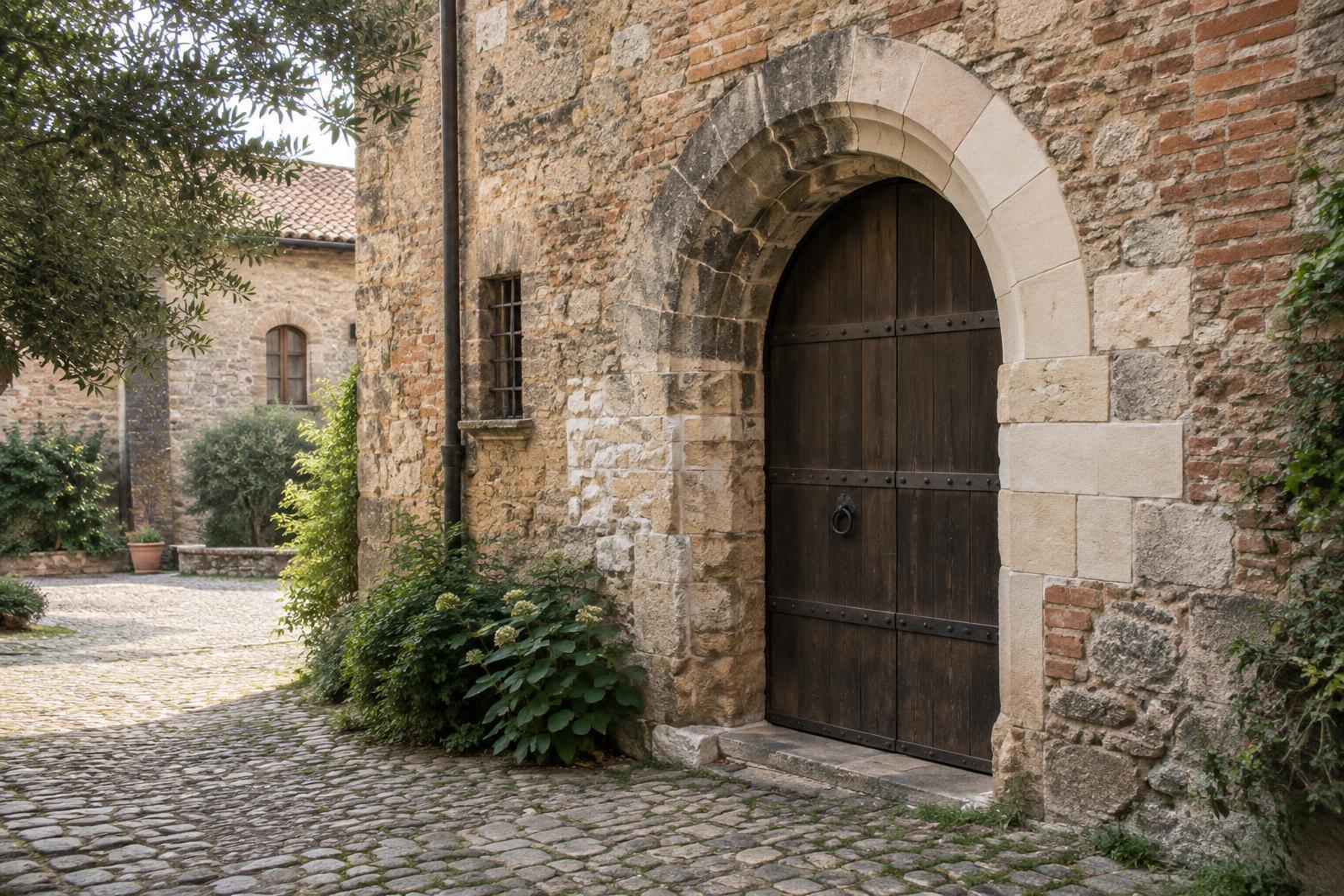
Local HeritageA historic place may contain original fabric, careful repairs, later additions, and newly built elements. Understanding restoration, conservation, and reconstruction can help visitors notice those layers without assuming that “old-looking” means unchanged.
Read article · 4 min↗
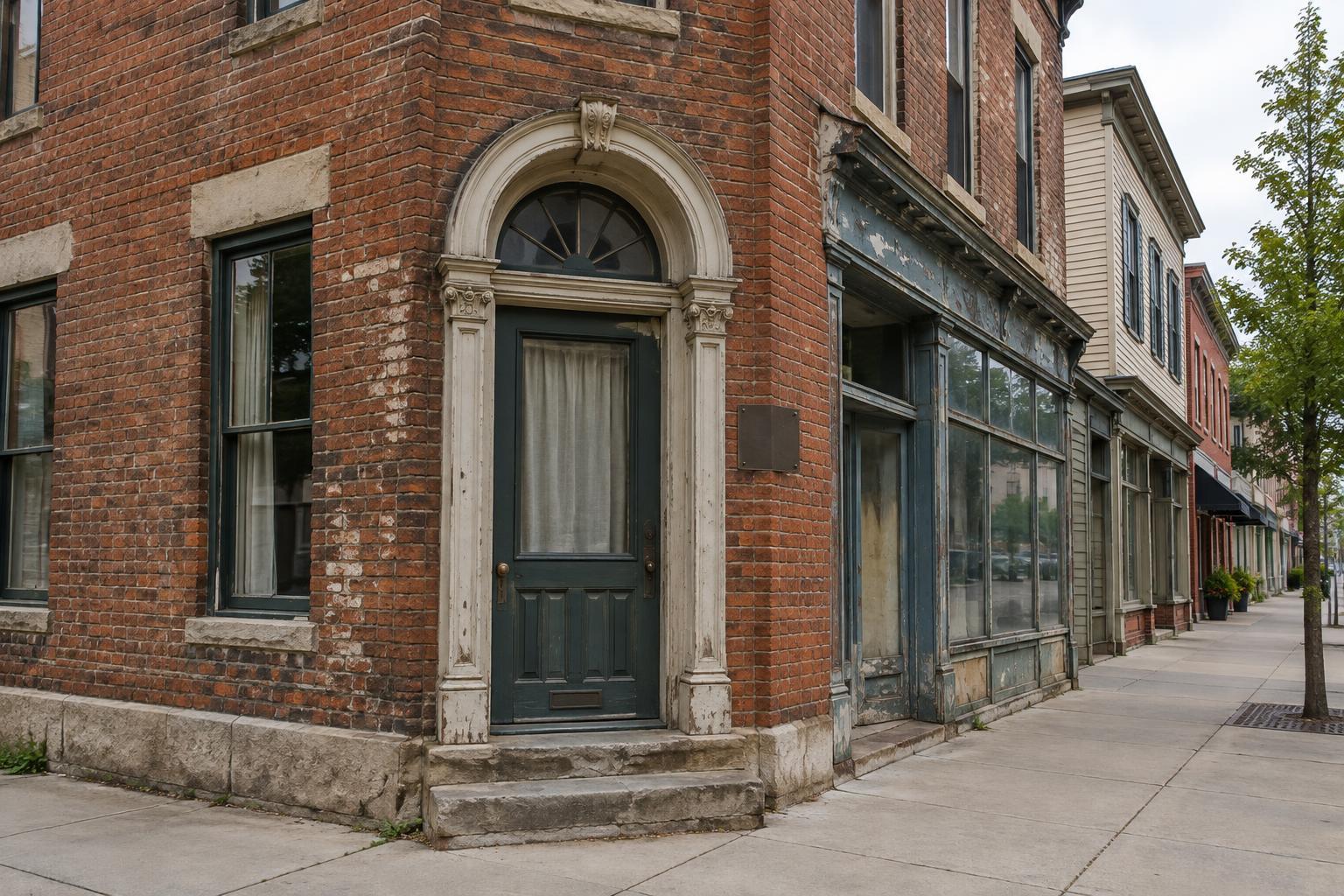
Local HeritageA heritage label can draw attention to a place, but it does not necessarily keep it unchanged. Here is how to read designations, understand their limits, and look more closely at the everyday places they are meant to protect.
Read article · 4 min↗
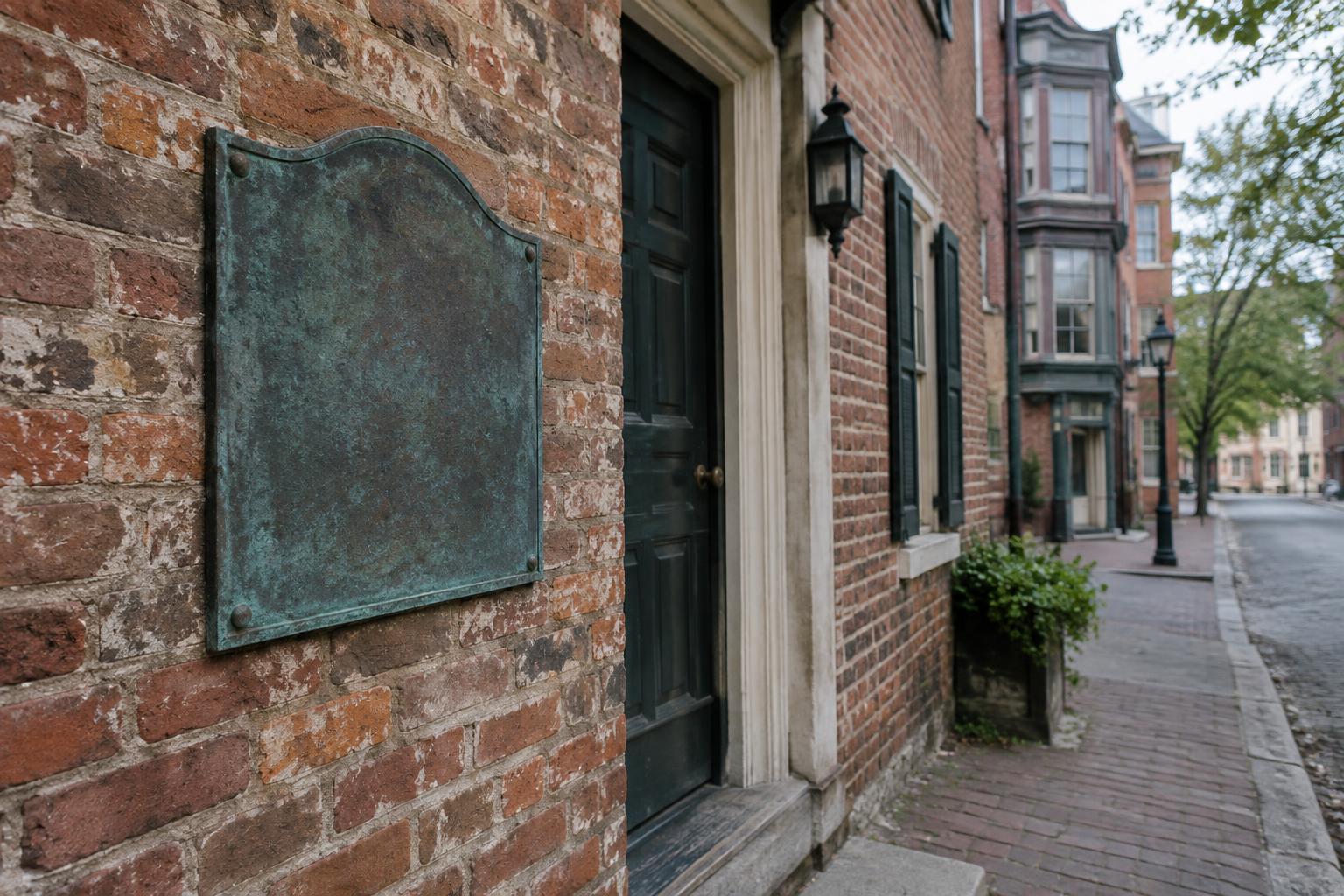
Local HeritageA historic plaque can make an ordinary street corner feel significant, but its few lines cannot tell the whole story. Learn how to read the wording, consider who chose it, and look beyond the marker without losing the pleasure of discovery.
Read article · 4 min↗
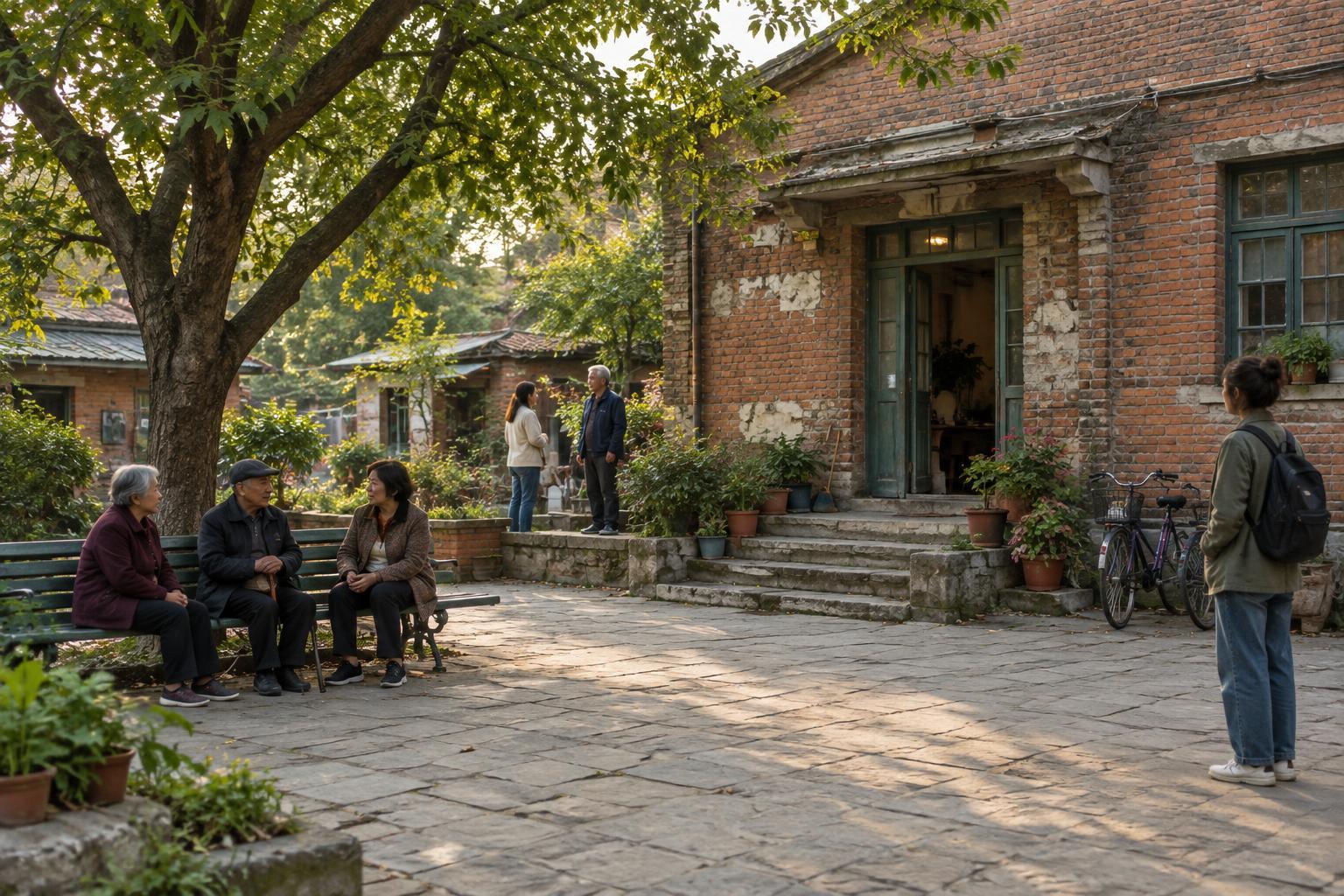
Local HeritageA place can matter deeply to the people who use it without appearing on a heritage register. Looking at how recognition works reveals whose memories are heard, what gets protected and how visitors can pay attention without claiming a community’s story as their own.
Read article · 4 min↗
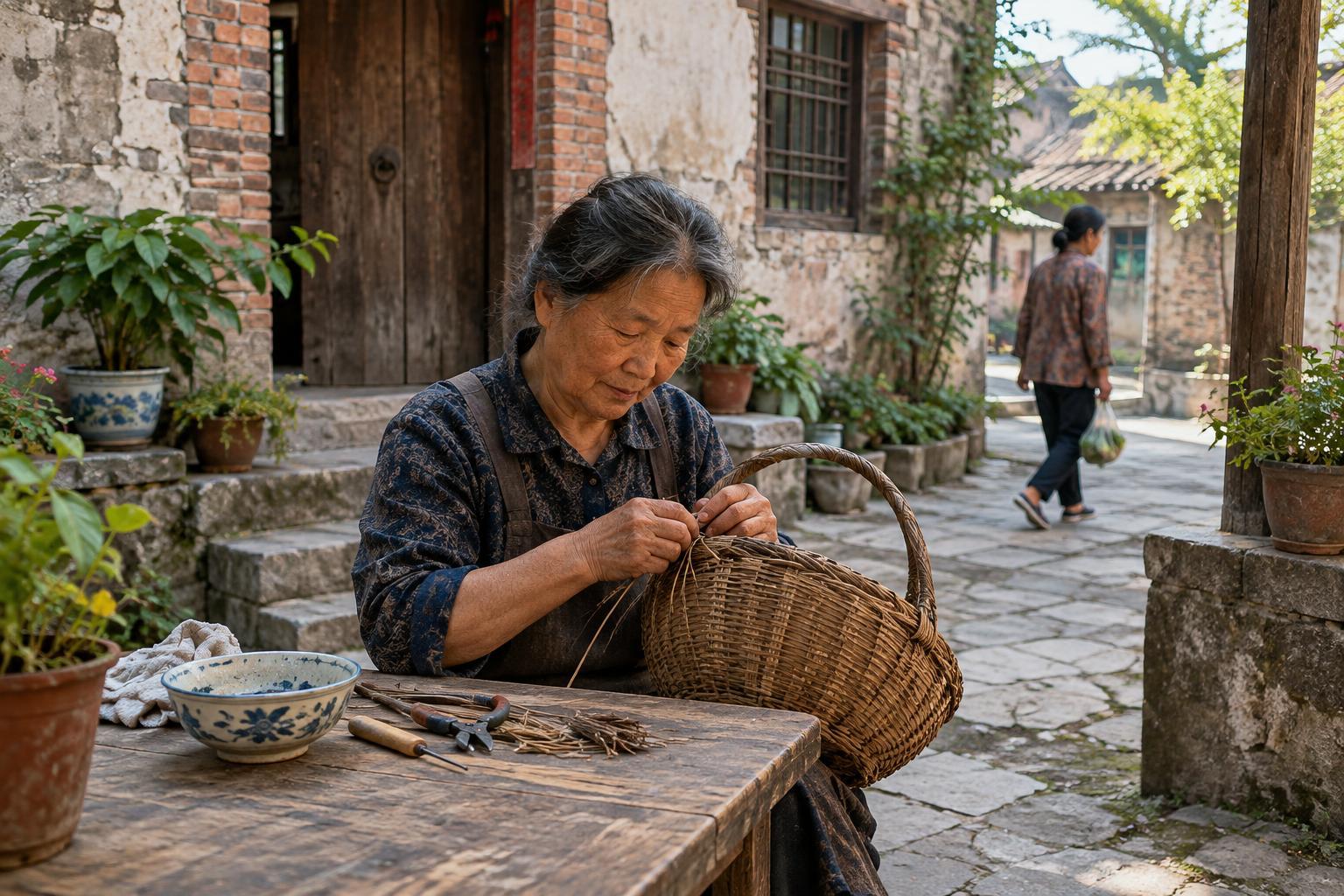
Local HeritageLocal heritage is more than a list of landmarks. It can include ordinary buildings, familiar objects, shared skills, and the ways people use a place. Here is a practical way to notice it without treating every trace of the past as a museum piece.
Read article · 4 min↗