Remember what kind of place you are entering
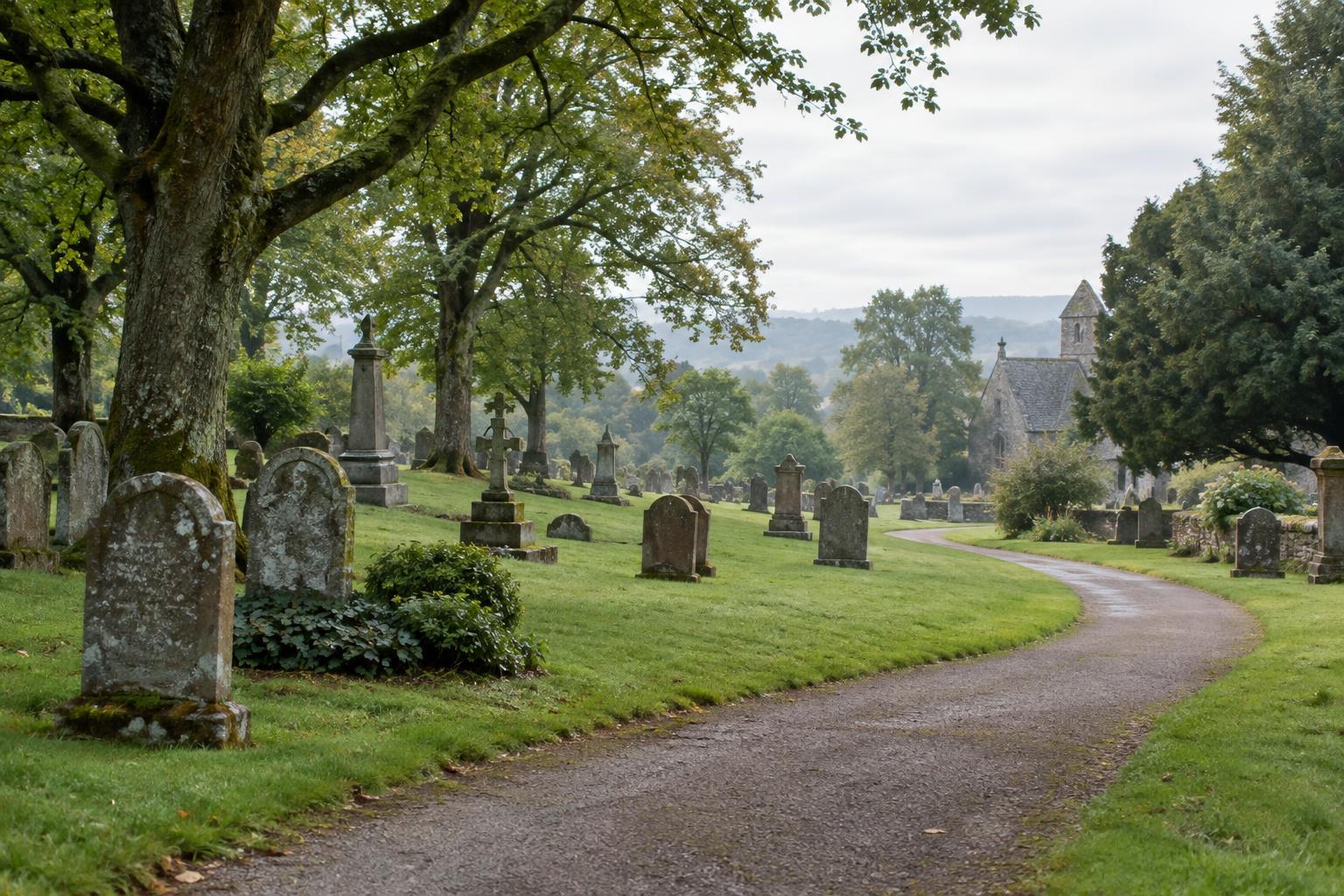
A historic cemetery may feel like an open-air archive. Headstones, paths, trees and changes in memorial style can tell stories about a community. But its historic interest does not make it a museum. People may be visiting a loved one whose death is recent, tending a family grave or taking a quiet moment alone. Let those uses of the place take priority over your wish to explore.
Before visiting, look for information from the cemetery or its caretakers about opening hours, public access, tours and photography. Some grounds have active burial areas alongside older sections; others limit access to protect fragile monuments or maintain privacy. If the rules are unclear, a short visit on established paths is a more considerate choice than treating every corner as open for investigation.
Give mourners space without making them explain
When you notice someone standing at a grave, sitting in reflection or carrying flowers, assume they would prefer not to become part of your visit. Take another path or wait at a comfortable distance rather than walking close to inspect the nearby stones. Avoid staring, listening to a conversation or asking whether a particular grave has an interesting story. Privacy should not depend on a person having to request it.
Funerals and graveside gatherings deserve an even wider margin. If a service is underway, leave that area promptly and quietly. Do not photograph the group, walk behind it to reach a monument or linger within earshot. A cemetery is rarely so large that every route will be convenient; changing your route is a small courtesy.
Keep your voice low and your phone quiet throughout the grounds. If you are visiting with children or a group, agree beforehand to stay together and make room for others on narrow paths. You do not need to whisper at every moment, but the atmosphere should allow someone nearby to grieve without hearing your commentary.
Read the landscape without disturbing it
Stay on marked paths where possible, especially around older stones that may be unstable or ground that may be uneven. Do not lean on monuments, rub inscriptions or move objects to improve a view. A flower, pebble, photograph or small token may have been placed deliberately, even if its meaning is not apparent to you. Leave it as you found it.
If you want to learn from the site, start with its overall layout. Notice how paths connect sections, how planting creates shade and how different markers reflect changing customs. Read inscriptions that are easily visible without stepping into a grave space. A guideboard, leaflet or organized tour can offer context while reducing the temptation to peer into private moments or restricted areas.
Treat upkeep as part of the cemetery’s ongoing life rather than a flaw in its appearance. Fresh soil, maintenance equipment or an undecorated grave need not be interpreted for a travel story. The most respectful observations are often about patterns you can see from shared space, not details you had to cross a boundary to collect.
Be selective with photographs and sharing
Photography rules vary, so check posted guidance before taking out a camera. Even where pictures are allowed, avoid photographing mourners, ceremonies or identifiable visitors. Give recent graves particular care: a name and date that are visible in public can still be deeply personal to the people connected to them. Wide views of paths, trees and older memorial landscapes may convey the character of a place without exposing someone’s private visit.
Before posting an image, ask what it adds and who might encounter it. A caption that identifies a grave as unusual or turns an epitaph into a joke can strip a memorial of its human context. If you cannot make the photograph without blocking a path, standing beside someone in mourning or disturbing an offering, let the image go. Not every meaningful detail needs to be collected or shared.
Let respect shape the whole visit
Plan for an unhurried walk rather than a checklist of graves to find. Visit during permitted hours, leave gates as directed and take any litter with you. If a caretaker or sign asks visitors to avoid an area, follow that guidance without debate. Local customs around dress, offerings and behavior can differ, so observe thoughtfully rather than assuming the practices you know apply everywhere.
A good cemetery visit can deepen your sense of local heritage precisely because it keeps people in view. You may leave with questions about the community, its craft traditions or the way its landscape has changed. You should also leave the grounds as you found them, with mourners free to remember their loved ones without feeling that they have become part of someone else’s itinerary.