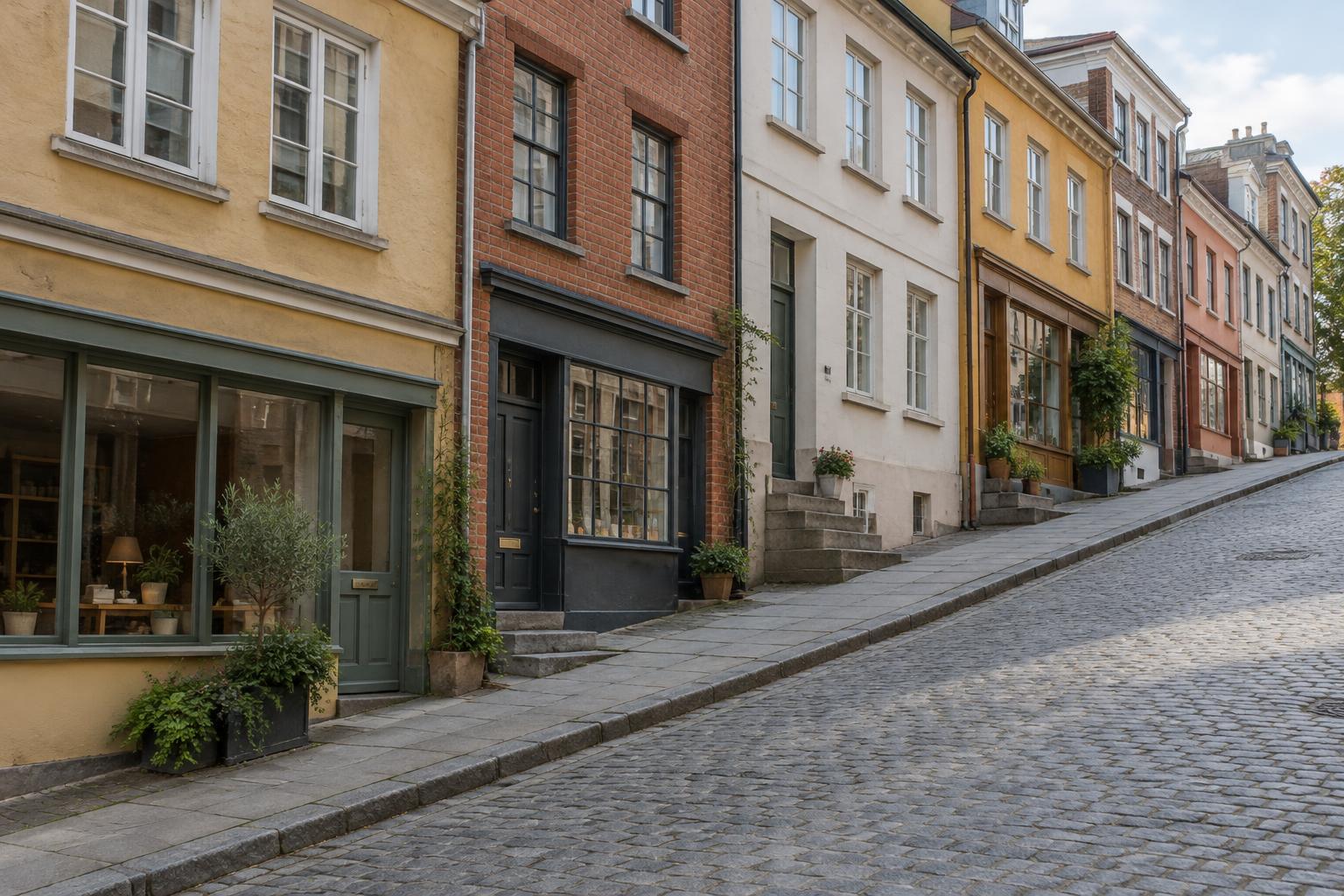
Everyday ArchitectureA sloping street changes more than the view. It can shape entrances, windows, shopfronts and the apparent height of a building. Here is how to notice those changes on an ordinary walk.
Read article · 3 min↗

Everyday ArchitectureA building’s main entrance tells only part of its story. Deliveries, waste collection, maintenance, and staff access often follow different paths. Learn to notice those routes from public spaces without assuming every door reveals its purpose.
Read article · 3 min↗
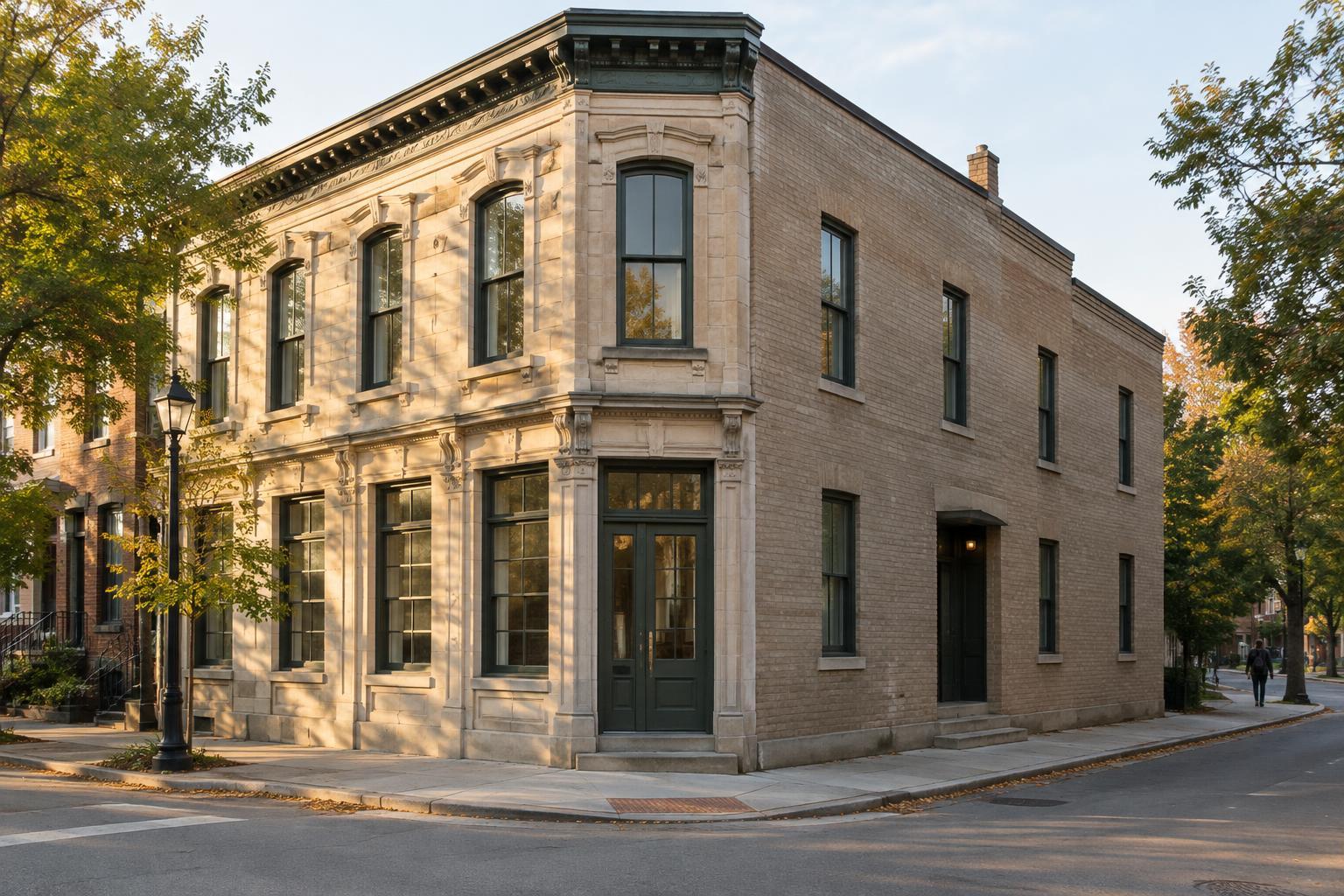
Everyday ArchitectureA corner building faces two streets at once, but it does not have to treat them alike. Its doors, windows and decoration can reveal how the building fits its lot, serves its occupants and responds to the life around it.
Read article · 4 min↗
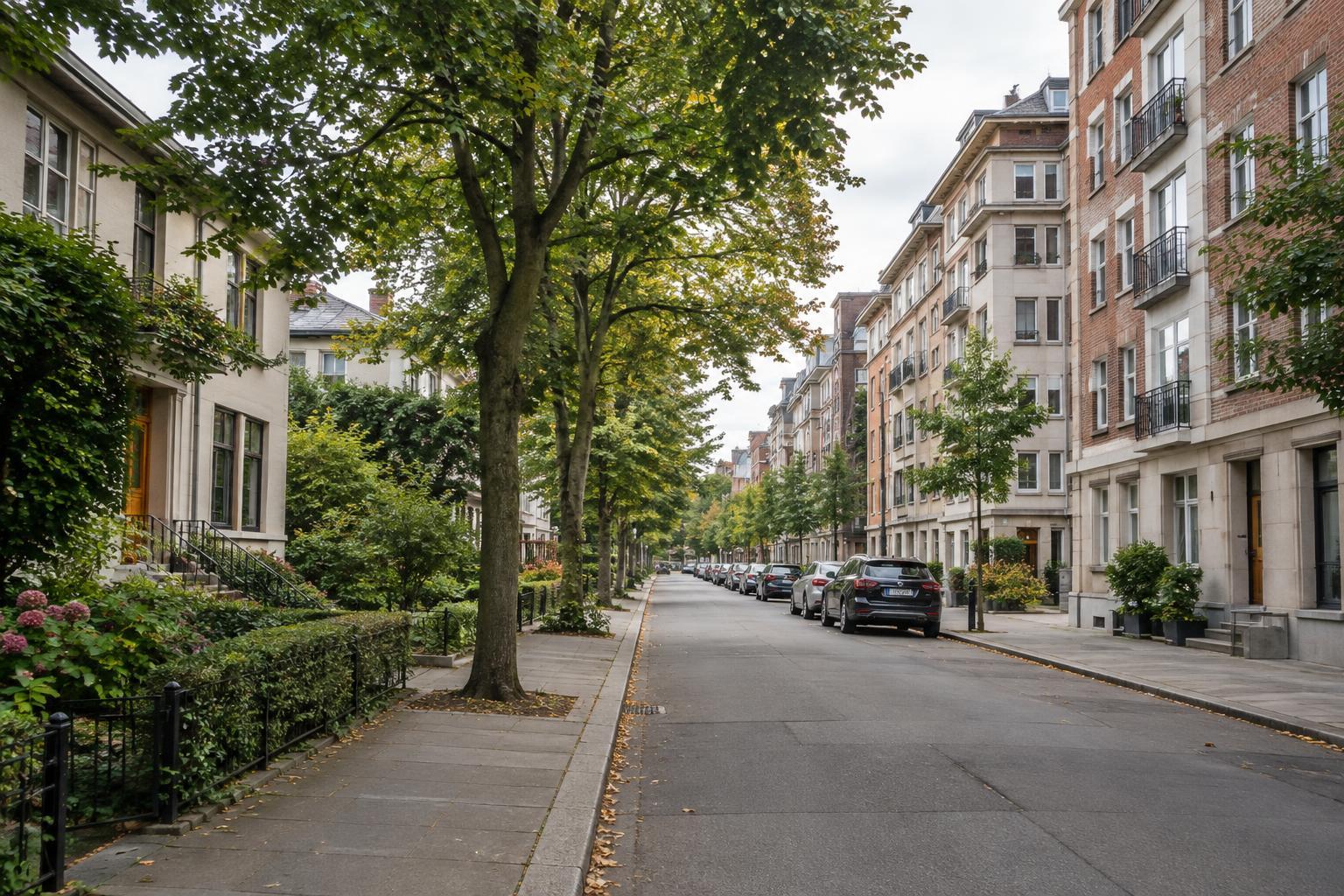
Everyday ArchitectureWhy does one block feel open and leafy while the next feels enclosed? The distance between buildings and sidewalks, and the height of the buildings themselves, can help explain the difference. Here is a practical way to notice those patterns while exploring a street.
Read article · 4 min↗
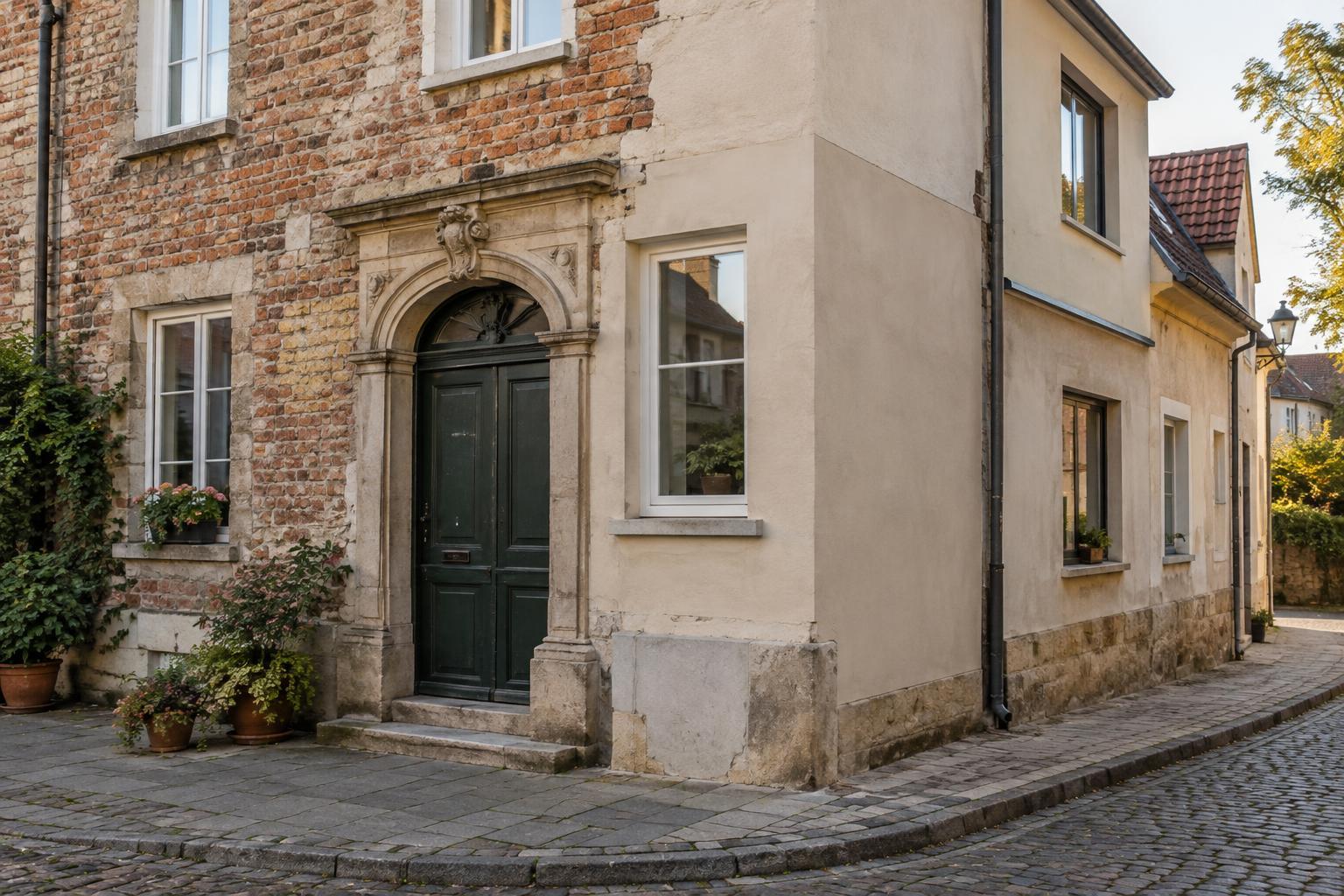
Everyday ArchitectureA brick wall, an ornate doorway or a row of uniform windows can suggest a building’s past without revealing when it was built. Learn how to read everyday architecture more carefully, and why the most useful question is often not “How old is it?” but “Which part am I looking at?”
Read article · 3 min↗
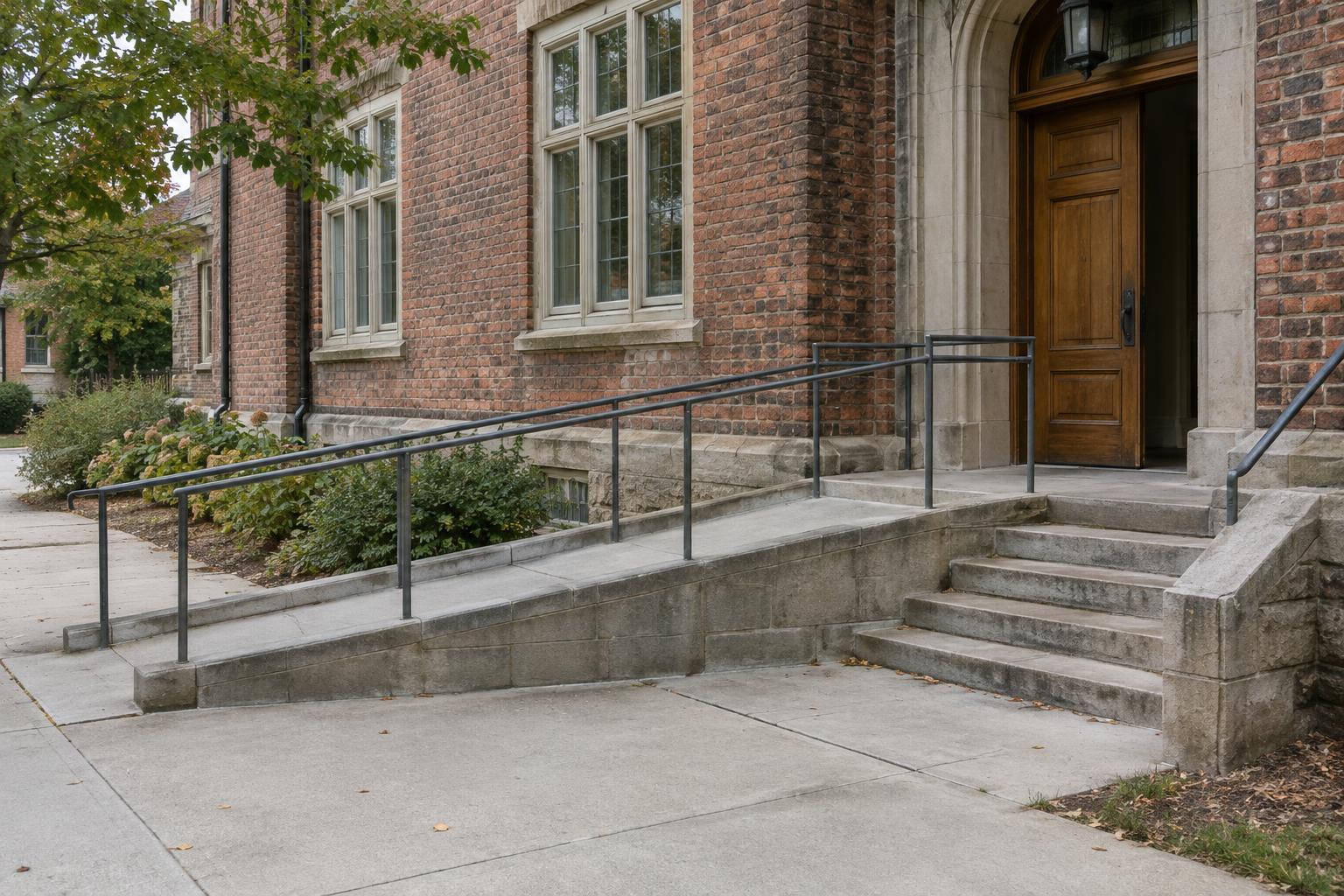
Everyday ArchitectureA ramp beside a familiar doorway or a lift tucked into an old stairwell can reveal a great deal about how a building changes over time. Here is a practical way to notice the design choices behind more accessible entrances and routes.
Read article · 4 min↗
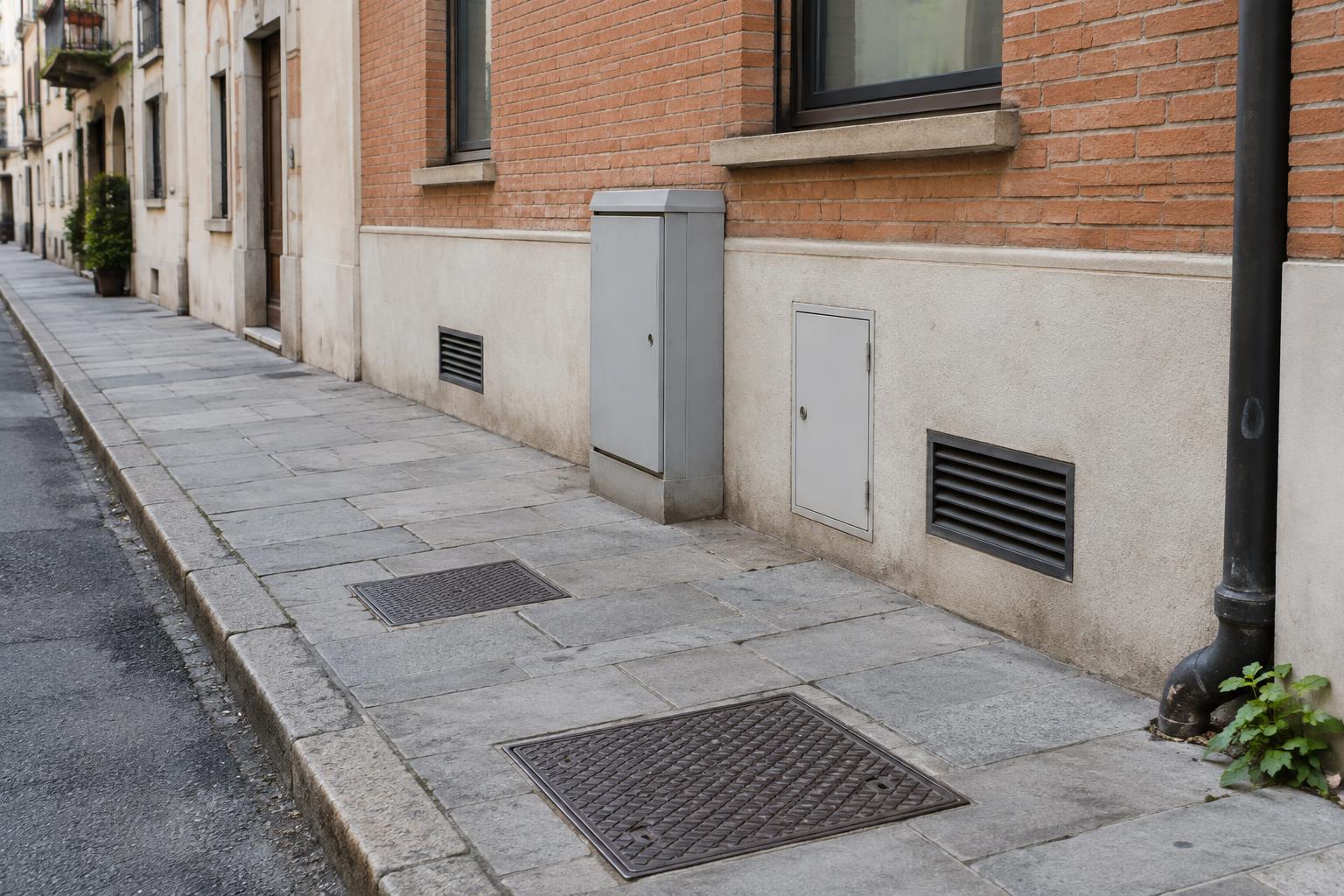
Everyday ArchitectureA building’s quiet working parts often sit in plain sight. Learn how to notice vents, meter boxes, service doors, and pavement covers—and what they can reveal about the design of an ordinary street without disturbing the people who use it.
Read article · 4 min↗
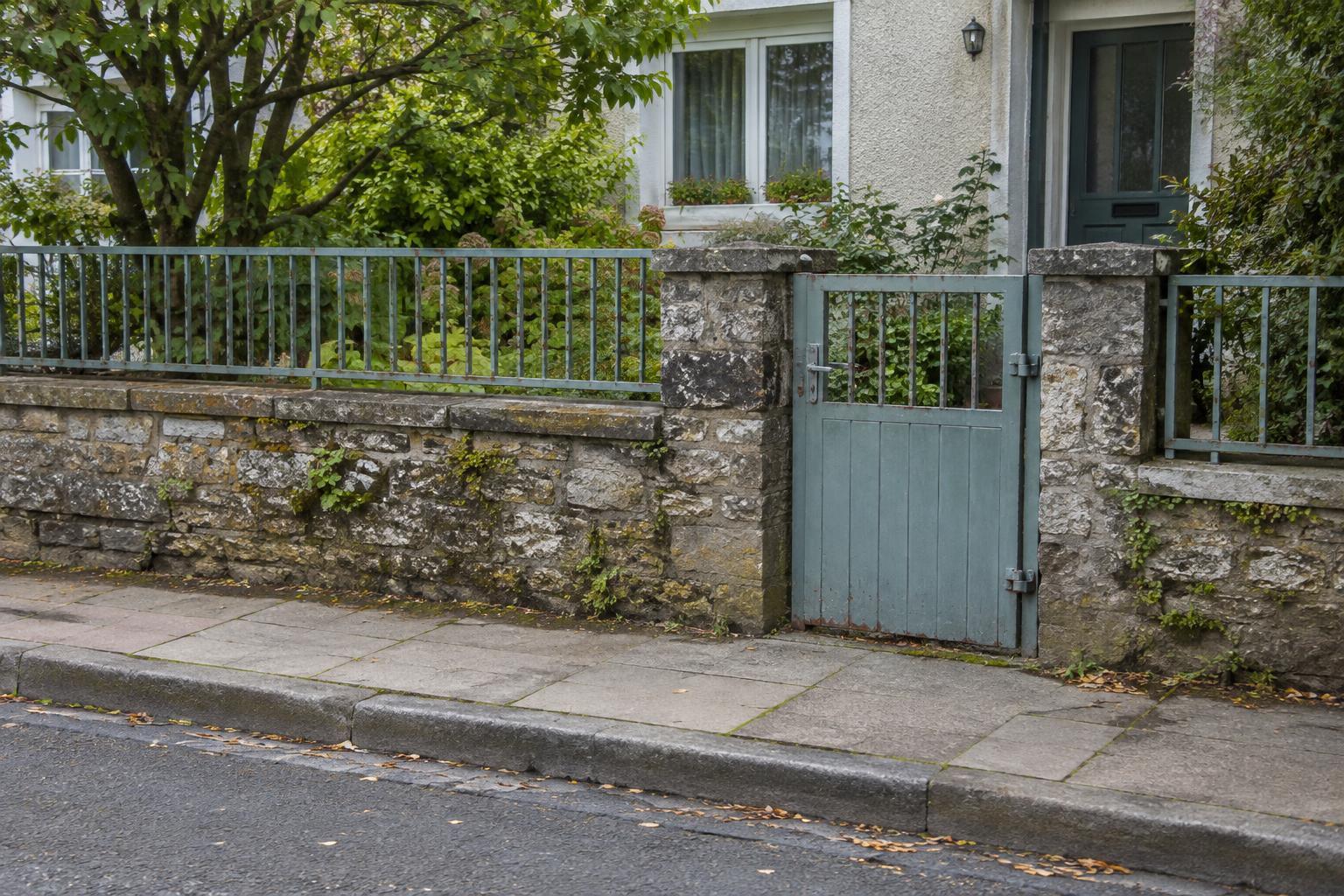
Everyday ArchitectureThe edge of a property can tell a story about materials, weather, daily routines, and the relationship between private and public space. Here is a practical way to notice fences, gates, and walls without mistaking a first impression for the whole story.
Read article · 4 min↗
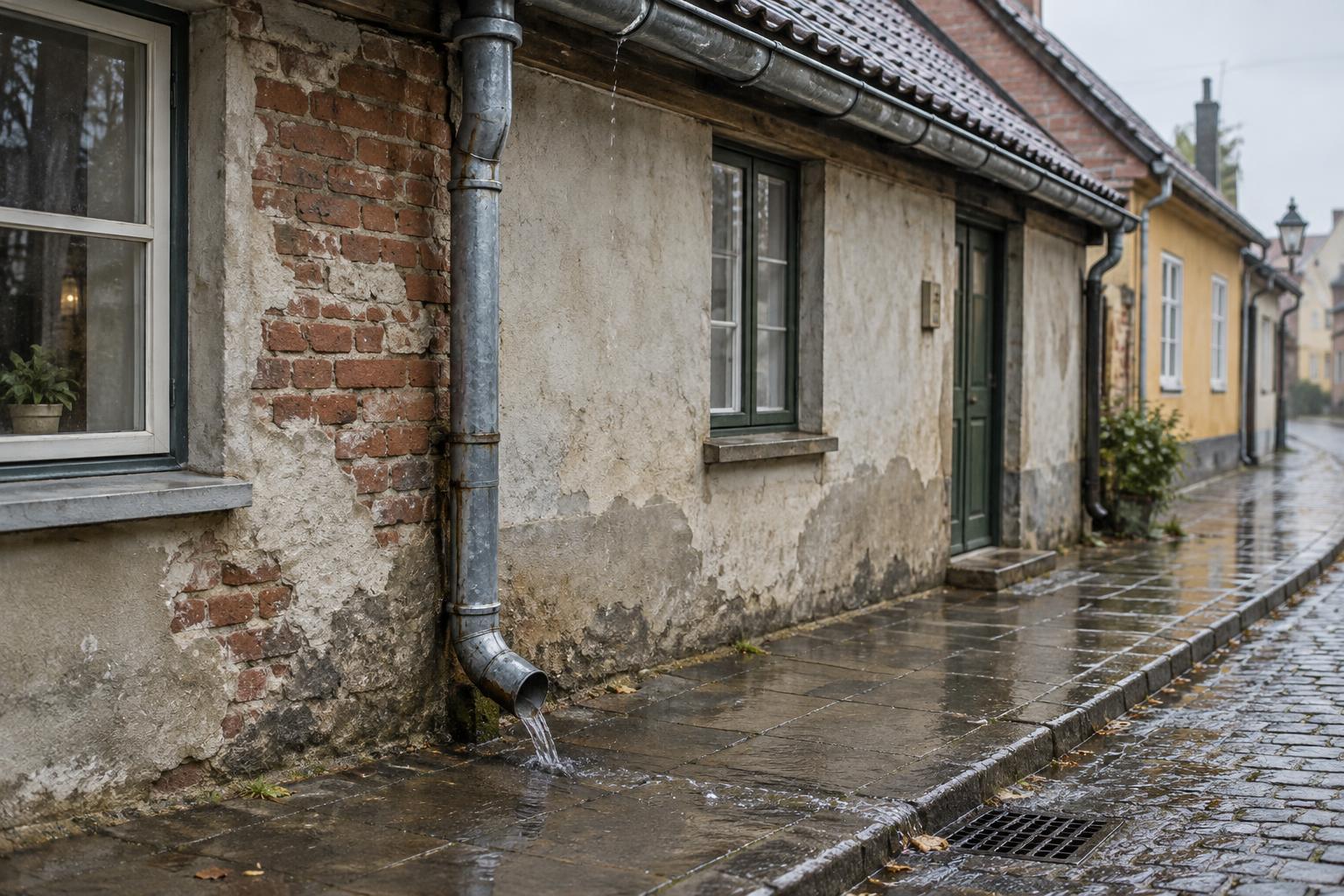
Everyday ArchitectureRainwater leaves clues about how a building was designed, repaired, and fitted into its street. Follow its route from roof edge to pavement to see an overlooked layer of everyday architecture.
Read article · 4 min↗

Everyday ArchitectureAn old workshop becomes a café; a former school becomes housing. Learn to spot the doors, windows, signs and spaces that hint at a building’s earlier life, without assuming every unusual detail tells the whole story.
Read article · 3 min↗
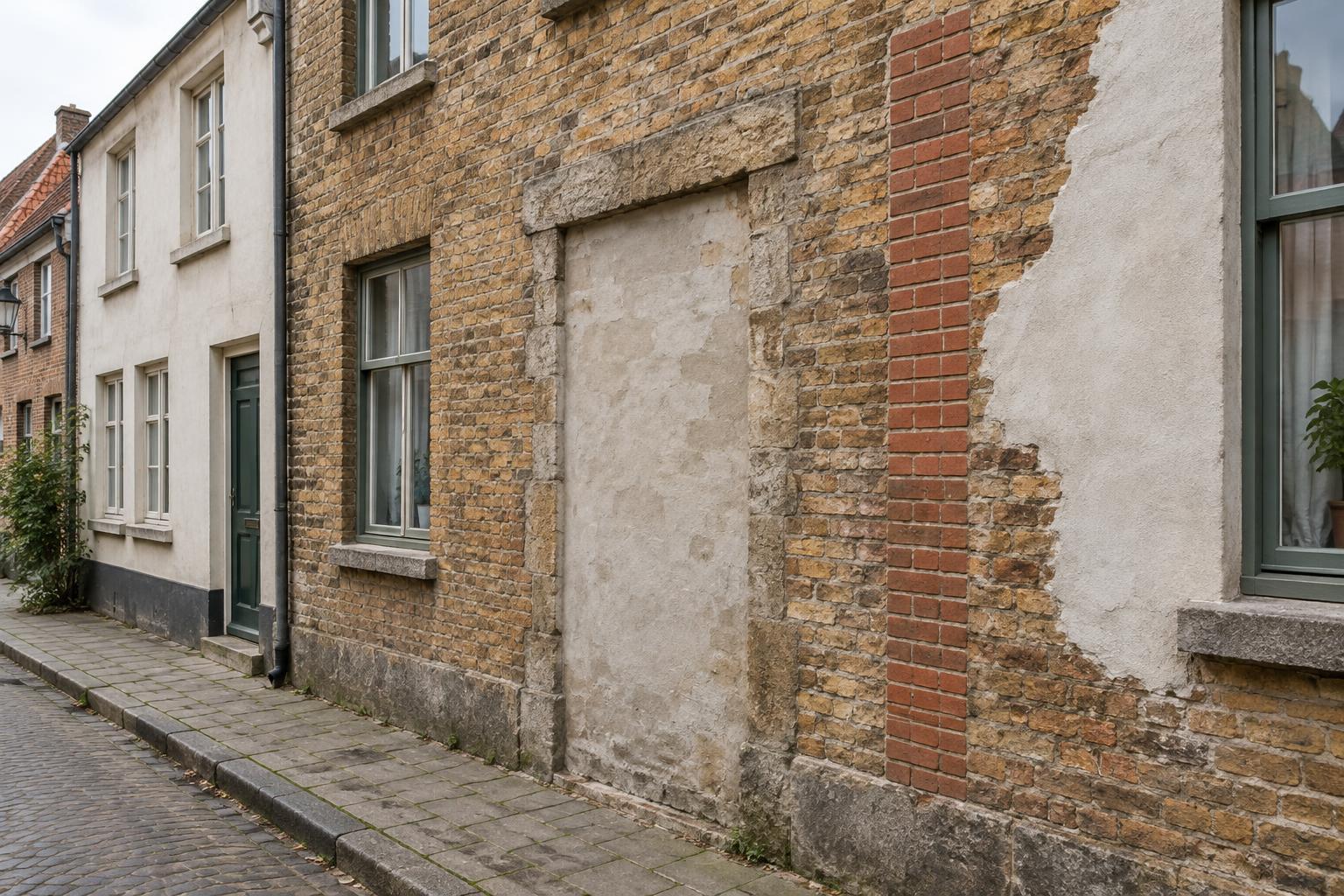
Everyday ArchitectureA filled doorway, a strip of new brick, or a patch of fresh plaster can reveal how a building has changed. Learning to notice repairs adds depth to a walk without turning ordinary maintenance into a mystery.
Read article · 4 min↗
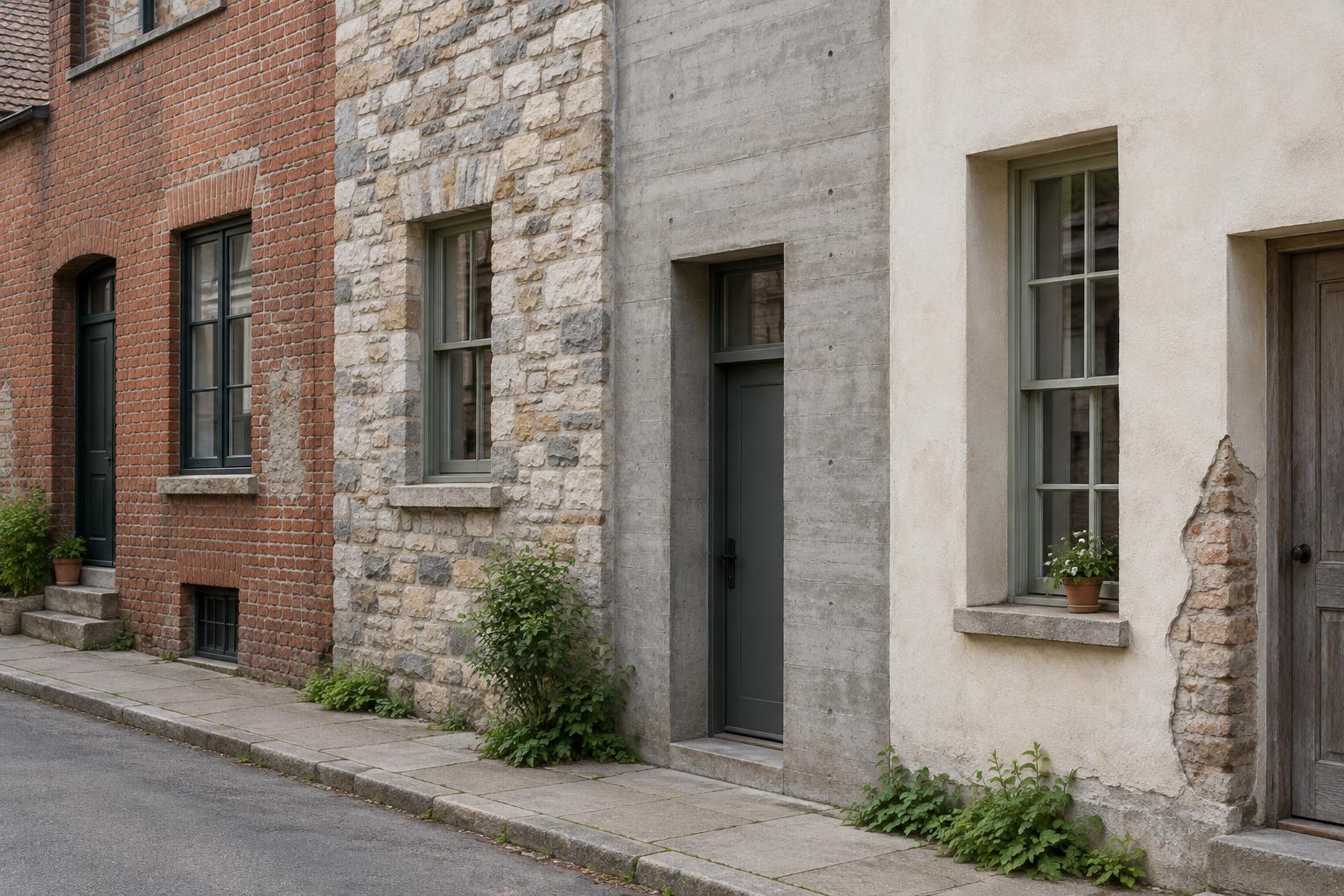
Everyday ArchitectureThe walls of an ordinary street can tell you a great deal—if you know what to look for. Learn to distinguish four common building surfaces, notice their textures and repairs, and stay curious when appearances are misleading.
Read article · 4 min↗

Everyday ArchitectureA balcony, porch, or stoop can be a place to sit, greet a neighbor, dry laundry, or simply get some air. Looking closely at these familiar spaces reveals how buildings meet streets, climates, and daily routines.
Read article · 4 min↗
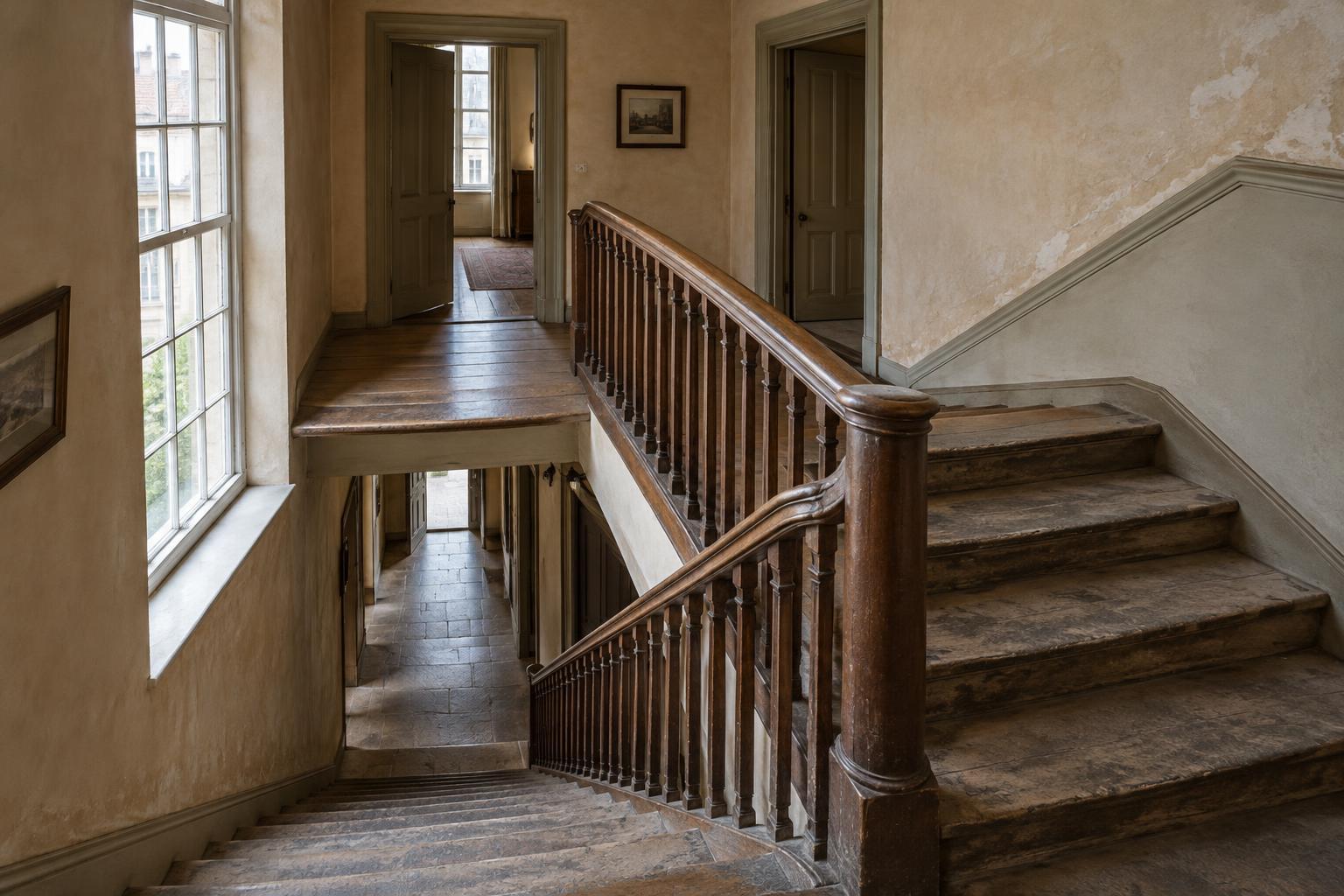
Everyday ArchitectureA staircase can show how people were expected to enter, move through and share an older building. Its position, width, landings and connections offer clues to everyday routines, though later alterations can change the story.
Read article · 4 min↗
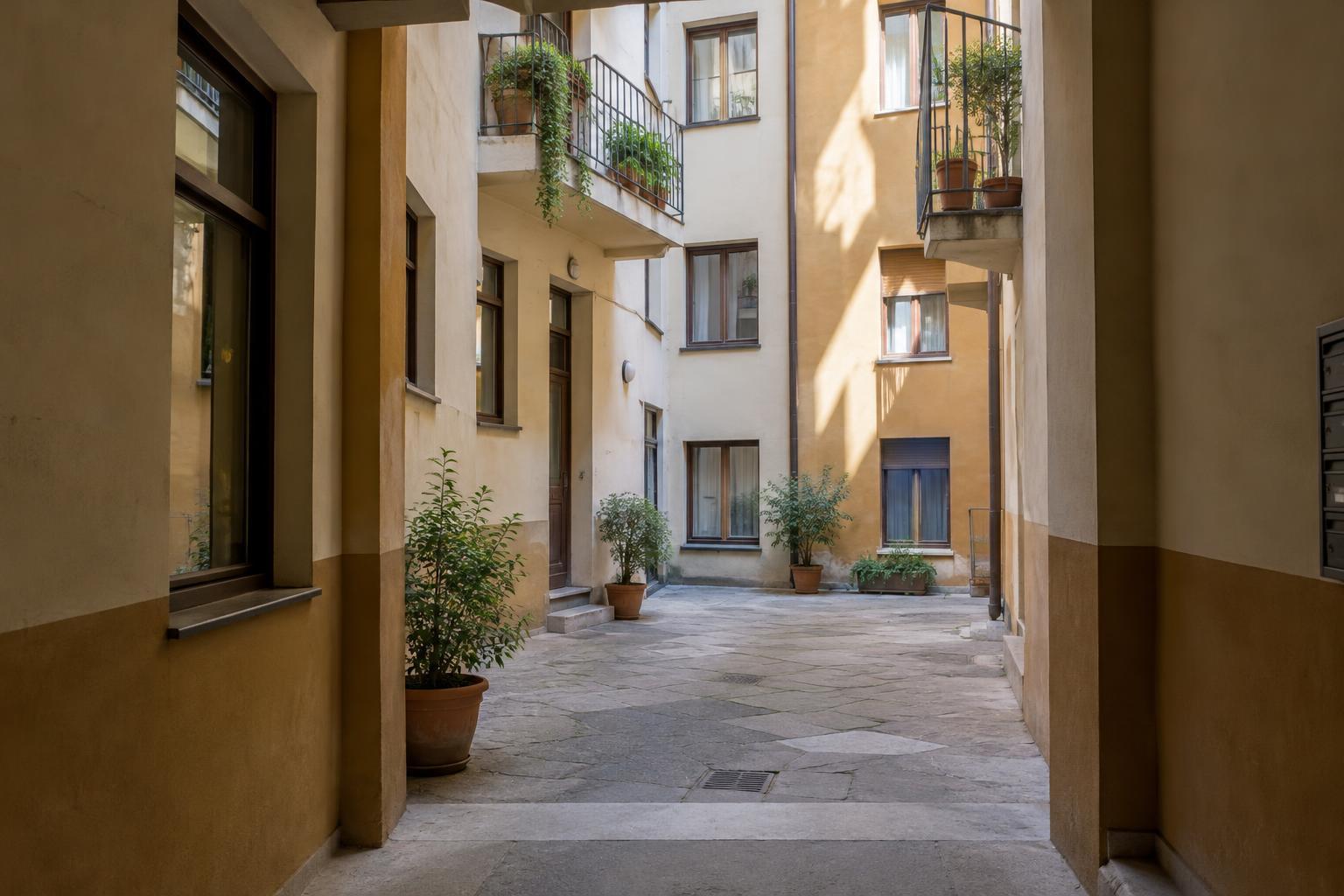
Everyday ArchitectureA gap inside a building can do more than let in light. Courtyards and light wells shape ventilation, privacy, circulation and daily life. Learning to notice them offers a new way to read the ordinary buildings around us.
Read article · 4 min↗
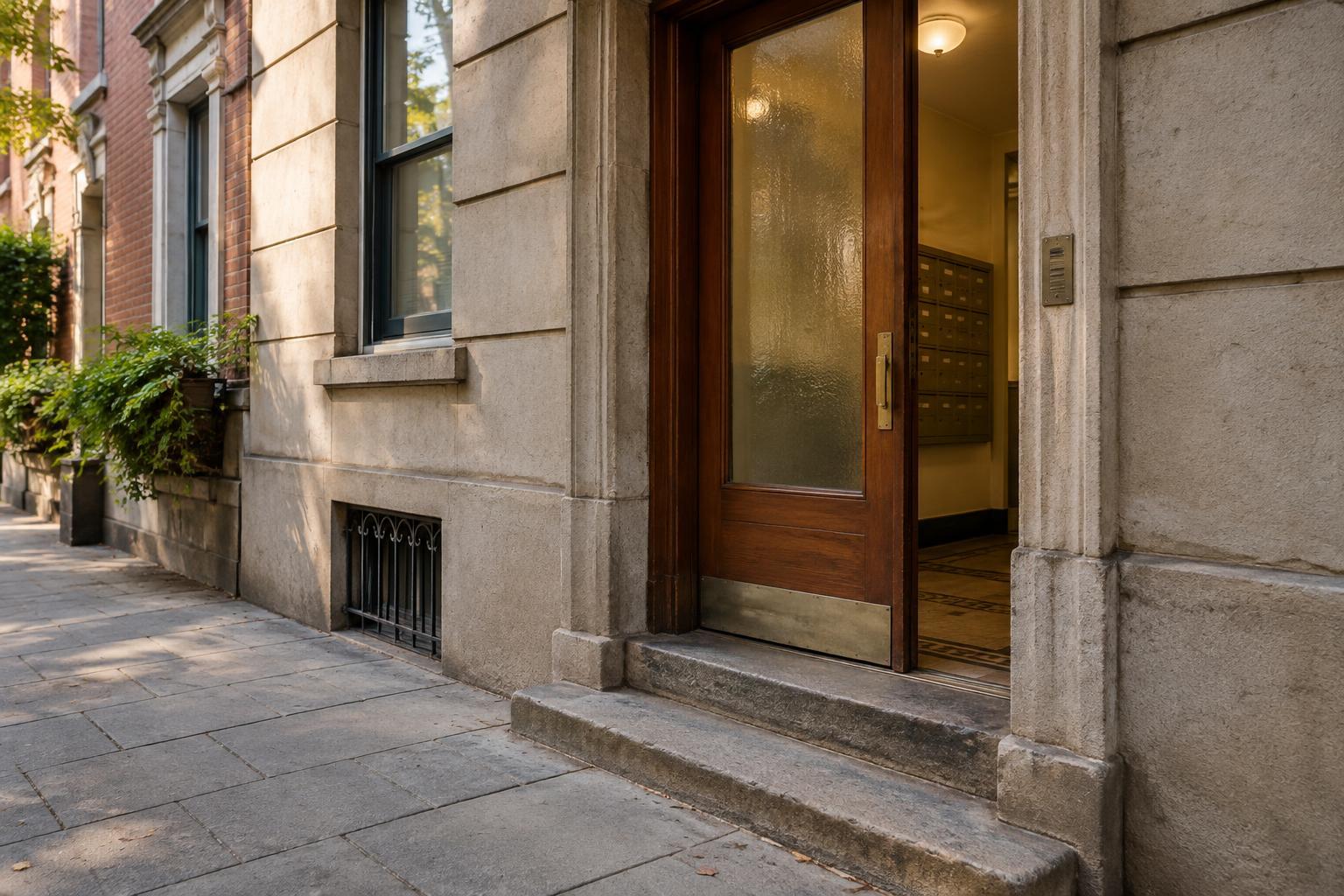
Everyday ArchitectureAn apartment entrance has to welcome residents and visitors while keeping domestic life from spilling into the street. From recessed doors to shared lobbies, small design choices make that boundary easier to navigate.
Read article · 4 min↗
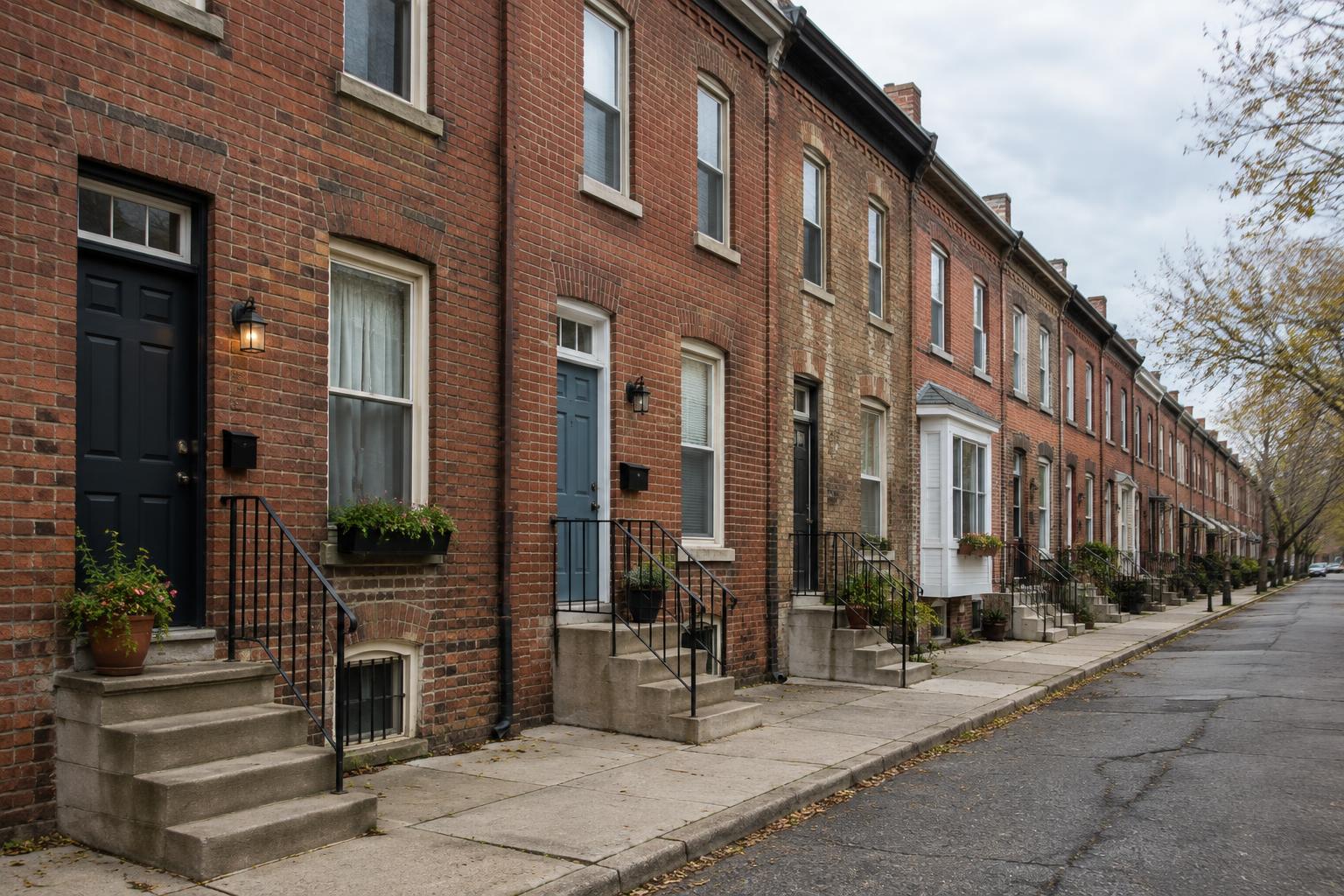
Everyday ArchitectureA row of similar houses can reveal how a street was divided, built, and changed over time. Look past the repeating façades to see what shared walls, narrow lots, and small alterations tell us about everyday architecture.
Read article · 4 min↗

Everyday ArchitectureA shopfront can show decades of change in a few metres of street. Learn how to look at its frame, windows, signs and materials without assuming that every old-looking detail is original.
Read article · 4 min↗
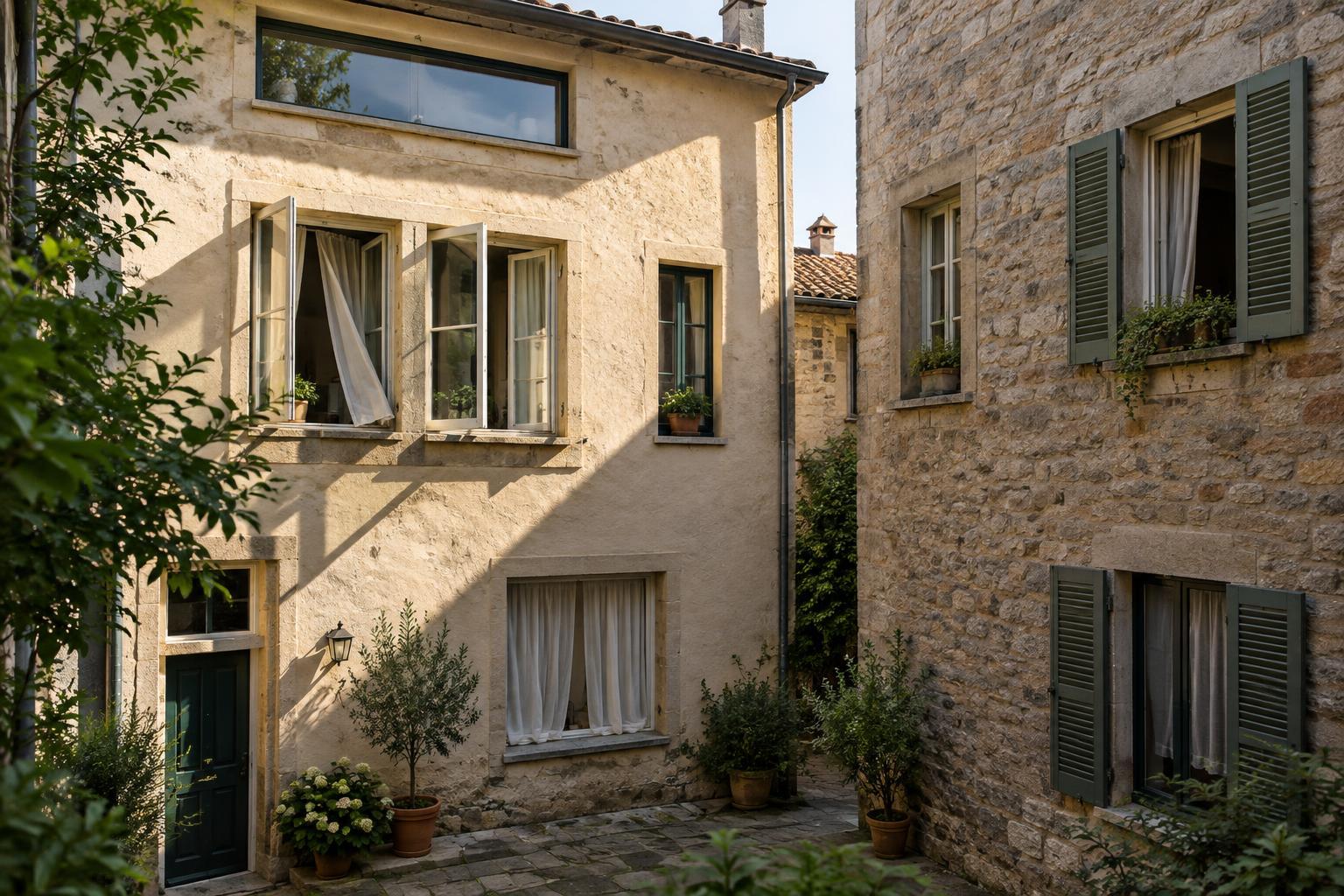
Everyday ArchitectureA window is more than a view. Its height, orientation, spacing, and relationship to nearby buildings can offer clues about how a room gets light and air—and how its occupants balance openness with privacy.
Read article · 4 min↗

Everyday ArchitectureA roof does more than finish a building’s outline. Its slope, edges, and drainage details can offer clues about how people manage rain, shade rooms, and make space for snow. Here is a practical way to read those choices while walking through a neighborhood.
Read article · 4 min↗
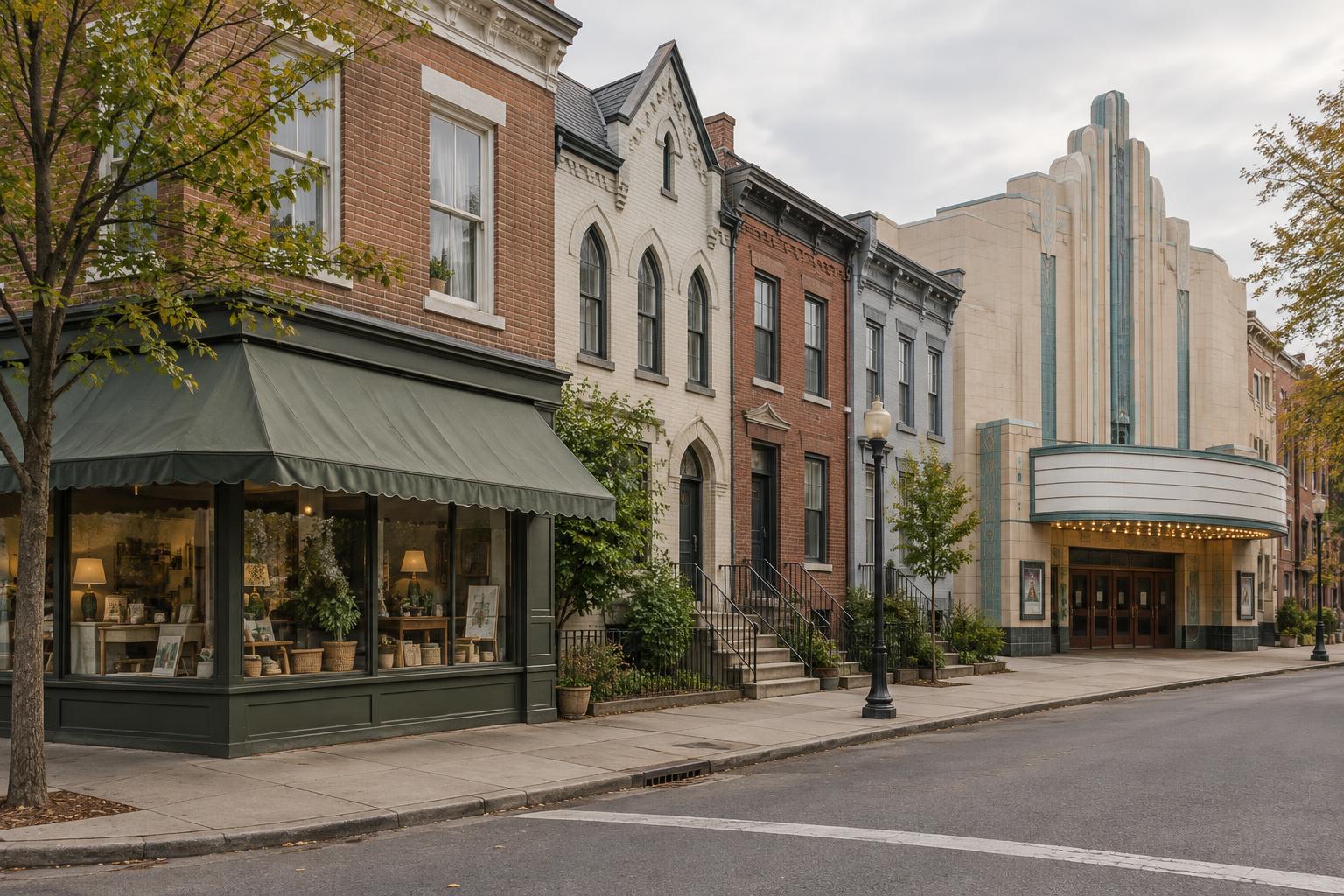
Everyday ArchitectureA corner shop, a row house and a cinema describe kinds of buildings. Art Deco and Gothic Revival describe ways buildings may look. Learn how to separate type from style—and what to notice when the answer is less clear.
Read article · 3 min↗
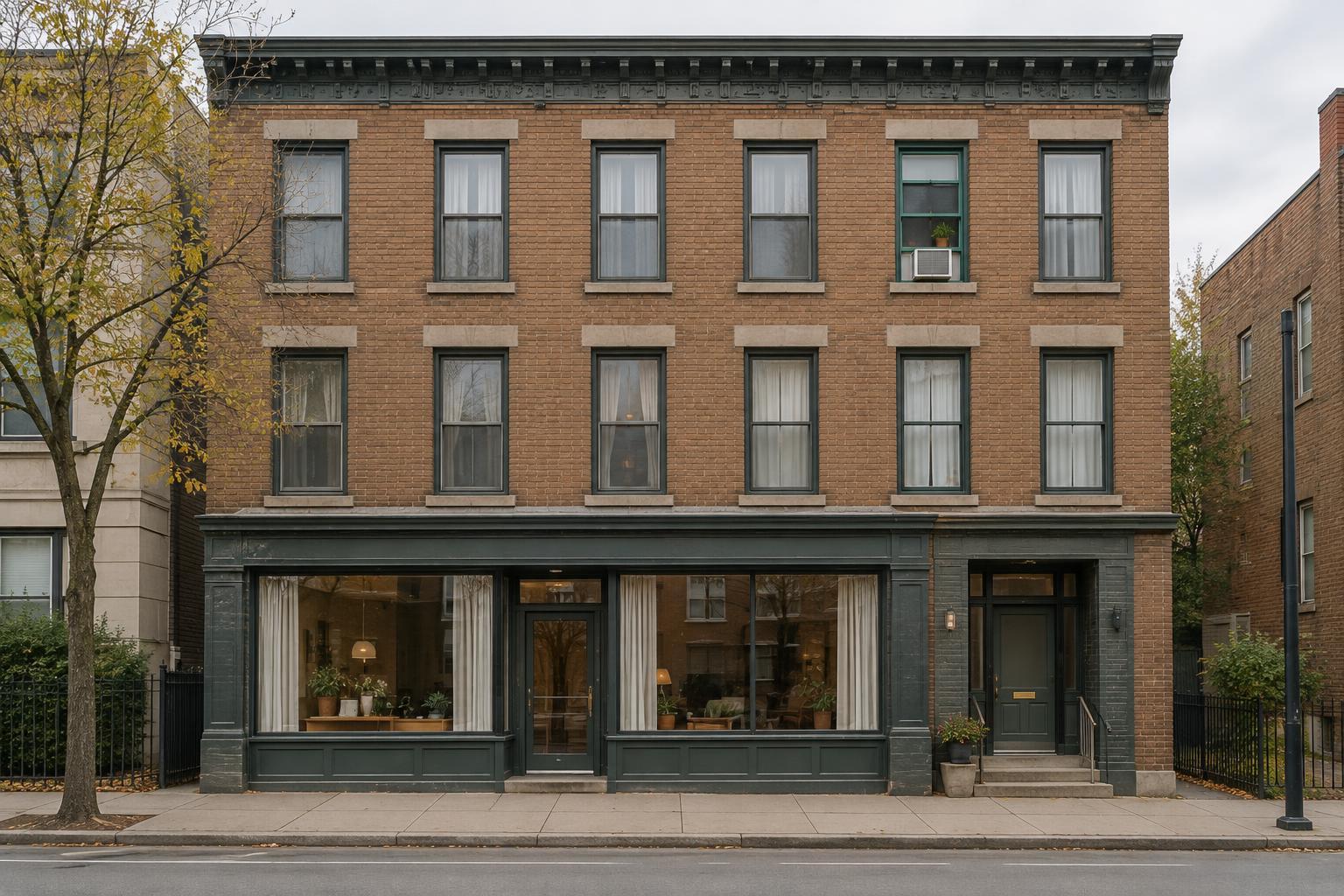
Everyday ArchitectureAn ordinary facade can tell you how a building meets the street, organizes its floors, and makes room for different uses. Learn to notice entrances, floor lines, and repeating bays without assuming you know the whole story.
Read article · 4 min↗