Start with the whole building
Windows can make an ordinary building surprisingly interesting to look at. A row of openings may follow the rhythm of rooms inside, while one unusually high window may suggest a stair landing, a bathroom, or a need to keep a room private. None of those readings is certain. Renovations, changing uses, and the shape of a lot can all disrupt an apparently simple pattern.
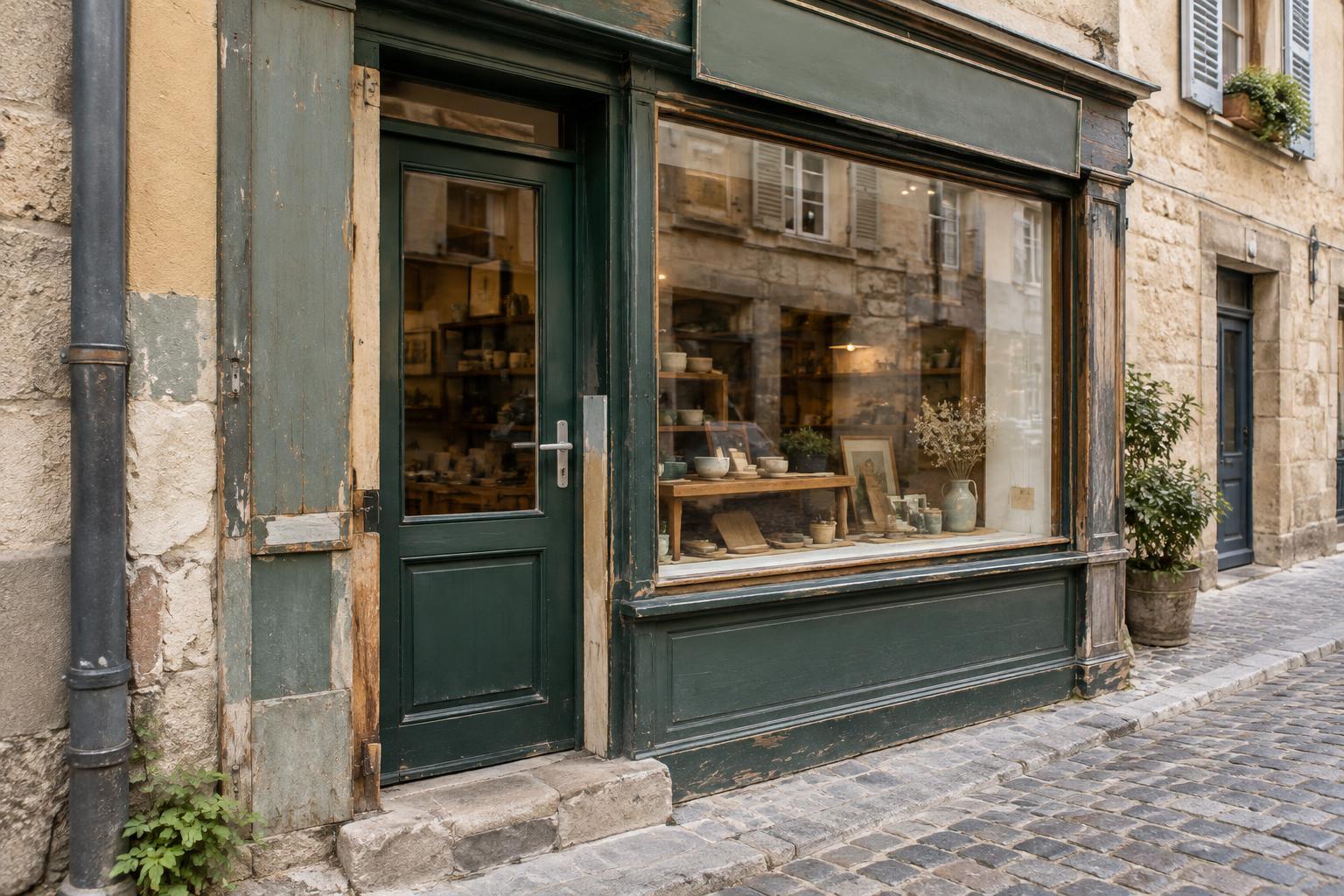
Begin by looking at the building as a whole rather than trying to decode one pane. Where is the street? Which sides face a courtyard, an alley, or another wall? Are the windows evenly spaced, clustered at one end, or different from floor to floor? These relationships often reveal more than a window’s style. They show the choices available to the people who built or adapted the place.
Follow the available light
A window’s position affects not just how much daylight enters a room, but where that light falls. A high window can carry light deeper across a ceiling while leaving wall space below for furniture or storage. A wide opening may brighten the area beside it but offer less light to the far end of a long room. In a narrow building, windows on a rear wall or around a small courtyard may be especially important because the side walls have few openings.
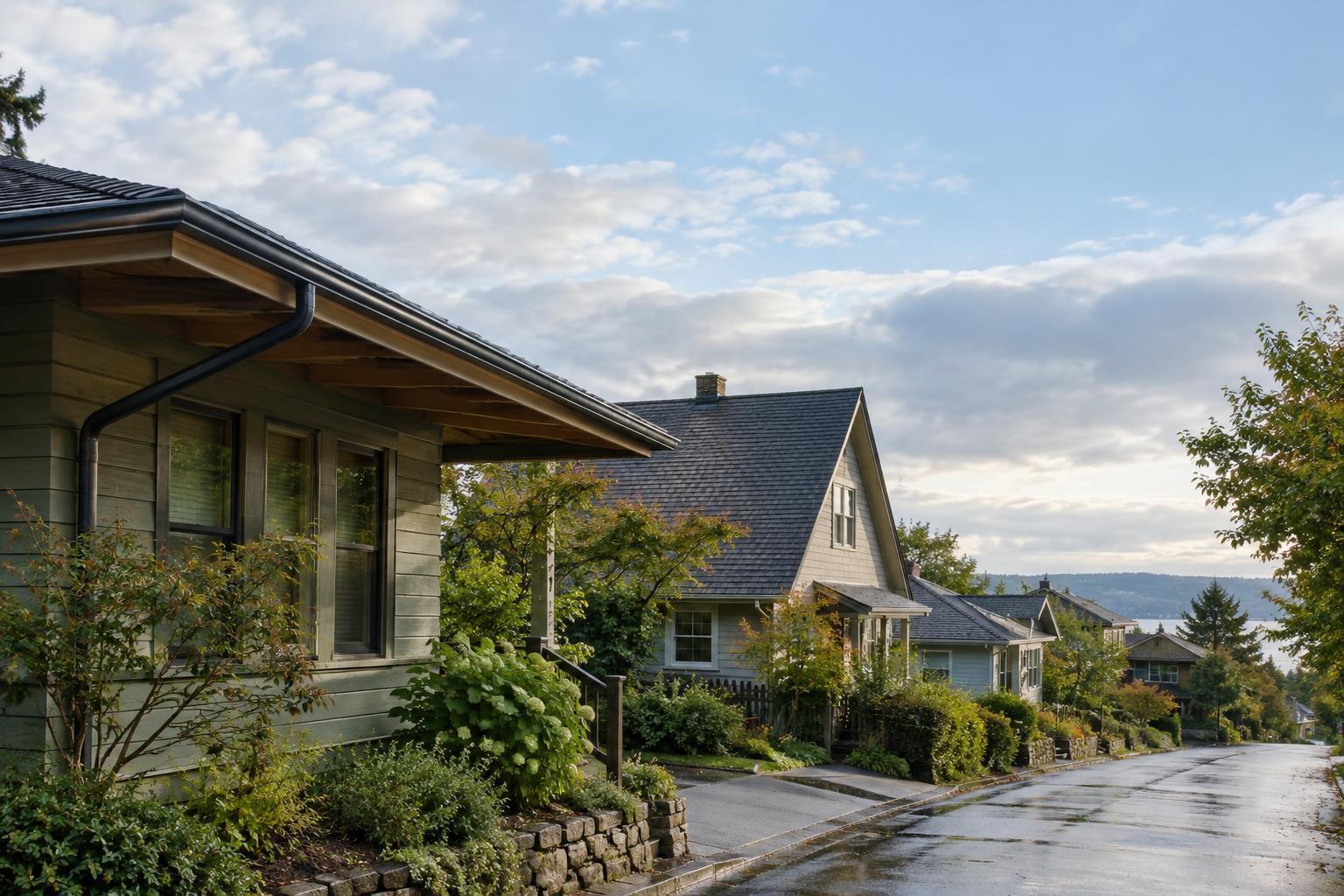
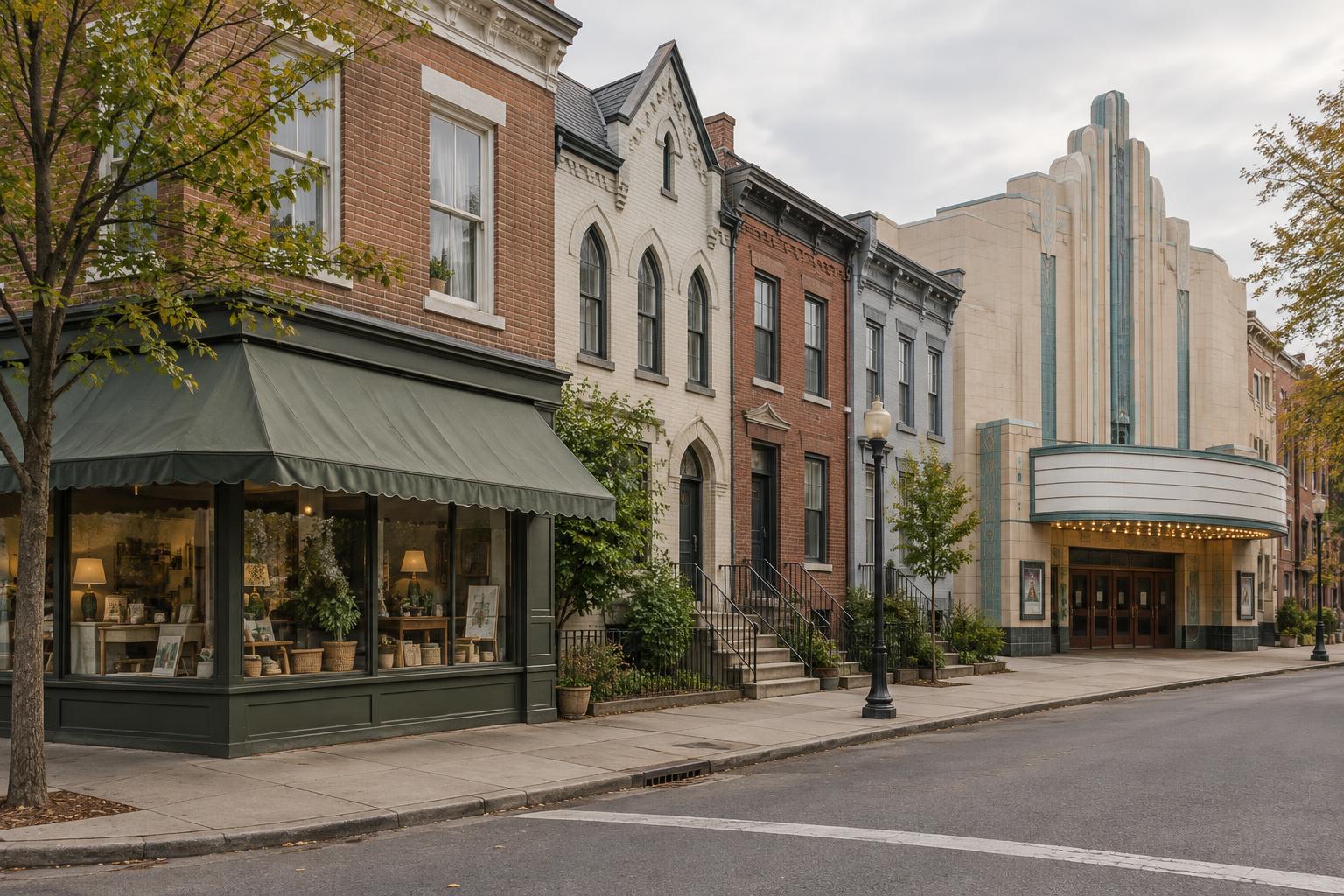
The surroundings matter as much as the glass. A window facing a close neighbor may admit less daylight than a smaller one facing open sky. Deep recesses, balconies, shutters, and overhangs can soften glare or provide shade. When walking through a neighborhood, compare similar buildings on opposite sides of a street. Their windows may look alike, yet the rooms behind them can experience daylight quite differently over the course of a day.
Look for paths that air could take
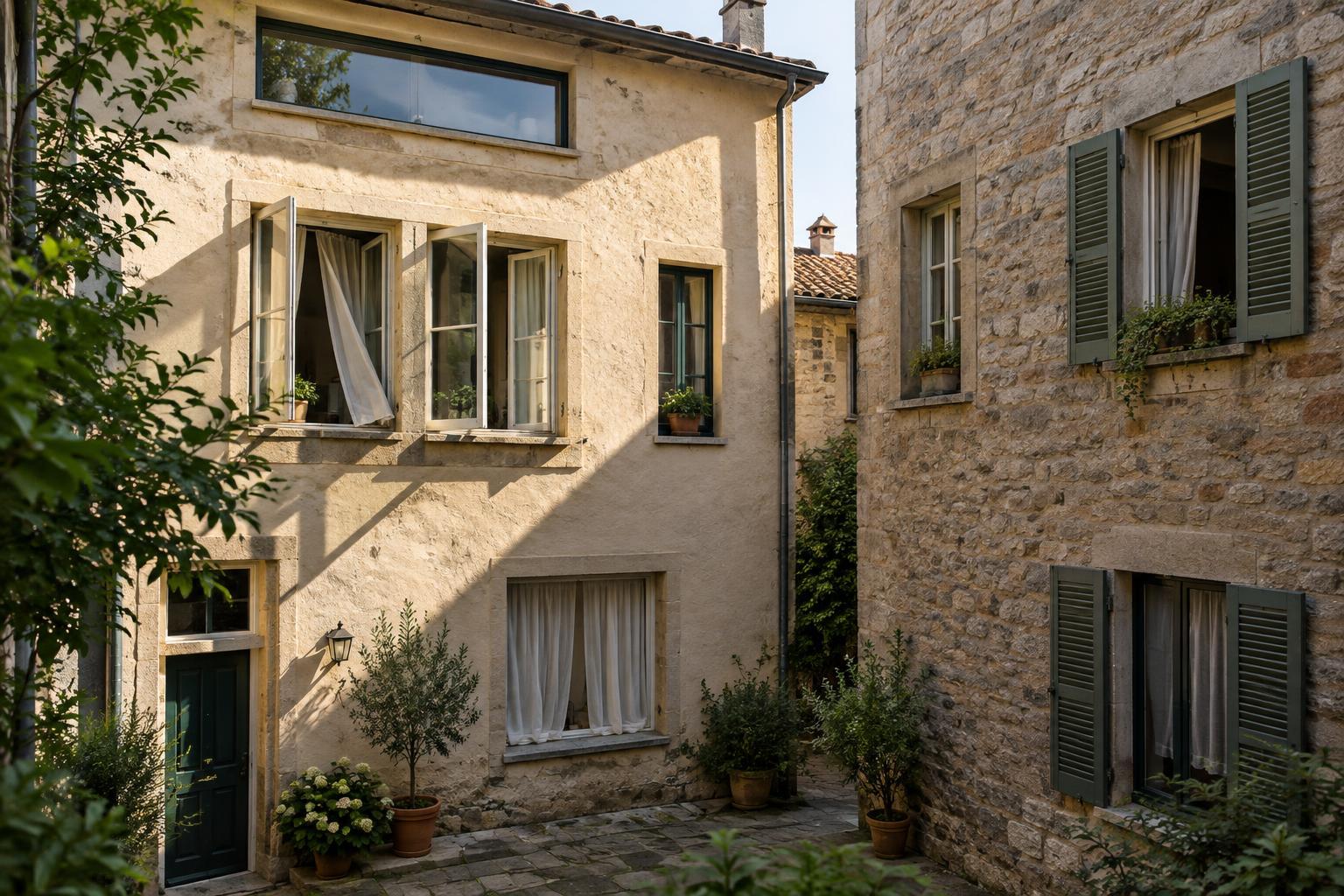
Windows also offer clues about ventilation, though an opening does not guarantee fresh air: it has to be operable, and someone has to be able to use it. Openings on different sides of a room or building can create a path for air to move through. Windows facing a courtyard, an alley, or a rear garden may provide another route when street-facing windows are kept closed because of noise or dust.
Placement at different heights can matter too. High vents or upper sashes may give warm air a way out, while lower openings admit air closer to where people sit. Screens, shutters, and grilles can make ventilation more practical by providing some protection or control. Rather than assuming a particular design works well, ask what else affects it: nearby walls, seasonal weather, traffic, and whether the openings can be reached and adjusted.
Notice how windows manage being seen
Privacy is rarely a matter of simply having or not having a window. A sill set above eye level can let in light while limiting views between indoors and outdoors. Frosted glass, angled openings, shutters, curtains, and planted edges can create similar compromises. On a dense street, an upper-floor window may be larger than one at ground level because passersby have less direct sight into it.
The relationship between buildings is particularly revealing. Two neighboring windows may be offset rather than placed directly opposite each other. A courtyard-facing room may open toward shared space but use a screen or a recessed window for a little distance. These features can reflect a wish for privacy, but they may also follow structural needs or later alterations. Read them as possibilities, not as evidence about the lives of the occupants.
Read with curiosity, not certainty
A useful way to observe window placement is to choose one block and ask three questions: Where could daylight enter? Where could air travel if windows were open? From where could someone look in? Then look for features that complicate your first impressions, such as a shaded balcony, a blocked former opening, or a newer window that interrupts an older pattern.
Keep the observation public and respectful. There is no need to peer through glass or photograph interiors to appreciate how a facade works. From the sidewalk, windows offer enough to think about: the constraints of a narrow plot, the pull of an open courtyard, and the everyday balancing act between light, air, and privacy. Their most interesting lesson may be that even a modest building is the result of many overlapping decisions.