One building, two public faces
Most buildings along a street meet the public on one side. A corner building meets it on at least two, and each side may have a different job. One street might carry more pedestrians, while the other offers a quieter place to enter. A shop may want windows facing both directions, while residents or office workers need a door that feels separate from the shop. What looks like an uneven design may be a careful division of uses.
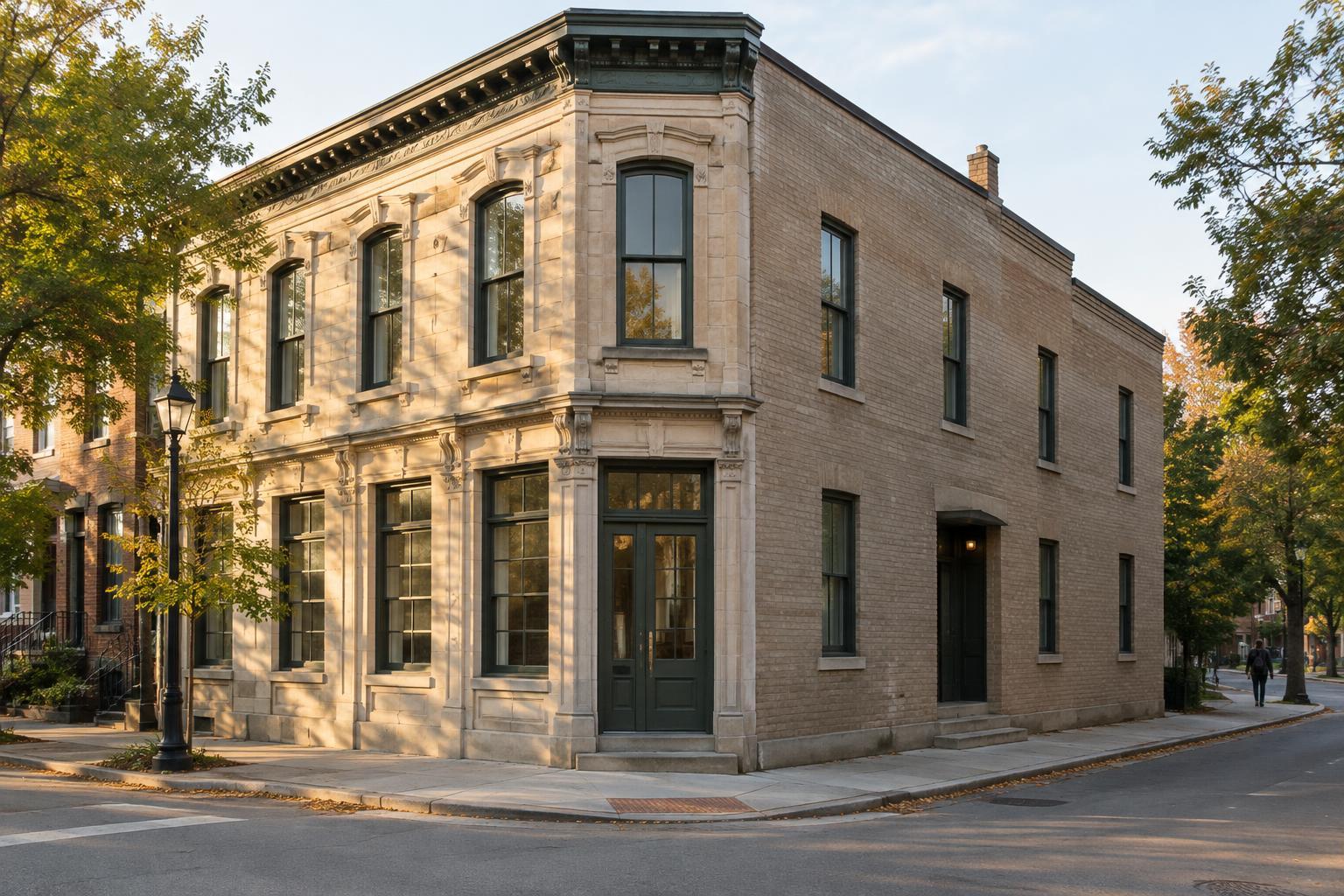
The corner itself adds a decision. A building can turn sharply, round off, or present a short diagonal wall between the two streets. That shape may make room for a doorway, improve the view around the corner, or simply follow the boundaries of the lot. None of these features proves why a particular building was designed as it was, but each offers a clue about the choices its builders faced.
Why the main door is not always on the busiest street
A prominent corner entrance can welcome people approaching from either direction. It is particularly useful for a ground-floor business that wants to be easy to find. Yet placing the door on the corner also uses space that might otherwise hold a display window. Where interior space is tight, a doorway farther along one facade may allow a more useful room layout.
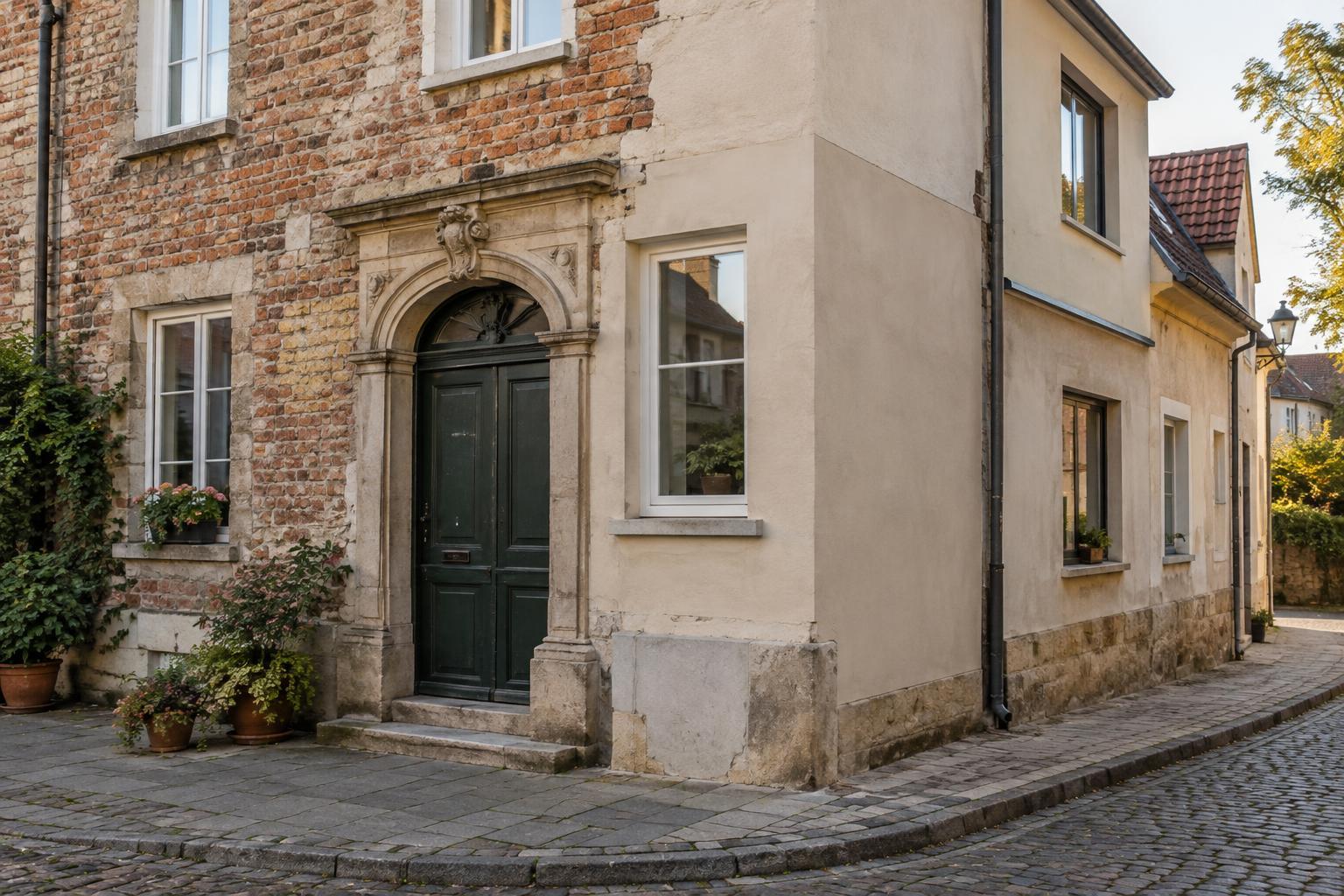
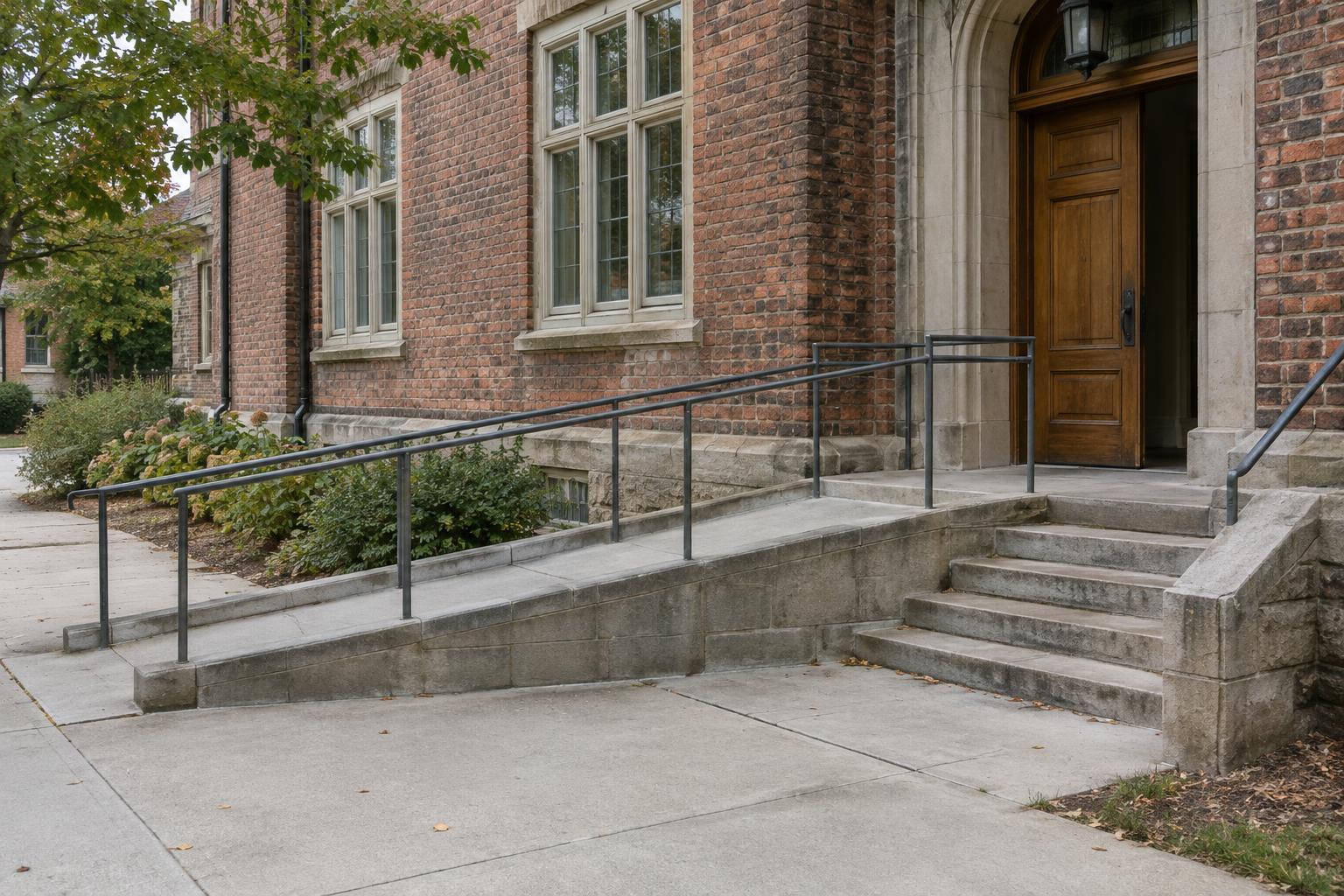
Separate entrances can also help different occupants share a building. A shop door may open onto the more active pavement, while a door to upper-floor apartments sits on the side street. Service access, if present, may be placed elsewhere again. These arrangements can change over time: a doorway that appears unusually narrow or off-center may reflect an earlier use, an altered shopfront, or a later attempt to divide the property.
Why one facade gets more attention
Look at the windows, materials and ornament on each side. The facade facing a commercial street might have broad ground-floor glazing and a sign space, while the side-street wall has smaller windows and simpler finishes. A builder may have spent more on the elevation most customers would see. Alternatively, a side facing good light or an open view might have received the larger windows. The most decorated face is not necessarily the one with the main entrance.
A corner building also has to make two street fronts meet. Window spacing that works on one side may not fit the other, especially on an irregular lot. The result might be a narrow end bay, a blank patch of wall, or a change in brick pattern near the turn. Rather than treating these details as flaws, consider how the designer balanced an orderly appearance with the size and shape of the rooms inside.
The street and the building can both change
A building's facades need not date from the same phase of its life. Shops replace windows and doors; owners combine or divide interiors; new occupants need different access. A street can change character too. A frontage that once faced regular foot traffic may become quieter, or the opposite may happen. An old doorway may be filled in while a new entrance opens where it better suits the building's current use.
Alterations can leave visible traces without telling the whole story. Different masonry around an opening, a window that sits out of rhythm with its neighbors, or a sign panel above a residential-looking door may invite a closer look. Such evidence supports questions, not instant conclusions. Matching materials can conceal a substantial change, and contrasting materials may be part of the original design.
How to read a corner respectfully
The next time you pause at an intersection, start with the building's shape. Does it follow the lot closely? Is the corner square, curved or cut across? Then compare the two ground floors: locate doors, display windows, steps and signs. Look upward to see whether the difference continues through the whole building or appears only at street level. A change limited to the ground floor may suggest that its public-facing use has been especially adaptable.
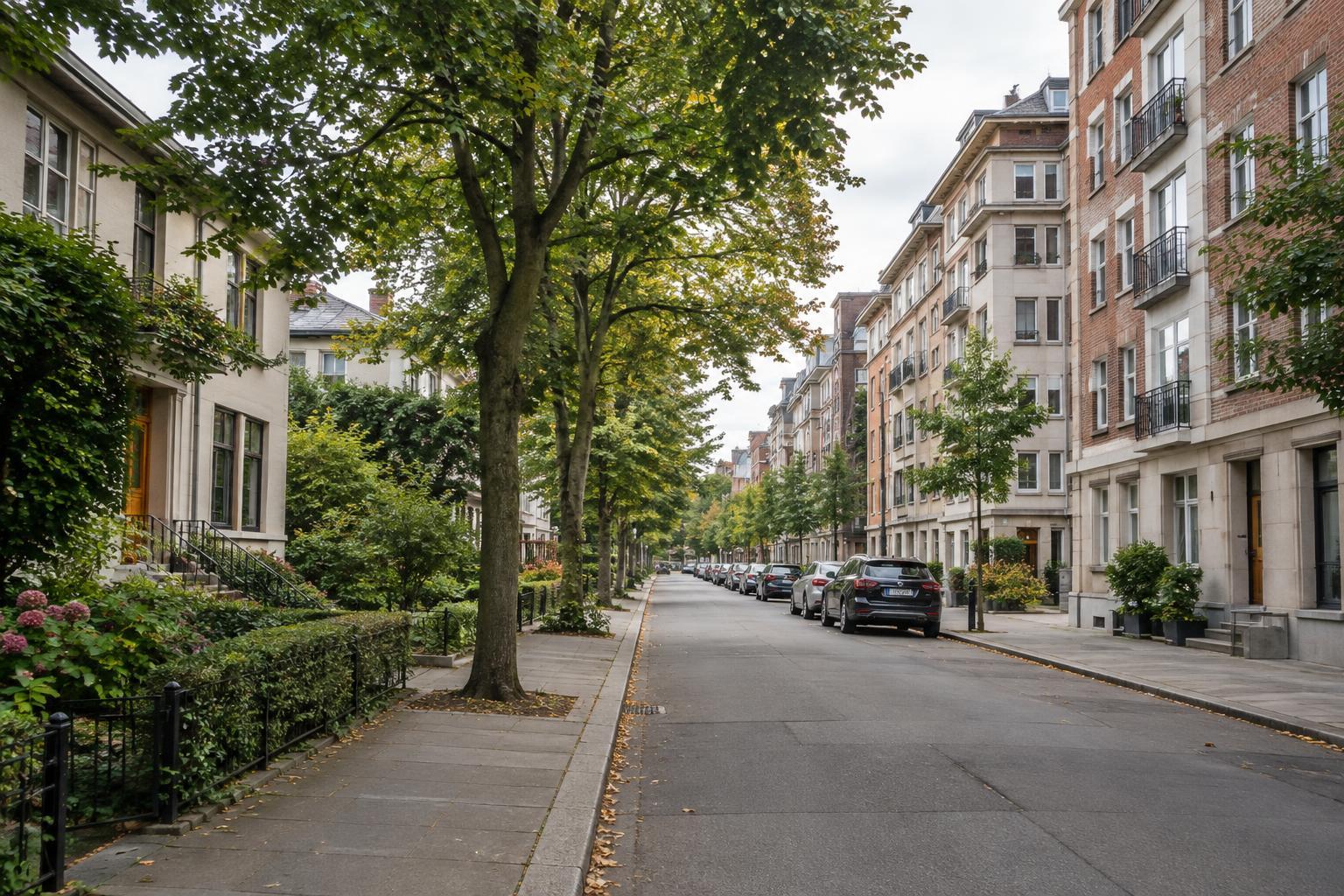
Finally, step back and consider the surrounding streets. Notice where people naturally approach, which frontage receives light, and whether neighboring buildings share a similar pattern. Keep to public spaces and avoid blocking entrances or photographing into private rooms. You may not discover a single definite explanation, but you will see the corner as a meeting point of architecture, daily use and two distinct streets.