A building does not stay finished
We often picture a building as the product of a single design decision: someone drew it, someone built it, and the result remained more or less intact. On an ordinary street, the evidence usually tells a messier story. Windows are replaced, entrances move, pipes are added, and walls are repaired after wear or damage. Each change meets the older fabric of the building somewhere, leaving an edge that may be visible from the pavement.
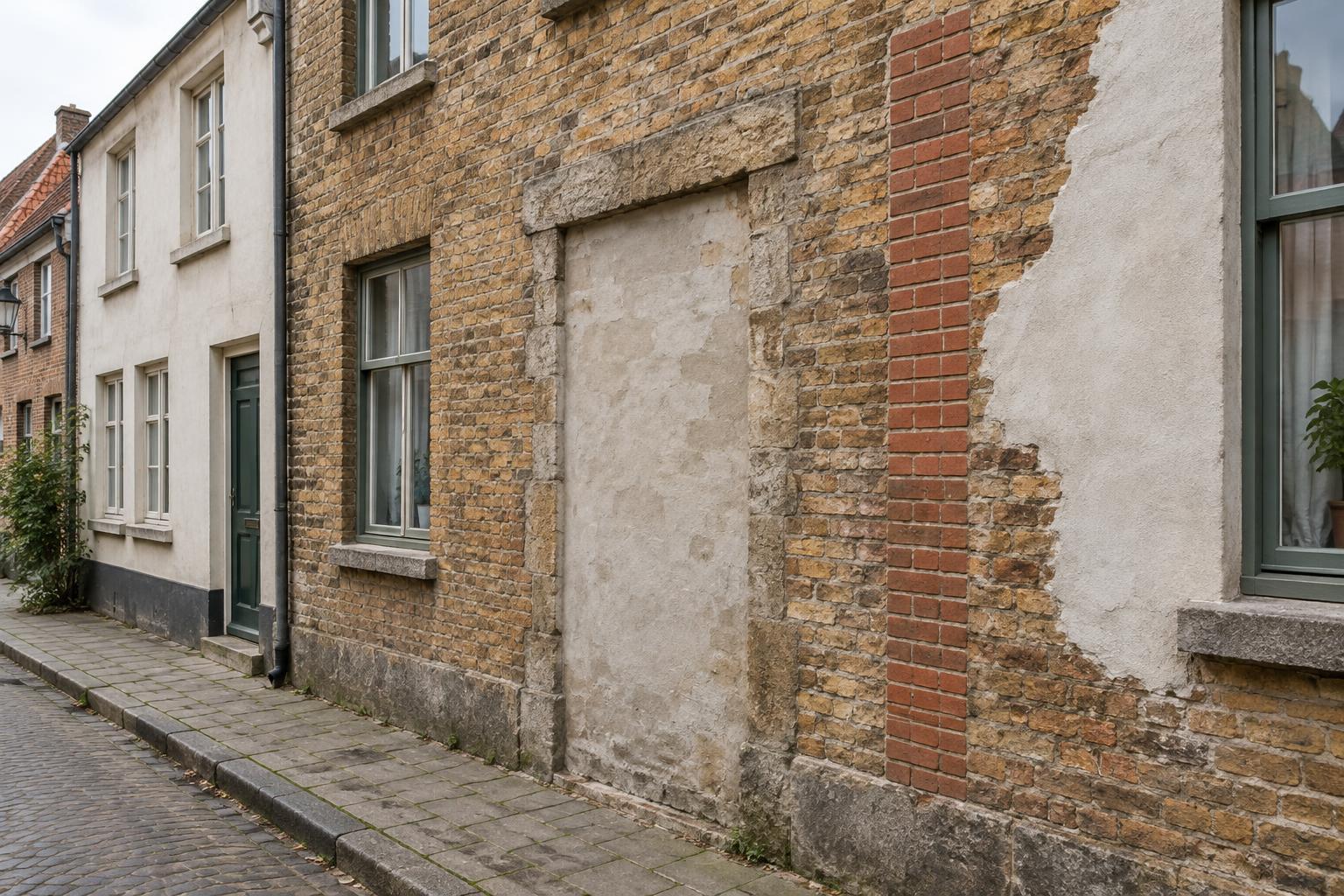
A patch is not necessarily a flaw to look past. It can show how a building has continued to work for the people using it. A narrow band of different brick might mark a former opening, while a smooth square in rough plaster might show where a fixture once hung. Sometimes the explanation is much simpler: that part of the wall needed fixing. The value of looking closely lies less in solving every clue than in recognizing that buildings have working lives.
Look for the seam, not just the surface
The most useful place to start is where materials meet. Does the brick change color or size halfway across a wall? Does the mortar around one area look different from the mortar beside it? Is a new piece of stone cut to fit an older, worn edge? These seams can make a repair legible even when the patch is meant to blend in. Repetition helps, too: if several windows have one frame style and a single window has another, the difference may point to a later replacement.
Shape can offer clues, but it rarely provides a complete answer. A tall rectangle filled with brick may suggest a blocked doorway or window; a line of disturbed paving may suggest that something was removed. Neither observation tells you when the change happened or why. Before settling on a story, look at the whole façade. A patch that seems unusual up close might align with a newer floor level, an altered shopfront, or a change visible on neighboring buildings.
Repairs record changing needs
Many visible changes reflect ordinary adaptation. A shop may need a different entrance; a home may need an updated window; a shared building may need room for new services. The result might be a carefully matched repair or an obvious contrast between old and new materials. Neither approach automatically tells you how much care went into the work. A conspicuous patch may be sound and deliberate, while a seamless surface may conceal several stages of alteration.
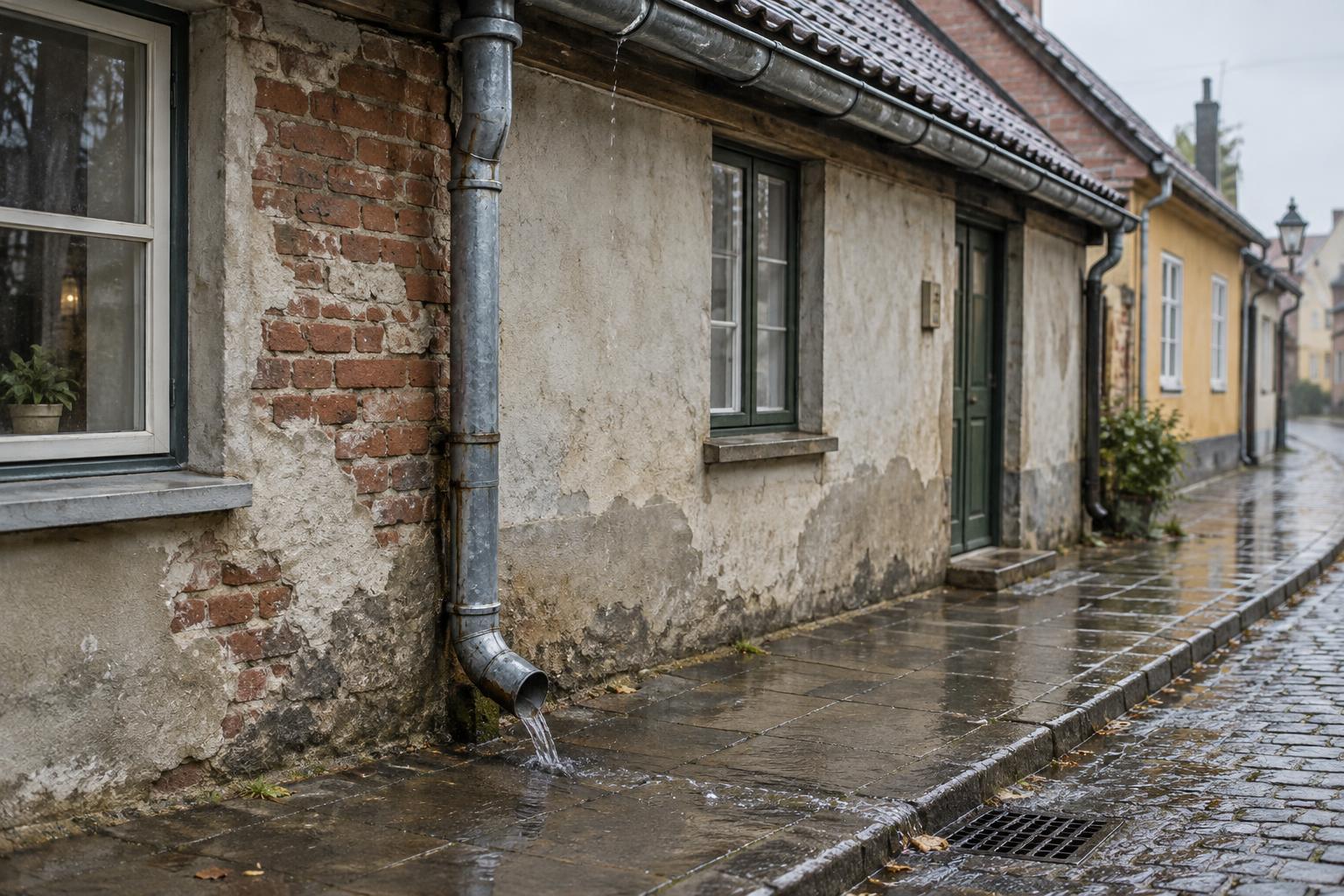
It is tempting to treat every mismatched tile or filled opening as evidence of a dramatic past. Often, maintenance is the more plausible explanation. Rooflines and gutters, for example, are places where water management leaves a visible record of attention over time. Replacement bricks near ground level may reflect repeated wear. Seeing these details as responses to practical problems makes everyday architecture more interesting: the building is not just a style to identify, but a place that has had to keep functioning.
Notice the people without inventing their stories
Repairs involve choices, labor, and resources, but a passerby can rarely read all of those circumstances from a wall. It is possible to appreciate the skill in a fitted patch or the ingenuity of a modest fix without guessing who made it or why they chose that method. It is also worth resisting the idea that visible wear is charming simply because it makes a photograph interesting. For occupants, a leaking joint or failing surface may be an inconvenience rather than an appealing trace of age.
A respectful way to look is to distinguish what you can see from what you infer. You can observe that one section of render has been replaced, that its color differs, and that it sits below a drainpipe. You may reasonably wonder whether water played a part. You cannot know the full repair history without more information. That distinction leaves room for curiosity while treating the building as someone’s home, workplace, or responsibility—not merely as an object to decode.
Try a slower walk
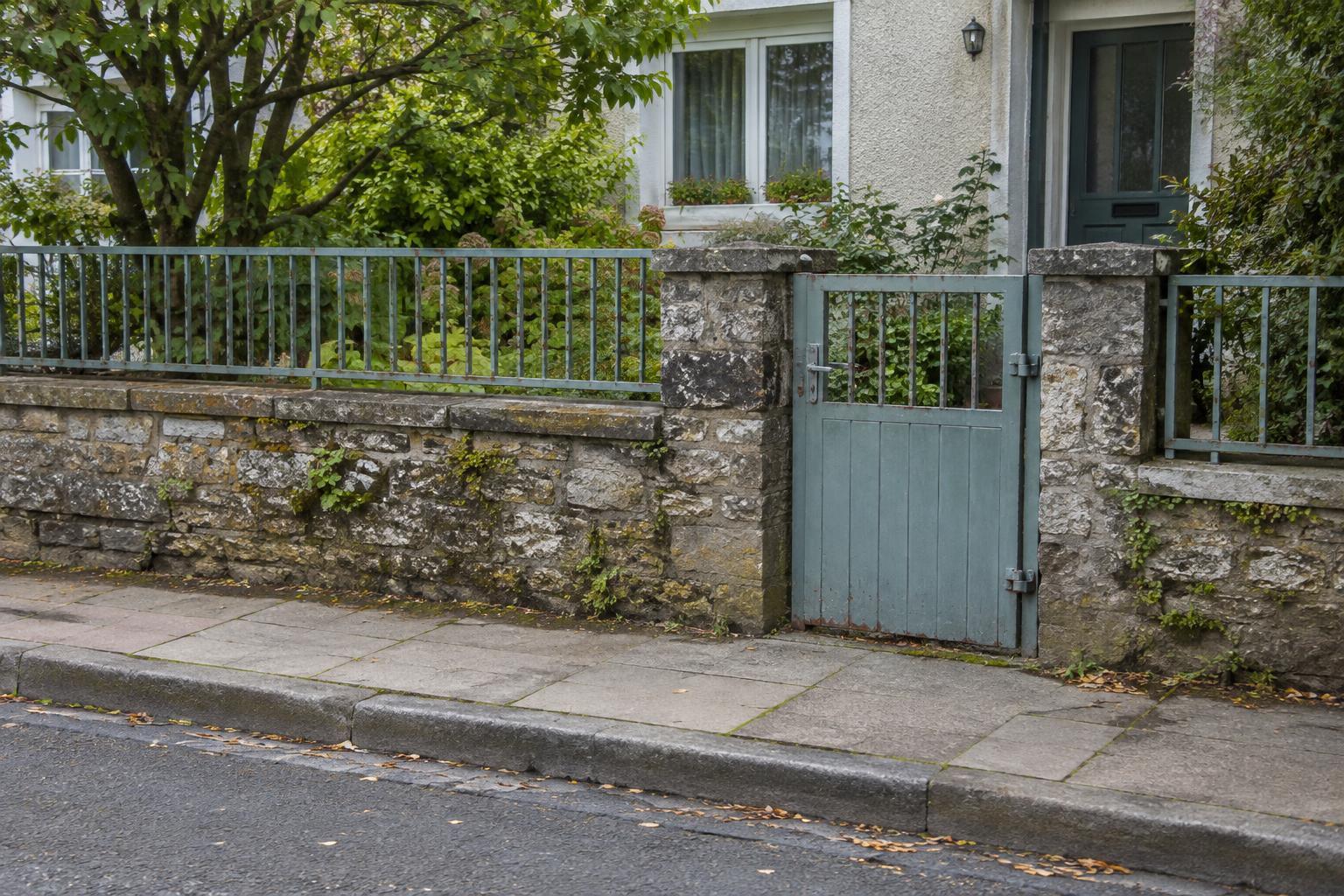
On your next walk, choose a short stretch of street rather than hunting for a landmark. Compare door surrounds, lower walls, window edges, roof repairs, and changes in paving. Notice where a material has been matched and where the difference remains clear. If you take photographs, step back to include enough of the building to give the detail context, and stay on public routes rather than entering private space for a closer view.
You do not need a firm conclusion for the walk to be worthwhile. A patched wall can prompt a useful question about how a place has been maintained or adapted, even if no answer is available. Over time, these small observations change the way a street reads. What first seemed like a row of fixed façades becomes a collection of buildings still being used, adjusted, and cared for—one repair at a time.