The space before the building
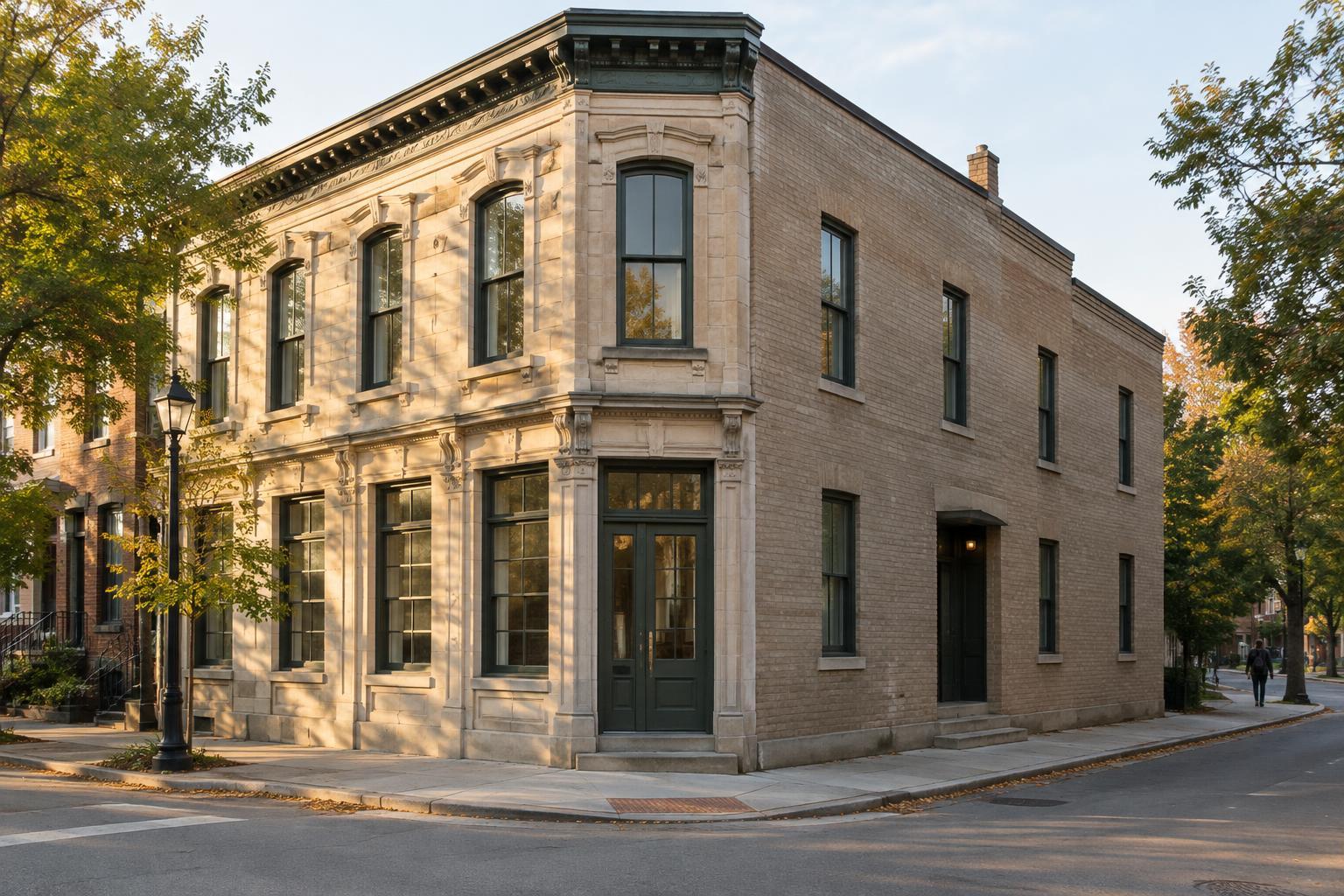
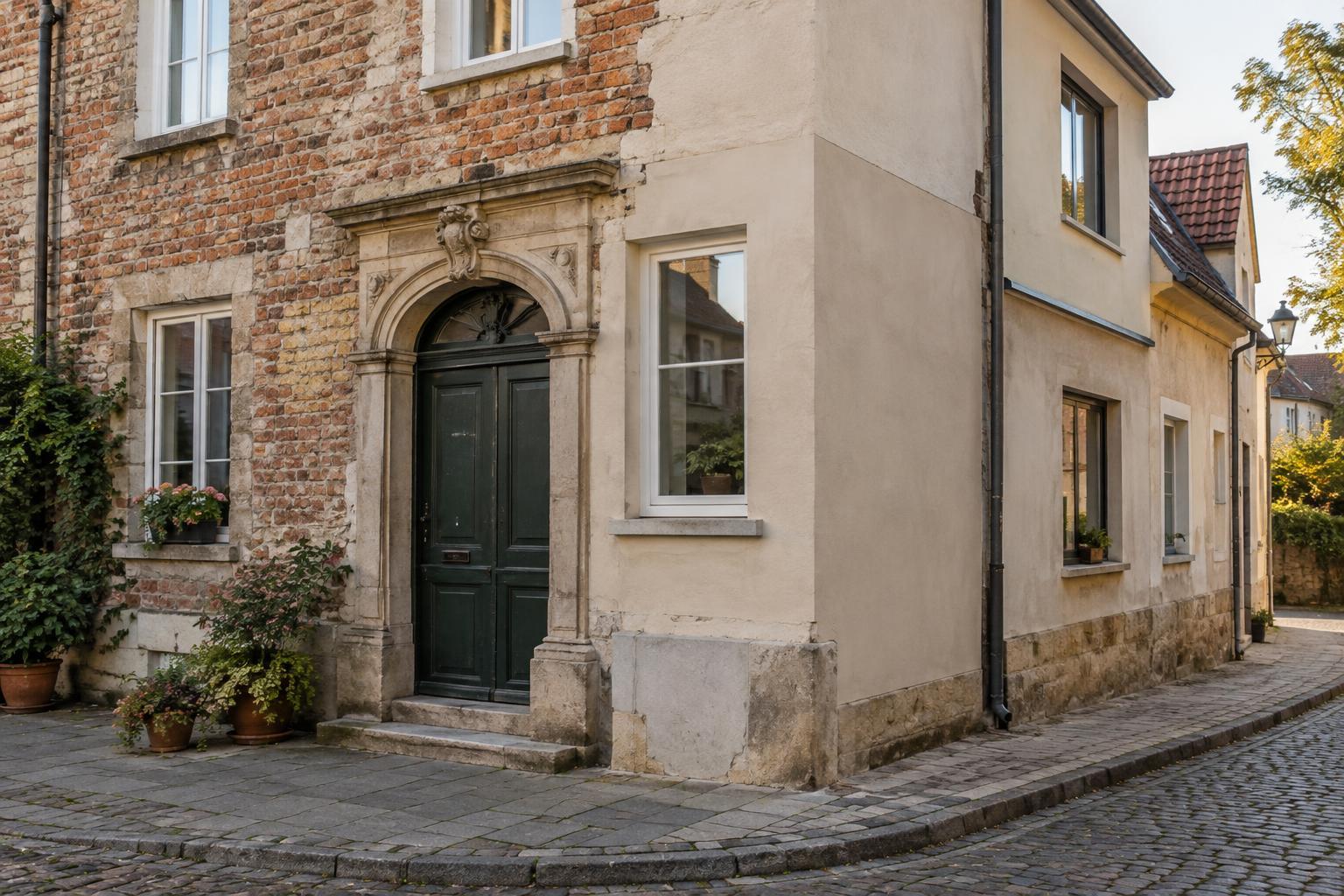
A setback is the distance between a building and a property boundary, often the edge nearest the street. Where buildings sit close to the sidewalk, doors, windows and shopfronts become part of a continuous street wall. Where they sit farther back, the intervening space may hold gardens, steps, parking, signs or a small forecourt. Neither arrangement is automatically better. Each gives people a different experience of walking past.
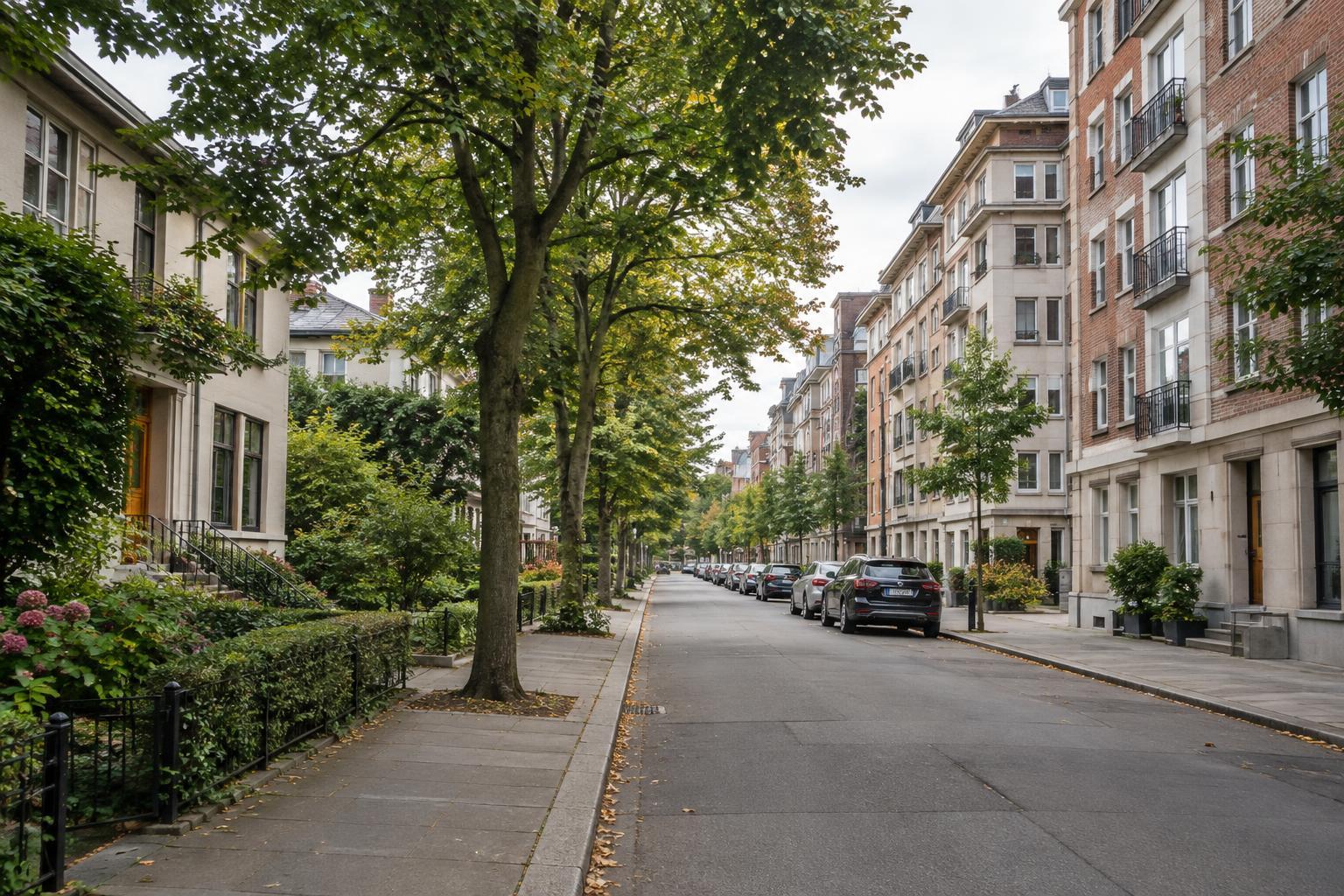
Look down a block rather than at a single building. Do the facades follow one line, or do they step forward and back? A consistent line can make a street feel like a defined outdoor room. A varied line creates pockets and pauses, though a deep gap used mainly for parking may interrupt the sense of enclosure. What happens within a setback matters as much as its depth.
Height changes what the street feels like
Building height affects the amount of sky visible from the pavement and the apparent scale of a street. A row of low buildings may let the eye travel past roofs and trees. Taller buildings facing one another can make the same width of road feel more enclosed. On a narrow street, even a modest difference in height may be noticeable; on a broad avenue, taller buildings may feel less imposing.
A height limit can influence the overall roofline, but it does not necessarily produce uniform buildings. Floor heights, roof shapes and the way upper storeys are arranged can all vary. Sometimes upper floors are set back, so the height most apparent to a pedestrian is lower than the building's full height. When looking up, notice where the facade changes plane, not just where the roof ends.
Rules are only part of the story
It is tempting to see a neat row of facades and assume one rule produced it. Setbacks and height limits can be established through planning or building requirements, but the visible result also depends on lot sizes, older structures, later additions and owners' choices. Buildings may have been constructed under different rules or retained after their surroundings changed. A street is often a collection of decisions made at different times.
That is why a sudden change along a block is worth noticing rather than treating as a mistake. A house behind a deep garden beside a building at the pavement edge may reflect different building types or periods of development. You cannot reliably read the applicable regulations from the sidewalk alone. You can, however, describe the pattern: where buildings begin, how high their street-facing walls rise and where those patterns shift.
Small details make the pattern visible
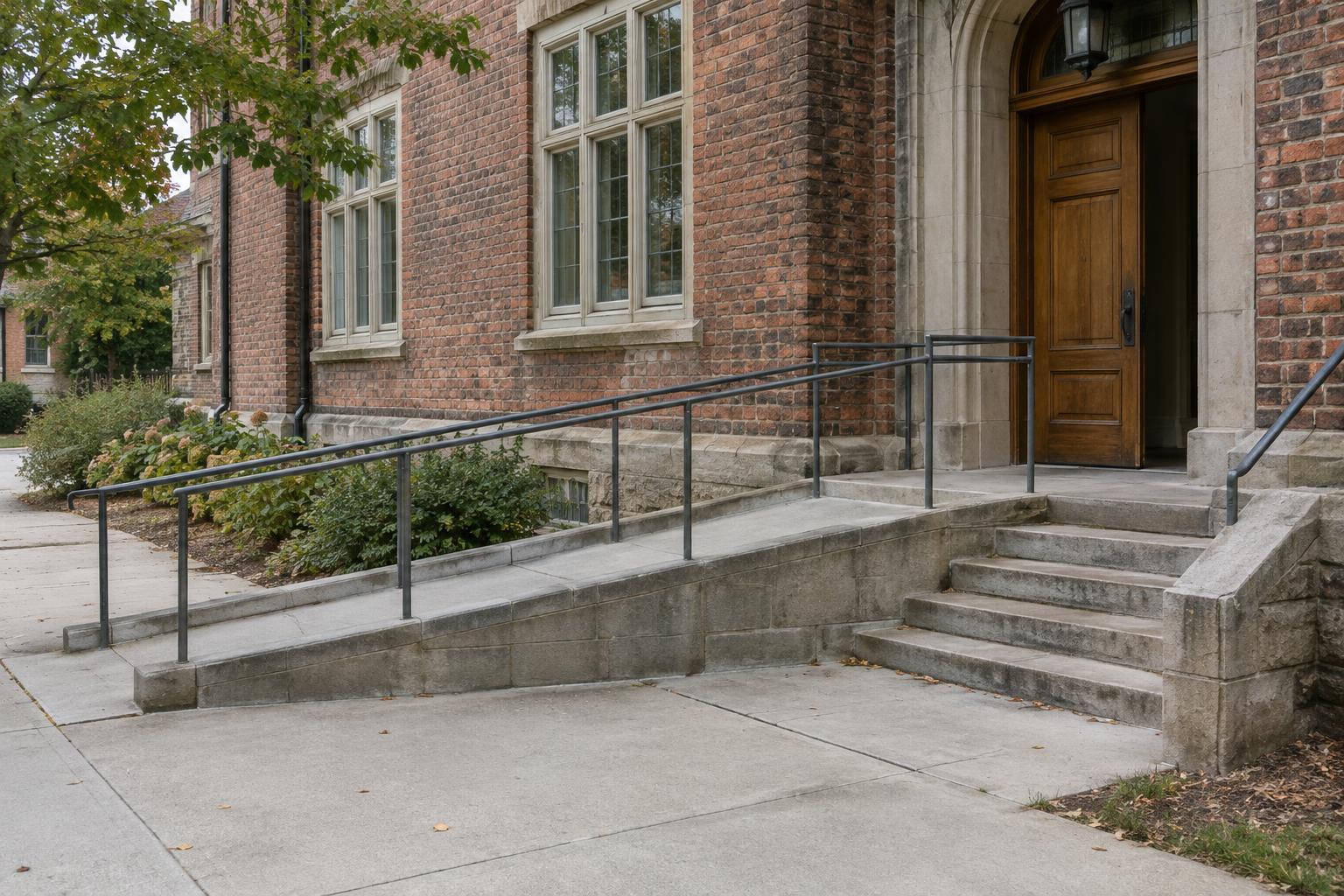
The effect of a setback depends on how people move through it. A shallow space with a stoop may make an entrance feel close to the street while giving residents a little separation. A planted strip can soften the edge of a building, although a high hedge may hide ground-floor activity. A broad forecourt may invite people to linger if it has a useful entrance and places to sit; left empty, it can simply lengthen the walk to the door.
Height works through details too. A tall ground floor with generous windows may feel more connected to pedestrians than a shorter building with a blank wall. Cornices, balconies and awnings provide reference points for the eye. They can make a long facade easier to take in without changing its measured height. These observations help explain why two blocks with similar building dimensions can feel quite different.
Try a slow comparison walk
Choose two nearby blocks and compare them from the same side of the street. Start by following the line of the front walls. Where does it stay steady, and where does it break? Then look at the space between those walls and the pavement. Note whether it contains doors, plants, steps, parked vehicles or nothing at all. Finally, look up: compare the height of the street-facing walls and the amount of sky you can see.
Repeat the comparison as you walk rather than relying on a photograph from one corner. Trees, road width and the position of the sun can affect your impression, and the view changes with each step. The aim is not to decide which block has the ideal dimensions. It is to see how ordinary choices about where a building starts and where it stops help give a street its character.