Start with what the boundary does
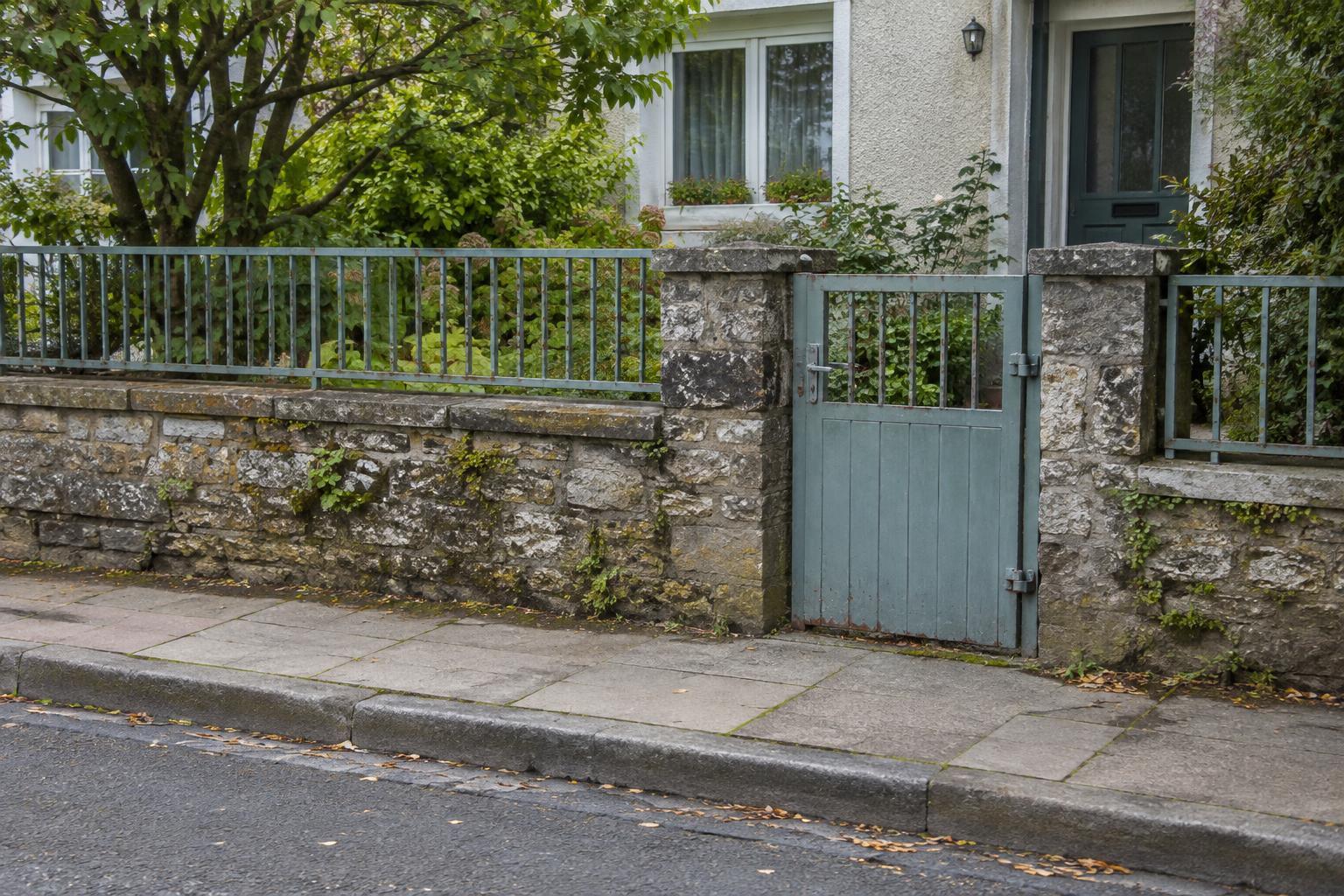
A fence is easy to pass without a second look. Yet the line between a building and the street is often where everyday architecture becomes most visible. A low wall may offer a place to sit. Railings can let a garden remain in view. A solid fence may block wind, contain pets, or create a more sheltered outdoor room. Before deciding what a boundary says about its owners, ask a simpler question: what does its design allow or prevent?
Look at height, spacing, and position. Does the boundary run along the pavement, or does a narrow planted strip soften the transition? Is there one entrance or several? Can someone at the gate speak easily with a person on the street? These details shape how a property meets its surroundings, even when the building behind them is plain.
Notice materials and maintenance
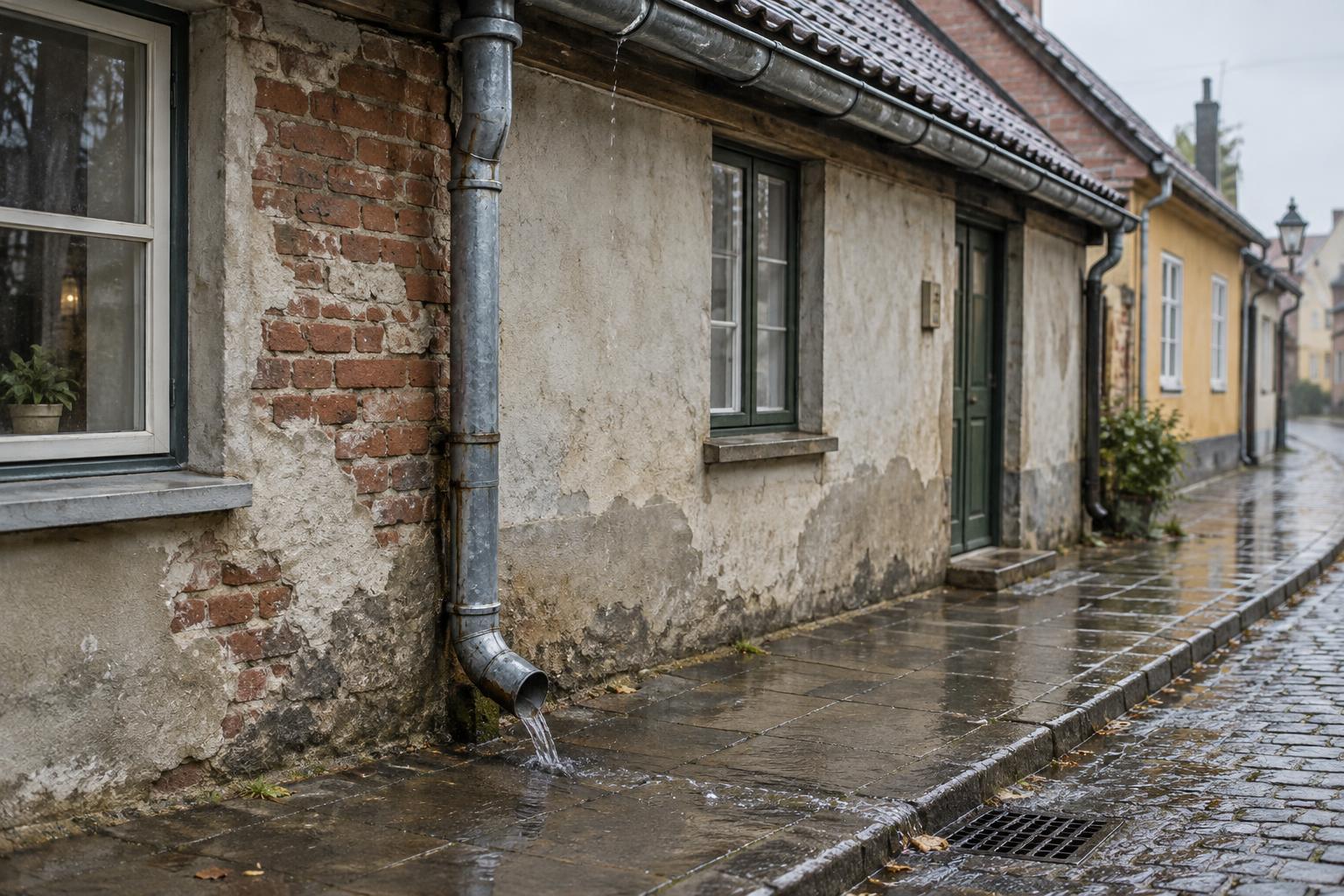
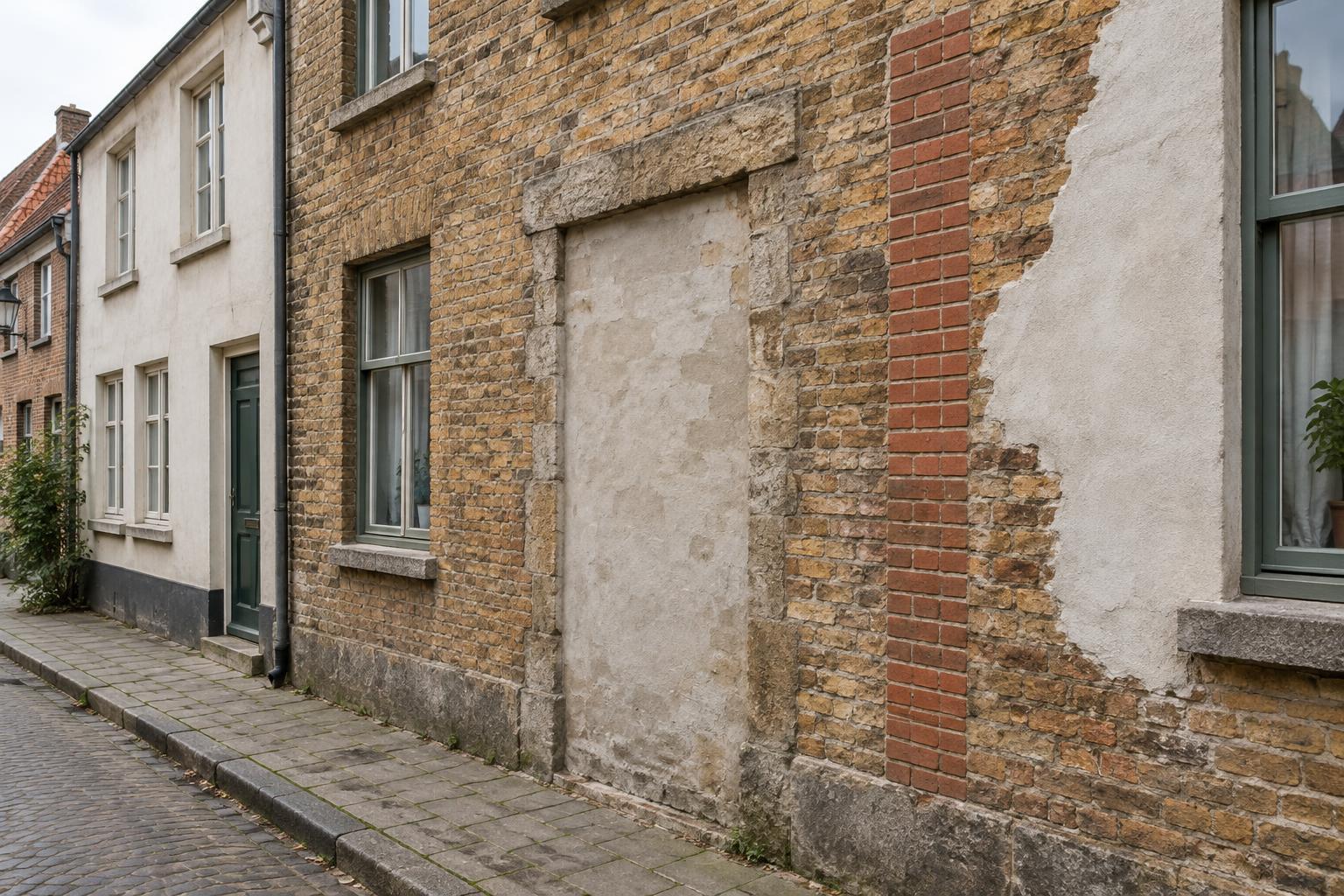
Boundaries are exposed to rain, sun, passing traffic, and repeated use. Brickwork may match the house, while a newer gate or patched panel shows that the edge has changed over time. Wood, metal, stone, concrete, and living hedges each offer different possibilities for repair and upkeep. A replacement section need not be treated as a flaw; it may be the clearest sign that a place is still being adapted.
Pay attention to joints, caps, posts, and ground level as well as the main surface. A cap on a wall can help shed water; a raised bottom edge might leave room for uneven ground or drainage. Weathering is not a reliable clock, and a material does not prove a building’s age. Comparing several boundaries on the same street is more useful than trying to date one from appearance alone.
Read gates as working parts
A gate is a small piece of design that has to work every day. Its width may accommodate a person, a bicycle, a bin, or a vehicle. Its swing determines how someone moves between street and property. Handles, latches, bells, and letter slots reveal which tasks have been brought together at the entrance. Even a modest gate can require careful choices about clearance, visibility, and ease of use.
Notice where the path goes after the gate, if it is visible from a public place. A straight route may emphasize the front door; a turn might protect a garden or work around a slope. In a row of otherwise similar buildings, different gate arrangements can show how residents have fitted shared building forms to different routines. They cannot, on their own, tell you who lives there or why a particular choice was made.
Look for a conversation with the street
Property edges rarely stand alone. One wall may line up with its neighbors, creating a continuous street face; another may step back to make space for trees or a driveway. In some places, front boundaries frame small gardens. Elsewhere, entrances open directly onto the pavement. Such patterns can help you notice how much room a street gives to walking, planting, parking, and informal encounters.
Changes along a block are worth a slow walk. Where do taller walls begin? Do corner properties use their edges differently? Are there shared passages between buildings? Try describing the physical pattern before assigning it a social meaning. Privacy, security, climate, local rules, and personal taste can all influence a boundary, and their relative importance is not usually visible from outside.
Observe without crossing the line
The best vantage point is often the ordinary public route. From a pavement or another place open to visitors, you can sketch a pattern in words: low brick walls, alternating metal gates, a hedge that fills a gap. Avoid peering over a wall, blocking an entrance, or treating an open gate as an invitation. If you take photographs, be considerate of people, house numbers, and signs that a space is private.
For a useful exercise, choose a short stretch of street and compare three boundaries. Note one feature they share and one way each differs. Then ask what you can confidently observe and what remains unknown. That distinction makes the walk more interesting. A fence or gate is not a complete account of a home; it is a working edge, shaped by materials, habits, and the street beside it.