Start with the shape, not the new sign
A building’s current name tells you what happens there now. Its shape may tell you what it was built to do. Adaptive reuse gives an existing structure a new purpose, often while keeping parts of its earlier design. A restaurant might occupy a workshop, or apartments might fill a former school. The clues are rarely conclusive on their own, but noticing them can make an ordinary walk more interesting.
Stand back where you can see the whole building. Is its frontage unusually wide for the businesses inside? Does it have a tall central space, a long row of identical bays or a roofline that seems out of step with its neighbors? Those features may reflect an earlier need for vehicles, machinery, classrooms or storage. They may also result from later alterations. Treat the building as a collection of hints rather than a puzzle with one obvious answer.
Read doors and windows as working parts
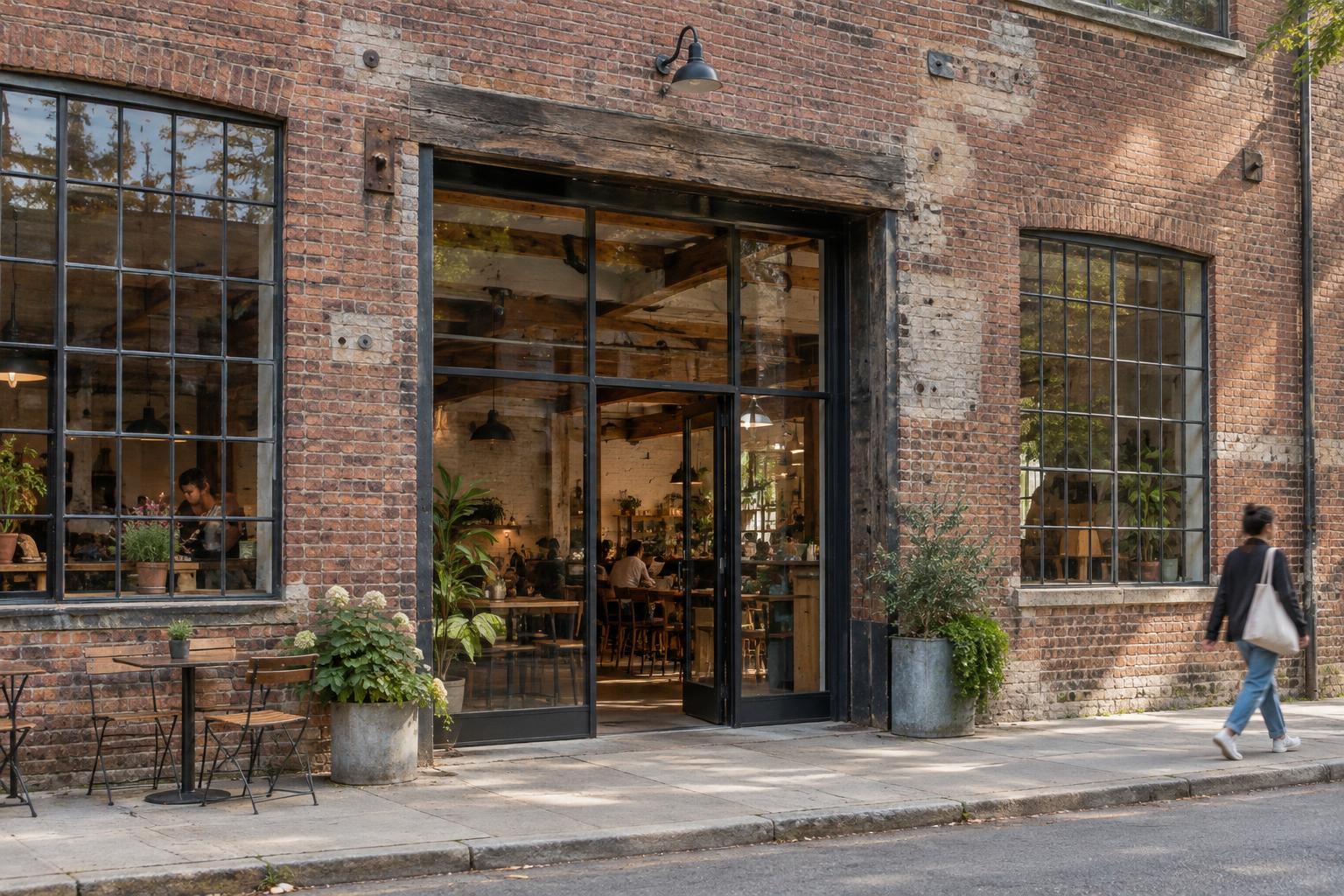
Entrances often preserve traces of how people or goods once moved. A broad opening behind a newer glass wall may have admitted deliveries. A doorway raised above street level might have met a loading platform. Several similar entrances can suggest a building designed for separate units, although they do not reveal exactly who used them.
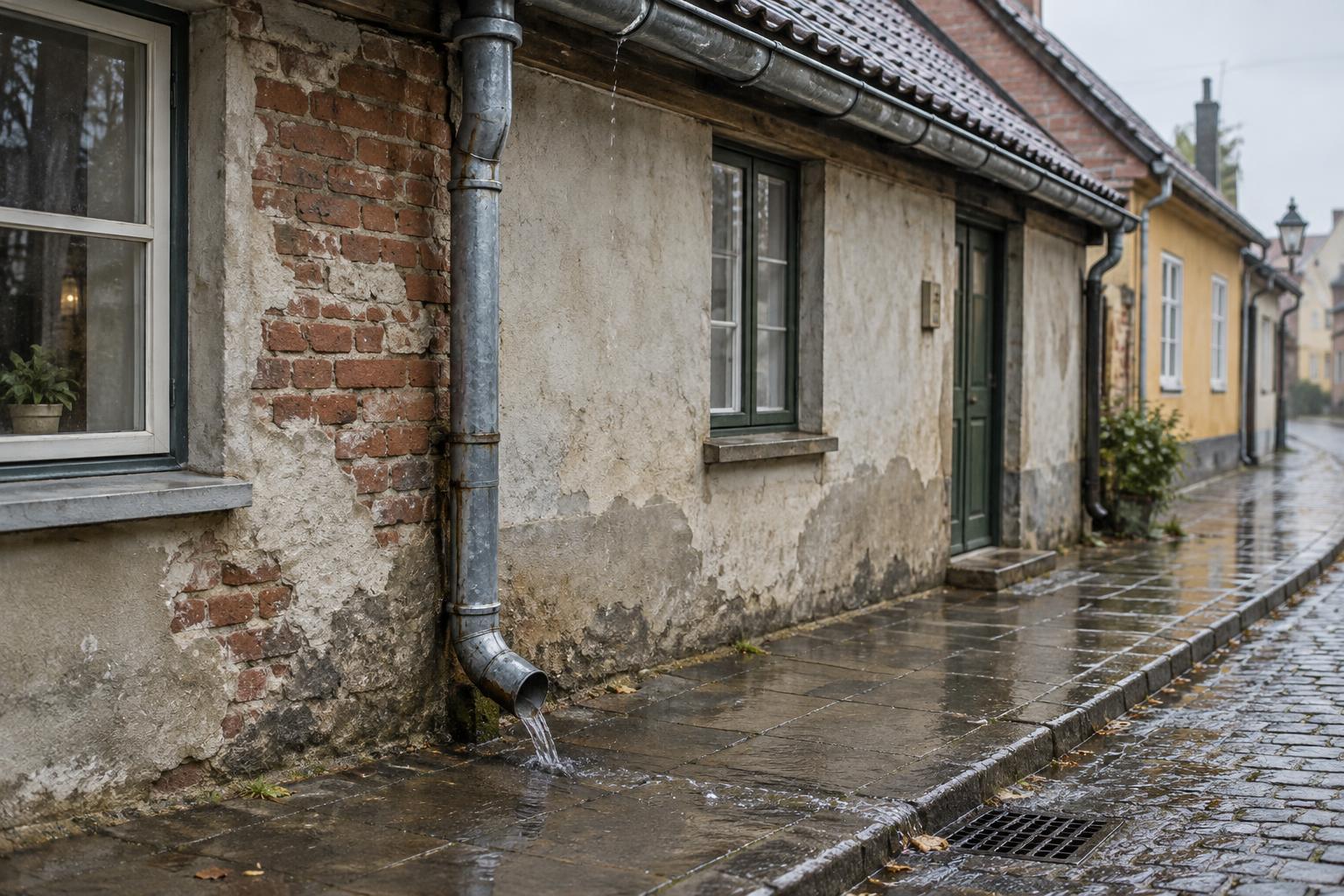
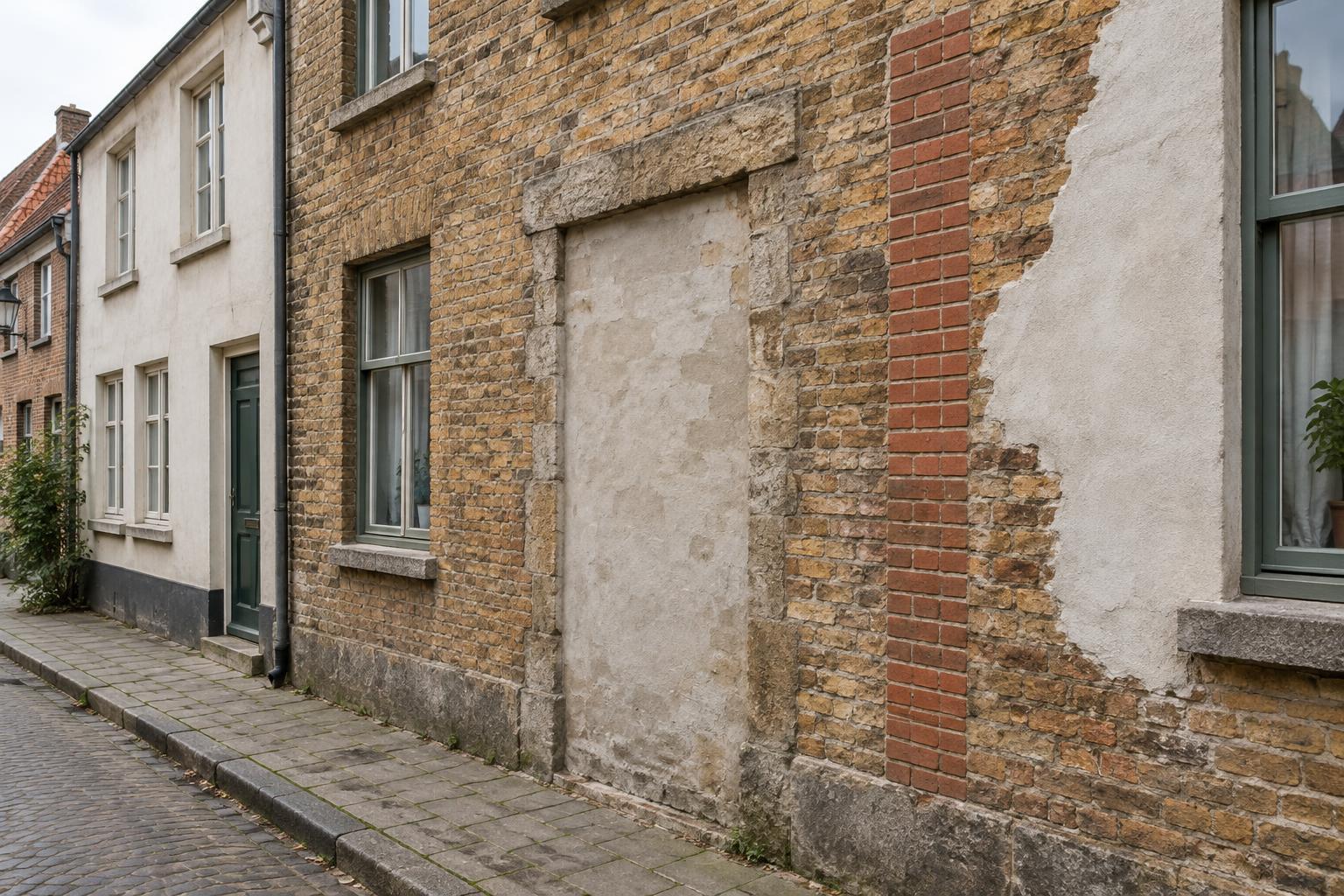
Windows offer a different kind of evidence. Large panes may have brought daylight into a workroom; high, narrow windows may have let in light while leaving wall space free. Look for filled-in openings, changes in brickwork or frames that do not match the rest of the façade. These can indicate that a building changed over time. Before guessing at its former function, ask a simpler question: what practical problem might this feature once have solved?
Notice what the new use has kept
Some adaptations leave old features visible because they are useful, distinctive or difficult to remove. A café may keep a tiled wall, a heavy stair or a deep ground-floor room. A shared workspace might make use of a broad, open floor. Such details can create atmosphere, but they were not necessarily decorative when first installed.
If the interior is open to visitors, compare it with the exterior. Does a tall window match a high-ceilinged room? Does a wide street entrance lead to a surprisingly narrow passage? Be careful about interpreting exposed beams, pipes or brick: they may be original, restored or added during a recent renovation. Materials can suggest a building’s history, but appearance alone cannot reliably date a change.
Look for traces of names and changing streets
Old lettering, a carved emblem or a faded painted sign may point toward a previous occupant. Sometimes a newer sign covers only part of an older one. Even without words, a building can hold evidence of changing surroundings: a blocked doorway facing an alley, a former entrance above today’s pavement or a façade that aligns with a different street pattern.
These clues are most useful when considered together. A wide doorway and worn lettering might suggest a business that handled goods, but the lettering could belong to a later tenant. Likewise, an old-looking exterior may conceal a substantially rebuilt interior. Resist the urge to assign a precise history from a single detail. If you want to know more, a small local museum, heritage display or publicly available building record may help you check your interpretation.
Make observation part of respectful travel
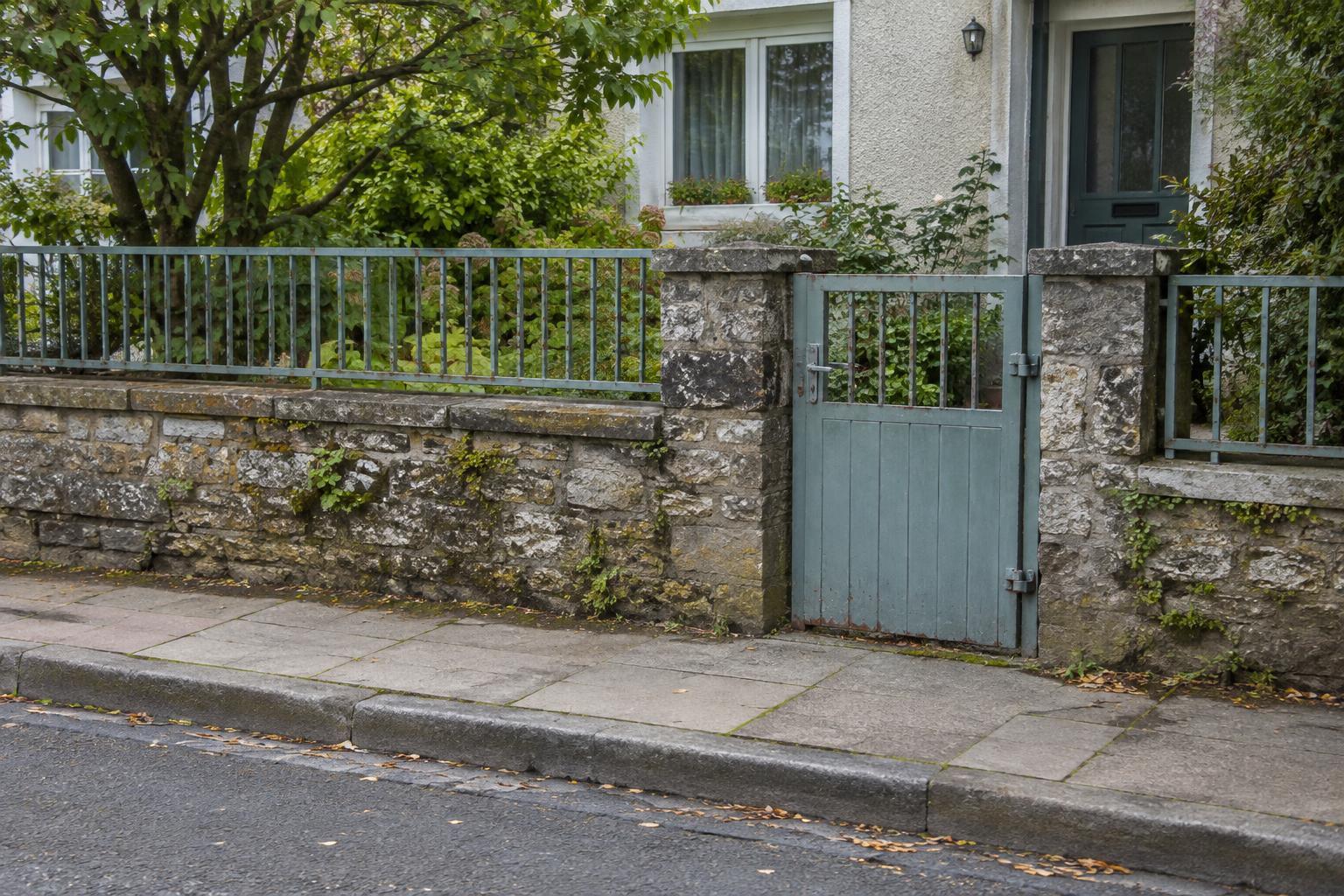
You do not need to enter a building to appreciate its adaptation. A slow look from a public pavement can reveal patched masonry, altered openings and the way a new use meets an old structure. Return your attention to the street as well: nearby buildings may share similar proportions or materials, offering context for what once made sense in that location.
When a building is occupied, remember that it is someone’s workplace, home or community space, not just an architectural specimen. Follow access rules, avoid blocking entrances and ask before photographing private interiors. Adaptive reuse is most rewarding to notice when you leave room for uncertainty. The visible layers show that a place has changed; learning exactly how, and for whom, takes a little more care.