The useful space that looks like an absence
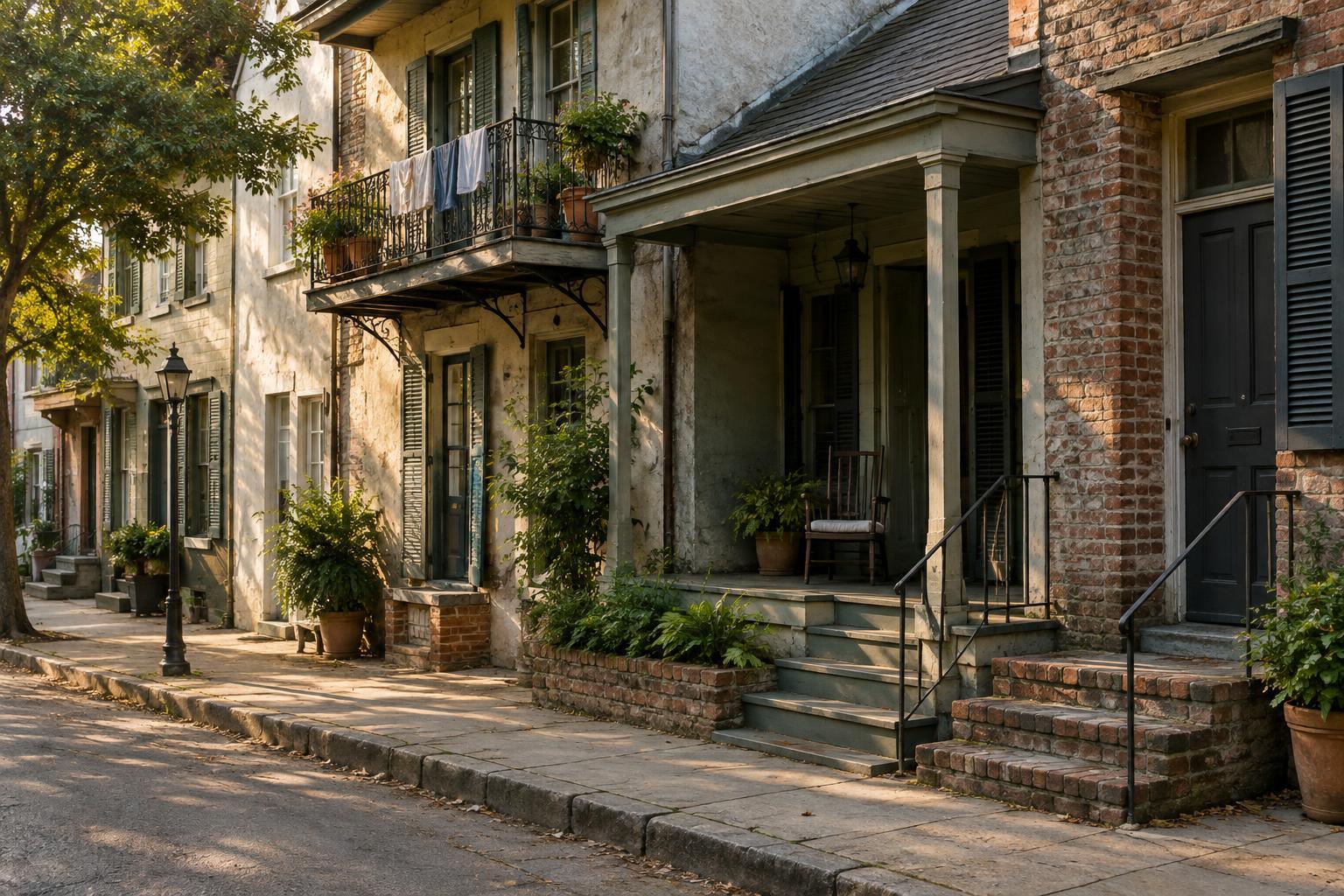
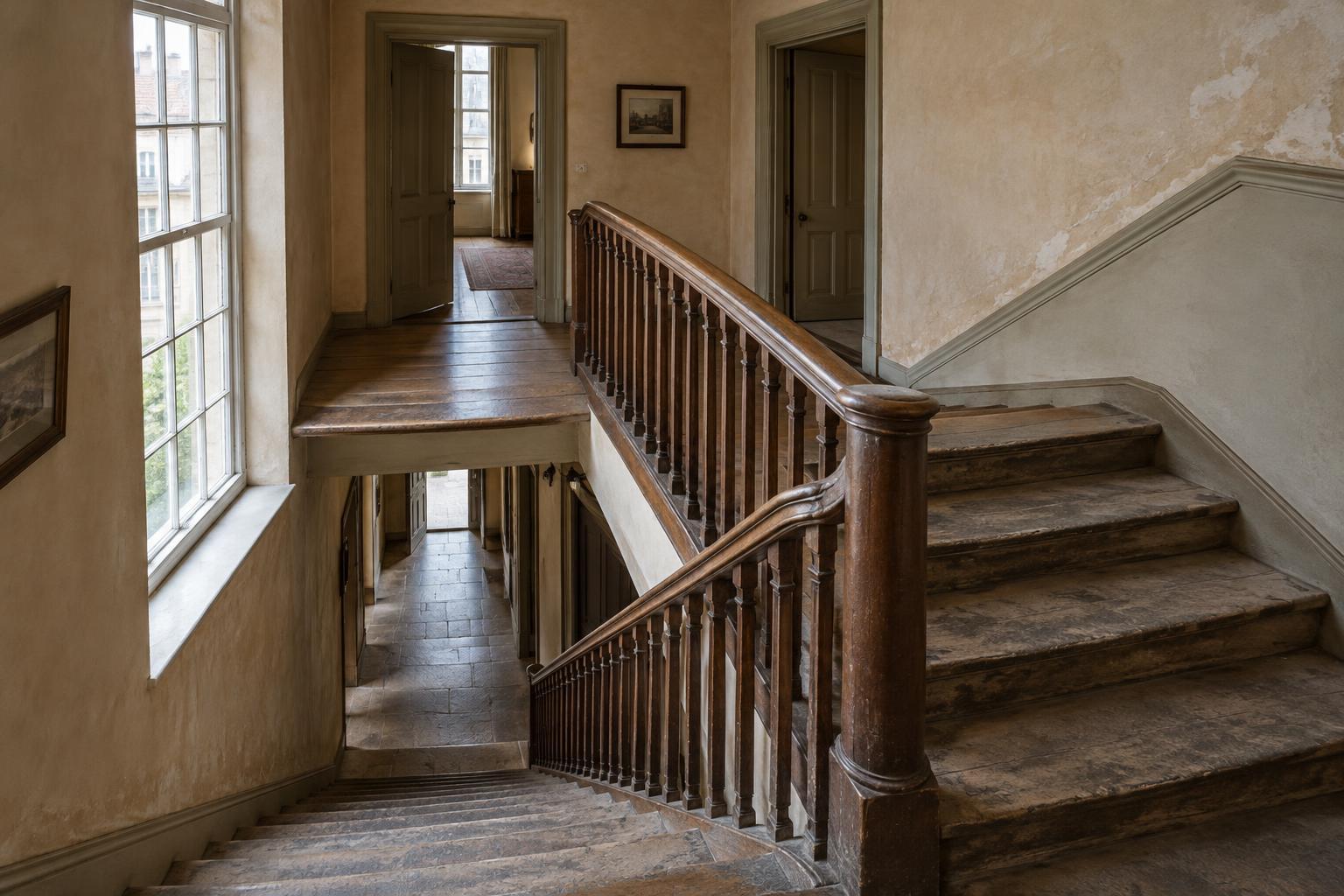
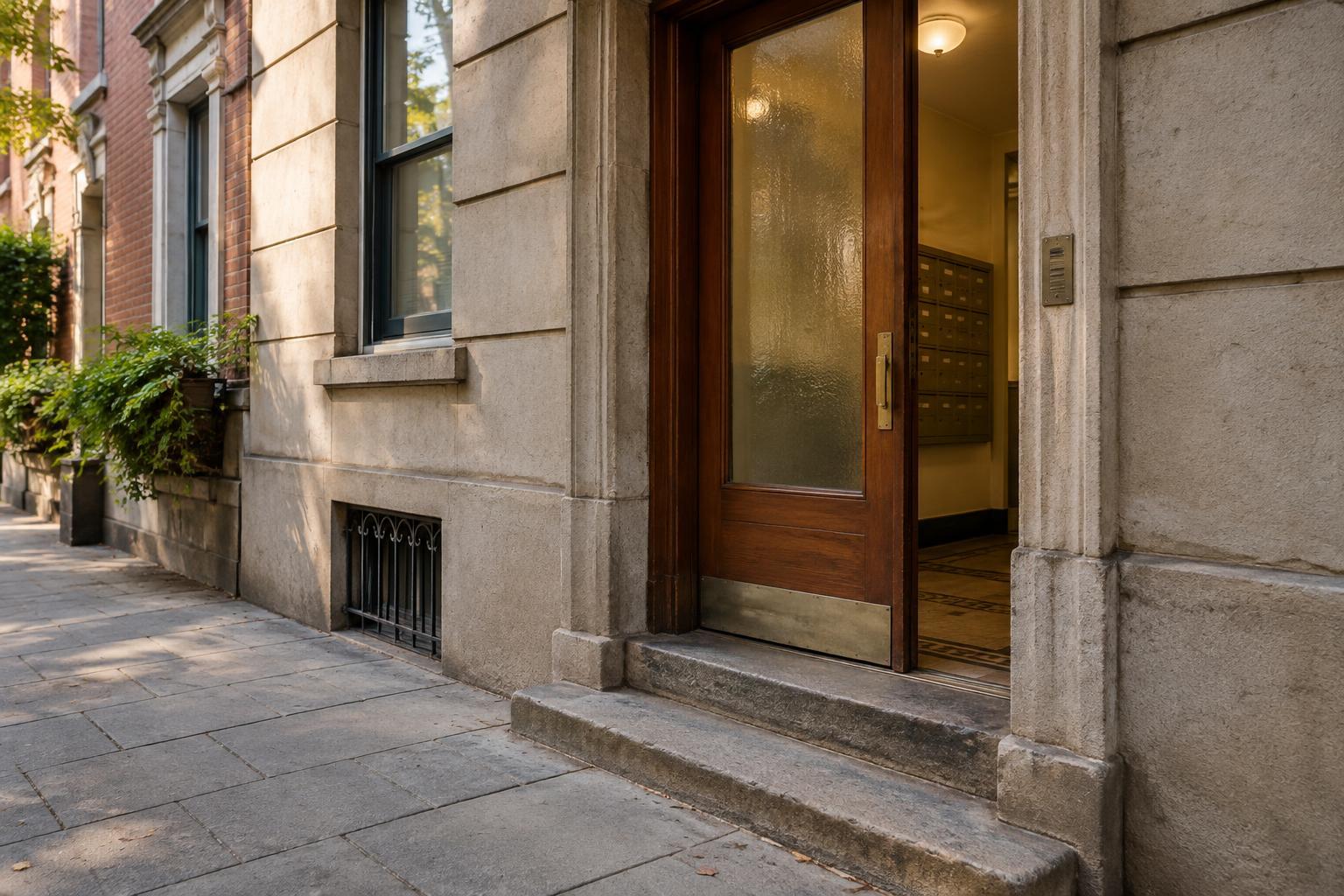
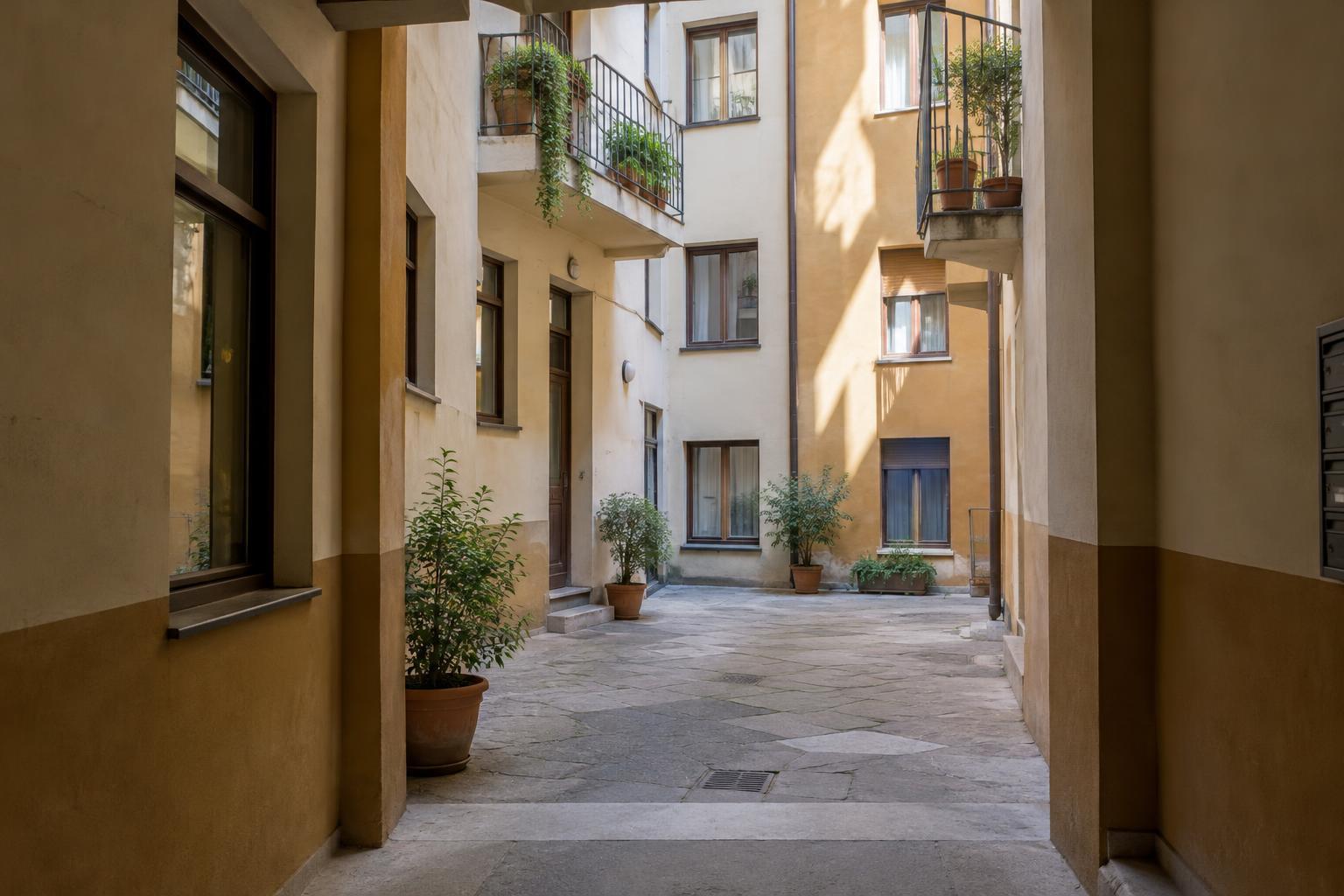
From the street, a row of buildings may look solid. Inside, its floor plans can be full of gaps: a planted court behind an entry, a narrow shaft between walls, or an open space surrounded by rooms. These openings are easy to miss because they are often private, visible only through a gate or from an upper window. Yet they can explain how a building works as clearly as its front door or staircase.
A courtyard is generally large enough to feel like an outdoor room, though its size and use vary widely. A light well is usually smaller and is primarily meant to bring daylight, and sometimes air, to interior spaces. Neither term guarantees a particular shape or experience. One court may hold trees and chairs; another may be a paved route to rear entrances. A light well may be a slim gap lined with kitchen windows.
Why make a hole in a building?
Rooms on an outer wall can receive daylight from the street or a garden. Rooms deeper in a building have a harder time. An internal opening gives those rooms another edge facing outdoors. This can make a long or densely built structure more usable without requiring every room to sit on the public-facing façade. In some layouts, an opening also provides a place for windows that can be opened for ventilation.
The benefits depend on proportions and conditions. A broad, low courtyard may admit generous daylight, while a narrow well enclosed by tall walls may offer only a modest view of the sky. The position of windows, neighboring buildings, weather and how the space is maintained all matter. An opening is not automatically pleasant or effective simply because it is open to the air.
Courtyards can serve other practical needs, too. They may organize access to several homes or workshops, create room for planting, or separate noisy public rooms from quieter ones. Some give occupants an outdoor place without exposing it directly to the street. These purposes often overlap: the same patch of paving might provide a route, a place to pause and a little more daylight for the rooms around it.
Light, privacy and the people next door
An inward-facing window changes the relationship between a room and its neighbors. It may offer a calmer outlook than a busy road, but it can also face another window at close range. Curtains, shutters, high sills, plants and window placement can help residents manage that tension. Looking across a courtyard is not the same as looking out over an empty landscape: the view may be part of someone else’s home.
Shared courts also reveal how architecture and everyday habits meet. A bench might invite conversation, while a clear path signals that the space is mainly for passing through. Laundry, bicycles or potted plants can show how people adapt a space to daily routines, where permitted. The most useful question is not whether a court looks picturesque, but whom it serves and whether its arrangement makes those uses comfortable.
How to notice them respectfully
You do not need to enter a building to start reading its interior spaces. From a public sidewalk, look for a passage leading away from the street, windows that face sideways rather than forward, or a glimpse of sky behind a gate. In a public building, an atrium or open court may show how surrounding rooms borrow light. Notice where shadows fall, which doors open onto the space and whether people can linger or only move through.
Keep observation within public or clearly accessible areas. An open gate is not necessarily an invitation to explore a residential courtyard, and a view into a light well may include private rooms. If you take photographs, avoid turning occupants or their windows into the subject without permission. Respecting those boundaries makes it easier to appreciate the design without treating someone else’s daily life as a display.
A different way to read a familiar street
Courtyards and light wells are reminders that a building’s most important features are not always on its façade. A plain exterior may conceal a carefully arranged source of light, a shared route or a sheltered outdoor room. An elegant opening, meanwhile, may prove cramped or difficult to use. Looking for these spaces encourages a more patient kind of architectural curiosity: one that asks what a building needs, how its occupants use it and what can be learned without crossing a threshold.