Mistake 1: Treating style as a date stamp
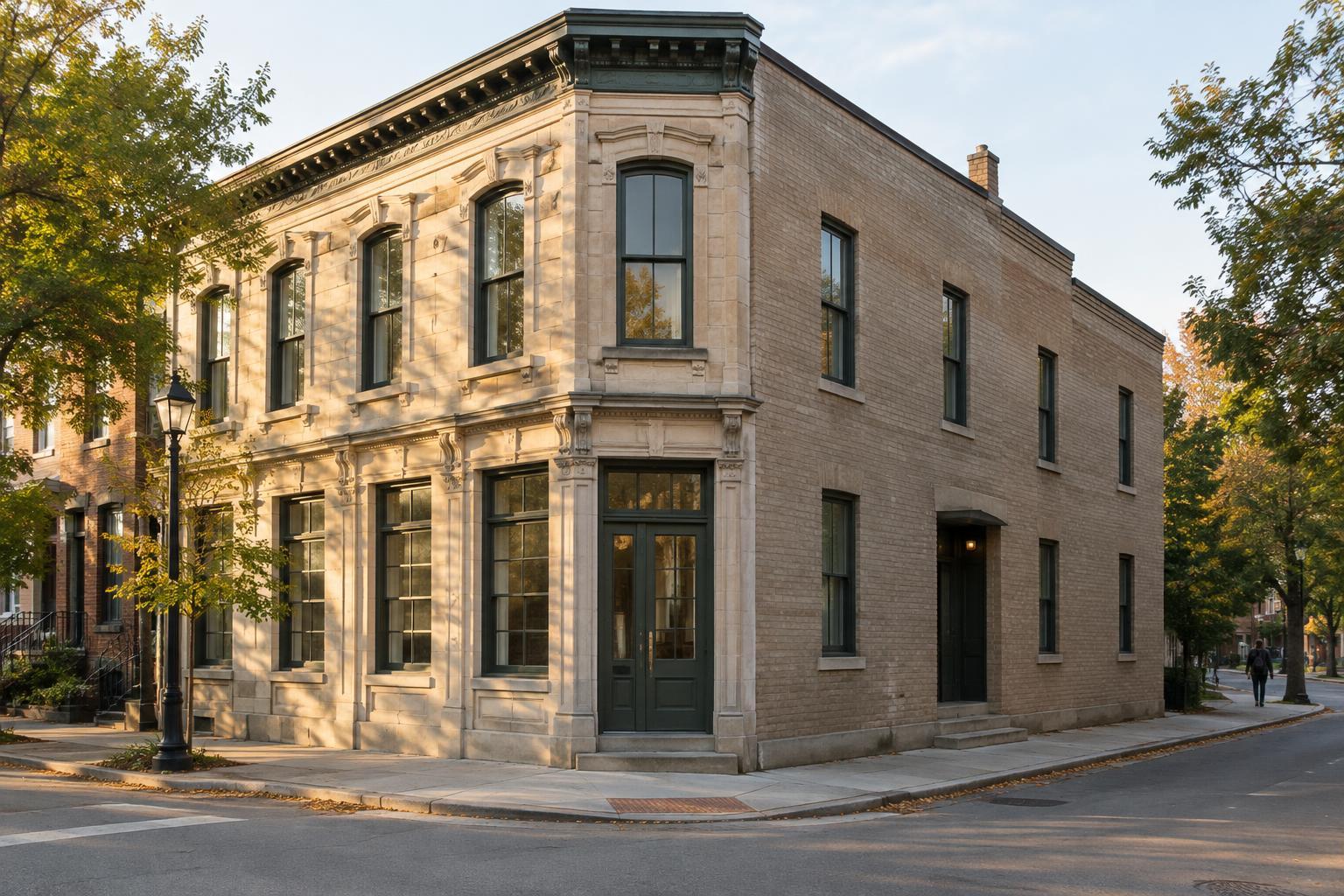
An arched window, a decorative column or a stripped-back facade may bring a particular period to mind. Style is a useful clue, but it is not a construction date. Builders can borrow older forms, owners can replace plain details with elaborate ones, and a later renovation can make an older structure look new. A building may also combine styles because different parts were completed at different times.
Instead of asking, “When was this style popular?” start with, “Which visible features seem to belong together?” Look at the relationship between the doorway, windows, roof and wall surface. Do their proportions and materials appear consistent, or does one element seem to interrupt another? Noticing those differences will often tell you more than naming a style from a single ornament.
Mistake 2: Assuming the visible surface is the original building
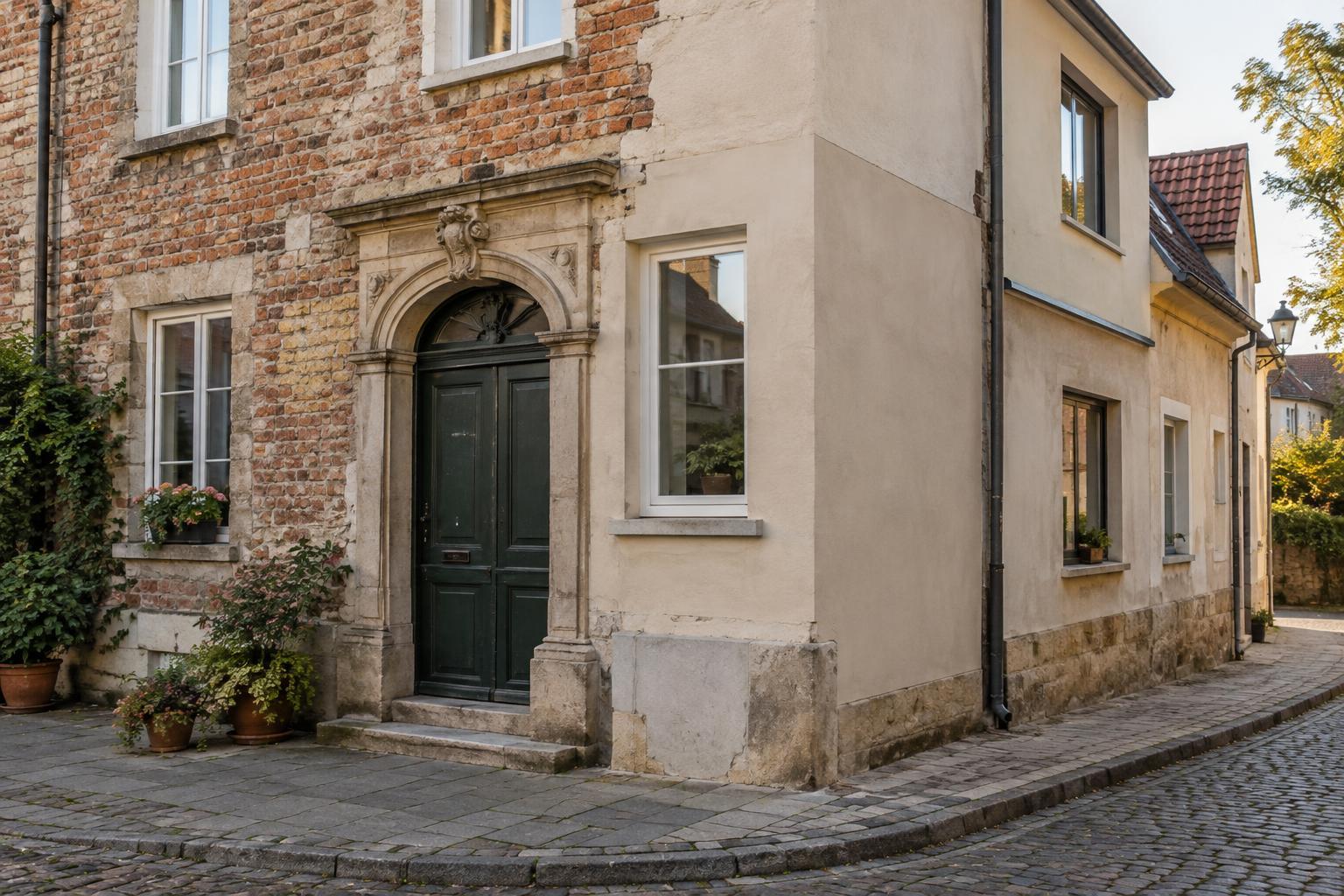
What you see from the street may be a relatively recent layer. Cladding can cover older walls; render or paint can conceal changes in brickwork; and a ground-floor shopfront may have been rebuilt while the rooms above remained in place. Conversely, an old doorway or stone plaque may have been retained or reused in a newer structure. Even a convincingly weathered exterior does not prove that everything behind it is the same age.
Look for seams rather than a single overall impression. Changes in brick size or color, a shift in mortar, windows set at different depths, or a roofline that does not quite match the facade may suggest alteration. These observations do not establish what happened or when. They give you better questions to pursue if a building catches your interest.
Mistake 3: Reading wear as a clock
Weathering can make a building feel ancient, while careful maintenance can make an old one appear surprisingly fresh. But wear depends on more than time. A sheltered wall and an exposed wall on the same building may age differently. Pollution, moisture, cleaning, repainting and replacement parts can all affect how a surface looks. A patch of crumbling masonry may point to a local problem, not to the age of the whole structure.
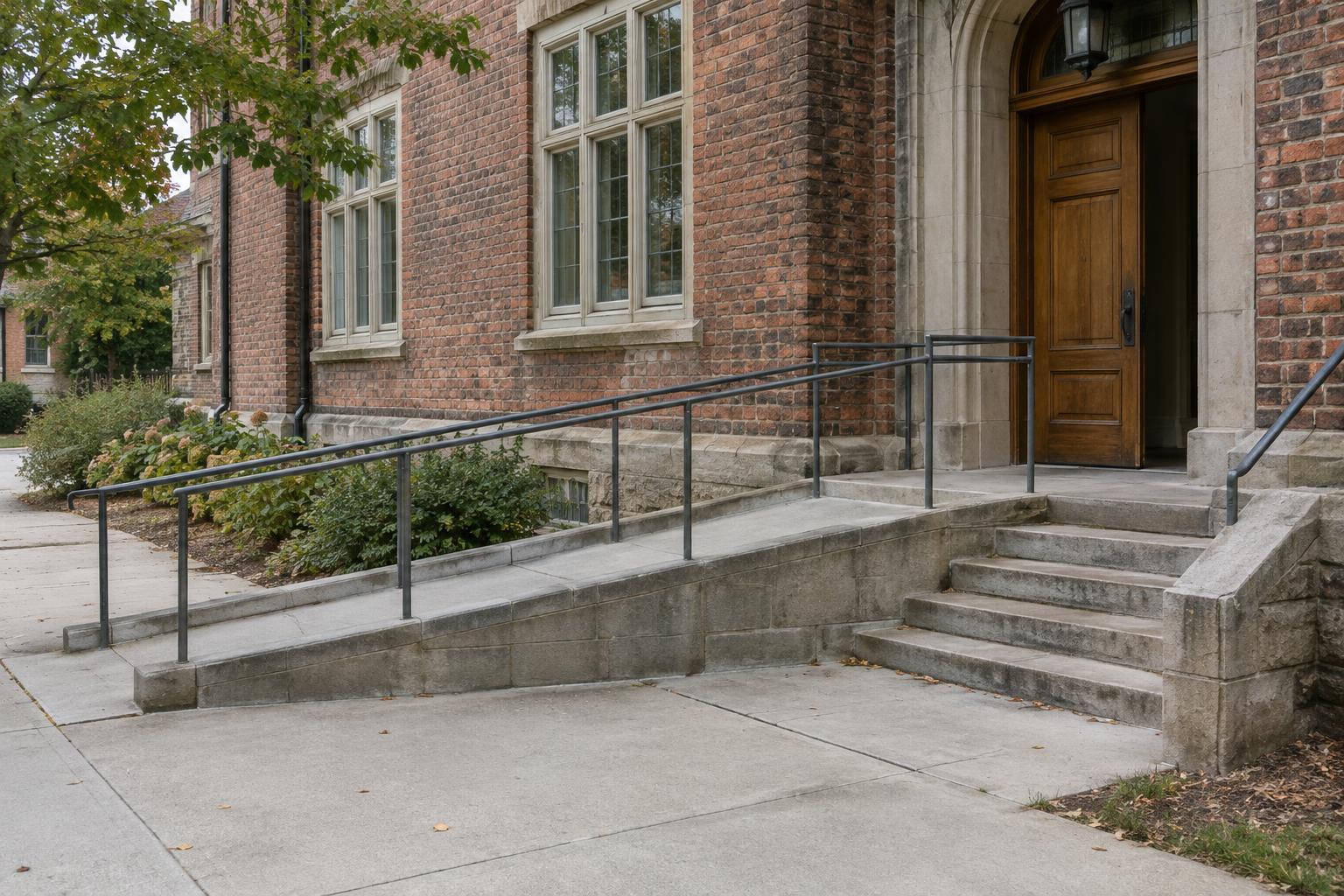
Be especially cautious with features designed to look aged, such as distressed finishes or reclaimed materials. At the other extreme, new windows or a recently repaired roof should not persuade you that the walls beneath them are new. It is usually more useful to describe the condition you can see—worn steps, fresh pointing, a replaced frame—than to turn that condition into a precise age.
Mistake 4: Giving the whole building one birthday
Everyday buildings often change as needs change. A house gains a rear addition; a workshop becomes housing; neighboring units are joined; a roof is raised to create more room. From one angle, you may be looking at the earliest surviving portion. From another, you may see an extension that has shaped the building’s appearance for years. Asking for one date can hide that layered history.
Try thinking in phases: the main structure, visible additions and later fittings. Walk around only where public access permits, and compare side walls or rear elevations if they are visible from the street. Changes in floor level, window spacing or roof pitch can help you spot possible phases. Keep the language tentative: “This part may have been added later” is more honest than a confident story built from appearance alone.
A better way to look while you travel
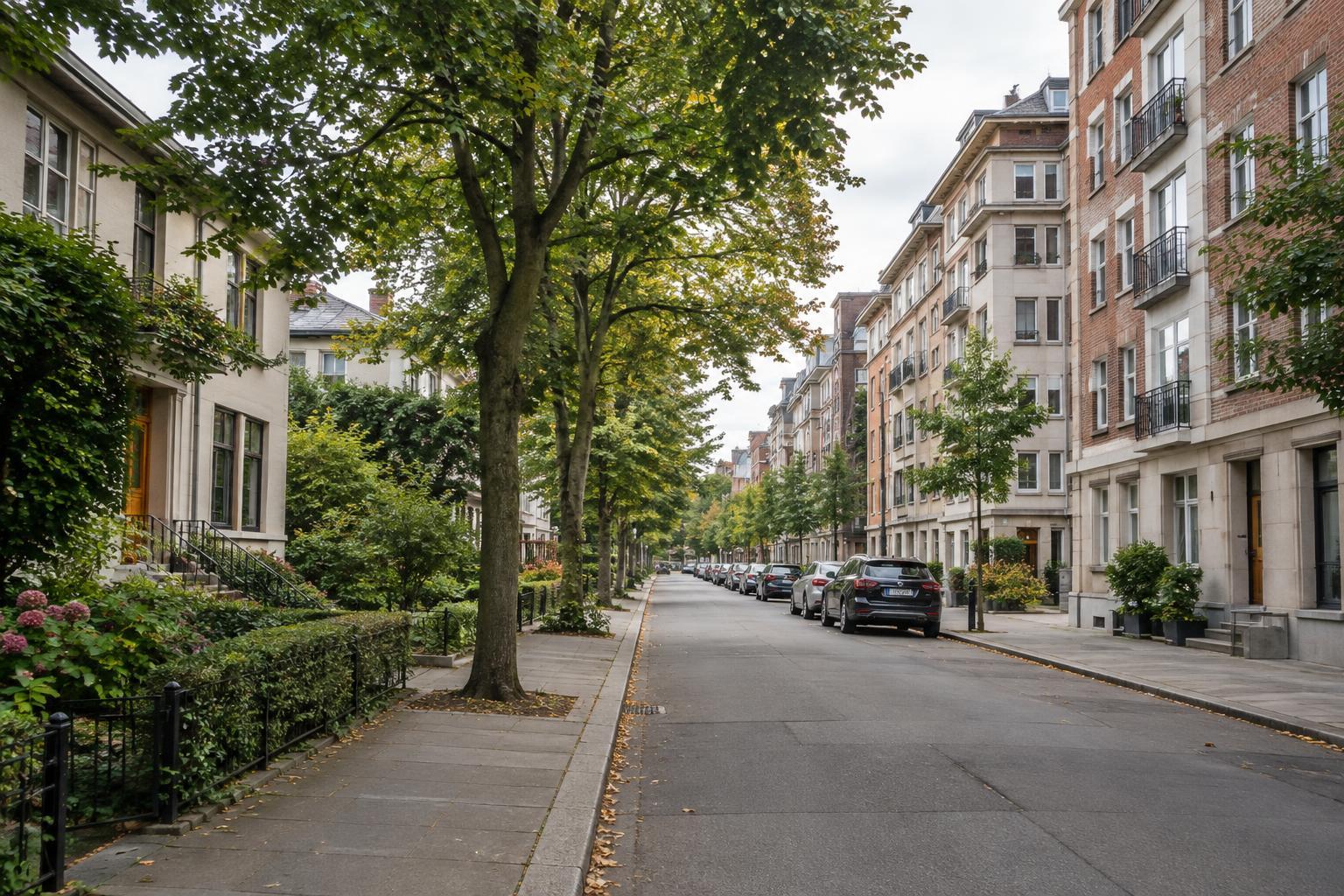
Begin with what you can observe, then widen the frame. How does the building sit beside its neighbors? Do adjoining buildings share a roof height or plot width? Does a former entrance suggest that the street or the building’s use changed? Context can help you form possibilities, though matching facades do not necessarily mean matching construction dates.
If you want to investigate further, look for publicly available heritage records, historic maps or material displayed by a local museum. Compare what those resources say with the features you noticed, and be ready to revise your first impression. You do not need a definitive date to have a rewarding encounter with a place. Often the most interesting discovery is that a familiar-looking building contains several histories at once.