Start with the people, not the collection
A community archive might hold photographs of a market, recordings of former residents, flyers from a local campaign or maps marked with remembered place names. Unlike a collection assembled solely for broad public use, it may have been built by neighbors preserving accounts they felt were missing elsewhere. That purpose matters. The materials can help you see a place more clearly, but they are not simply a supply of interesting images or stories to take away.
Before visiting, read whatever the archive makes available about its mission, opening arrangements and collections. Some spaces welcome drop-ins; others rely on volunteers or require an appointment. If you have a particular question, describe it briefly when you get in touch. “I’m trying to understand how this street was used before the shops changed” gives a volunteer more to work with than a request to see everything old. Leave room for them to suggest a different starting point.
Treat access rules as part of the archive
Access may vary from item to item. A box of public event posters might be easy to browse, while an oral history could have listening conditions agreed with its speaker. A photograph may be available to view but not to copy. These distinctions can protect fragile objects, honor donors’ wishes or respect people whose lives appear in the records. If a rule is unclear, ask before photographing, recording, scanning or sharing material.
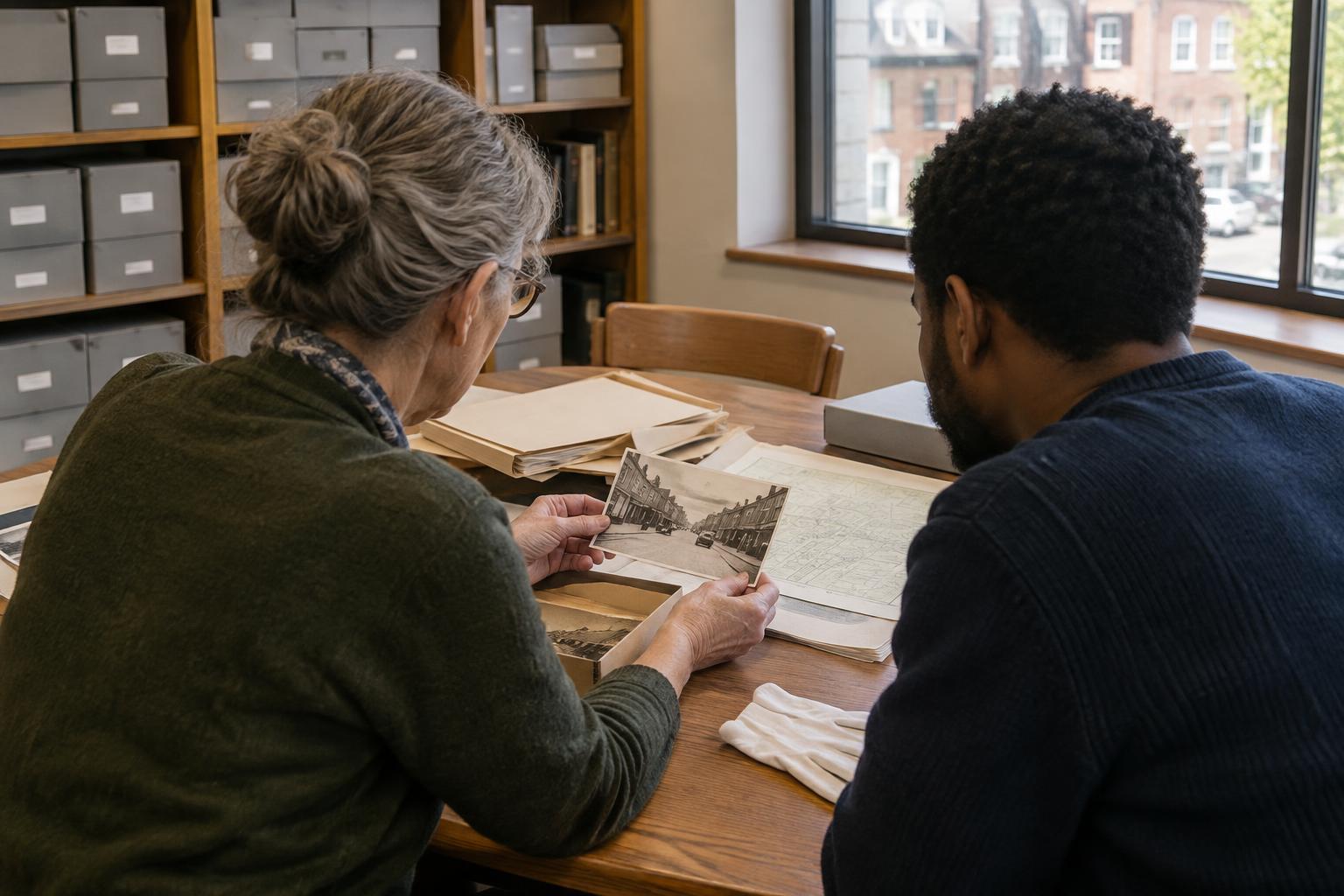
On site, follow the handling instructions you are given. Keep food and drinks away, maintain the order of folders, and note an item’s label before moving to the next one. If the archive provides supports for books or asks you to use a particular pencil, use them. You can still take useful notes without collecting copies of everything: record the item description, its approximate date if known, the question it raises and where you found it. Good notes make a later request for permission much easier.
Look for context around a compelling item
A single image rarely explains itself. A street photograph may show a celebration, a protest or an ordinary crowded afternoon; without a caption or related account, you may not know which. Check any information attached to the item, then ask how that information was supplied. Was it written at the time, recalled years later or added by an archive volunteer? Each can be valuable, but they answer different questions.
Pay attention to what the collection cannot show as well as what it can. Families and organizations with time or resources to save records may be better represented than people who moved often or had little space to keep things. Place names and neighborhood boundaries can also differ between generations. When notes conflict, keep the difference visible rather than forcing a neat story. “The archive labels this building as a meeting hall; one interview remembers it as a dance venue” is more useful than treating either description as the whole account.
Ask permission and give specific credit
Viewing an item does not necessarily mean you may publish it. If you hope to use a photograph, quote an interview or post a document online, tell the archive where it will appear and ask what permissions and credit are needed. There may be a creator, a donor, a speaker and an archive to acknowledge. The archive can explain what it knows, but it may not control every right connected to an item. Allow time for an answer, and be prepared to use your own description instead of a reproduction.
Credit should help someone understand where a piece of history came from, not just fill a line beneath an image. Use the names and wording the archive requests, along with an item title or identifier where one exists. If the creator is unknown, say so rather than guessing. When writing about a personal account, distinguish the speaker’s words from your interpretation. A clear trail of attribution respects contributors and gives readers a way to understand your account.
Carry the visit back into the neighborhood
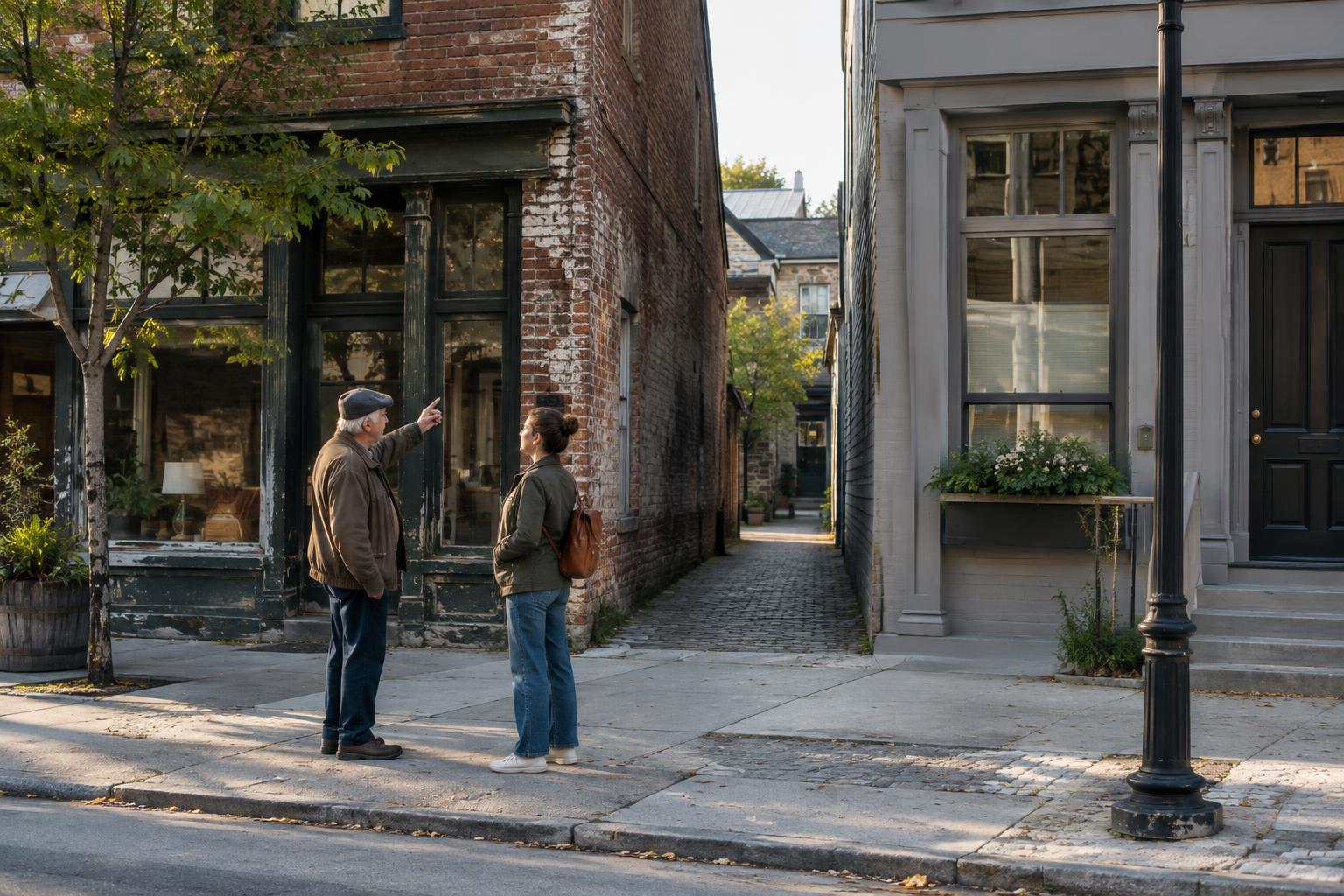
An archive visit can change the way you walk through a place. A familiar corner may once have hosted a gathering space; a modest building may have served several purposes over time. Use those discoveries to look more carefully, not to treat present-day residents as characters in a historical scene. Homes, shops and community spaces still have everyday uses, even when their past is fascinating.
Before you leave, check whether the archive would welcome a correction, a copy of work you later publish or information about an unidentified item. Do not assume your observation is new, but share it if invited. Community archives are often continuing conversations rather than finished accounts. Approaching one with patience, careful questions and clear credit makes the visit more rewarding—and helps preserve the trust on which the collection depends.