A building cannot tell the whole story
An old factory can be compelling even when it is empty. Its windows, loading doors and worn floors offer clues about what happened there. A restored machine may show how raw material became a finished product. But the building alone cannot explain who kept the process running, what they knew, or how the work shaped their days. Workers’ stories connect the physical site to the people whose time and effort gave it a purpose.
That connection changes what a visitor notices. A row of doors might raise questions about shift changes; a stairwell, about how people moved between tasks. Instead of treating every mark as evidence of a particular event, visitors can use such details as prompts to look for records, oral histories or a guide’s explanation. The goal is not to make the walls speak for people, but to listen for the accounts that give those walls context.
Skill is part of the heritage
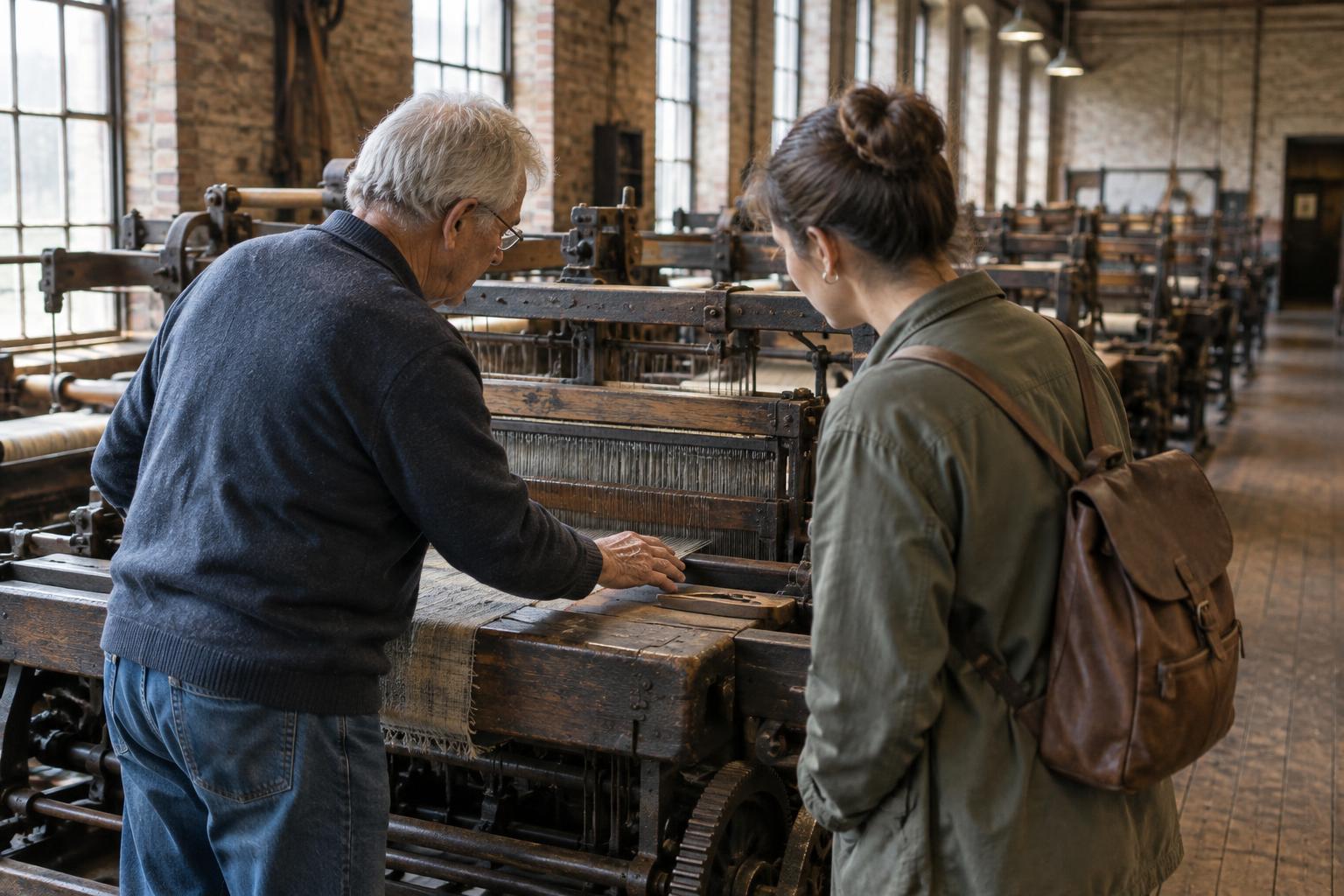
Industrial history is often presented through inventions, owners and output. Those subjects matter, but they can make production seem almost automatic. Workers learned to judge materials, maintain equipment, spot faults and coordinate with colleagues. Some skills were formally taught; others were passed along on the job. Even highly mechanized work depended on human attention, and that knowledge deserves a place beside the machinery.
Stories of everyday routines can also reveal how a workplace functioned as a social space. People formed friendships, disagreed, shared meals and helped newcomers learn their way around. Their experiences were not interchangeable: roles, opportunities and conditions could differ within the same site. Looking for a range of voices helps prevent one memorable account from standing in for everyone who worked there.
Workplaces reached beyond their gates
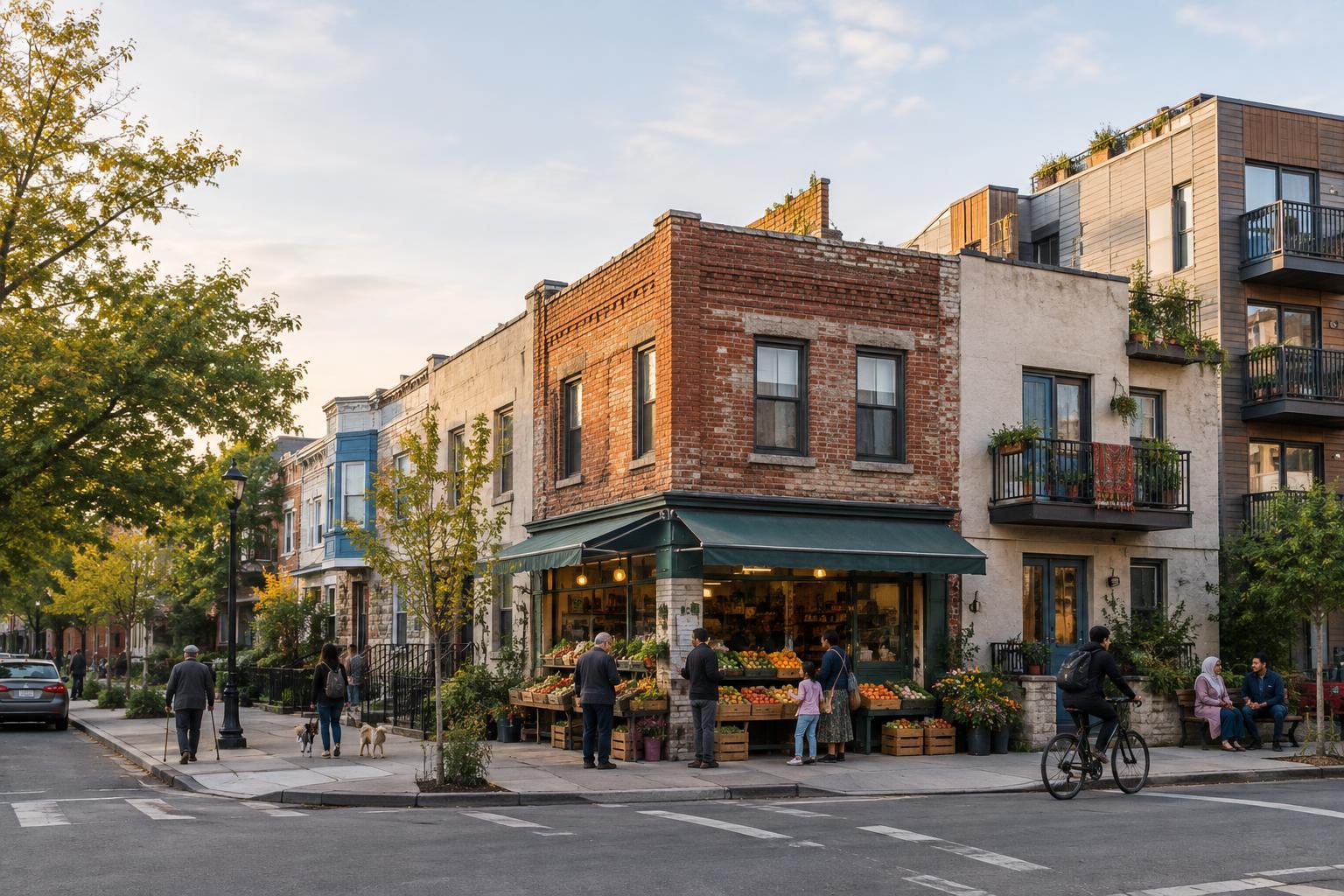
A mill or depot could influence the streets around it as much as the work inside it. Routes to work, nearby homes, shops and gathering places may all have been tied to the rhythm of a workplace. When a site changed or closed, those connections could change too. Workers’ recollections can help explain why an apparently ordinary corner or building matters to a neighborhood.
This broader view makes room for people whose labor is easy to miss. Cleaning, clerical work, transport, food service and care at home may have supported an industry without appearing in a display of its main machines. Asking whose work made other work possible opens up a fuller picture of local heritage. It also reminds us that an industrial site was part of a living community, not an isolated monument.
Respectful listening leaves room for complexity
Workers may remember the same place differently. One person may take pride in a craft or lasting friendships, while another may focus on exhausting hours, unfair treatment or danger. Both kinds of account can belong in the story. Celebrating ingenuity need not erase hardship, and acknowledging hardship need not deny the value people found in their work.
Visitors should also remember that no one owes a stranger a personal history. At a museum or heritage site, start with accounts people have chosen to share publicly. If a conversation arises naturally, ask open questions, accept a refusal and avoid pressing for painful details. Do not photograph or record someone without permission. Careful listening treats workers as people with their own perspectives, rather than as characters added to make a place feel more atmospheric.
How to look for the people in a place
On a visit, read labels for names and roles as well as dates and products. Notice whether displays explain how tasks were learned, who performed them and how working life changed over time. Local museums, community exhibitions and published oral histories may offer perspectives that a tour of the main building cannot. Where accounts are limited, it is better to recognize the gap than to fill it with guesses.
Take the same curiosity outside, while respecting private property and active workplaces. A former industrial district may still be home to residents and businesses; it is not simply a backdrop for photographs. Walk public routes, follow site rules and leave room for the neighborhood’s present-day life. Workers’ stories matter because they turn industrial heritage from a collection of impressive structures into a history of human decisions, abilities and relationships—one worth approaching with both curiosity and care.