Start with people, not a picture
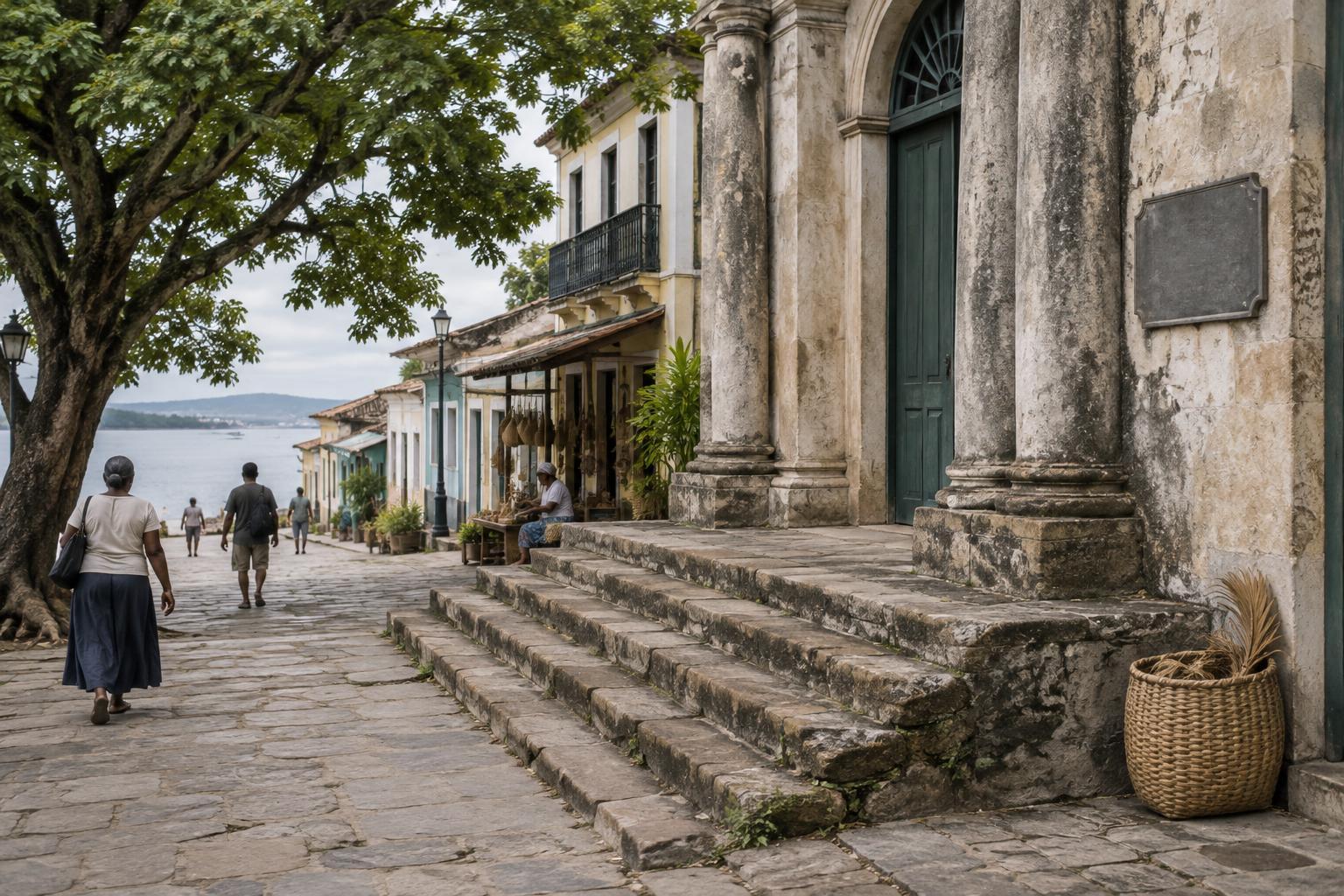
A tradition can be a craft practiced at a kitchen table, a song learned from relatives, a neighborhood procession, or a recipe made for a particular occasion. It may change as people move, adapt materials, or decide what to pass on. Calling it “living heritage” is a reminder that it belongs to people with schedules, preferences, and lives beyond a visitor’s itinerary.
Before a trip, it is easy to imagine a memorable encounter: a maker explaining each step, a family sharing a meal, or a ceremony unfolding within camera range. But access is not the measure of a tradition’s value. Sometimes the most respectful experience is a public exhibition, a shop visit, or a conversation that lasts only a few minutes. Arrive curious about what people choose to share rather than with a scene you hope they will create.
Look for invitations meant for visitors
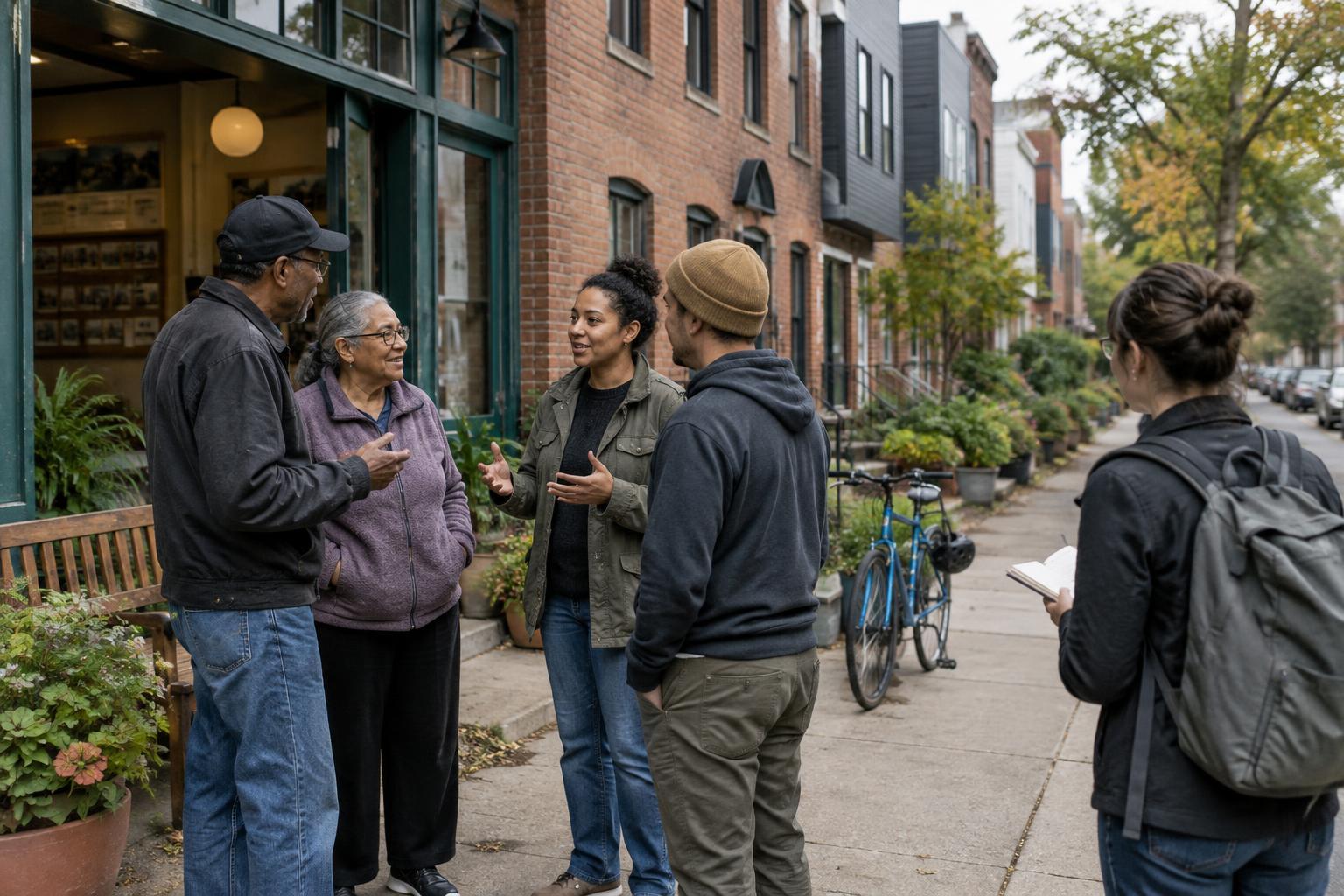
Community-run museums, cultural centers, workshops, open studios, and public festivals can offer a way to learn without interrupting private life. Read how an event describes itself. Is it a demonstration, a class, a market, a celebration, or a religious observance with some public access? Those are different invitations, and each calls for different behavior.
If you are unsure whether an activity welcomes observers, ask an organizer before entering or taking a seat. A person selling work at a stall may be happy to discuss it, or they may be busy serving customers. A gathering visible from the street is not necessarily open to participation. Follow posted guidance, and treat a quiet “not today” as a complete answer. Respecting a boundary is itself a way to support a community’s control over its heritage.
Pay for skill without buying access
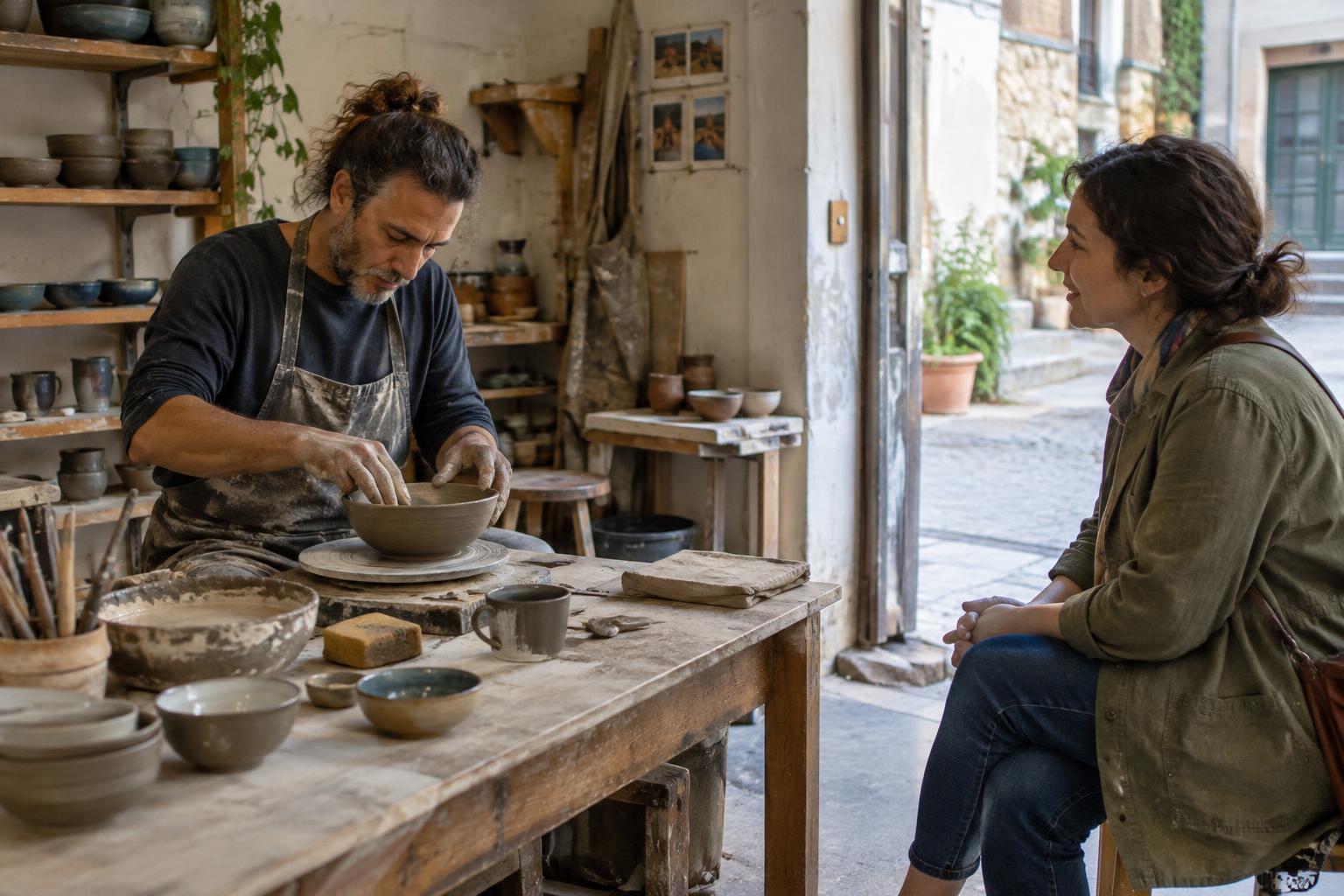
When a workshop has a fee, a museum requests admission, or a maker sets a price, paying it recognizes the time and resources involved. If your budget allows, buying directly from the person or organization presenting the work can be more meaningful than purchasing an anonymous imitation elsewhere. Ask what an item is made for and how to care for it, but do not assume its maker owes you a personal history with the sale.
Money should not turn every encounter into a transaction. An invitation to a community meal may call for a contribution, a purchase, practical help, or simply courteous participation; the host’s guidance matters more than a visitor’s guess. Likewise, offering payment does not make a private practice available on demand. If you want a lesson, look for someone who offers lessons and ask about their terms in advance.
Let documentation be optional
Photographs and recordings can travel far beyond the moment in which they were made. Ask before photographing people, work in progress, interiors, or ceremonies, even when no sign forbids it. If permission is given, check whether sharing the image publicly is also welcome. Someone may agree to a photograph for your own memory but not want it posted with their name or location.
Put the camera away when it changes your role from guest or learner to spectator searching for a dramatic moment. Taking a few notes afterward may help you remember what you learned without demanding anyone’s attention. When you do share an experience, describe the setting accurately and credit the people or organization responsible if they want to be credited. Avoid presenting one encounter as the definitive version of an entire community’s practice.
Make room for tradition to change
Visitors sometimes praise a practice for being “unchanged,” then feel disappointed to see modern tools, new designs, or younger participants doing things differently. That expectation can box people into a version of heritage that suits an outsider’s idea of authenticity. A tradition can remain meaningful while its materials, uses, and participants evolve. You do not need to judge which version is most genuine to appreciate the care behind it.
Support can also continue after you leave. Remember the name of a small museum you enjoyed, recommend a well-run public workshop when someone asks for ideas, or return to a maker whose work you use and value. None of these actions requires a special backstage encounter. The aim is simpler: let people decide how their culture is shared, and meet what they offer with attention, fair exchange, and gratitude.