A memorial is a choice, not a complete record
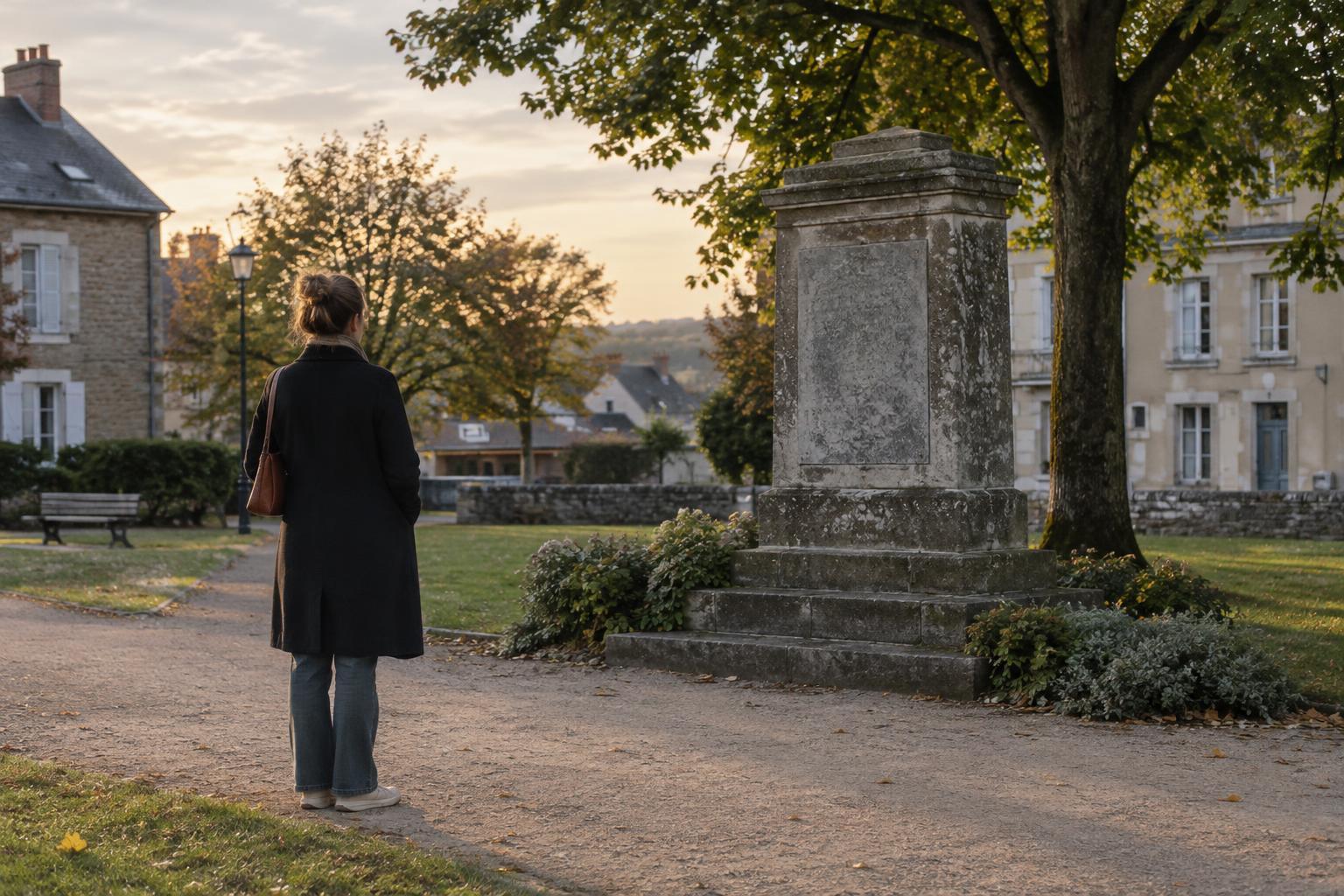
A memorial can look like a final statement: a name cut into stone, a figure raised above a square, a plaque beside a doorway. Yet even a carefully researched memorial cannot hold every experience connected to its subject. Someone chose its location, wording, scale and form. Those choices guide attention. They help visitors understand who or what a community wished to honor, but they do not make the memorial a complete account of the past.
This is part of what makes memorials useful to a curious traveler. They offer a point of entry into local heritage and a glimpse of how people have marked loss, service, struggle or achievement. At the same time, they invite questions. Whose story is easy to find here? What does the text explain, and what does it assume a visitor already knows? Asking does not diminish the people commemorated. It recognizes that public remembrance has limits.
What placement and design bring into view
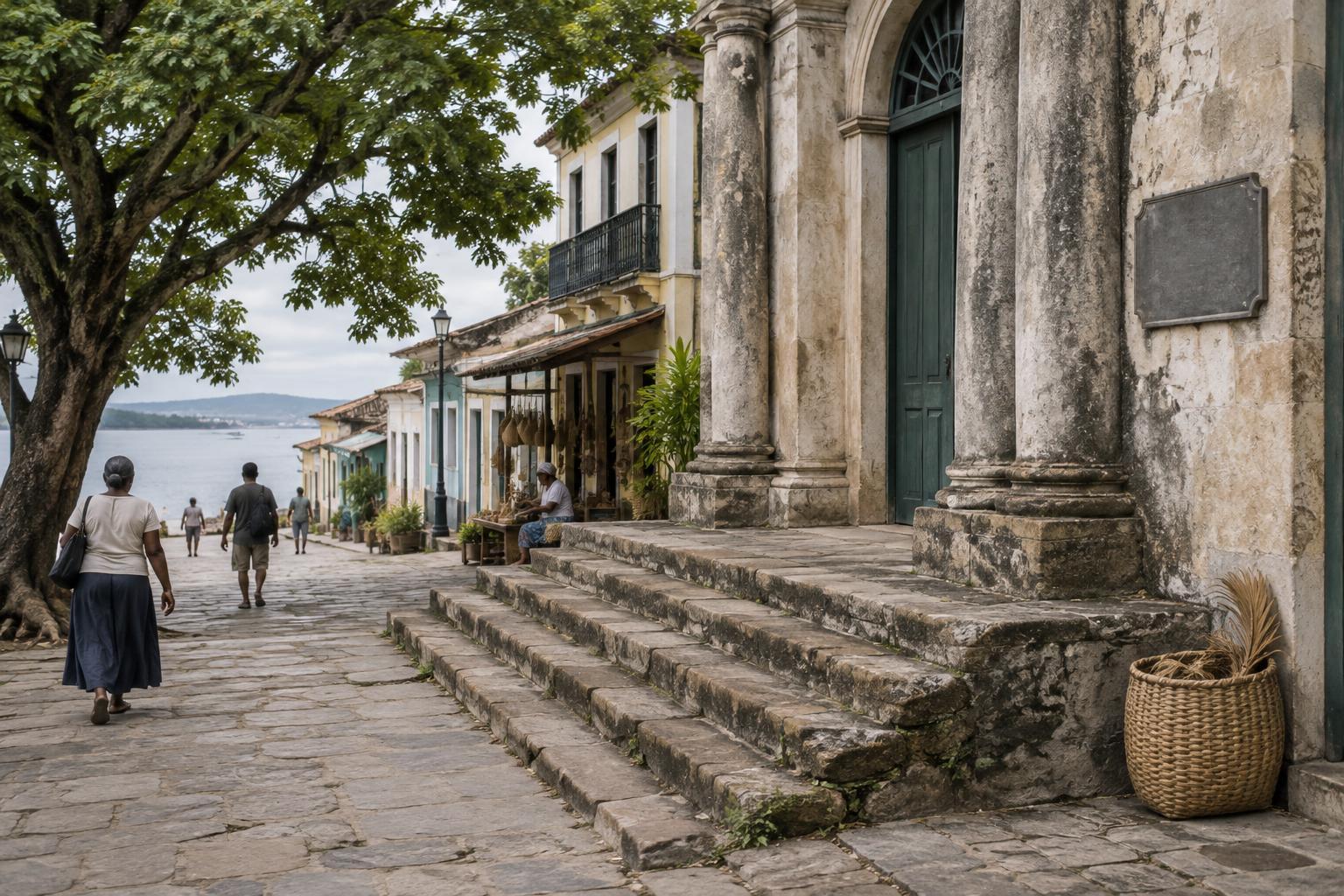
Where a memorial stands affects who encounters it. A monument in a central square may become part of a town’s everyday image; a small marker on a side street may be passed by without a glance. Neither placement tells the whole story of a community’s priorities. Space, funding and later changes to the neighborhood can all play a part. Still, comparing what is prominent with what takes effort to find can reveal how different histories appear in public space.
Design offers another set of clues. A list of names gives individual lives a different presence from a statue representing an ideal. A bench invites people to pause; a wall may ask them to move along and read. Materials, surrounding plants and the direction a memorial faces can shape the experience of visiting it. Notice these details before reading any plaque. What can you understand from the setting alone, and what remains unclear until you seek more context?
The meaning of names, words and silence
The language on a memorial can make a complex event feel settled. A brief inscription may identify a date and a group while leaving out causes, disagreements or consequences. Sometimes brevity is a practical necessity: there is only so much room on a plaque. At other times, wording reflects the perspective of the people who commissioned it. Pay attention to active and passive language. Does the text say who made a decision or took an action, or does it describe something as having simply happened?
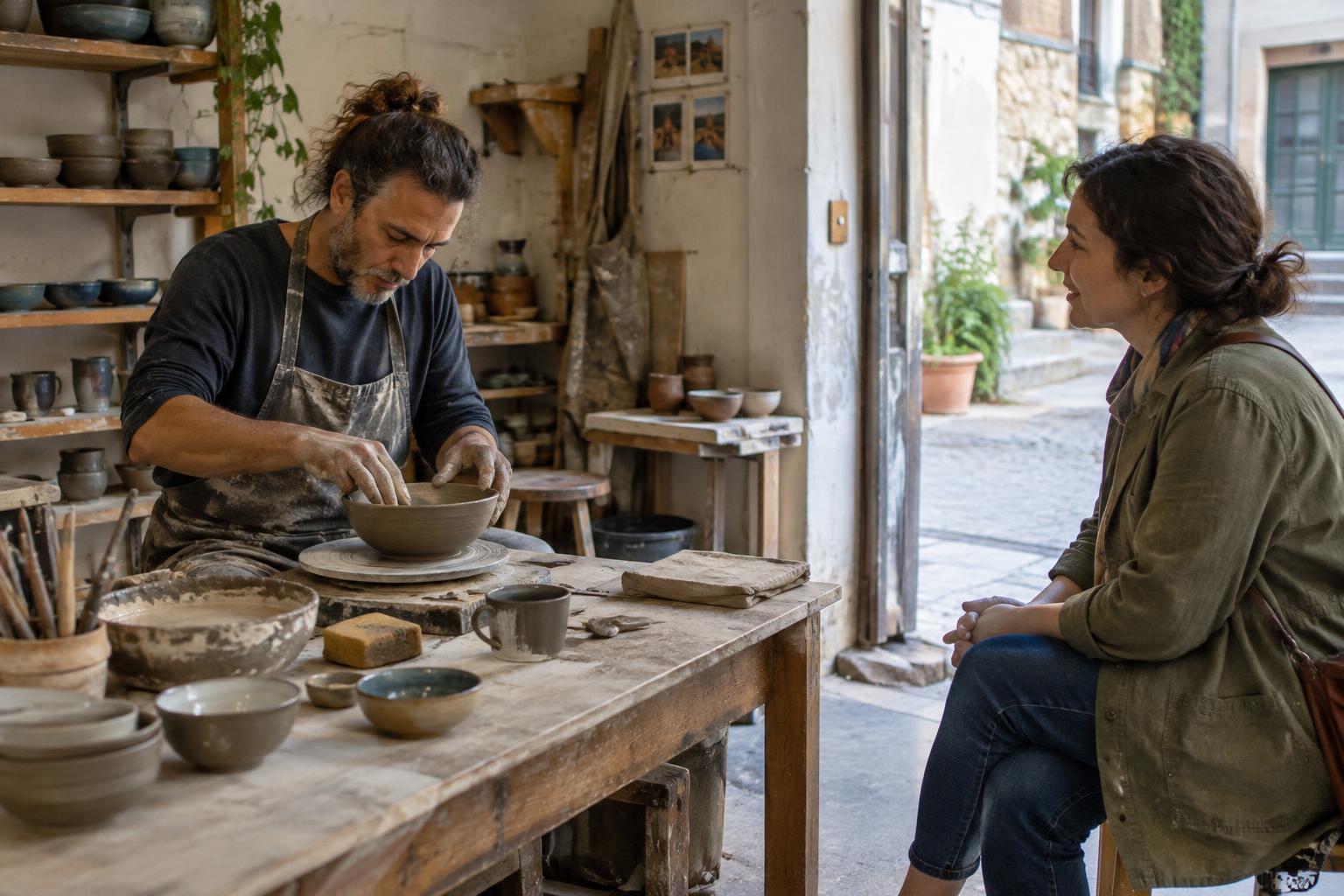
Absence requires care. If a group is unnamed, a visitor cannot automatically know why. Records may be incomplete, names may have been withheld for personal reasons, or those designing the memorial may not have sought every perspective. An omission is a reason to ask a question, not proof of a particular motive. Nearby signs, a local museum or conversations with people who know the area may provide context. They may also reveal that a single event is remembered in more than one way.
Memorials can change without moving
A memorial’s inscription may stay the same while the place around it changes. New residents may bring different experiences to a neighborhood. A former gathering place may become a busy crossing. A marker once familiar to local families may need explanation for visitors who do not share that history. Care, neglect, new interpretation and public discussion can all affect how a memorial is understood over time.
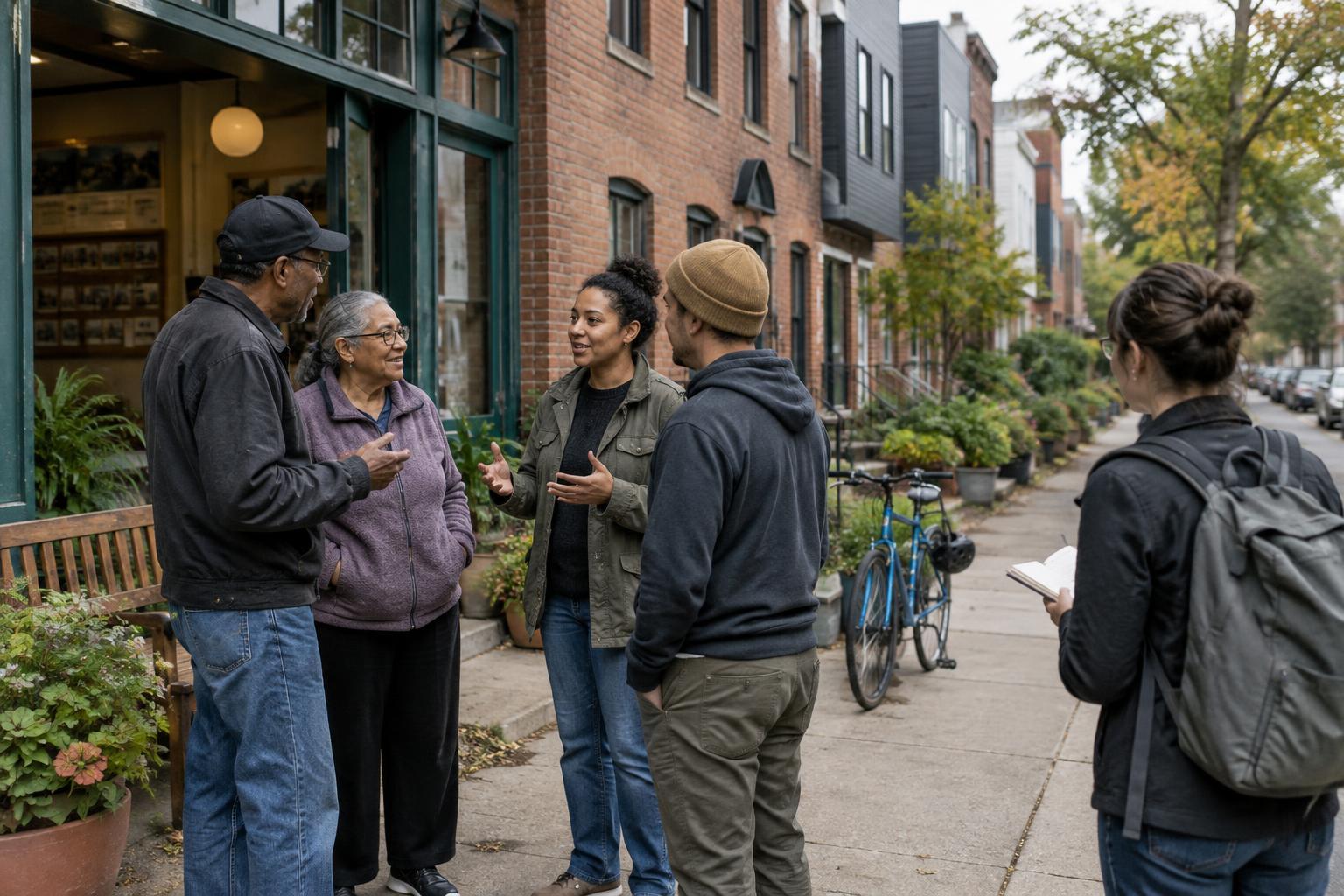
Look for signs of those layers when you visit. Is there a newer plaque beside an older one? Are flowers, notes or other offerings present? Do nearby buildings or street names add context? Such details do not tell you what every resident thinks. They do show that remembrance is not confined to the moment a memorial was installed. People continue to encounter, interpret and sometimes question what has been placed in their shared space.
How to visit with curiosity and respect
Start by reading what is there, including any information about who created or maintains the memorial. Give yourself time to notice the surroundings rather than treating the site as a quick photo stop. If you want to learn more, look for local exhibits, walking routes or community-led accounts that can add perspectives beyond the inscription. Compare accounts without expecting one short visit to resolve every disagreement about the past.
Respect matters especially at places connected to grief or violence. Keep paths clear, follow posted guidance and be mindful of people who may be there to remember someone rather than to sightsee. Photographing a public memorial may be appropriate, but consider whether other visitors want to appear in the frame. The aim is not to uncover a secret meaning behind every stone. It is to recognize that memorials make choices about what is visible—and to remain attentive to the lives and histories beyond their edges.