Heritage is a relationship, not just an old thing
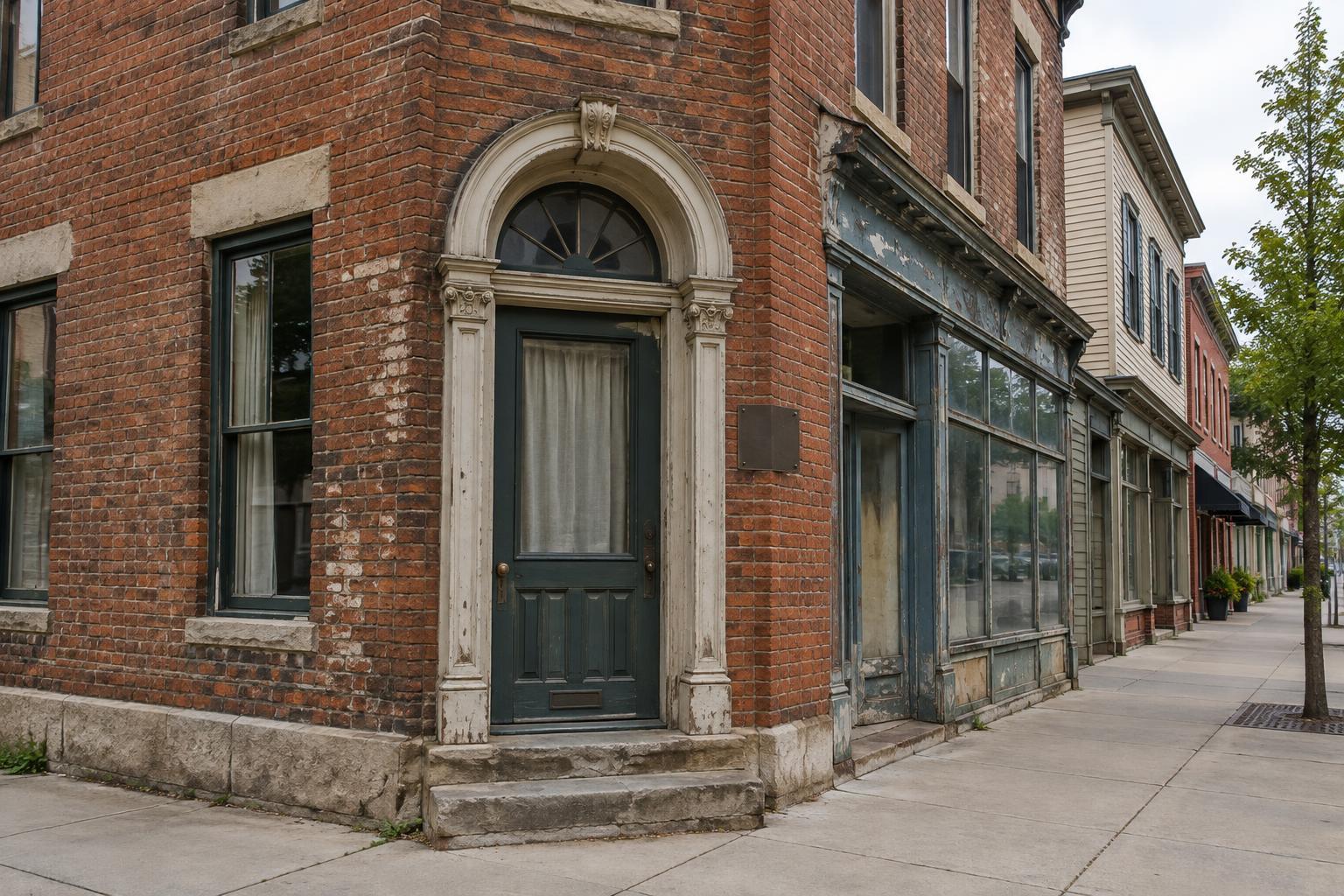
A grand building may be easy to recognize as heritage. A corner shop, a shared courtyard, or a well-used footpath can be harder to see in the same light. Yet local heritage is not determined by age or appearance alone. It grows from the meanings people attach to places, objects, and practices, and from the ways those meanings are passed along, questioned, or changed.
An ordinary building may matter because generations have gathered there. A newer mural may matter because it gives a neighborhood a way to tell its own story. Neither example needs to be universally loved to be significant. Different residents may remember the same place differently, and a useful account of heritage leaves room for those differences.
When exploring a place, ask more than “How old is this?” Try “Who uses it?”, “What does it help people remember or do?”, and “Who gets to decide whether it is worth keeping?” Those questions make the subject broader, but also more grounded in local life.
Buildings and spaces people use
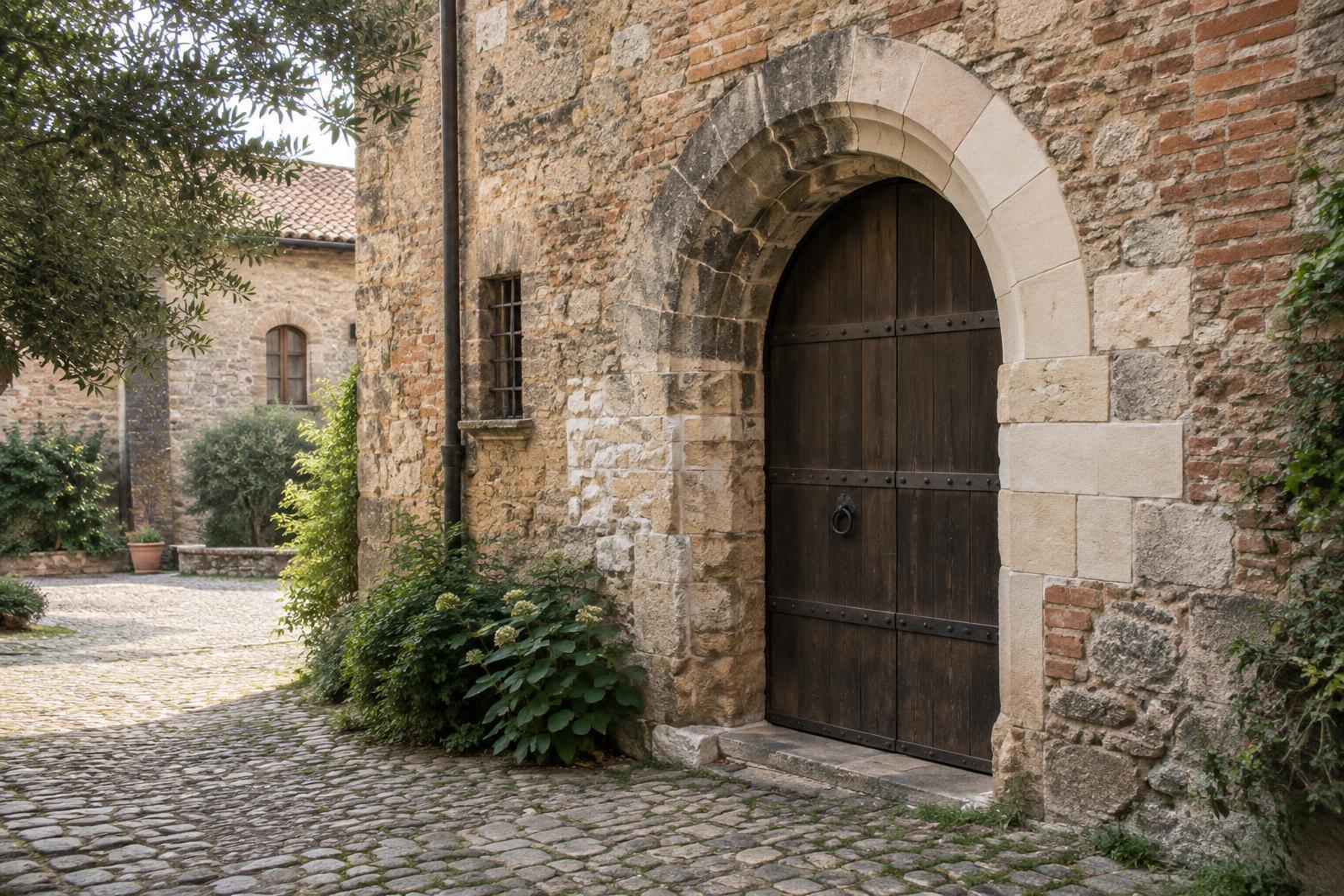
Local heritage can take the form of a market hall, a row of workshops, a modest place of worship, or a bus shelter with a distinctive design. Streets, steps, gardens, and gathering spots can be just as important as individual buildings. Their value may lie in how they connect people: a route to school, a place to meet neighbors, or a setting for annual celebrations.
Look for signs of adaptation rather than expecting a place to appear frozen in time. A former workshop might become a community room while retaining its broad doors. Shopfronts may change hands and still preserve the pattern of a shopping street. Continued use can keep a place meaningful, even when parts of its physical fabric change.
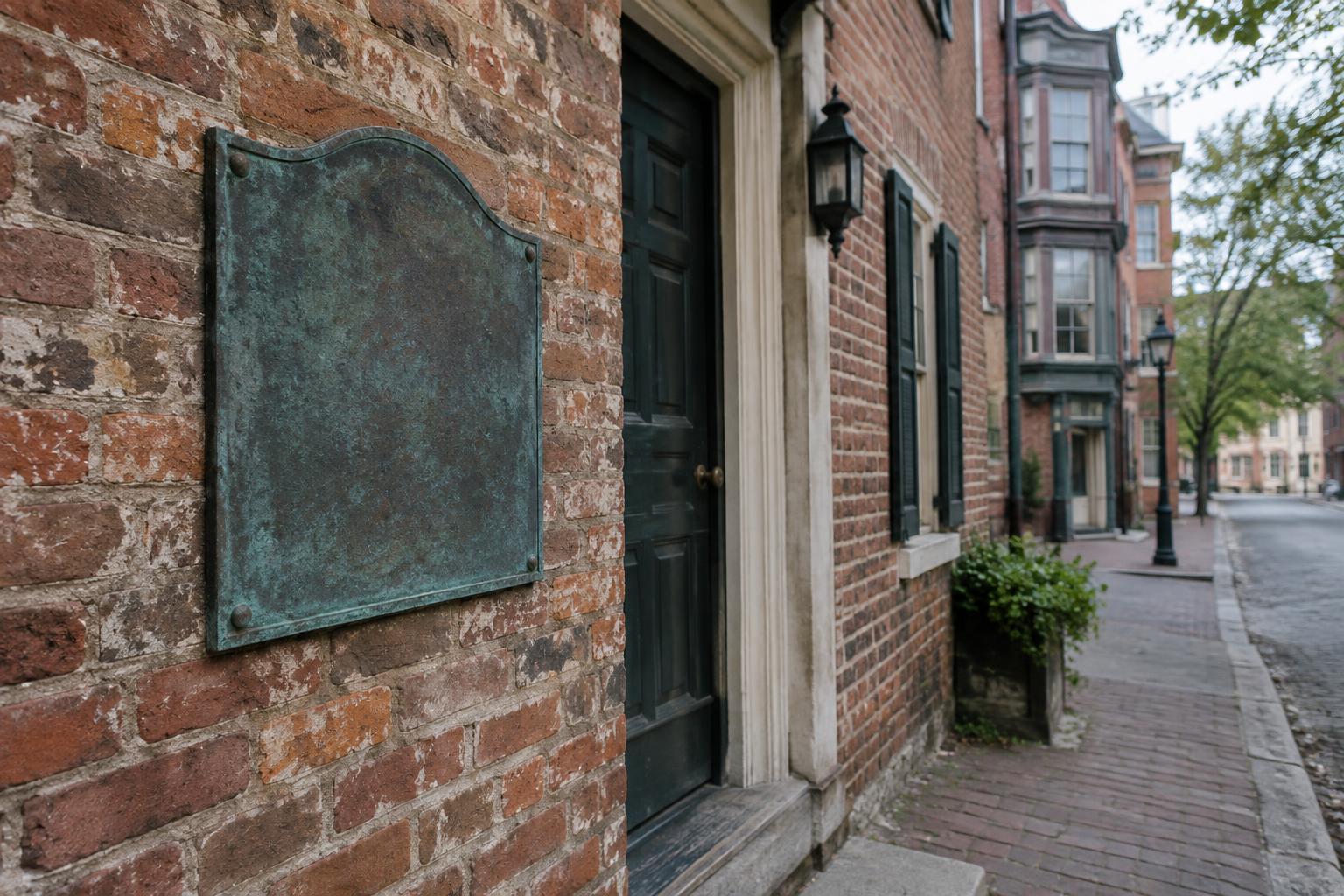
Visible details offer clues, not complete histories. An inscription might identify a former use, but it will not tell you everything about the people who worked inside. A tidy restoration may conceal later alterations that also mattered. If an explanation is available locally, compare it with what you can observe rather than assuming the oldest-looking feature is the most important.
Objects that carry everyday memory
Heritage also fits in a cupboard, a display case, or a working toolbox. Photographs, cooking utensils, shop signs, handmade clothing, and tools can show how daily life was organized. Their significance often comes from use and context, not rarity. A patched garment may reveal more about care and resourcefulness than an untouched decorative piece.
Small museums and community displays can make these connections easier to see. Labels may explain who donated an object or how it was used, while a grouping of items can show changes in work, travel, or home life. If a label leaves you curious, treat that gap as a question rather than filling it with a guess. Objects rarely speak for every person who used them.
Ownership matters, too. Some belongings are private, sacred, or meaningful only within a particular community. Being interested in an object does not create a right to handle, photograph, or share it. Follow the guidance of its keepers and pay attention to how they choose to present it.
Traditions that are still being made
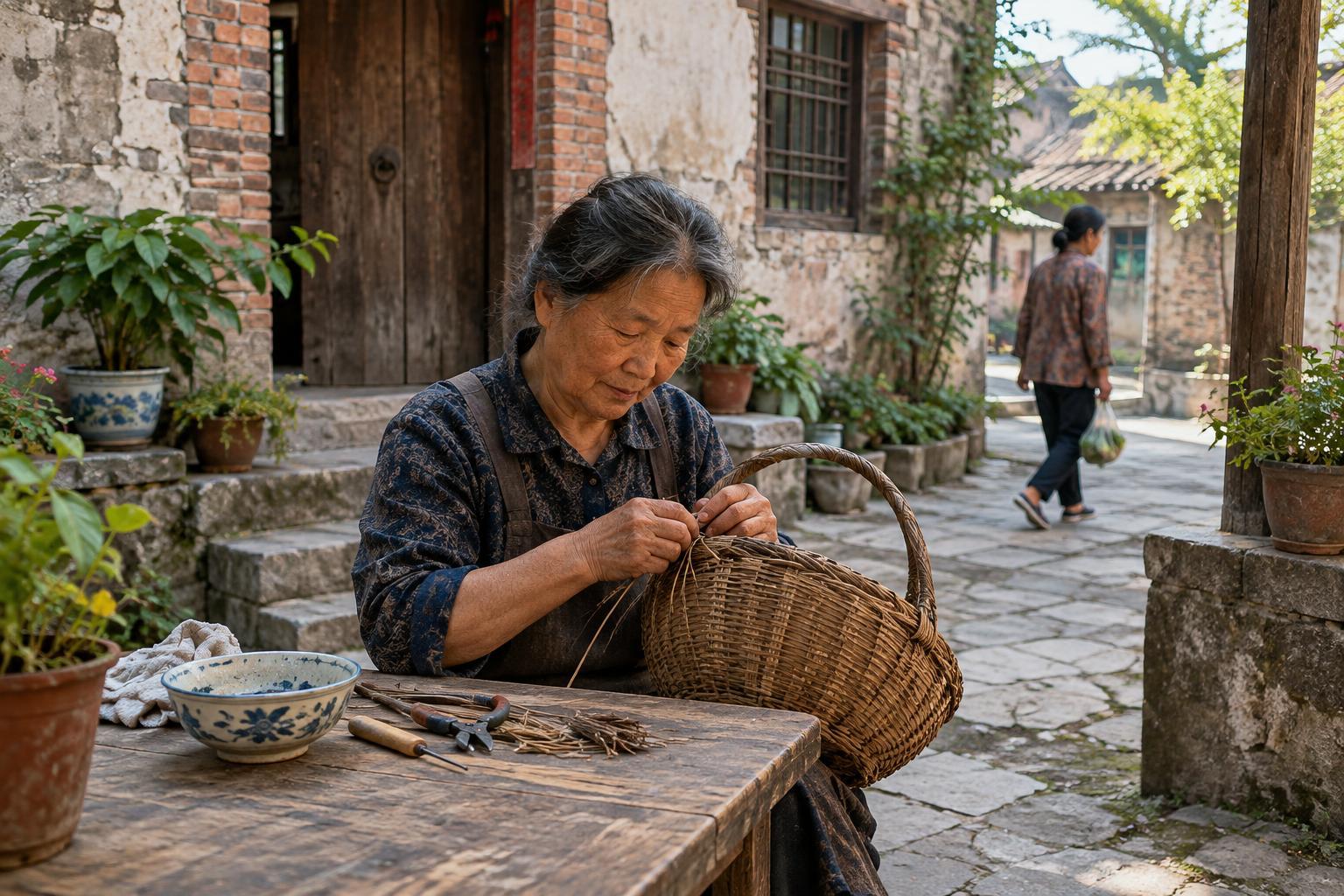
Not all heritage can be put behind glass. Songs, foodways, craft skills, languages, festivals, and ways of caring for a shared space may be learned through practice. People can carry these traditions while adjusting them to new circumstances. Change does not automatically make a tradition less meaningful; it may be part of how the tradition remains useful.
Living heritage is especially easy for visitors to misunderstand. A public celebration may be welcoming, but it is not necessarily staged for spectators. A craft demonstration may show one person’s approach rather than the only correct version. Listen to how participants describe their own practices, and avoid asking anyone to perform or explain something simply because it seems unfamiliar.
There can also be disagreement about which customs should continue and how. Respecting a tradition does not require pretending a community has one voice. It means recognizing that the people involved have the strongest claim to shape its future.
How to notice heritage respectfully
Start with accessible places and information: a neighborhood walk, a small museum, a public noticeboard, or an event that explicitly welcomes visitors. Notice recurring materials, signs of repair, and the different uses of shared spaces at different times. Read local descriptions when they are offered, and keep your own conclusions provisional.
Before taking a photograph, consider whether the subject is a public-facing feature, a private home, or a person going about their day. Ask permission where appropriate, observe posted rules, and accept a refusal without debate. Supporting a local venue or buying directly from a maker can be a way to engage, but a purchase is not a substitute for courtesy.
The aim is not to compile a definitive list of what counts. It is to see that heritage can be monumental or modest, carefully preserved or still in active use. The best starting point is curiosity paired with attention to the people for whom these places, objects, and traditions are part of everyday life.