A name on a list is a starting point
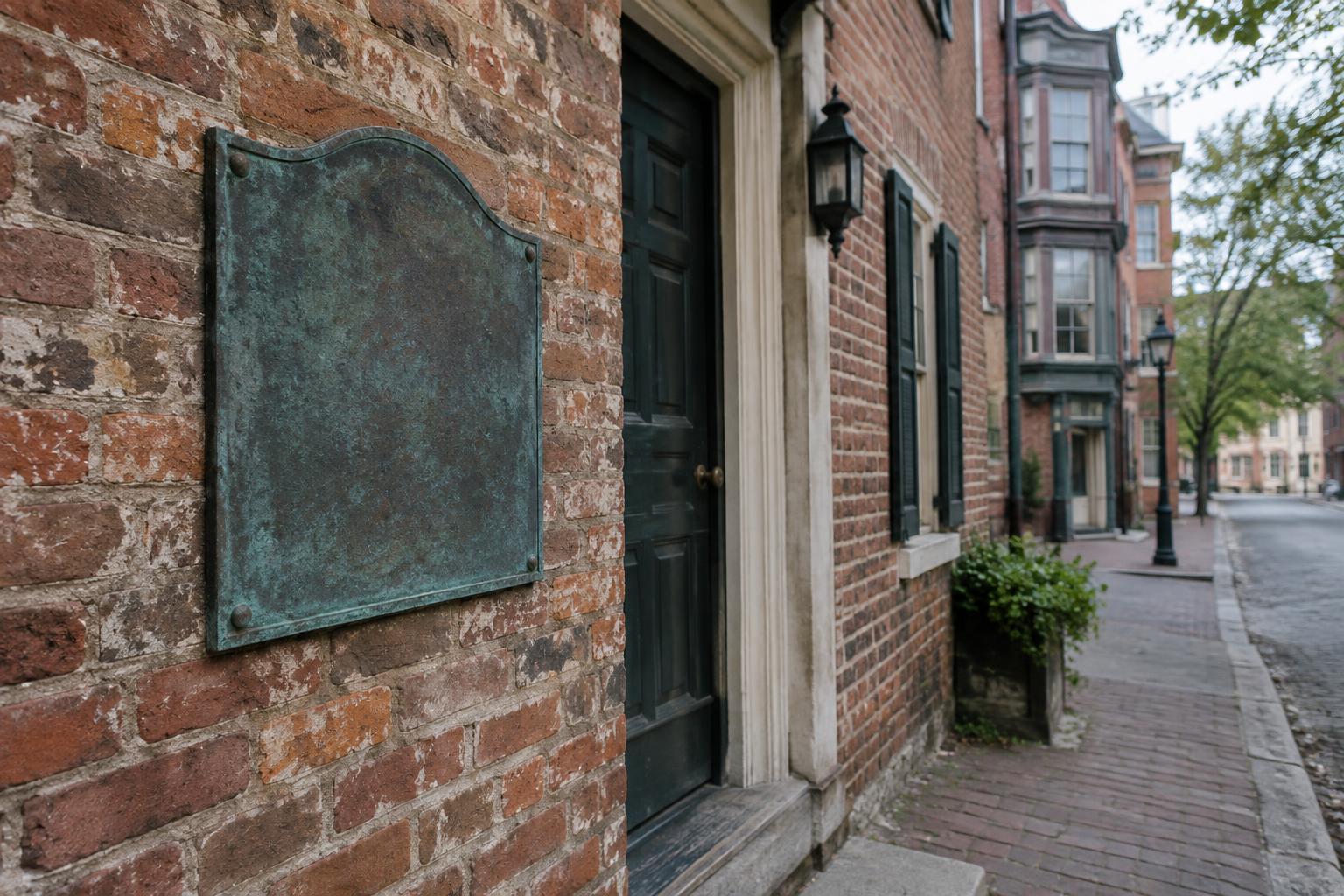
A plaque on a building or a shaded area on a heritage map can suggest that a place is safe from change. The reality is less simple. Heritage designation identifies something considered important, such as a building, streetscape or archaeological site. Preservation is the continuing work of caring for that place and deciding how it can change. One may support the other, but a designation alone cannot repair a roof, find a new use for an empty shop or keep a community connected to a neighborhood.
The word “designated” is also not a universal promise. Depending on the place and the authority involved, a listing might be primarily an honor, a trigger for review before alterations, or part of a stronger set of controls. A national register, a local landmark and a conservation district can have different purposes and effects, even when all are described as heritage protection. To understand a particular site, it helps to ask which authority made the designation and what rules, if any, follow from it.
What a designation may cover
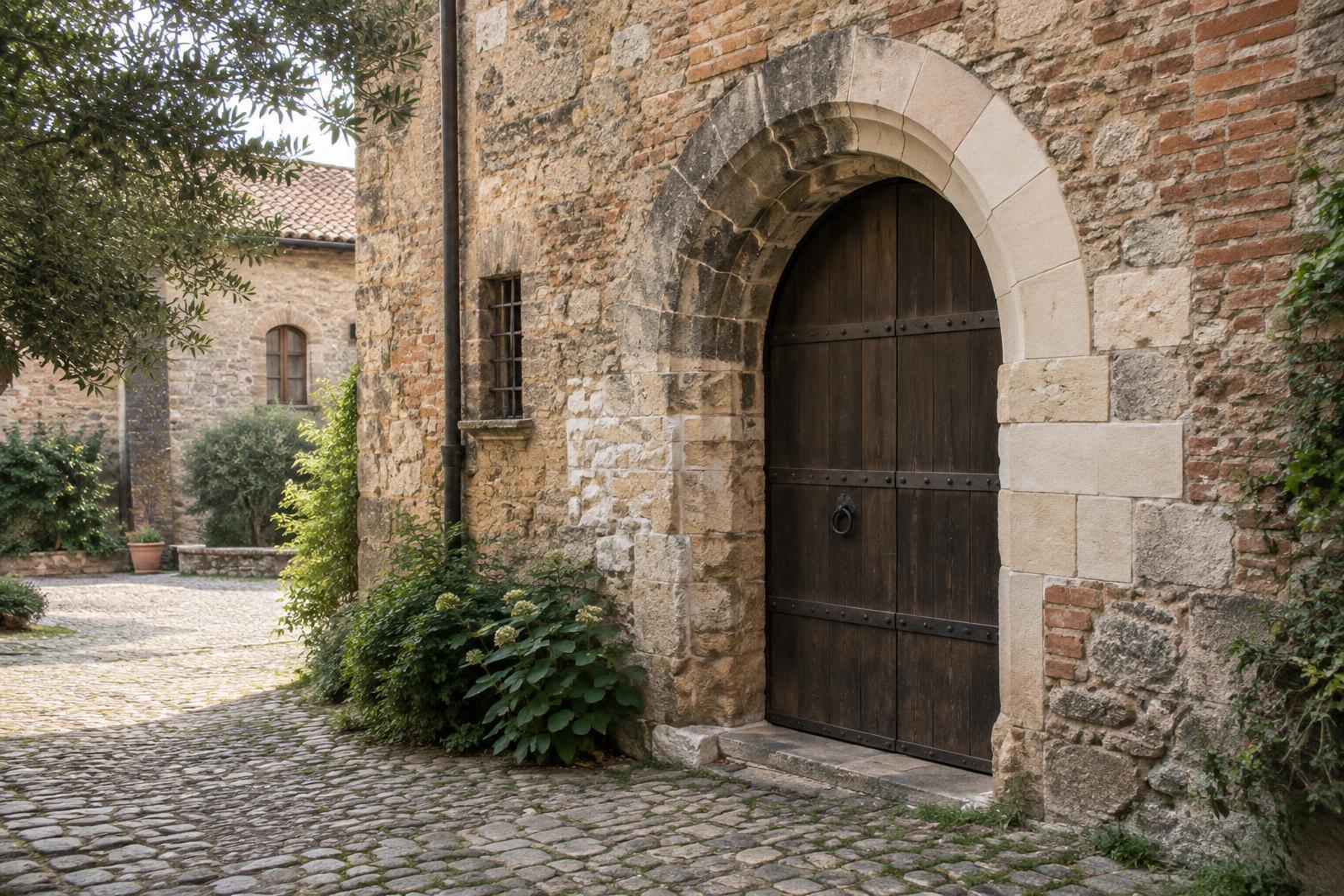
Protection often has a defined scope. For one building, the concern may be its exterior form and visible materials. For another, certain interior spaces or fittings may be included. A district designation may focus on the collective character of streets, building heights and patterns of development rather than treating every structure as equally significant. Boundaries matter too: a courtyard, garden or neighboring building may be inside or outside the designated area.
Designation does not always mean that nothing can be altered or demolished. Some systems require an owner to seek permission for specified work; others ask for an assessment or consultation before a decision is made. An application can sometimes be approved with changes or conditions. Ordinary maintenance may be treated differently from replacing windows, adding a floor or removing a building. The exact process depends on local rules and on what the designation identifies as valuable.
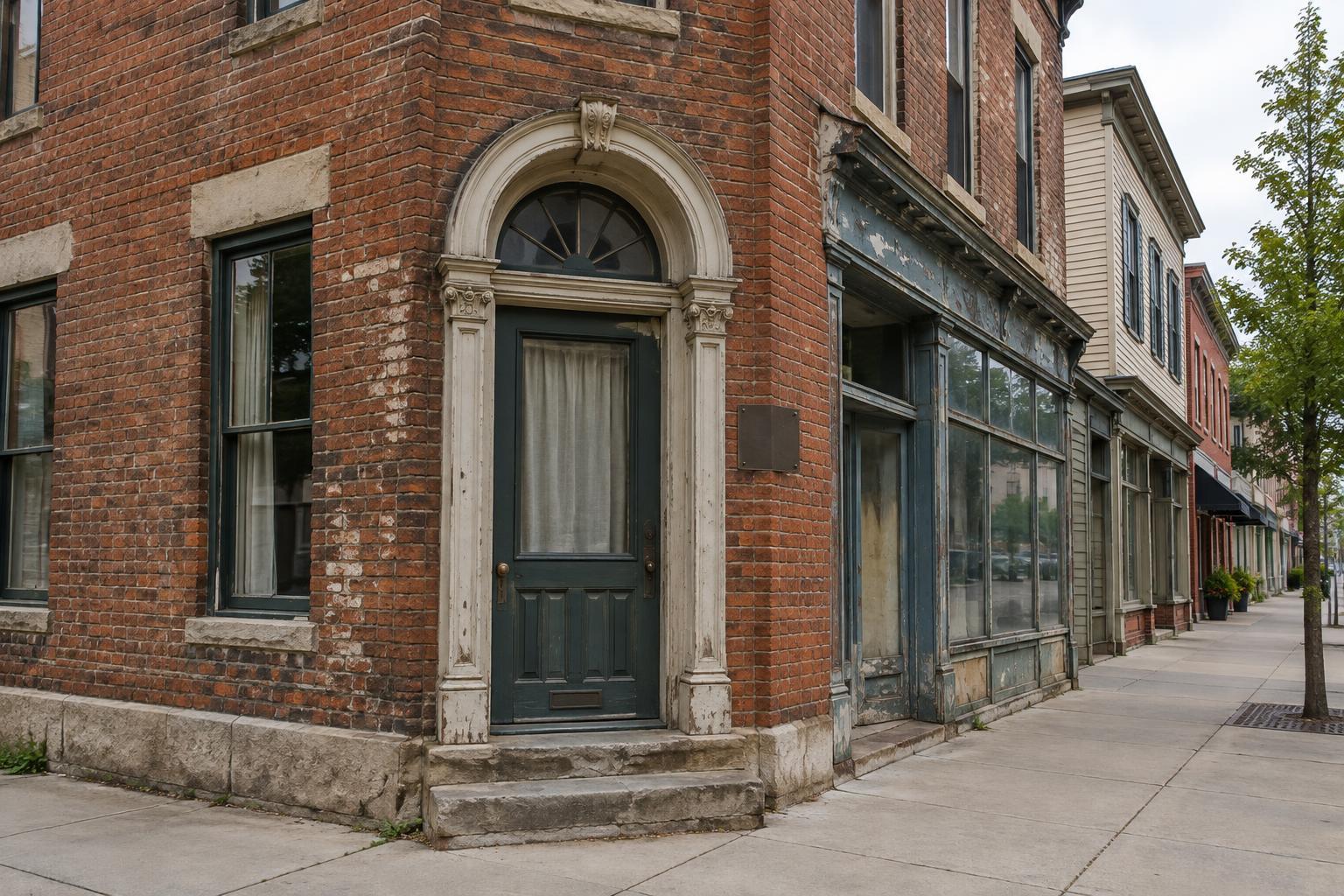
That distinction is useful when looking at an older street. A carefully retained facade might stand beside a substantially changed interior. A modest workshop may be valued as part of a group even if it has no individual plaque. Neither sight tells the whole story of what has been protected—or lost.
Recognition does not pay for upkeep
Keeping a place in good condition takes labor, materials, skills and a workable use. Designation may help guide repairs, but it does not necessarily provide money to carry them out. Grants, tax arrangements or technical support may exist in some places, with eligibility and obligations of their own; they should not be assumed to accompany a listing. Owners, tenants, public bodies and local organizations may each hold different pieces of the responsibility.
This is why preservation is often less dramatic than a campaign to save a threatened landmark. It can mean maintaining drainage so water does not damage masonry, finding a use for a vacant hall, or adapting a storefront without erasing the features that give it character. Change can be necessary for a place to remain useful. The harder question is which changes allow its significance to remain understandable and which make that significance harder to see.
The heritage outside the boundary
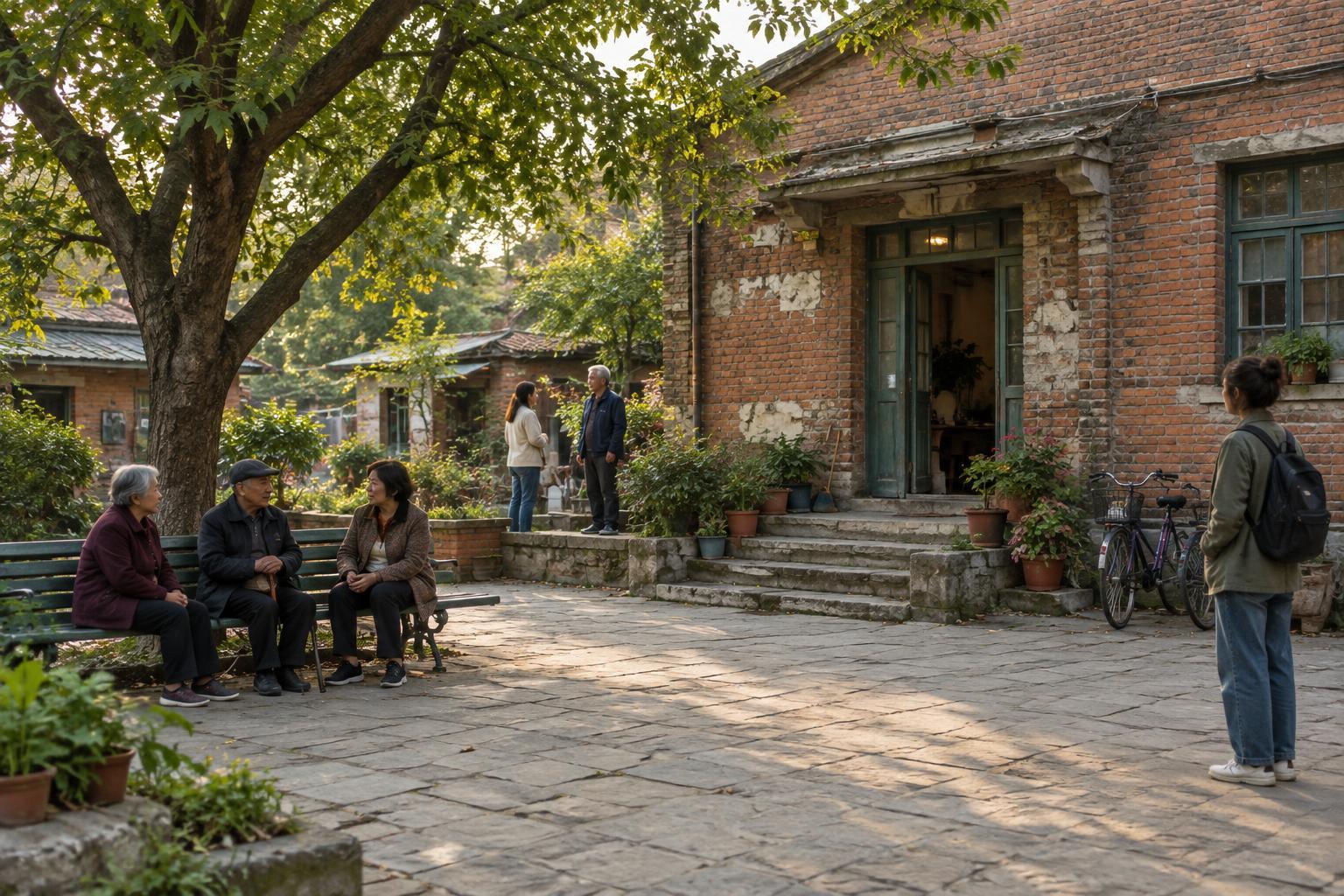
Formal protection tends to draw lines around physical places. Local heritage also lives in activities: a market’s routines, a neighborhood’s gathering spots, craft knowledge, or the way residents use a public square. A building can retain its historic appearance while the people and practices associated with it disappear. Conversely, a place with no formal listing can remain deeply meaningful to those who know it.
Decisions about what deserves recognition are made by people, and those decisions can reflect whose stories have been recorded and whose have been overlooked. A designation is therefore worth reading as a statement of selected values, not a complete account of a place. Asking residents, community groups and small local institutions what matters to them can reveal histories that a plaque or official description leaves out.
How to read a protected place as a visitor
Begin with the wording of any sign or public description. Does it name a single building, a wider area or a particular feature? Notice what is still in use, what has been adapted and where newer work meets older fabric. A small museum, library or neighborhood walking route may offer more context, but it is worth leaving room for perspectives beyond a single official account.
Respect for heritage is practical as well as curious: observe access rules, avoid treating occupied buildings as exhibits and support places that welcome visitors on their own terms. If you want to know what a designation permits for a specific property, consult the relevant local authority rather than relying on the plaque. For a traveler, the larger lesson is simpler. A label can point you toward a story; preservation depends on the decisions and everyday care that follow.