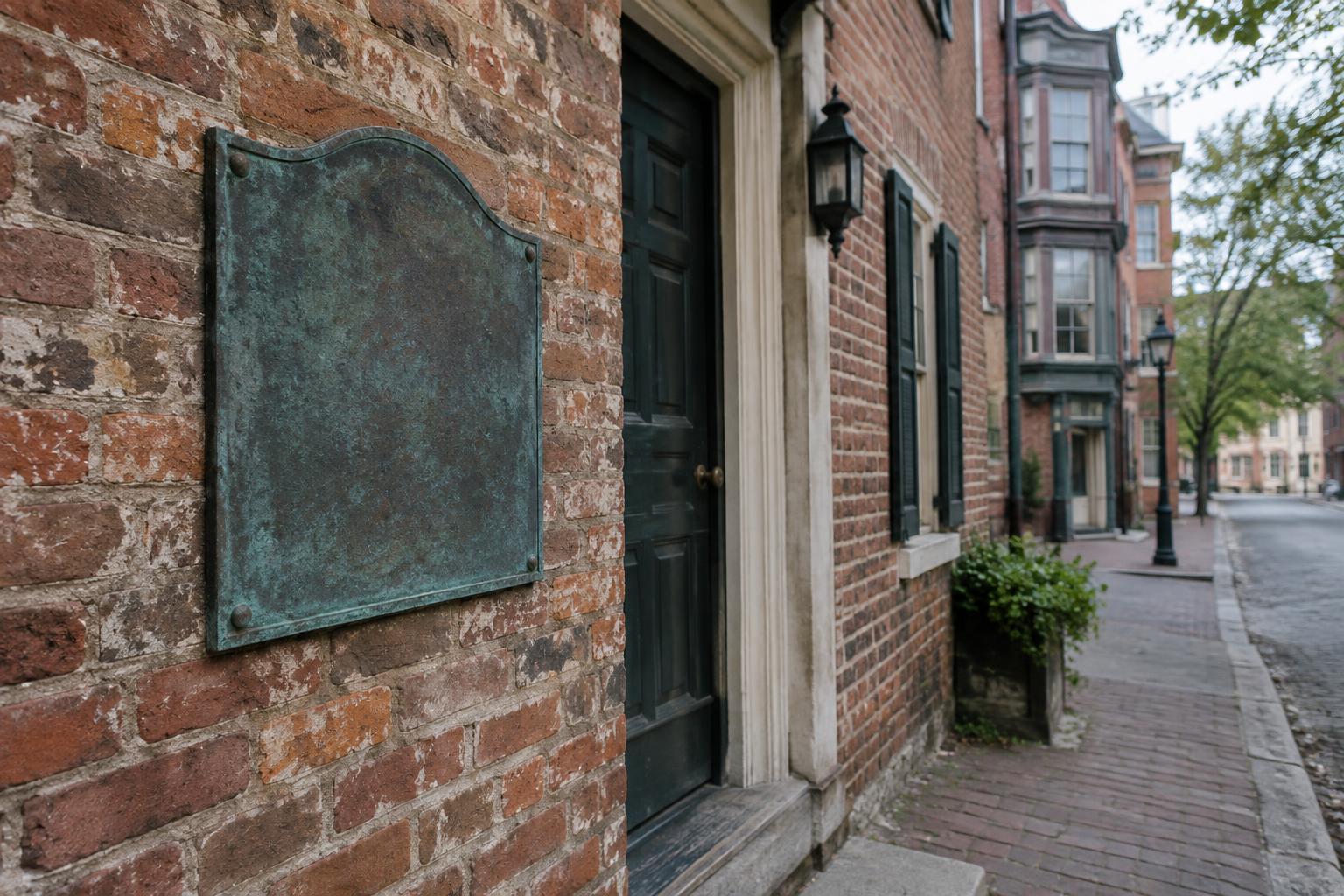
Begin with what the plaque actually says
A historic plaque offers a compact story in a public place. It may identify a building, commemorate a person or mark an event whose physical traces are hard to see. That makes it a useful invitation to pause. It also means the story has been compressed: names, dates and a few carefully chosen verbs must stand in for a much larger past.
On a first reading, separate the plaque’s concrete details from its interpretation. What does it say happened here, and when? Does it describe something you can still see, such as a doorway or street layout, or something that has disappeared? Then notice words such as “pioneer,” “improved” or “saved.” These may express a judgment as well as a fact. You do not have to reject the plaque to ask what evidence or perspective lies behind that choice of words.
Ask who made the marker, and for whom
Look for the organization named on the plaque and any indication of when it was installed. A local society, public agency, property owner or community group may have different reasons for choosing a subject. The installation date matters, too: a marker reflects the concerns and language of the people who put it up, not just the period it describes. If the plaque does not name its sponsor or date, treat that as an unanswered question rather than a clue with an obvious meaning.
Pay attention to the intended audience. Is the marker positioned for passersby, visitors entering a building or people gathered at a memorial? Does it explain terms a newcomer would need to know, or assume familiarity with local names? Its location and tone can suggest what kind of public memory it was designed to support. Those observations are not proof of its makers’ motives, but they can help you frame better questions.
Notice the edges of the story
Plaques often focus on a single notable person, a formal opening or a moment of change. Try asking who else made that place work. A marker about a grand residence might leave little room for the people who built, maintained or worked in it. One about a commercial street may name an owner but not the customers, tenants or neighboring households. An omission does not automatically make the stated facts false; it tells you that the account has boundaries.
Also ask what happened before and after the event being commemorated. If a plaque celebrates a new use for a building, what was there previously? If it marks the site of a demolished structure, why might that structure be gone? Some answers may be difficult to establish, and a brief visit will not settle them. Keeping the questions open is more useful than filling gaps with guesses.
Read the surroundings alongside the words
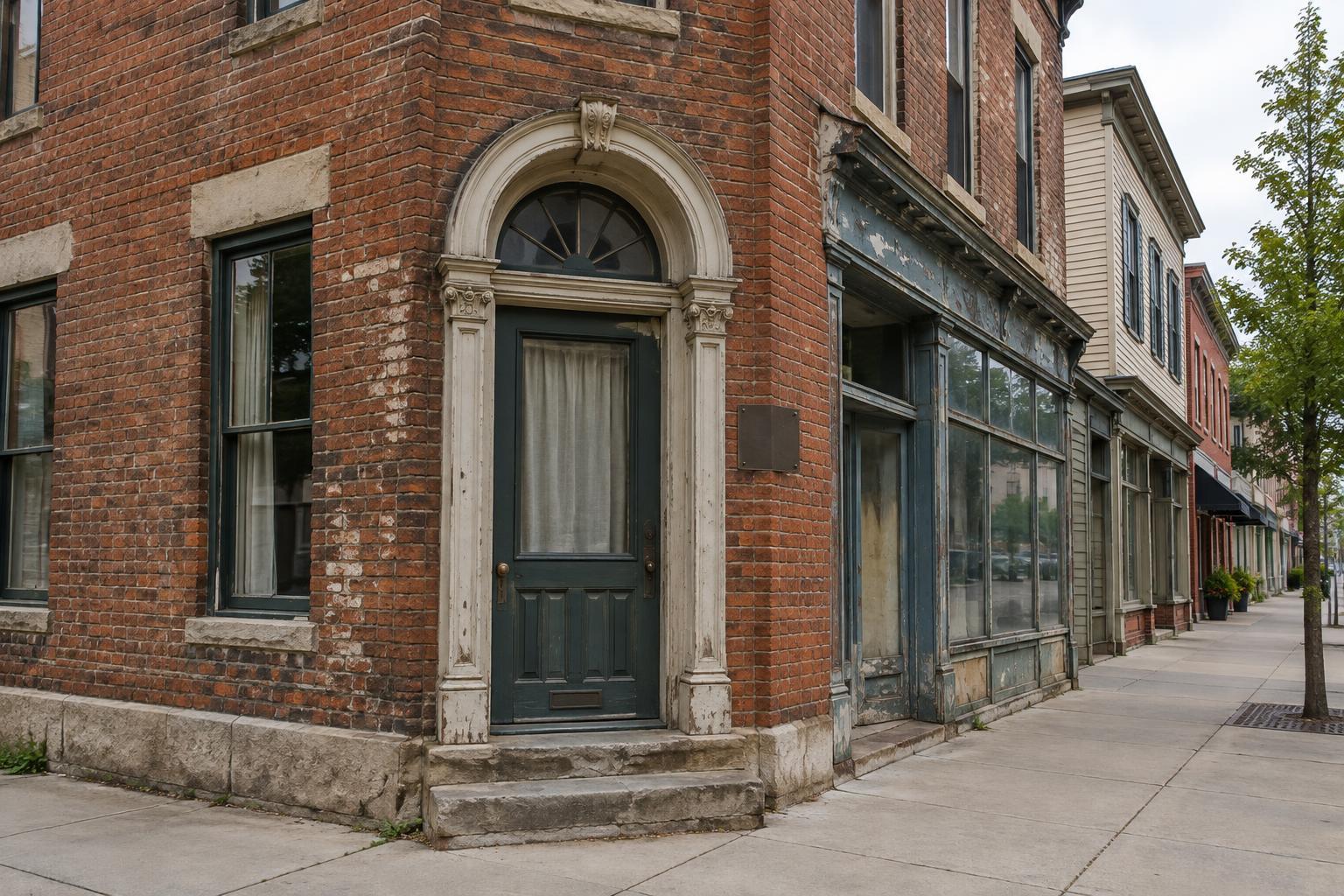
Step back from the marker and look at its setting. Street widths, entrances, materials, reused buildings and neighboring businesses can all complicate a tidy account of the site. A plaque describing a former meeting place may stand outside a building that has changed repeatedly. That contrast is part of the place’s history, not a distraction from it. Take care, though, not to assign an age or original purpose to a feature on appearance alone.
If you want to learn more, record the plaque’s exact wording, its location and any names or dates it provides. Later, those details can guide you toward a local archive, library collection, museum or heritage organization. Compare accounts where possible, noting whether they answer the same question or emphasize different parts of the story. A second account can add context without necessarily being a complete or final version.
Stay curious without turning a place into a puzzle to solve
Critical reading is not a hunt for mistakes. Some plaques preserve knowledge that would otherwise be easy to miss; others show how a community chose to remember a place at a particular time. Both are worth noticing. A useful habit is to leave with three things: one detail you learned, one word or framing choice you want to think about, and one question the marker could not answer.
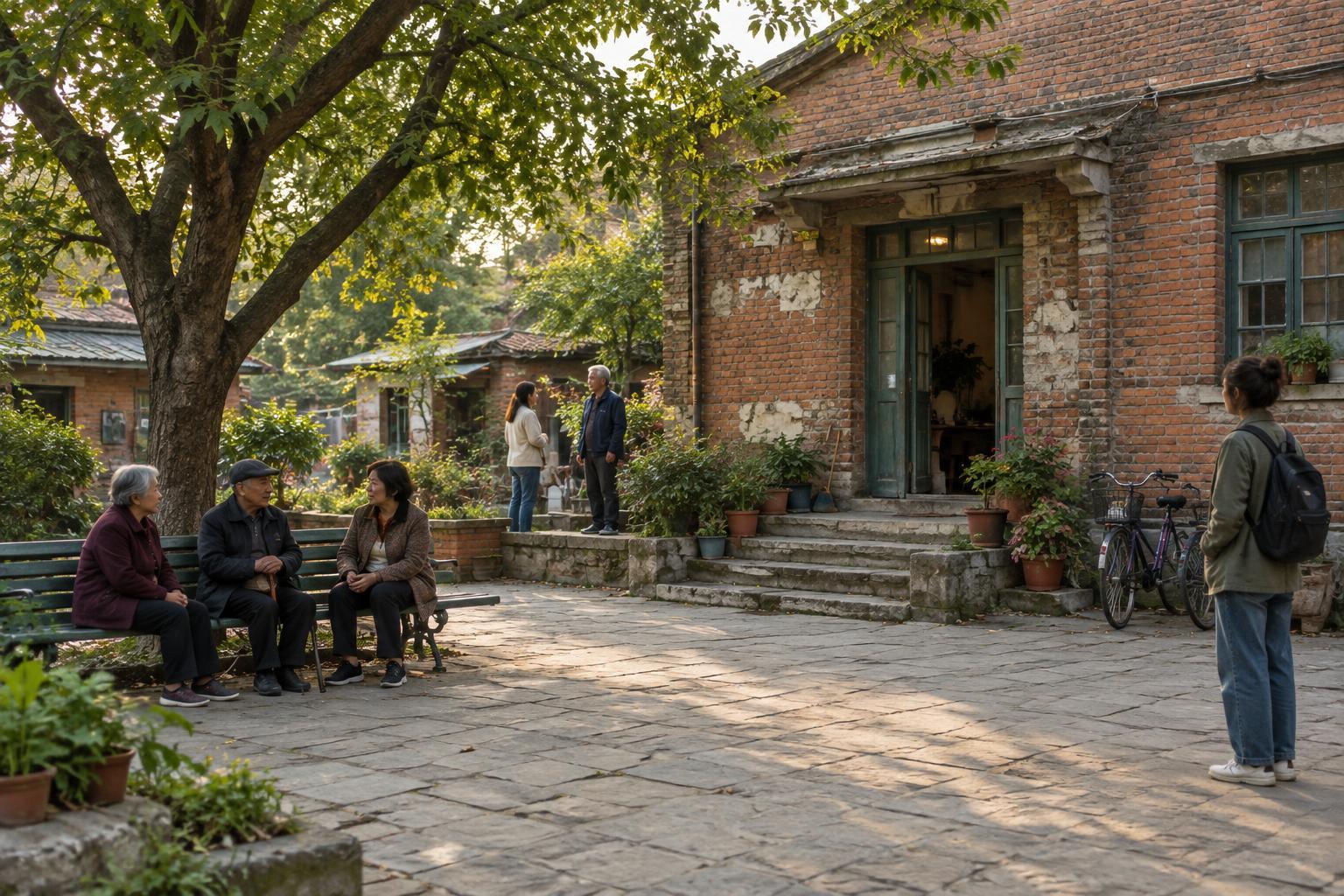
Remember that heritage sites are often part of someone’s daily surroundings. Read from public space, respect access rules and avoid treating residents or workers as exhibits. You may never uncover a definitive account of a corner or building. Even so, a careful reading can turn a short inscription into a more thoughtful encounter with the people, changes and choices that shaped the place.