Mistaking the oldest story for the whole story
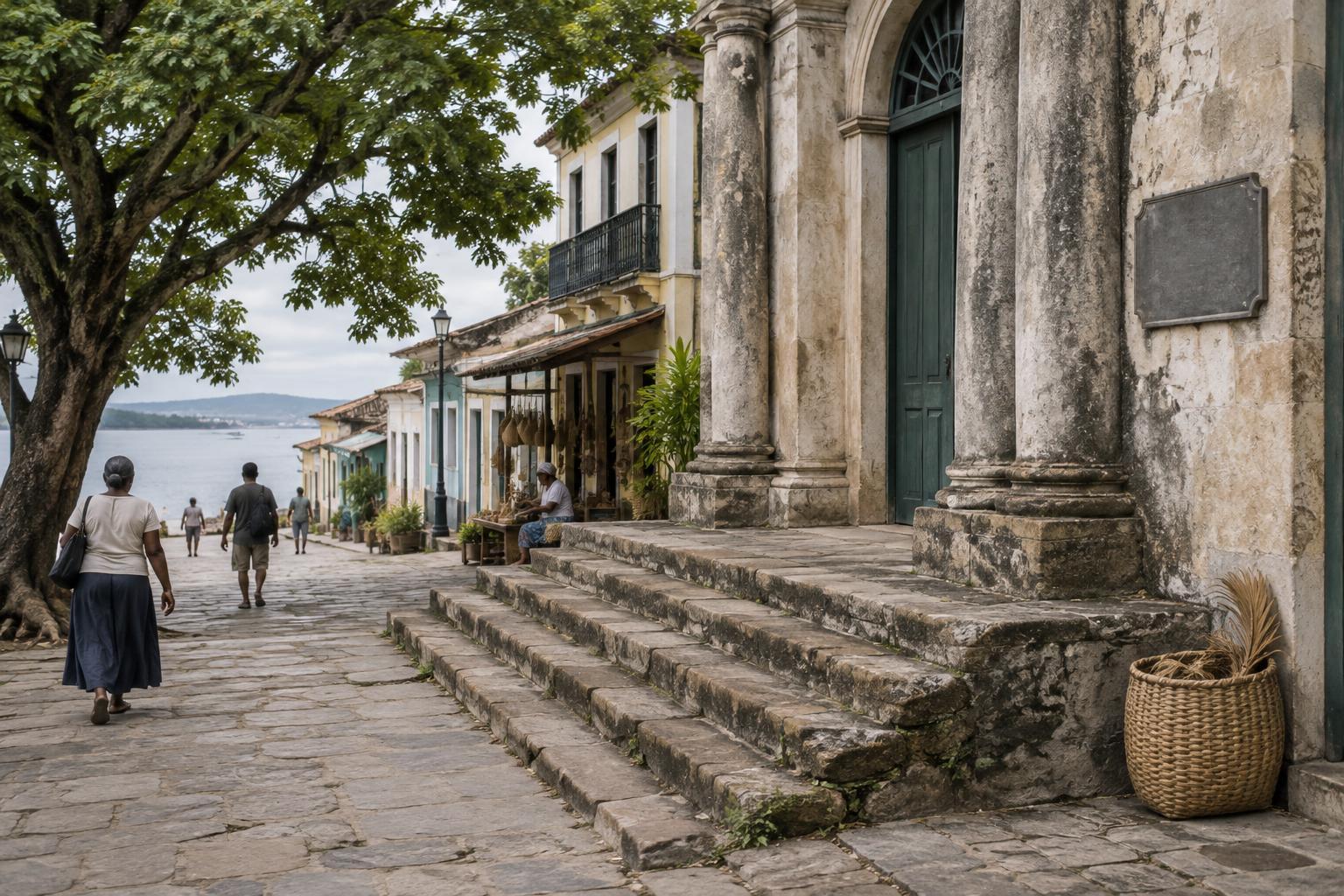
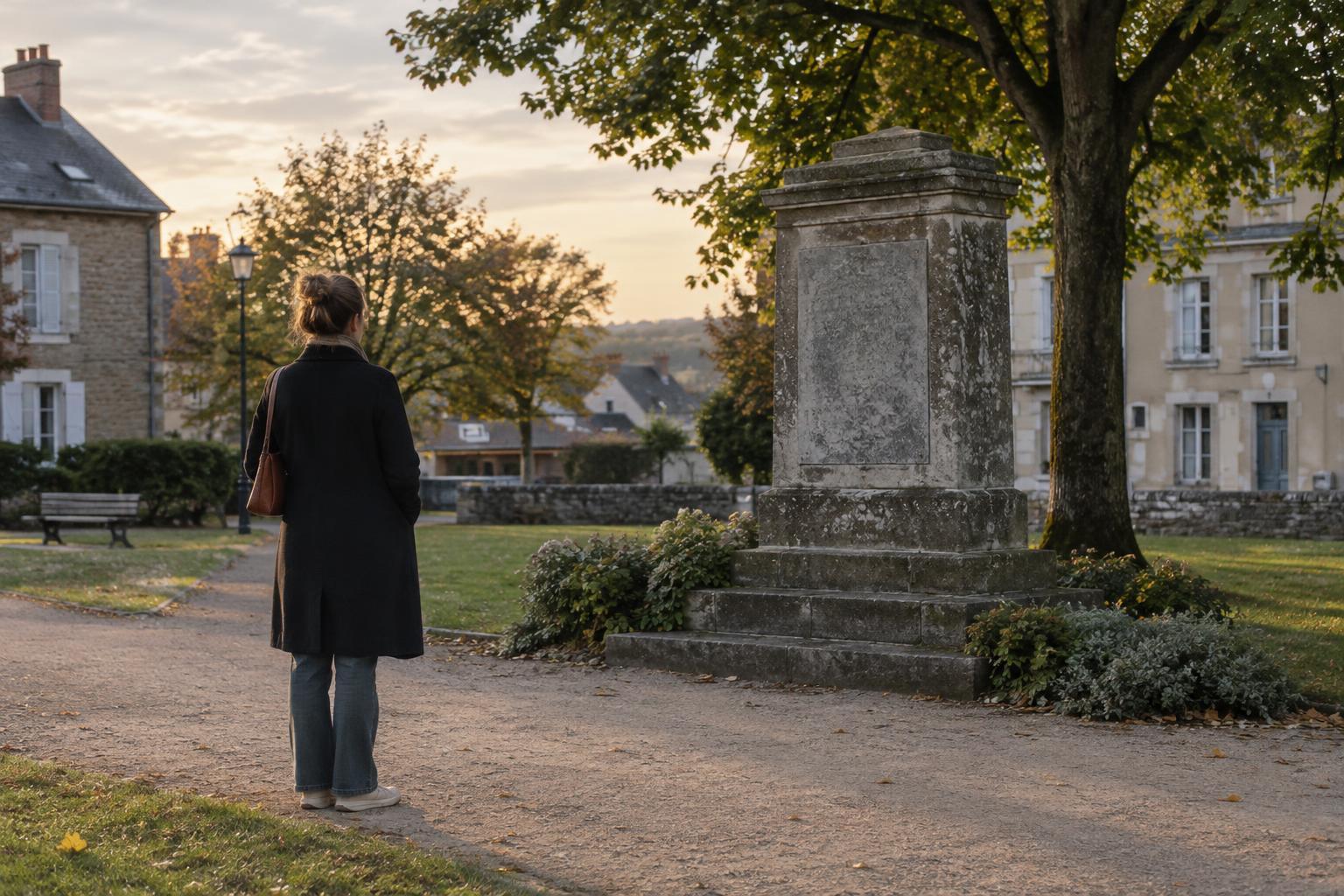
A historic date can be a useful starting point, but it rarely explains why a place matters now. An article about a market, street or meeting hall can become a list of former uses while leaving out the people who use it today. The result may be accurate in its details yet incomplete in its picture of community life.
Ask what has continued, what has changed and who has been involved at different points. A building might matter for its original design, later adaptations and ordinary present-day routines. If you cannot establish one part of that history, say so rather than filling the gap with a tidy narrative. Heritage is often a sequence of overlapping stories, not a single moment preserved intact.
Treating one person as the voice of everyone
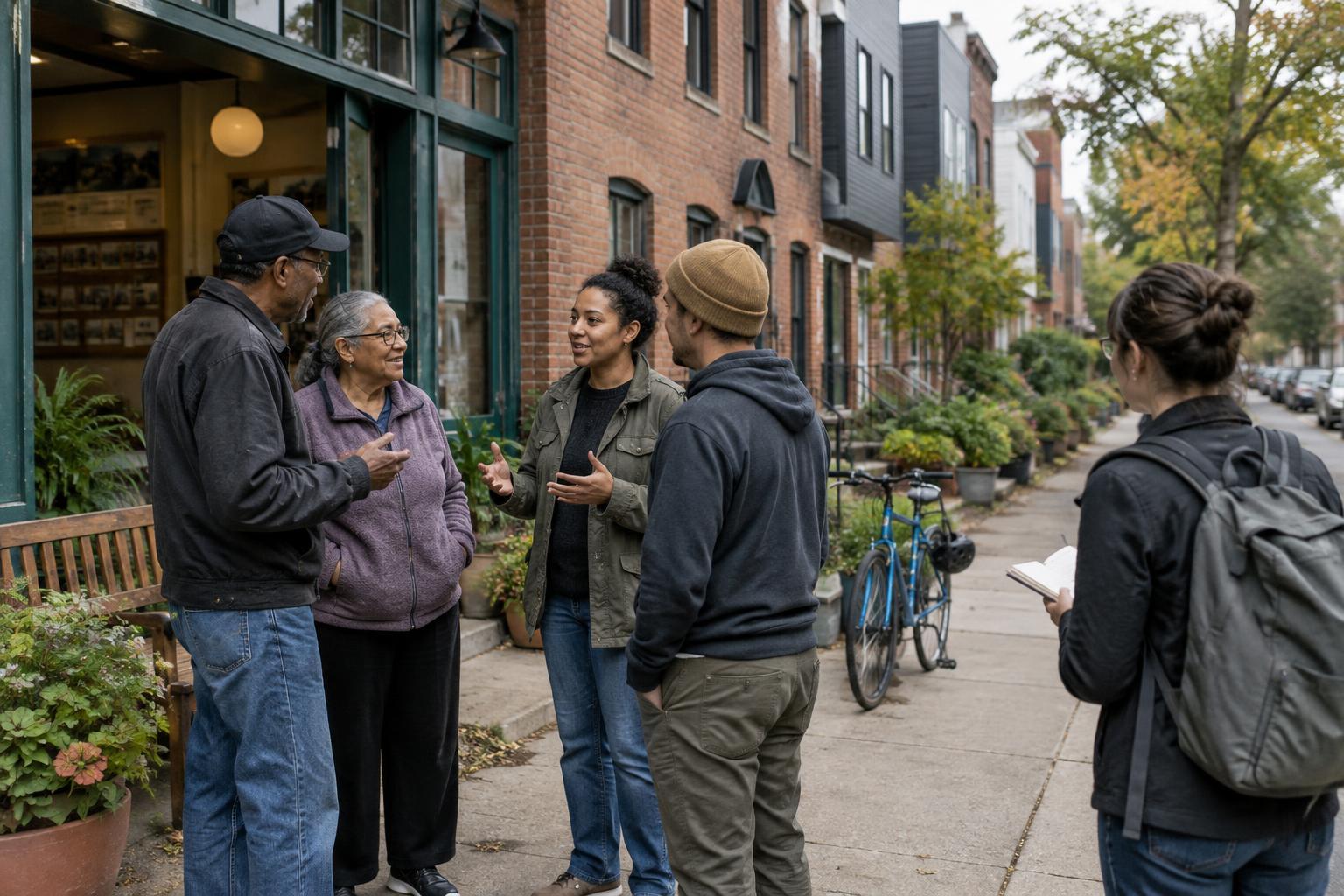
A knowledgeable guide, archivist or longtime resident can offer invaluable context. They cannot necessarily speak for an entire neighborhood. People may remember the same event differently, attach different meanings to a landmark or disagree about what should be preserved. Presenting one account as a shared community view can erase those differences without intending to.
Where possible, seek perspectives from people with different connections to the place: residents, workers, organizers, caretakers or people whose families once lived nearby. Be clear about whose account you are giving, especially when a memory is personal or a claim is contested. If you have only spoken with one person, a phrase such as “in her experience” is more honest than “locals say.”
Turning everyday life into scenery
Writers sometimes describe a neighborhood as if it exists chiefly to reward an observant visitor. A painted doorway becomes “a hidden gem”; a busy shop becomes a symbol of an imagined simpler past. That language can make ordinary working places sound like exhibits and the people in them like part of the display.
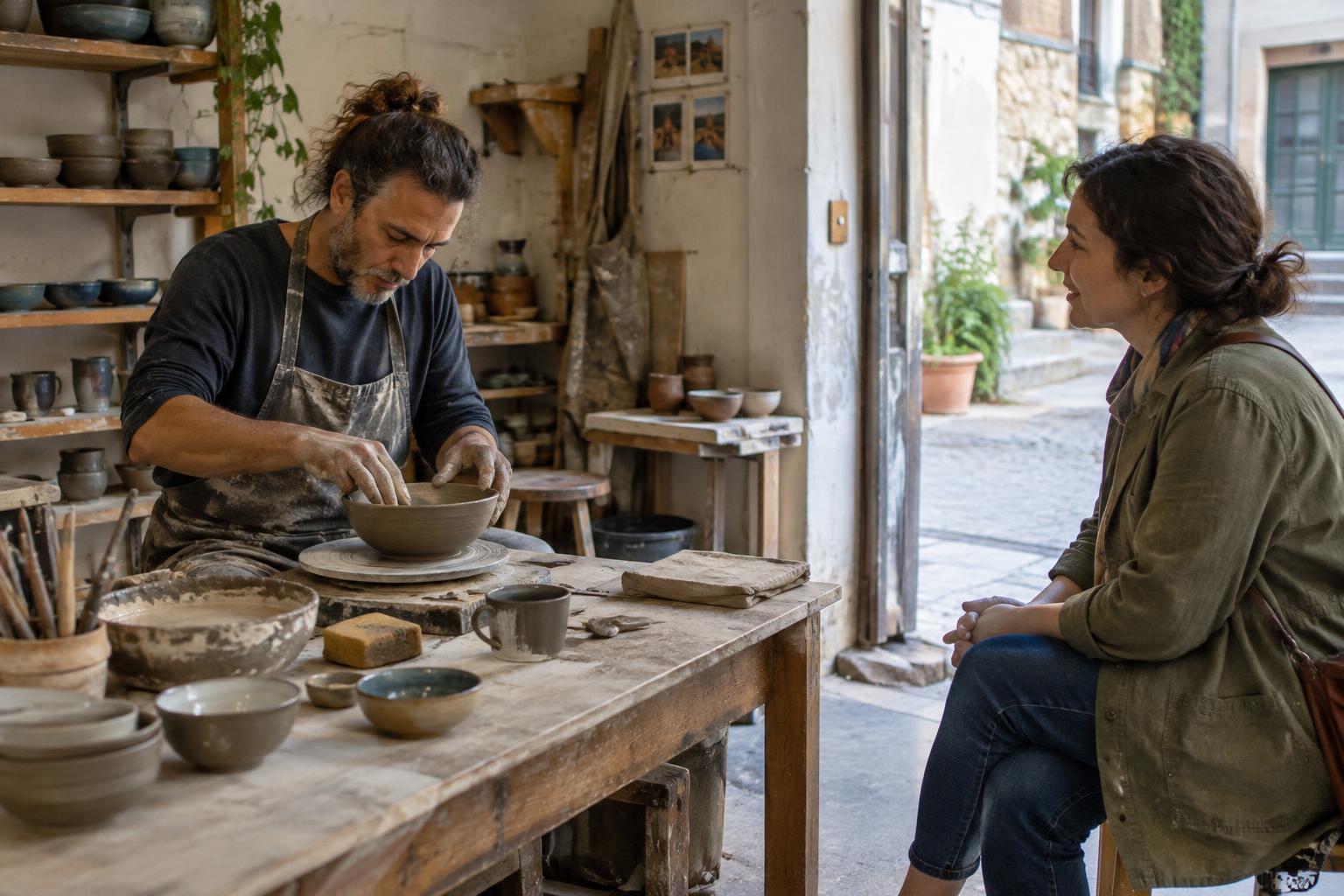
Specific description is more useful than romantic language. Describe what a space is used for, which details you can actually observe and why those details are relevant to the story. A row of repaired shopfronts, for example, may reveal adaptation as well as age. If you want to photograph or recount someone’s personal story, ask first. A public-facing business or street is still part of people’s daily lives, not just a backdrop for an article.
Smoothing over change and difficult questions
Heritage writing often favors survival: the workshop still open, the festival still held, the building still standing. These are worthwhile stories, but “still here” does not mean “unchanged.” Practices evolve, buildings gain new uses and communities may have mixed feelings about a place. Words such as “authentic” and “untouched” can hide that complexity.
Avoid implying that change always equals loss or that preservation is simple. A former industrial building might be valued for its architecture while also prompting questions about the work once done there. A renewed public space might be welcomed by some and less accessible to others. You do not need to resolve every disagreement. Naming a relevant tension, and explaining what you can and cannot verify, gives readers a more useful account than a seamless story of decline or revival.
Publishing details without considering their effects
Practical information helps readers engage with a place, but not every site benefits from being presented as a destination. A small community gathering, a fragile interior or a place with limited public access may need a different approach from an established visitor attraction. Avoid suggesting that readers enter private property, interrupt work or assume an invitation where none exists.
Before publishing, check names, spellings, access details and the context of any images or personal accounts you plan to use. Consider whether a precise location is necessary to tell the story, particularly for a site that is not set up for visitors. You can offer readers other ways to learn: a public museum, a walking route on open streets or questions to notice in their own neighborhoods. Careful heritage writing does not make a place less interesting. It gives people room to encounter it as a living place rather than a story already finished.