Heritage begins before a plaque appears
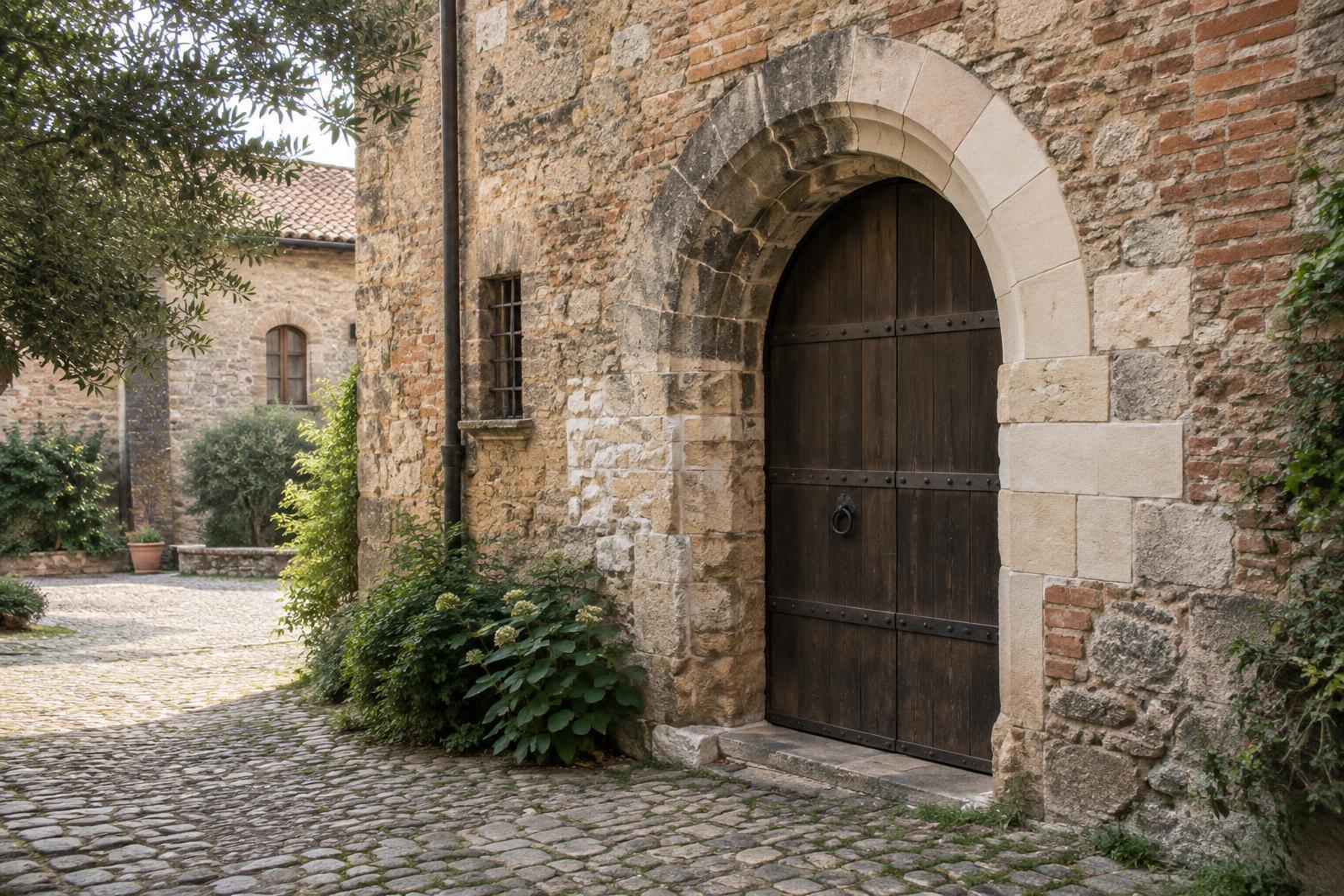
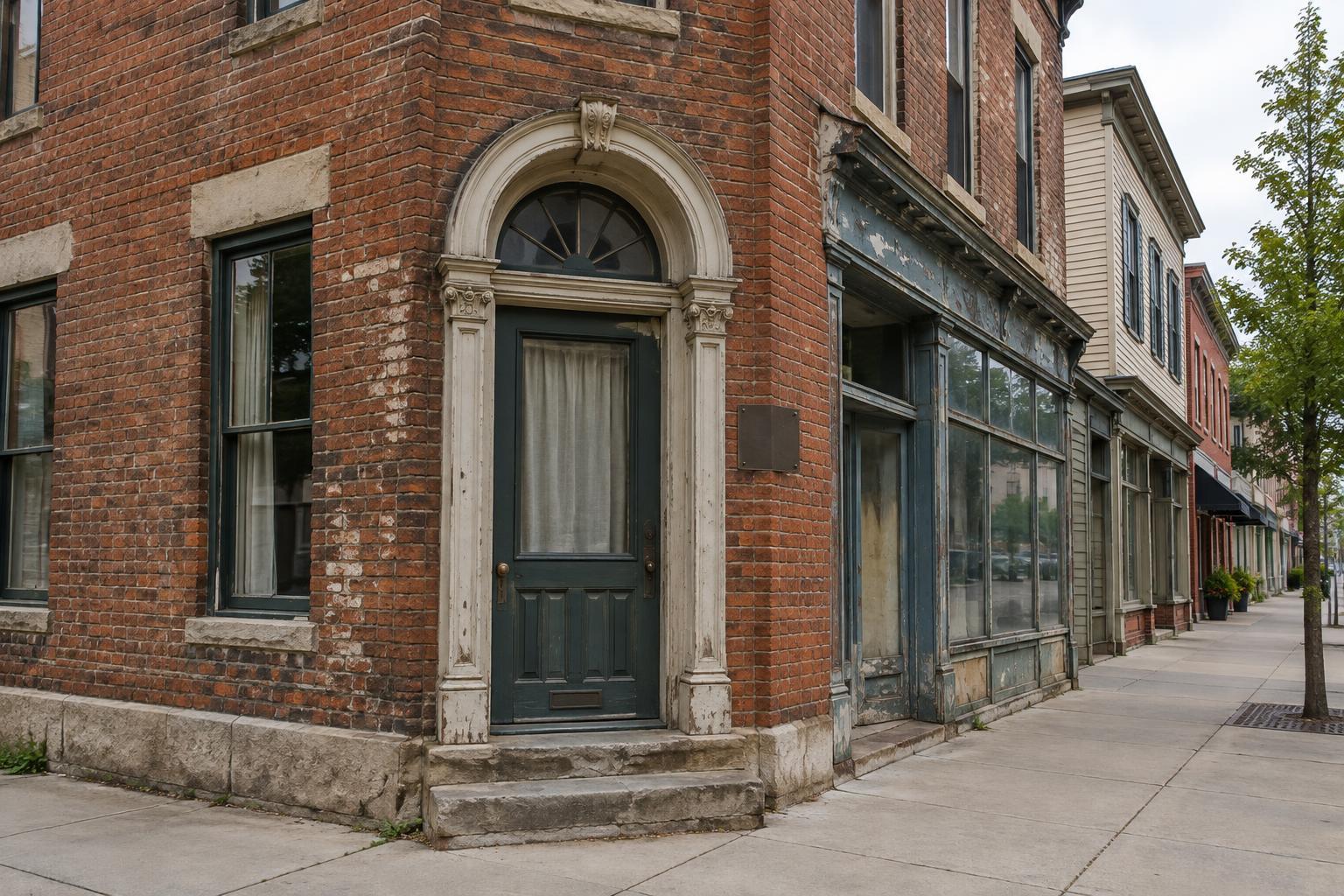
An old market hall may be easy to identify as heritage. The corner where neighbors have gathered for years may be harder to spot. Both can hold memories, but only one may have an official marker. Heritage is not simply a collection of old things. It is also a choice about which places, practices and stories a community wants to carry forward.
Those choices are rarely made by one person. Residents, former residents, craftspeople, faith groups, historians, property owners and public agencies may all have a stake. They may value the same place for different reasons. A building could matter for its design, for the work once done inside it, or because generations of people found welcome there. Asking who decides what becomes heritage means asking whose reasons are recorded and whose are easy to overlook.
What official recognition can do
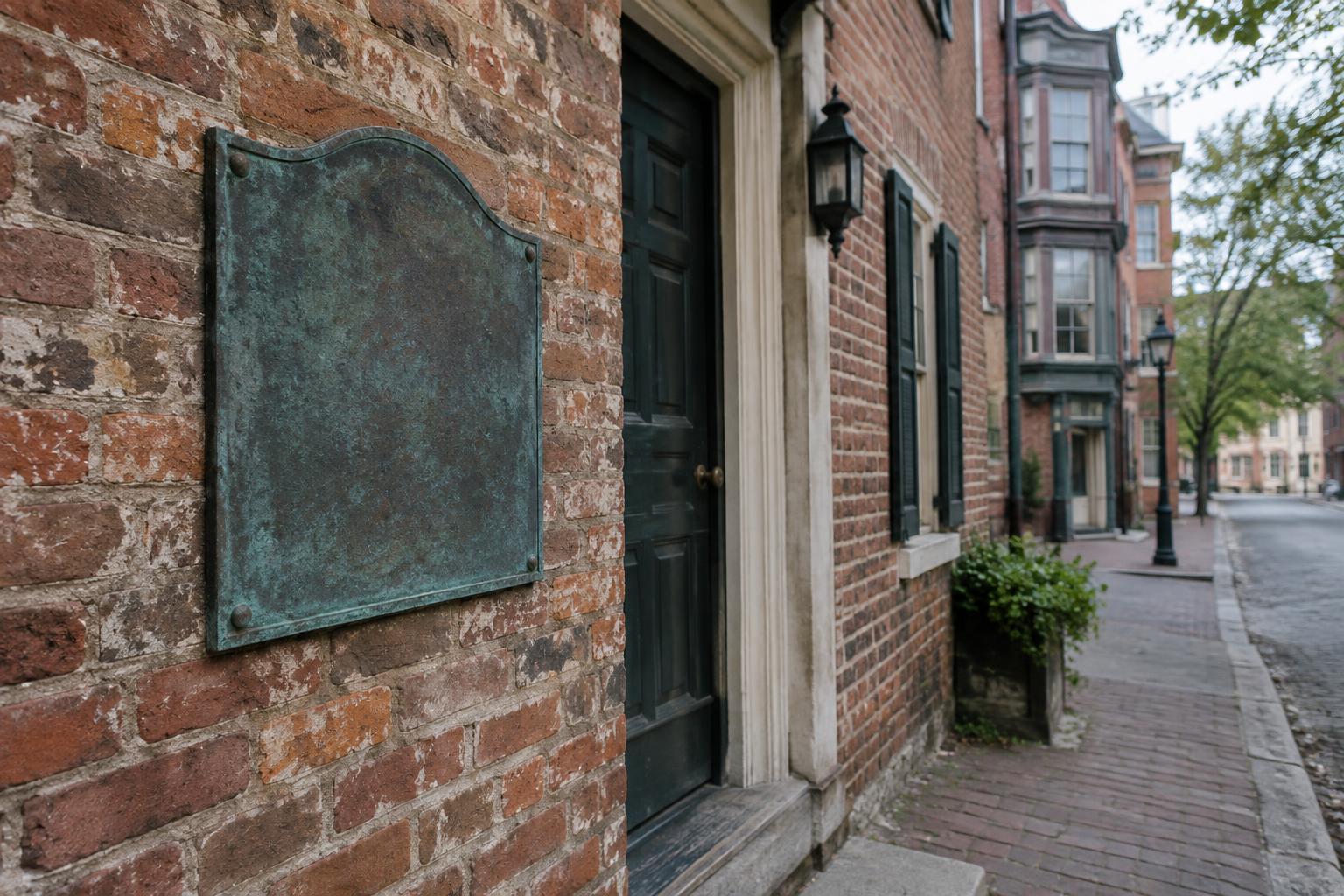
Official recognition can give a place a name in the public record. Depending on the local system, it may bring documentation, planning considerations, funding opportunities or a clearer case for care. The process often asks people to describe a place’s significance and provide evidence for it. That can be valuable: photographs, maps, oral histories and everyday records may survive because someone took the time to gather them.
A designation is not the same as a guarantee. Rules and resources vary, and recognition may not prevent a valued place from changing. It can also favor what is easiest to document: a surviving structure, a named designer or a clear architectural style. A gathering place with few written records, or a tradition carried between several locations, may fit less neatly into an official category. An unmarked place is not necessarily an unimportant one.
Whose knowledge counts?
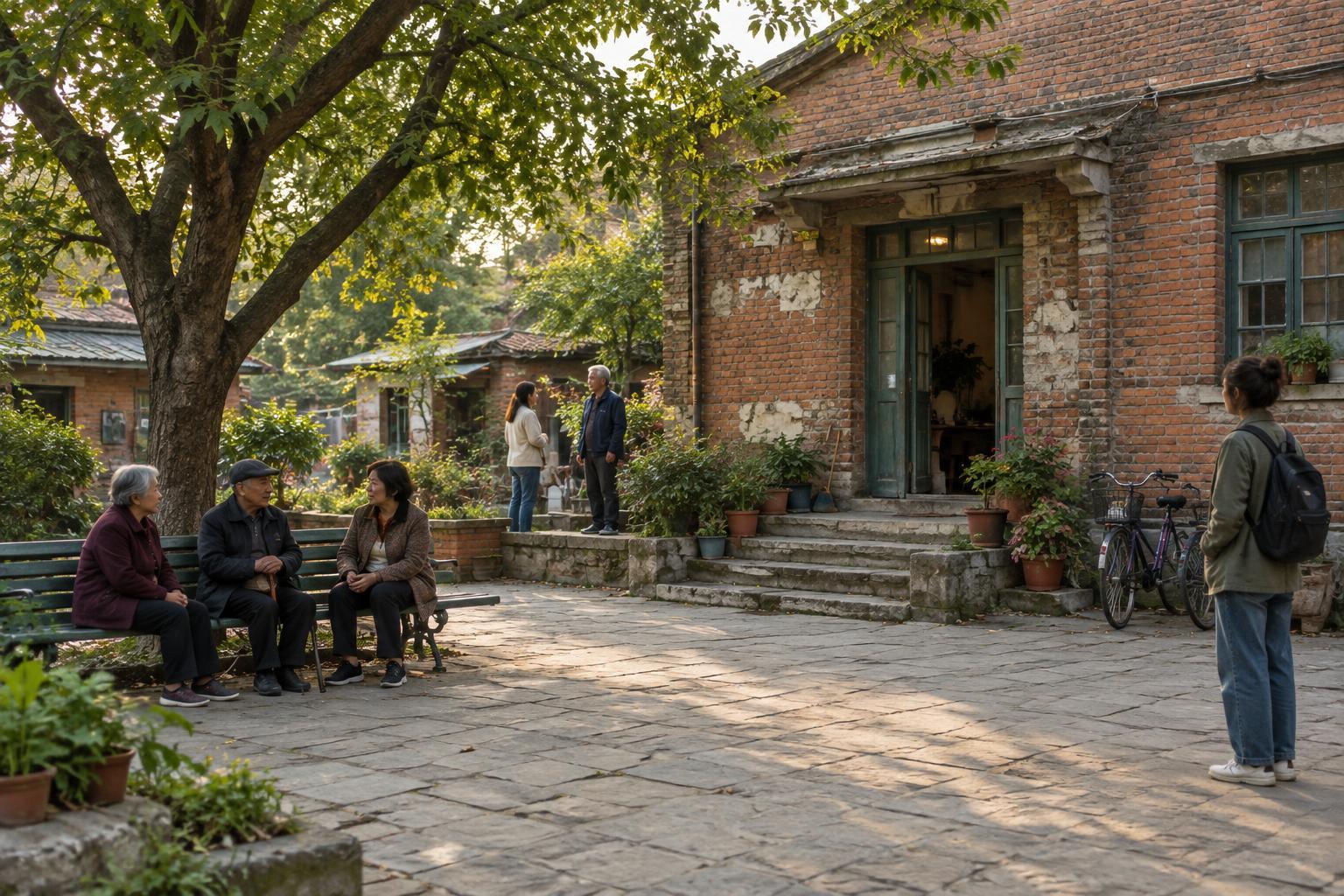
People who live with a place often know things that an archive cannot show: when it is busiest, how its use has changed, which doorway feels welcoming and which memories are painful. Yet being asked to contribute is not always the same as having influence. A public meeting may be scheduled at a difficult time, use unfamiliar language or assume that residents can volunteer hours to prepare a response. Even within a neighborhood, people will not necessarily agree on what should be preserved.
Listening well means leaving room for disagreement. One group may want a familiar building restored; another may want the story of the people displaced from its site to be made visible. Some may hope for more visitors, while others worry about disruption. Community voices are not a single chorus that an institution can quote once and consider consulted. A more useful question is how people can shape decisions, correct the record and remain involved after recognition.
The stories a designation might miss
Heritage does not always stay inside a building. It can live in a route walked to work, a recurring celebration, a shop that serves as an informal meeting point, or skills passed between neighbors. The setting may change while the practice continues. Conversely, a carefully preserved façade may remain after the people and activities that gave it meaning have gone. Looking only for what is visibly old can hide those differences.
There is also a risk in making every meaningful detail public. Some stories belong primarily to the people who hold them; some places cannot accommodate a stream of curious visitors. Recognition is most useful when it supports care without assuming that access, publicity and preservation are always the same thing. In some cases, keeping a record, supporting an ongoing use or respecting a community’s wish for privacy may matter more than installing a sign.
How to look more carefully when you travel
A visitor can start with modest questions. Who uses this place now? What do local descriptions say it has been used for? Is the familiar account centered on a building while overlooking the people connected to it? A small museum, community-run walk or locally produced guide may offer perspectives that a monument label cannot. Compare accounts when you can, and treat gaps as reasons for curiosity rather than invitations to invent a story.
Pay attention without treating a neighborhood as an exhibit. Use public spaces respectfully, follow signs and local guidance, and ask before photographing people or private activities. If you visit a community organization, consider what it offers and how to support its work rather than expecting a free explanation on demand. Official recognition can be a useful starting point, but it is not the final word. Heritage becomes richer when the people closest to a place have room to say why it matters—and when outsiders are willing to listen.