Start with the story a place chooses to tell
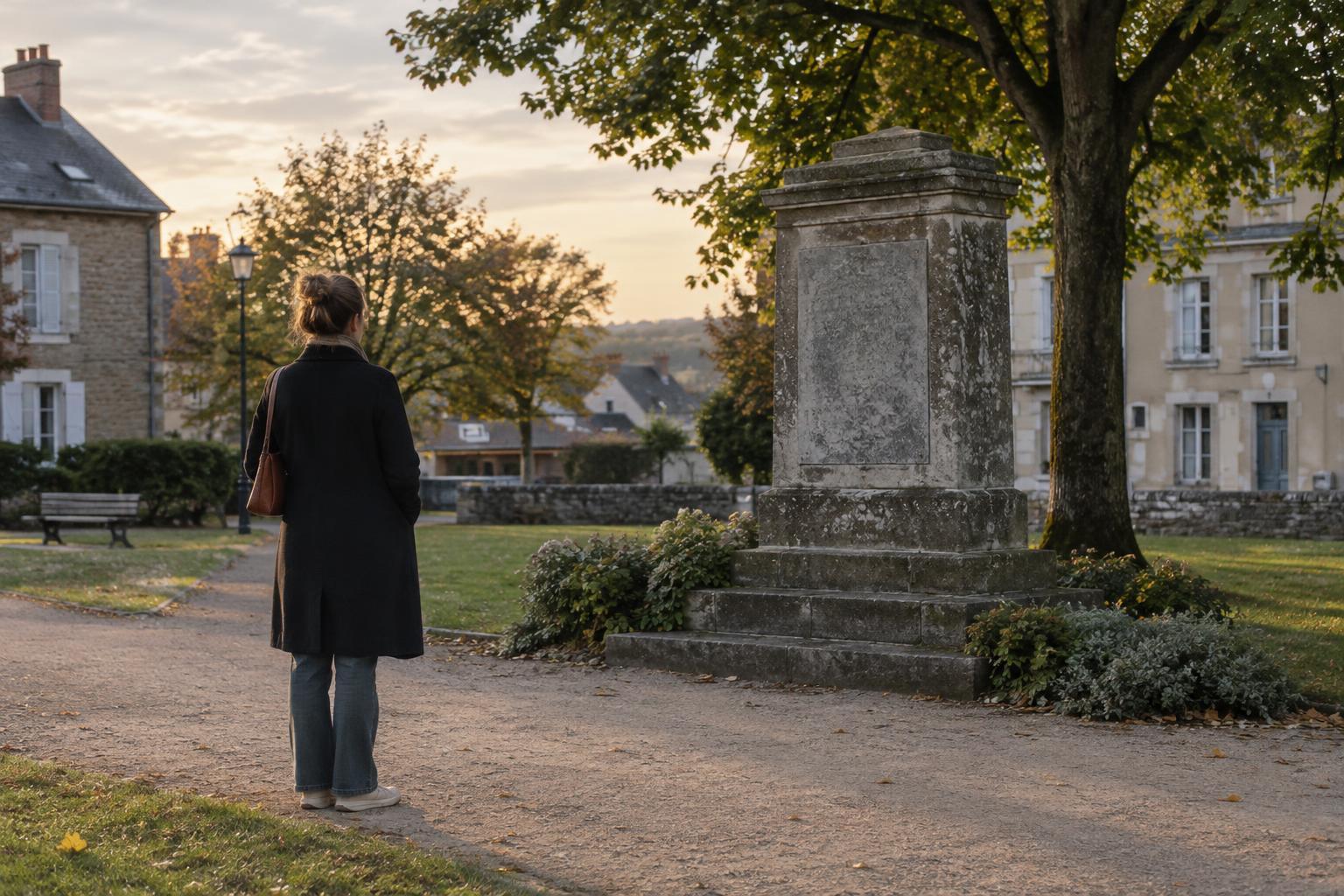
Local heritage often reaches visitors in small doses: a plaque outside a building, a walking-tour stop, a street name or a few lines beside an object. These accounts make a place easier to approach, but they are selections rather than complete histories. When a narrative celebrates a founder, a trading port or an elegant civic building, it is worth asking what made that achievement possible and whose experiences the short account leaves outside its frame.
Colonial legacies can be visible in architecture, land use, language and public memory. They can also be harder to see, especially when a familiar story describes expansion as “development” without saying who lost access to land or decision-making power. The aim is not to assume that every old building has the same history. It is to stay alert to the difference between a tidy public story and the more complicated relationships that shaped a place.
Notice who gets named and who stays anonymous
Pay attention to the people identified in heritage text. Are administrators, merchants and architects named, while builders, workers, guides or displaced communities appear only as a group—or not at all? Does a display describe an object’s beauty but say little about how it was acquired? These are questions, not proof of a particular injustice. They can show where a visitor needs more context before repeating the account as a complete version of events.
The wording of a timeline matters too. Phrases such as “the town was founded” may refer to the creation of a colonial settlement rather than the beginning of human life there. A name described as historic may have replaced an earlier name or may still be contested. Where signs provide dates and names, read them closely; where they do not, resist filling gaps with guesses. In either case, ask whose timeline has been made the default.
Look beyond monuments to everyday places
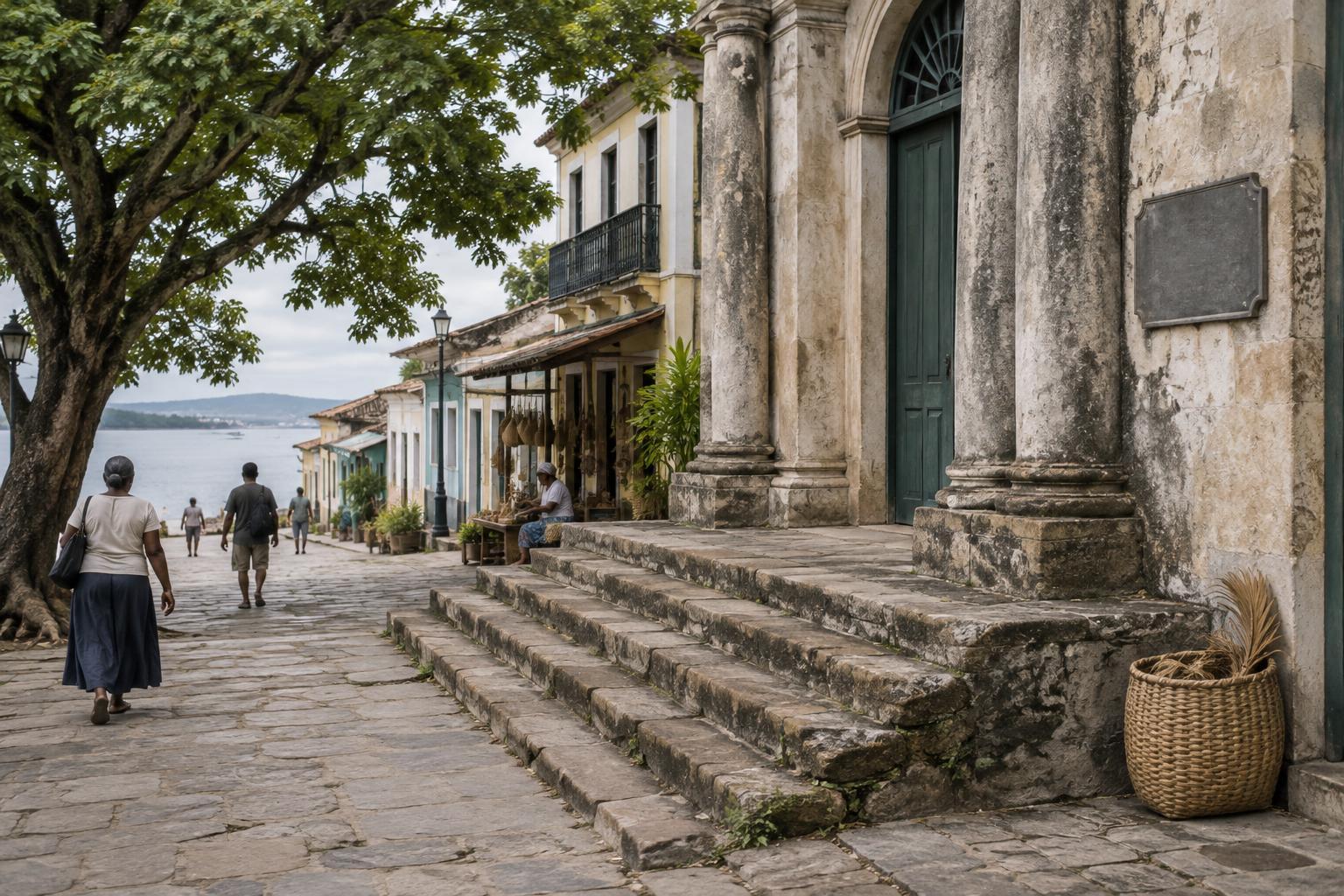
Grand buildings and memorials are obvious places to examine public memory, but ordinary spaces can be just as revealing. A market, road, school or waterfront may still reflect past decisions about where people could live, trade, worship or move. Its present-day character may owe as much to later adaptation as to its original purpose. Looking for those layers can make a neighborhood feel more real than a tour of landmark façades alone.
Avoid reading a street plan or building style as a simple record of power. A structure might have been designed under a colonial administration, built with local skill, repurposed by later residents and valued today for reasons its designers never intended. Asking how people use and describe it now keeps the past in view without reducing the living place to a relic.
Seek accounts that add context, not just contrast
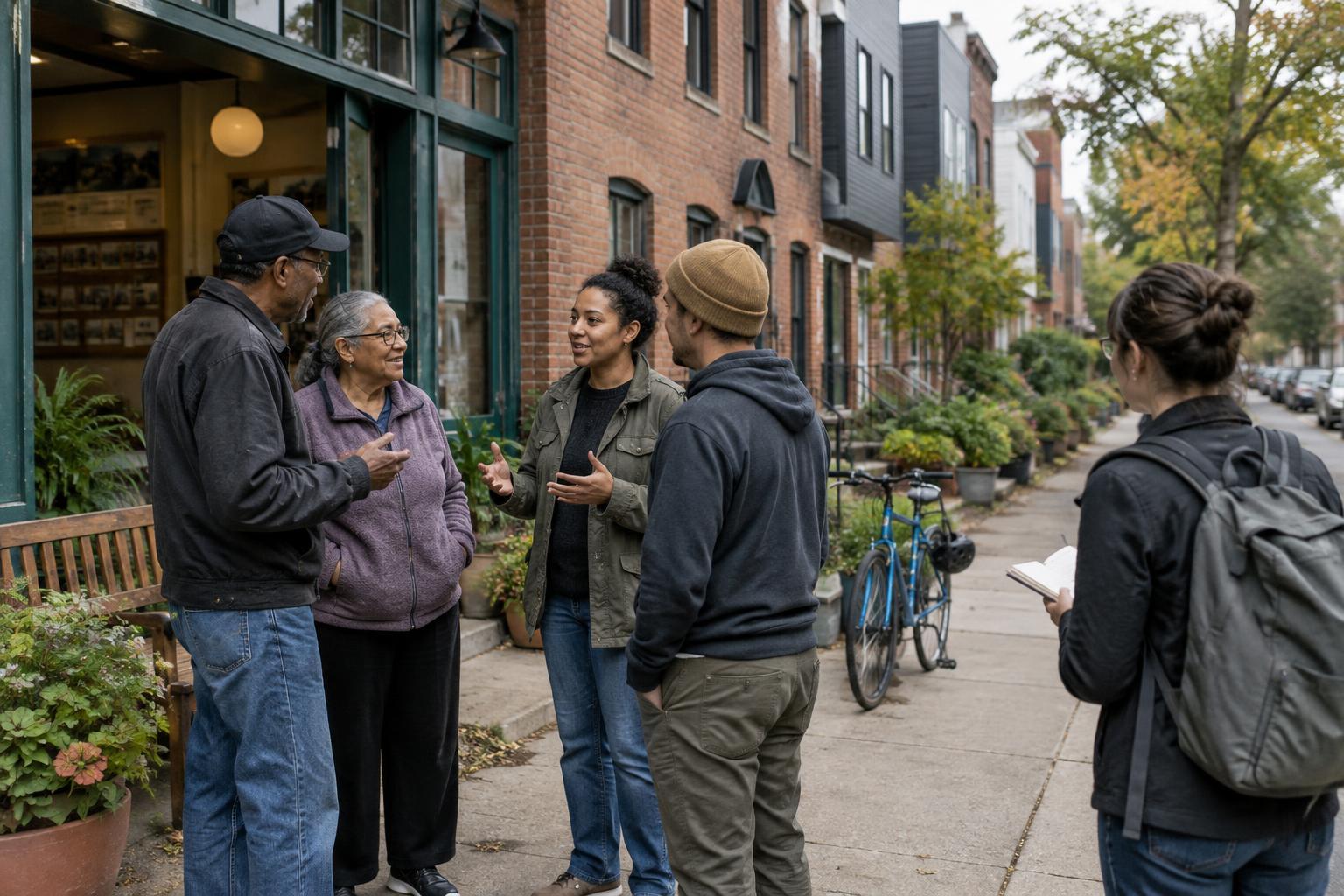
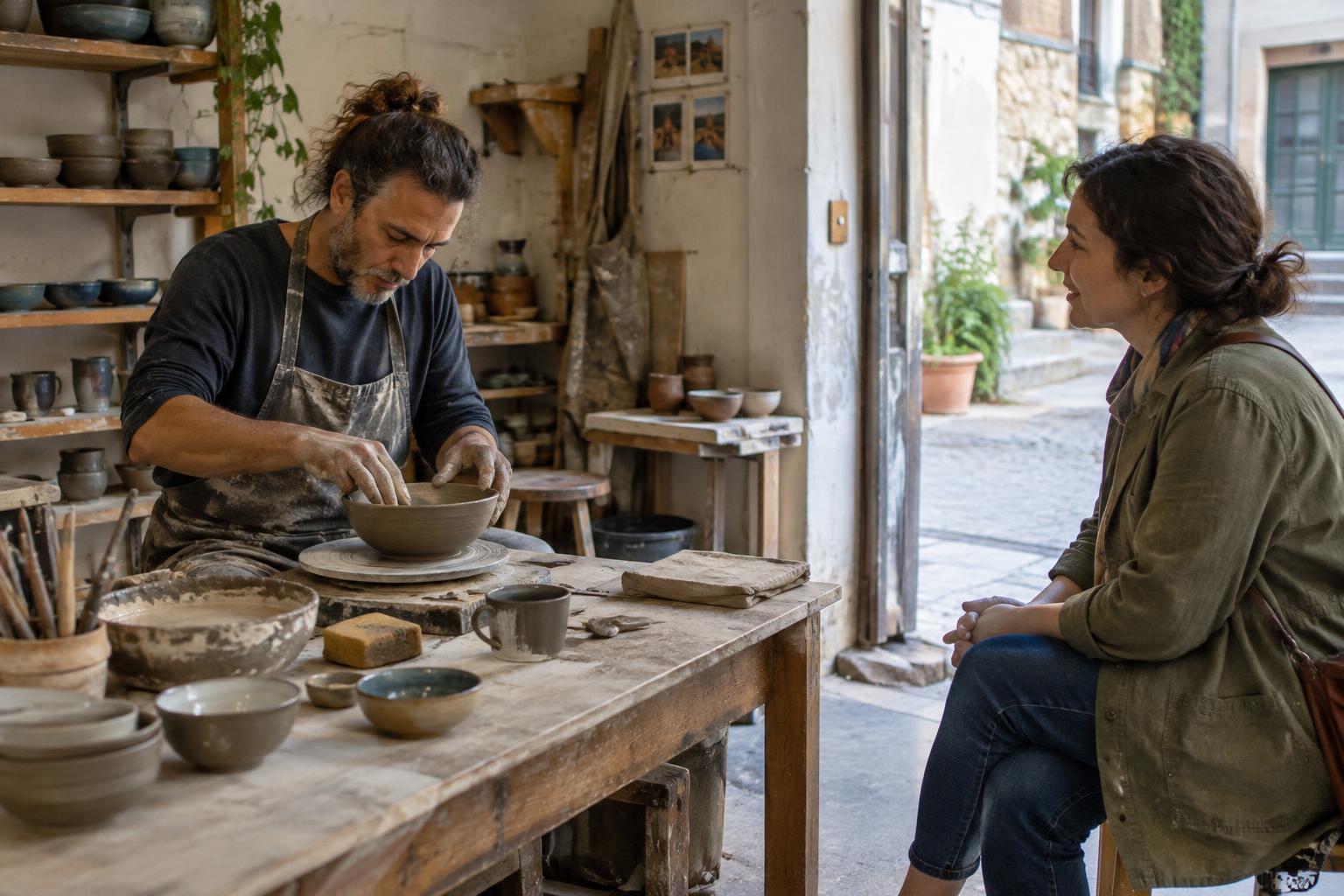
If a plaque raises questions, a small museum, community archive, library exhibition or locally led walk may offer another account. Look for interpretation that explains whose perspective it presents and distinguishes established details from gaps in the record. Different accounts will not always fit neatly together. Rather than seeking one quick correction to an official story, compare what each source is able to show and what it cannot.
Local voices are not interchangeable. Residents may have different relationships to a building, name or tradition, and no one person should be expected to speak for an entire community. When visiting, follow posted guidance, ask before photographing people or sensitive spaces, and pay for a guided visit when one is offered. Curiosity is useful; expecting strangers to provide an impromptu history lesson is not.
Carry the questions forward
A more careful heritage visit does not require a perfect account of every site. It can begin with a few habits: note the exact language on a sign, distinguish what you observed from what you inferred, and make room for stories of labor, loss, continuity and change alongside stories of design or civic pride. If you share a photograph or recommendation, you can describe what remains uncertain rather than presenting an incomplete explanation as fact.
Recognizing a colonial legacy is not the same as treating a community only through the lens of colonialism. People continue to shape the meaning of places they inherited, preserved, altered or reclaimed. The most useful question to take away may be not simply “What happened here?” but “Who has been able to tell that story, and how is this place understood now?”