Begin with the place as it is today
A place of worship may draw visitors because of its age, artwork or distinctive architecture. It may also be where people gather for prayer, celebrations, mourning, meals or ordinary weekly routines. Holding both ideas in mind changes how you visit: you are not entering a preserved scene but, in many cases, a space with an active purpose.
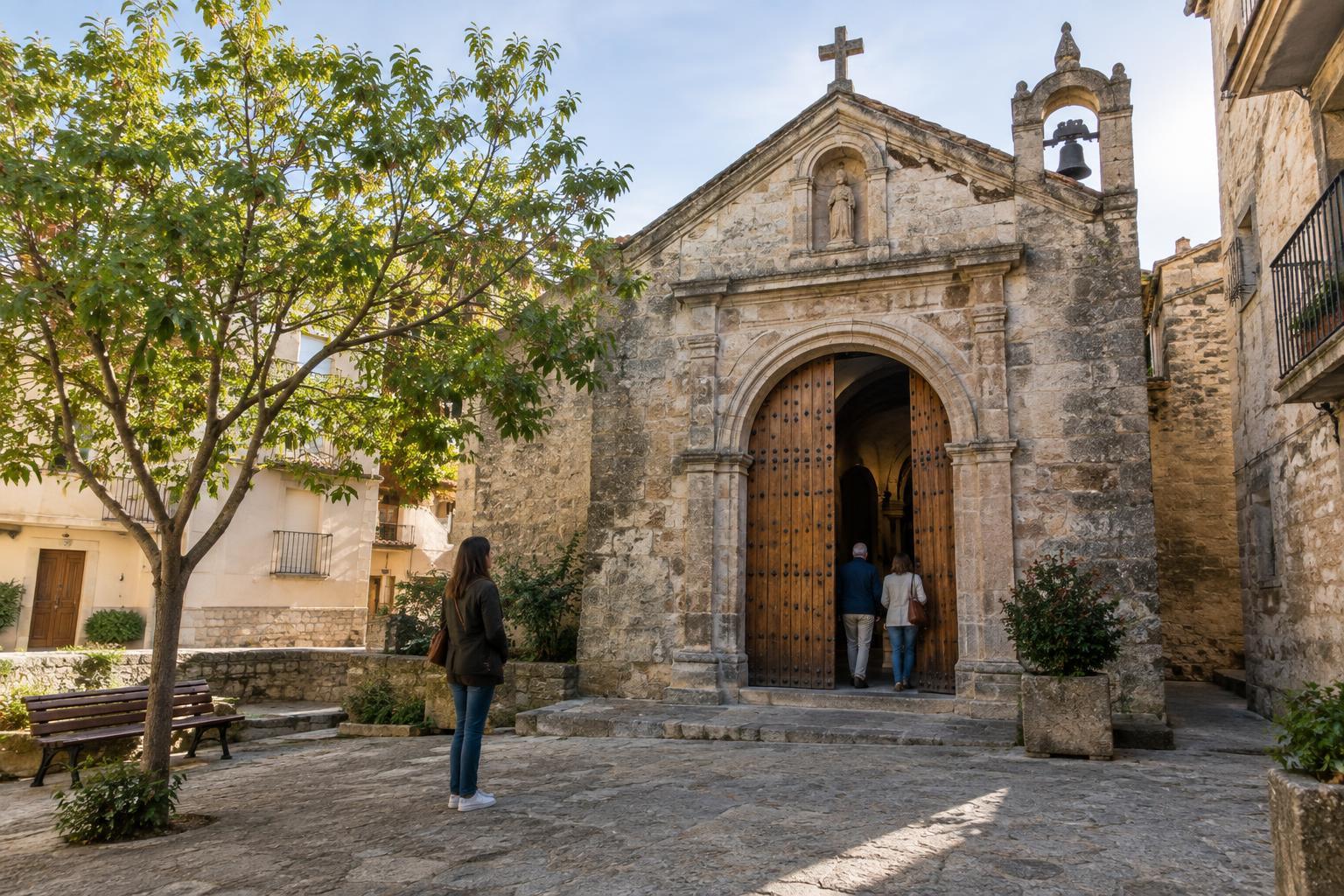
Before setting out, check the venue’s own visitor information if it is available. Public access may be limited to certain areas or times, and arrangements can change for services or community events. If you arrive without a plan, look for posted guidance and ask a staff member or volunteer whether it is a good time to enter. A quiet doorway is not necessarily an invitation to wander through every room.
Let local guidance set the pace
Customs around clothing, shoes, head coverings, seating and movement vary between traditions and between individual sites. Rather than relying on a rule you remember from somewhere else, follow the guidance offered at the entrance. Carrying a light layer can make it easier to adapt, but if you are unsure what to do, a brief, polite question is usually better than a guess.
Keep your voice low and give people room to worship without becoming part of a visitor’s observation. If a service is under way, you may be asked to wait or to remain in a designated area. Treat that boundary as part of the visit. You can still learn a great deal by noticing the entrance, the courtyard or the building’s relationship to the street.
Photography deserves its own pause. Permission to enter does not automatically mean permission to photograph interiors, ceremonies or people. Check posted rules, and ask before taking a portrait. When photography is allowed, avoid blocking a path or turning someone’s private moment into a travel image.
Read the building without assuming it tells the whole story
Architecture can offer clues to local history: a repaired wall may suggest adaptation, a new entrance may reveal changing access needs, and materials may reflect what builders could obtain nearby. Look at additions as carefully as at the oldest features. A building that has been altered over time can tell a richer story than one imagined as belonging to a single, perfect era.
Not every detail has an obvious meaning, however. A symbol, decorative pattern or room layout might serve a religious purpose, a practical one or both. Use labels, guidebooks supplied by the venue and conversations with willing hosts to test your impressions. If no explanation is available, it is fine to leave a question open rather than invent an answer.
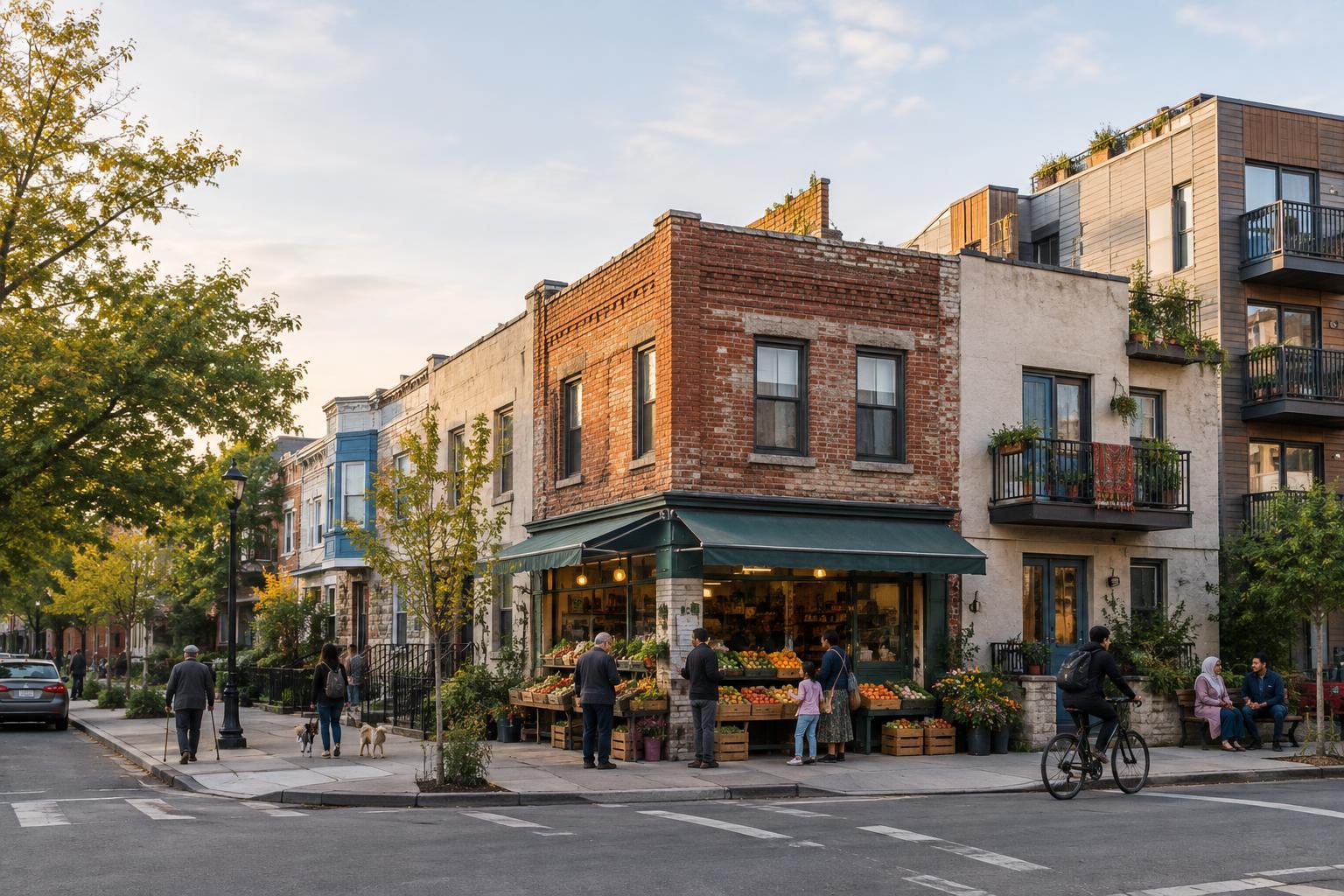
Look beyond the main hall, too. Notice where people enter, gather and leave; how the building faces the street; and whether nearby shops, homes or public spaces seem connected to it. These observations can help you understand the site as part of a neighborhood rather than an isolated monument.
Seek histories that include people as well as dates
A founding date can be useful, but local heritage also lives in changes of use, community efforts and the memories people choose to share. A modest display case, a noticeboard or a volunteer-led tour may reveal how the site fits into everyday life. Listen for whose work is recognized and whose story may be missing from the account you first encounter.
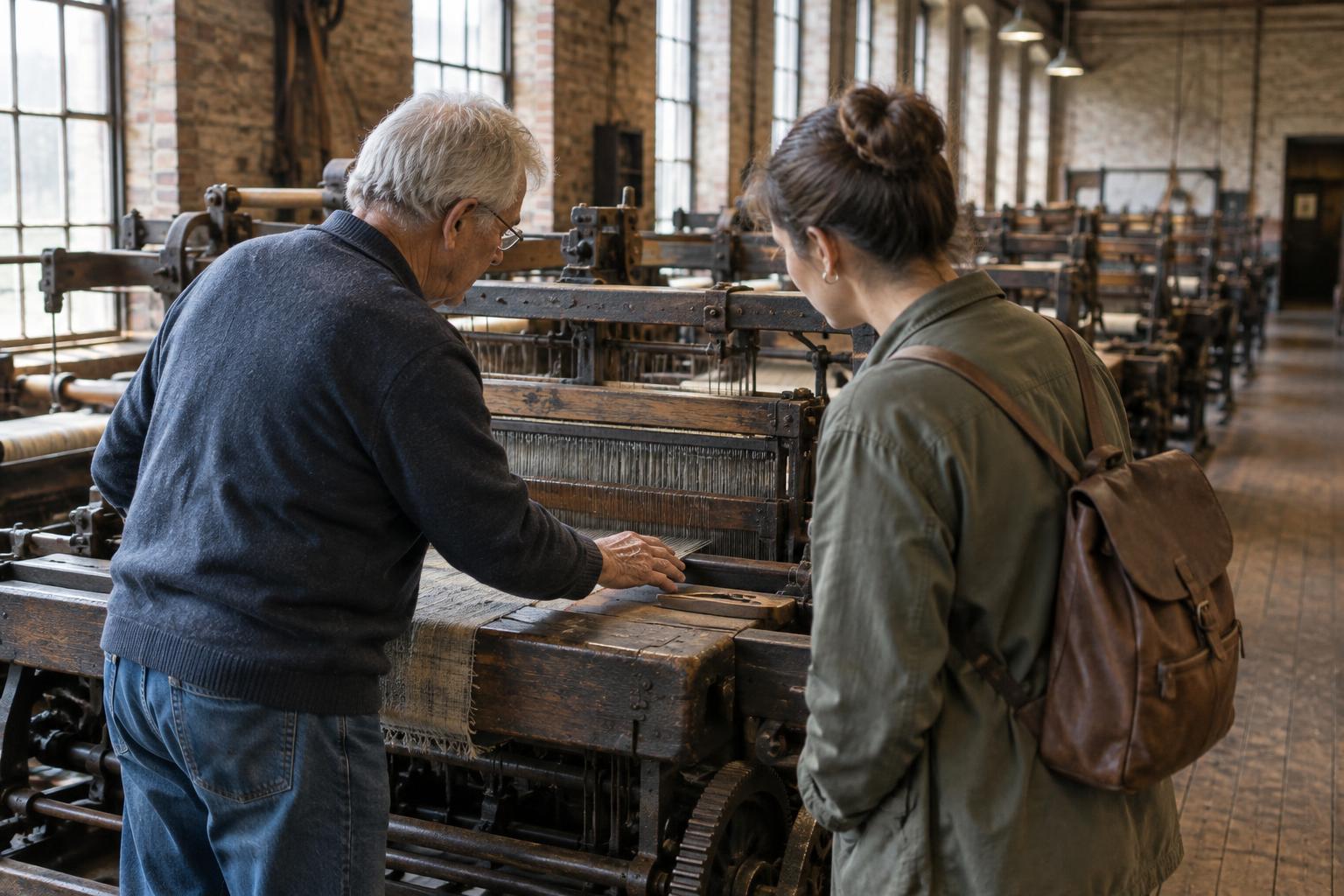
If someone is available to talk, ask open, manageable questions: What would they like visitors to notice? Has the way the community uses the space changed? Let them decide how much to share. People attending a service or working at the site are not obliged to provide an informal tour, and no single person can speak for an entire tradition.
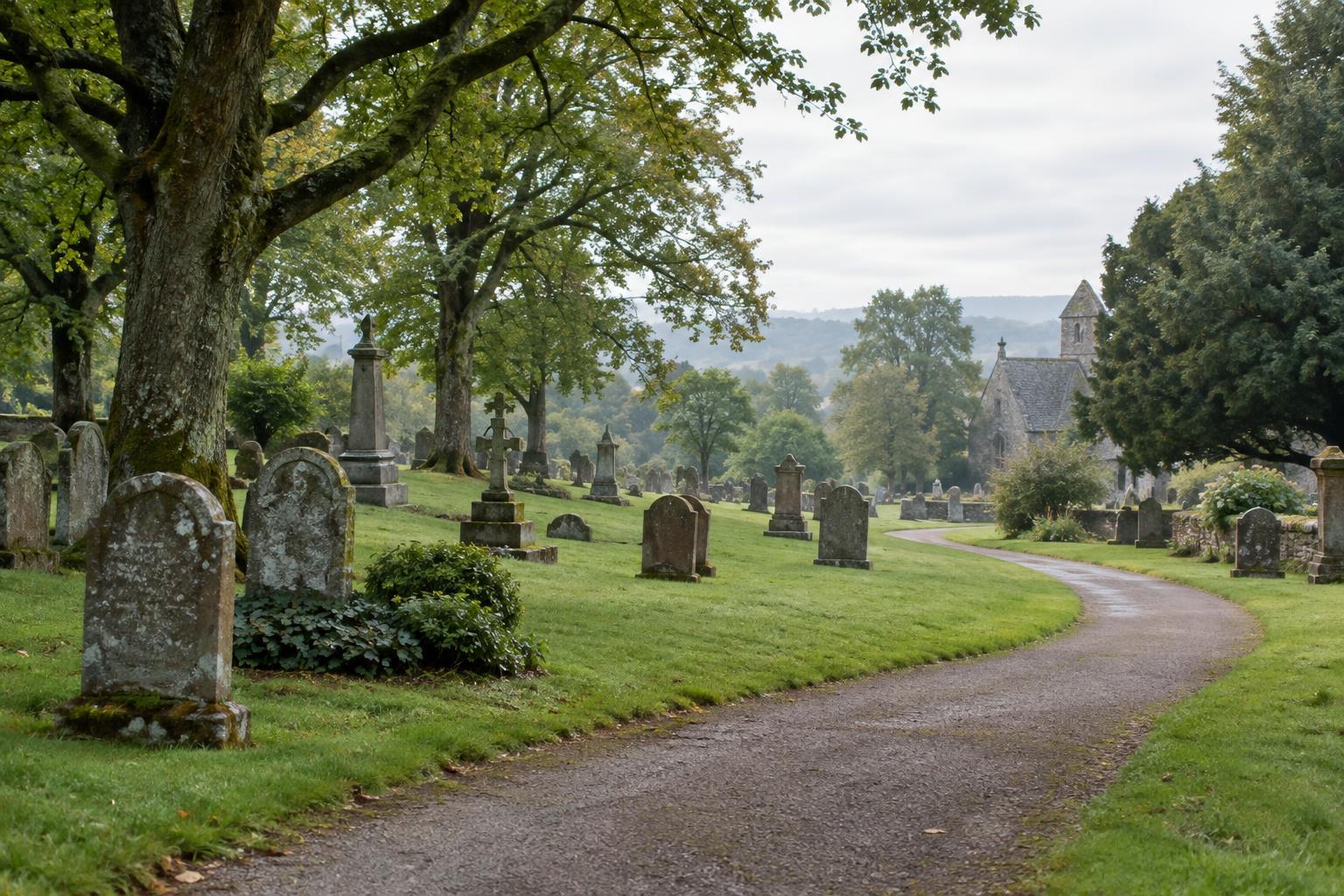
Be cautious about treating a place as a relic of a vanished community when it remains active. Equally, do not assume that present-day use has been continuous or unchanged. Local history often includes interruptions, rebuilding and new arrivals. Where the details matter, seek information the community has chosen to make public.
Leave space for the next visitor
If there is a visitor book, donation box or small exhibition, engage with it in the way the site invites. An admission fee or suggested contribution may help support upkeep, but access and giving practices differ. Neither a donation nor a purchase grants extra access to restricted spaces or to people’s time.
Before leaving, return anything you borrowed, keep entrances clear and take your belongings with you. Later, when describing the visit, name what you learned without claiming to have understood an entire community in an hour. A thoughtful account can point others toward the site’s own visitor guidance and reflect the most useful lesson of local heritage: the story belongs to the people who continue to shape the place.