A place rarely has just one beginning
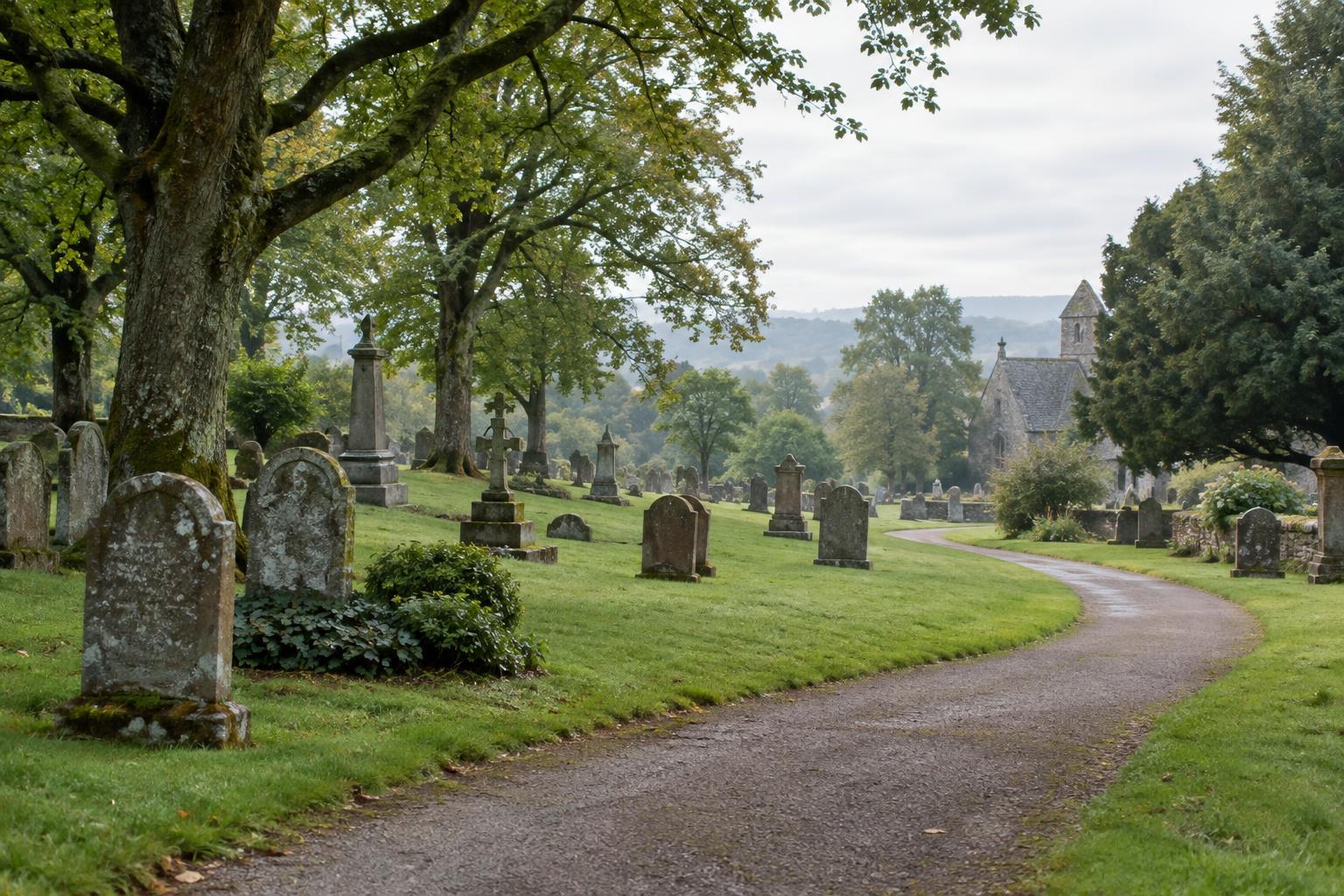
A heritage plaque may identify a building’s first owner, and a walking tour may begin with a neighborhood’s founding. Both can be useful, but neither tells the whole story. People move into and out of places for many reasons: work, family, safety, education or a change in circumstances. Each move can alter how a street is used, what services are needed and which customs become familiar.
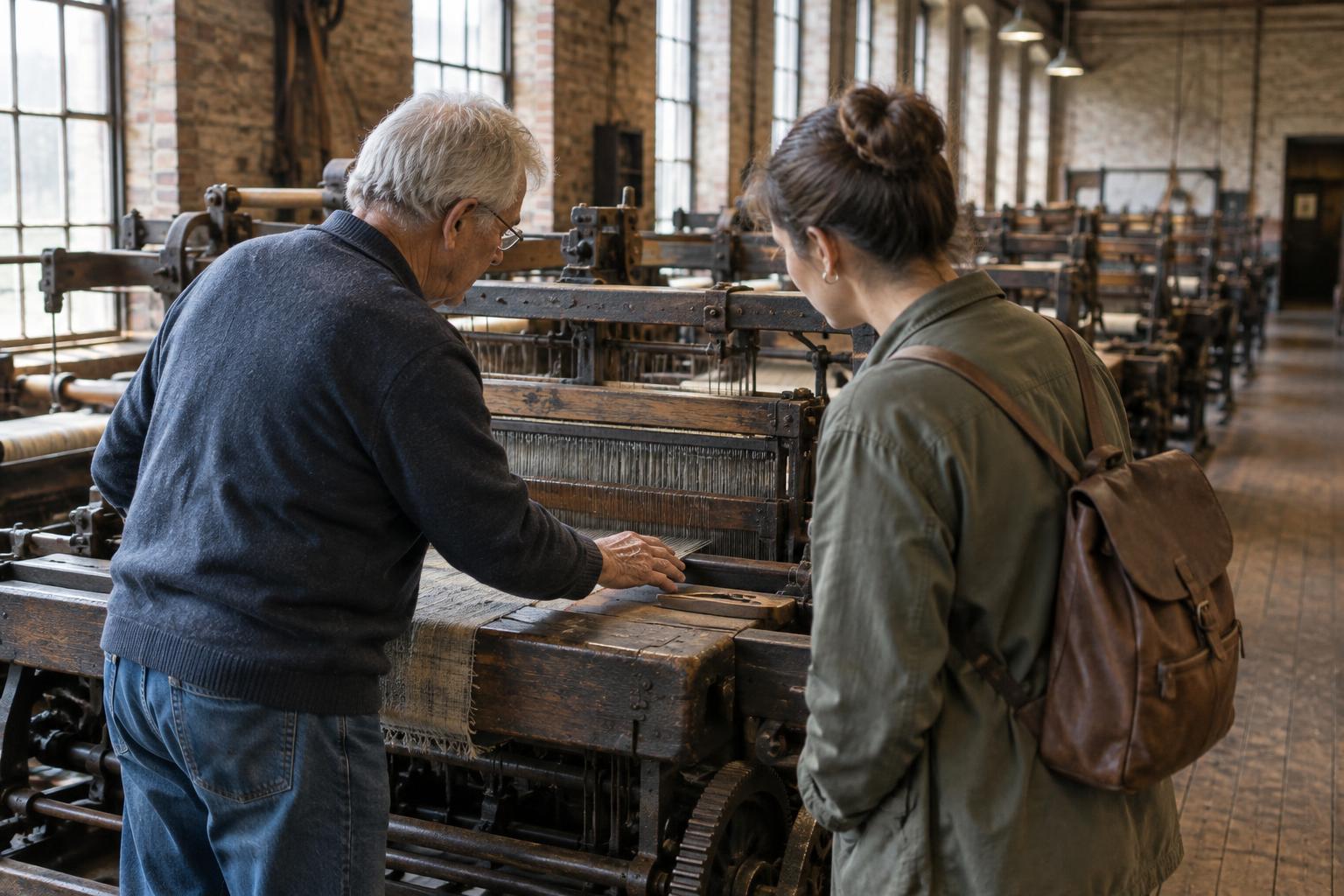
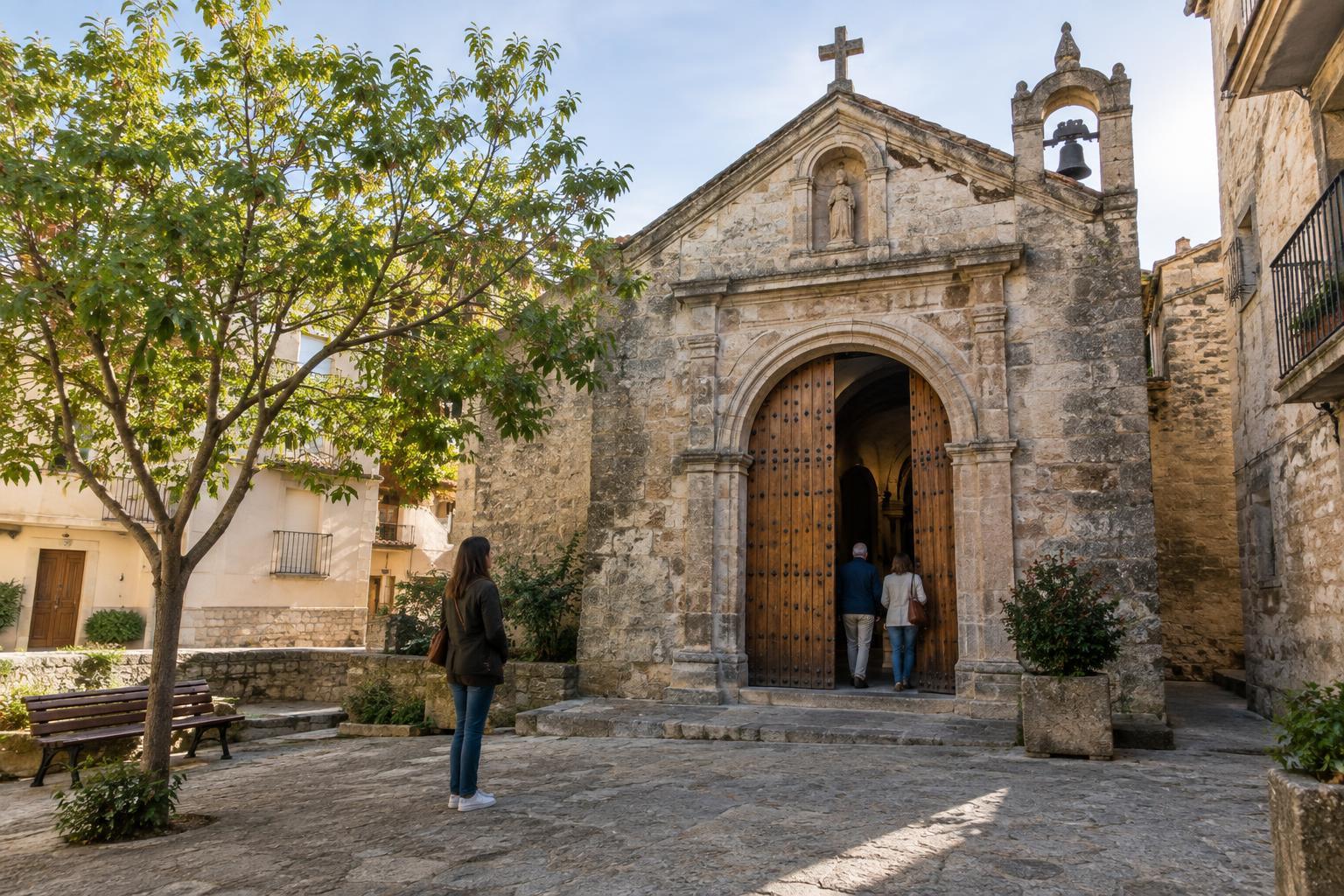
Thinking in terms of layers rather than a single origin story makes room for more people. An old market might have served different shoppers across generations. A former workshop might become a place of worship, a community space or a new kind of business. The question is not only who built a place, but who maintained it, adapted it and made a life around it.
Look for change in ordinary surroundings
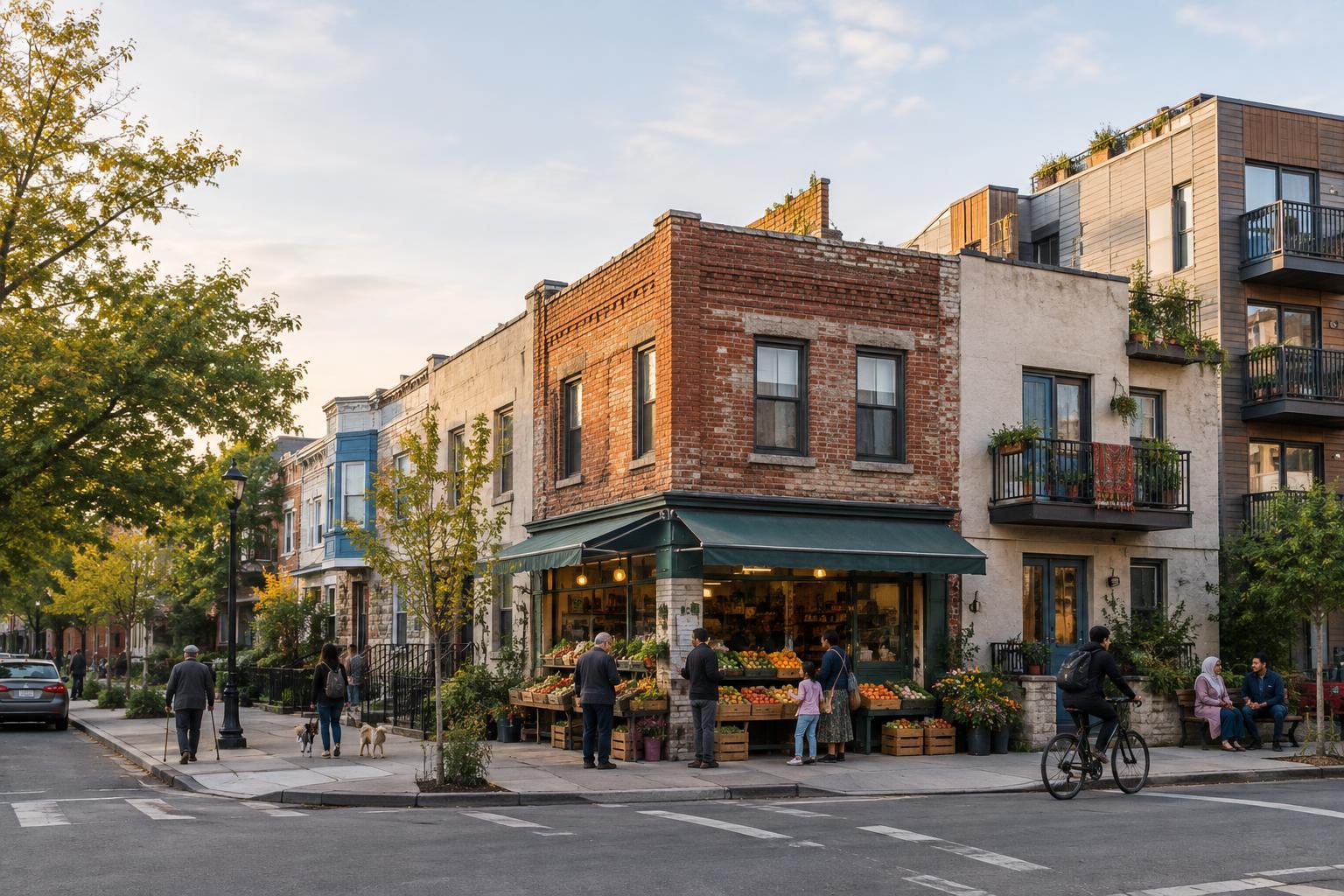
Migration does not always announce itself through a monument. It may be visible in a shop window with signs in several languages, a menu that combines familiar ingredients in a new way, or a street of houses altered to accommodate changing households. These details are clues, not proof of a complete history. A sign can tell you that a language is used here now; it cannot, on its own, tell you when a community arrived or what its members share.
Notice how everyday spaces meet practical needs. A grocery might stock foods that are hard to find elsewhere. A library might offer materials in several languages. A public square might host gatherings important to different groups at different times. Such places show heritage as something people continue to make, not only something preserved from the distant past.
Ask whose labor and choices are visible
Celebrations and food can be welcoming introductions to local culture, but they are only part of the picture. The people who repaired buildings, opened businesses, organized mutual support or passed skills to younger neighbors may have left fewer obvious markers. Looking closely at the work behind a neighborhood can broaden the story without reducing anyone to a contribution or a hardship.
It also helps to notice whose names appear on signs and whose do not. A museum display might describe an industry while saying little about its workers. A grand house might identify an architect but not the craftspeople who built it or the people who cared for it. These gaps do not always have simple answers. They are reasons to seek more context, especially from local organizations and accounts by people connected to the place.
Let local accounts complicate the neat version
There is no single voice for a migrant community, just as there is no single voice for any neighborhood. People who arrived at different times may remember a street differently. Their children or grandchildren may relate to the same traditions in new ways. Some residents may embrace a heritage label; others may find it too narrow. A thoughtful visitor can hold these perspectives together without trying to decide which is the definitive version.
Small museums, community archives, libraries and locally led walks can be good starting points when they are available. Compare what you learn with what you can observe, and leave room for uncertainty. If you speak with a resident or business owner, ask an open question only when conversation is welcome. No one owes a visitor their family history, and a brief exchange should not be treated as a statement on behalf of everyone nearby.
Travel with curiosity, not a checklist
Before visiting, learn enough about a neighborhood to understand that it is a living place, not an exhibit. On arrival, follow ordinary courtesies: respect signs, keep entrances clear and ask permission before photographing people or private spaces. Spend time at places open to visitors, and support local businesses when it suits your needs rather than treating a purchase as access to someone’s story.
Afterward, resist describing the area as if it were frozen in its past. You can write about a building’s former use while acknowledging its present one, or mention a tradition without implying that everyone nearby takes part. Migration can reshape a place through continuity as well as change: familiar practices travel, adapt and sometimes fade. The most useful heritage story is not necessarily the tidiest. It is one that leaves room for the many people who have called a place home.