Start with a question, not a tribute
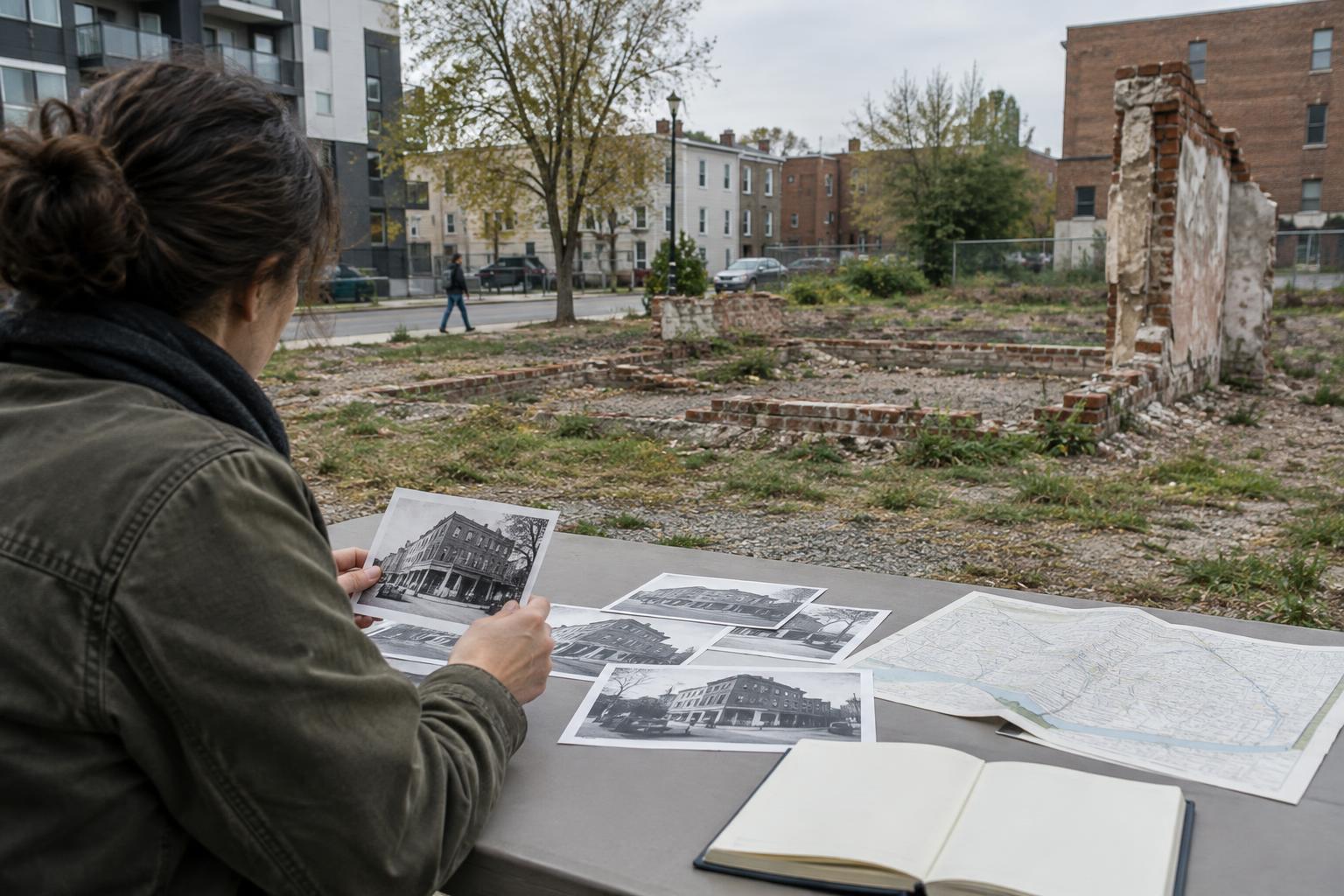
An empty lot, a new apartment block or a widened road can invite an easy question: What beautiful thing used to be here? A more useful starting point is broader. What stood here, how was it used, who could enter, and what changed when it disappeared? Those questions leave room for a building to have been admired, inconvenient, beloved and exclusionary at the same time.
Before searching, write down what you actually know: an address, a name remembered by a neighbor, or a shape visible in an old photograph. Keep those details separate from guesses. Even the word “landmark” deserves a little scrutiny. Was the place widely recognized, officially designated, or simply important to a particular group? Its significance need not depend on a formal label, but naming whose significance you mean makes the story more precise.
Build a timeline from different kinds of evidence
Begin with materials that can anchor the place in time: old maps, building plans where available, local directories, property records, newspaper archives and photographs with identifiable surroundings. Compare addresses and street names carefully; numbering and boundaries may have changed. A directory can suggest what business occupied a building in a given period, while a photograph may show alterations that a written description misses. Neither tells the whole story on its own.
Make a simple timeline that distinguishes construction, changes in use, vacancies, damage, demolition and what came next. Note where each detail came from and where records disagree. If you cannot establish a demolition date or reason, say so rather than filling the gap with a tidy narrative. A building may have had several endings: a shop closes, the upper floors sit empty, and only later does the structure come down. Those stages matter to the people who lived through them.
Look beyond the façade
Architectural details are worth noticing, but a decorative doorway cannot explain daily life inside. Ask who worked in the building, who maintained it, who gathered there and who was discouraged or prevented from doing so. A former cinema, market or hall might have been a source of pleasure for some residents and an inaccessible or unaffordable space for others. Changes in ownership, rent, transport and neighborhood population can also alter a place’s meaning long before demolition.
Try reading celebratory accounts alongside less polished traces: advertisements, meeting notices, letters, planning documents and accounts from nearby streets. Each has its own limits. An advertisement presents a business as it wished to be seen; an official file may describe a dispute without capturing how it felt to live beside it. Rather than choosing one document as the definitive version, use the differences between them to shape better questions.
Treat memories as perspectives, not proof of a golden age
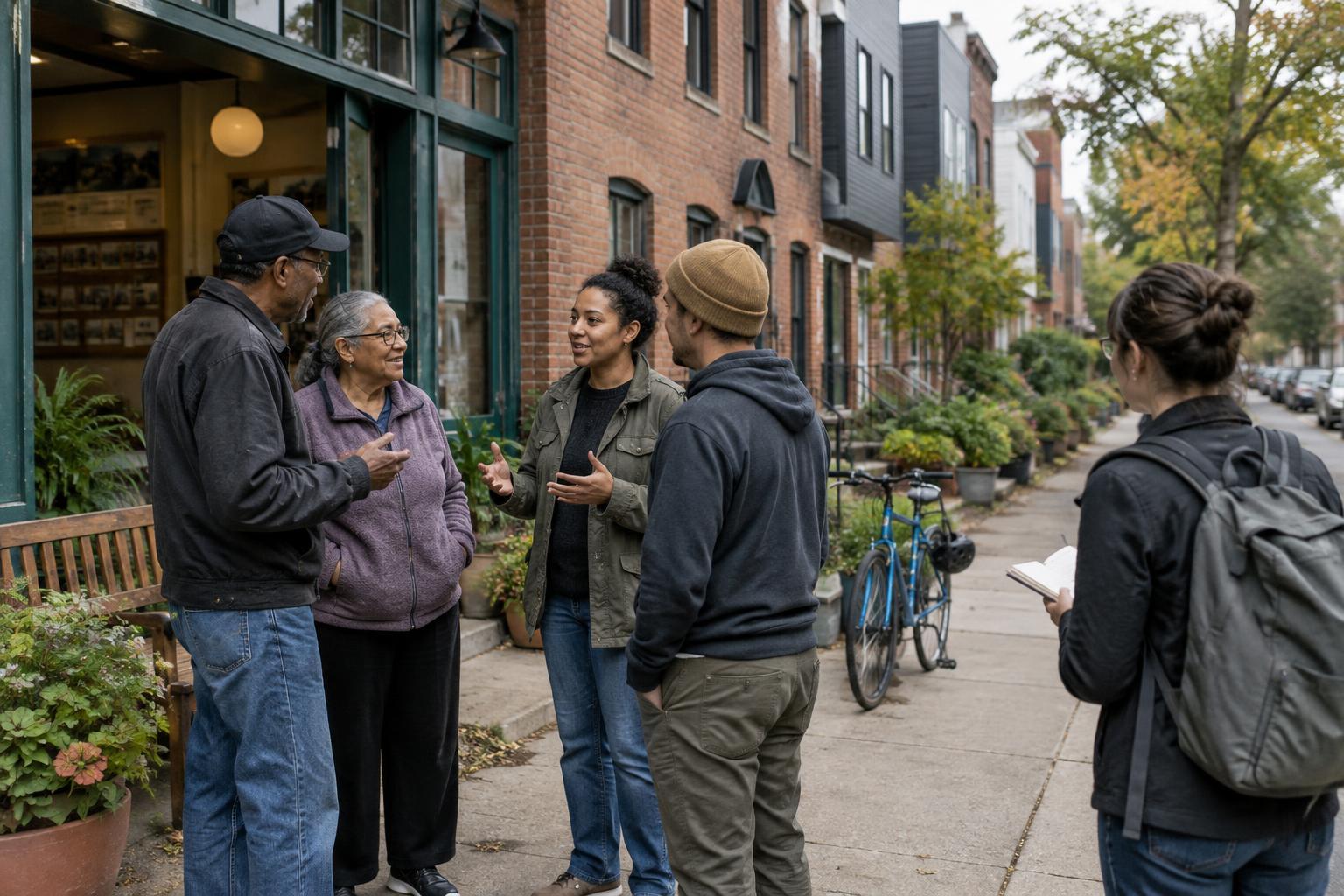
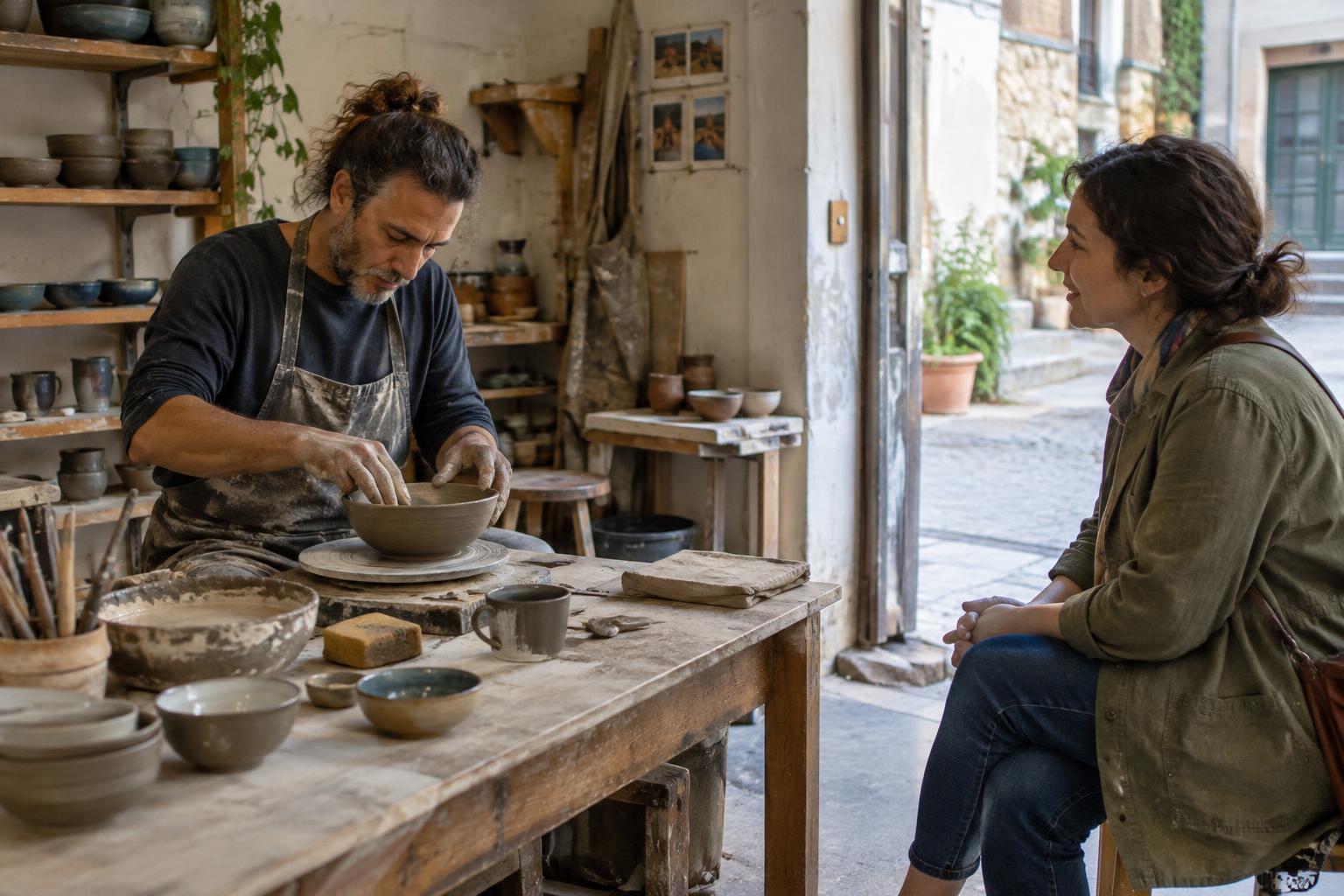
People who remember a lost place can offer details no plan or photograph preserves: the sound of a door, the route they took past it, or the way its use changed over the years. If someone is willing to talk, ask open questions and allow them to decline topics. Explain how you hope to use their account, and seek permission before publishing a name, recording or personal story. Do not treat a person as a representative of an entire neighborhood.
Nostalgia is valuable evidence of attachment, but it is not a complete account of the past. “Everyone loved it” may mean everyone in one person’s circle. Ask who had a different experience and whether newer residents know the site by another name. When memories conflict, there may be no need to declare a winner. You can describe the disagreement, check what surviving records clarify, and leave the rest unresolved.
Write about the loss and what followed
Demolition is not always a simple contest between preservation and neglect. A structure may have been unsafe, costly to adapt or caught in plans that residents contested. Claims about why it was removed should be tied to evidence, and an official explanation should not automatically be treated as the only one. Consider who made the decisions, who bore the disruption, and whether anything from the building was reused or remembered elsewhere.
Finally, look at the site as it is now. What do people do there, and what needs does the present use meet? A careful account need not ask readers to prefer the past over the present. It can show that a place has held several kinds of value across time. The aim is not to restore a vanished building in words, but to make its history legible without flattening the lives around it into a before-and-after photograph.