A craft is more than an object
A woven basket, carved sign or repaired chair can tell you something about a place. Look past the finished object, and you may also find a history of local materials, household needs and skills learned by working alongside someone else. Traditional crafts are often described as techniques passed down intact, but the process is usually less tidy. A maker might inherit one method, learn another from a neighbor and adjust both to suit the tools or materials available today.
That flexibility matters. Passing on a craft does not necessarily mean producing the same object in the same way forever. It can mean preserving an understanding of how to select a material, solve a problem or judge when a piece is finished. Those decisions are difficult to capture in a pattern or a list of steps; they become clearer when people make things together.
Learning by watching, doing and repeating
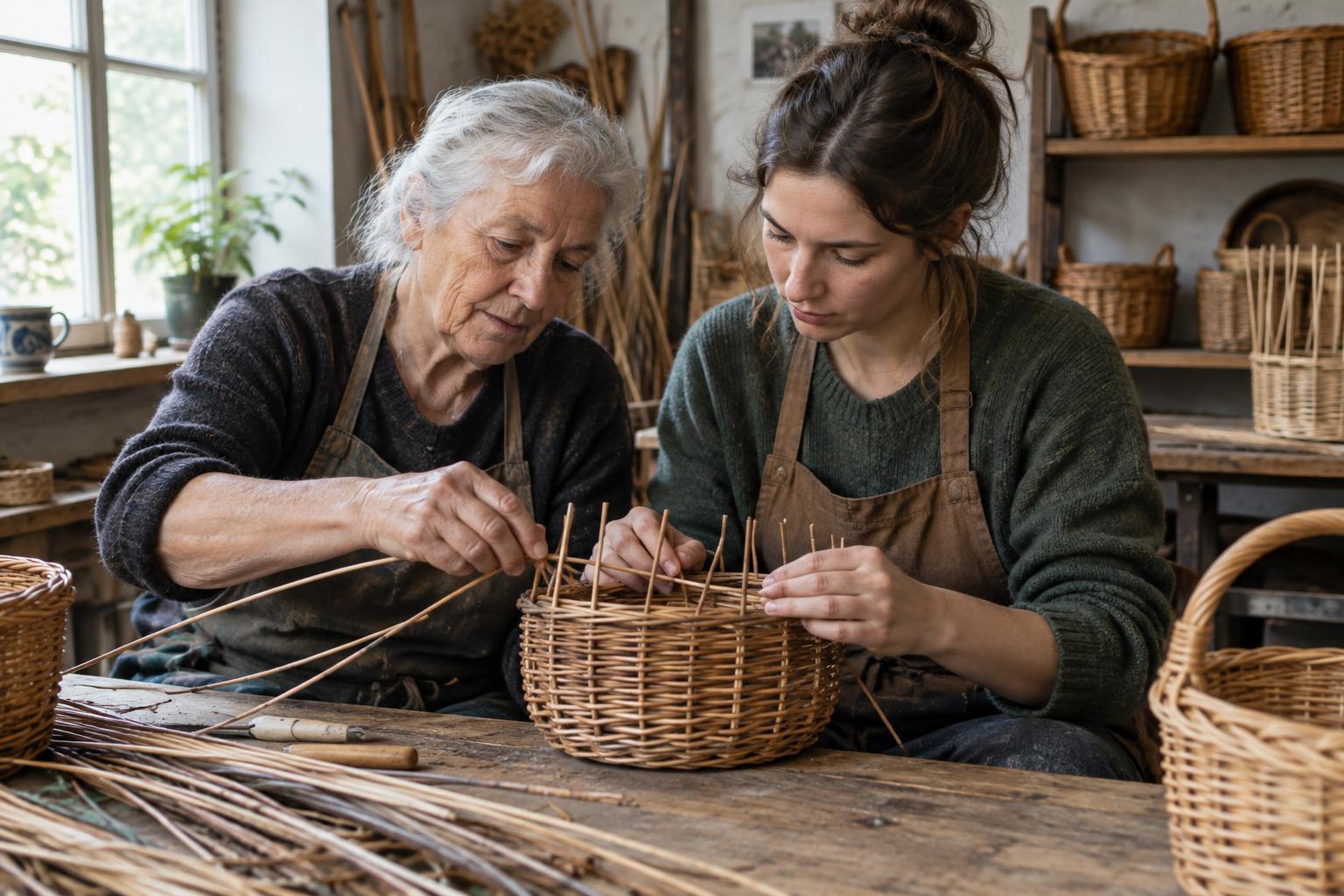
Many craft skills begin with small tasks. A learner may prepare materials, sort pieces, hold a tool or watch how an experienced maker handles a stubborn joint. Repetition builds familiarity, while mistakes create opportunities to understand why a particular movement works. What looks effortless in skilled hands may rest on years of noticing texture, weight, sound and resistance.
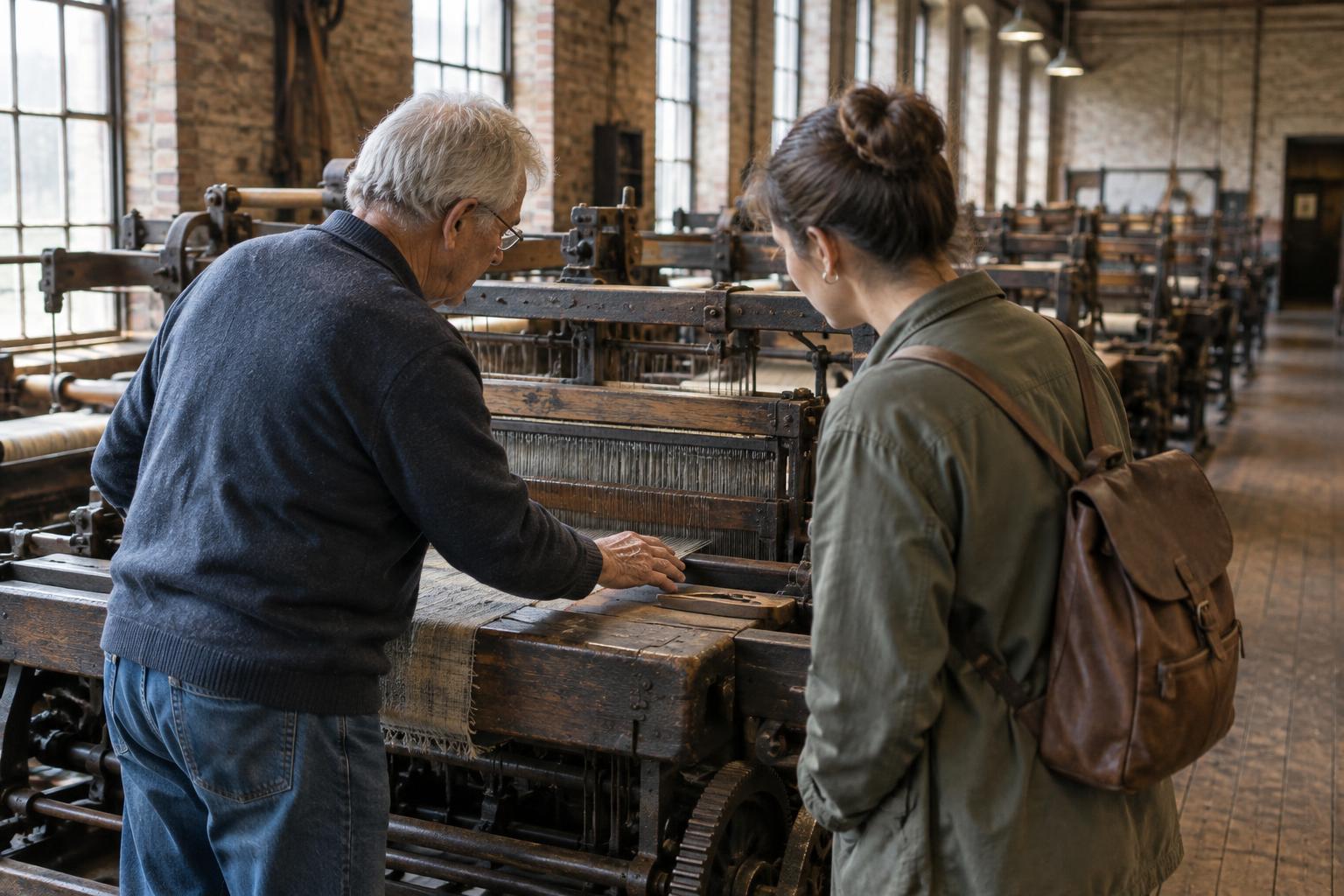
Teaching can happen in families, but family is not the only route. Neighbors, workshops, community groups and apprenticeships can all connect learners with experienced makers. Nor does every lesson take the form of a formal demonstration. A quick correction at a workbench or a conversation while repairing an everyday item may carry knowledge that a finished piece cannot show.
What changes when life changes
Crafts depend on practical conditions as well as enthusiasm. People need time to teach and learn, places to work, access to materials and some reason to keep making. A technique once used for household necessities might later be practiced for repairs, commissions, celebrations or personal enjoyment. If a material becomes difficult to obtain, a maker may test an alternative or change the design.
Adaptation can raise thoughtful questions: which features are essential to a craft, and which can change? There is no single answer that applies to every community or maker. A new color or tool may be a creative continuation, while a change made only to satisfy outside expectations may feel different to the people involved. Listening to how makers describe their own work is more useful than deciding in advance what counts as “authentic.”
Where to look for the living connections
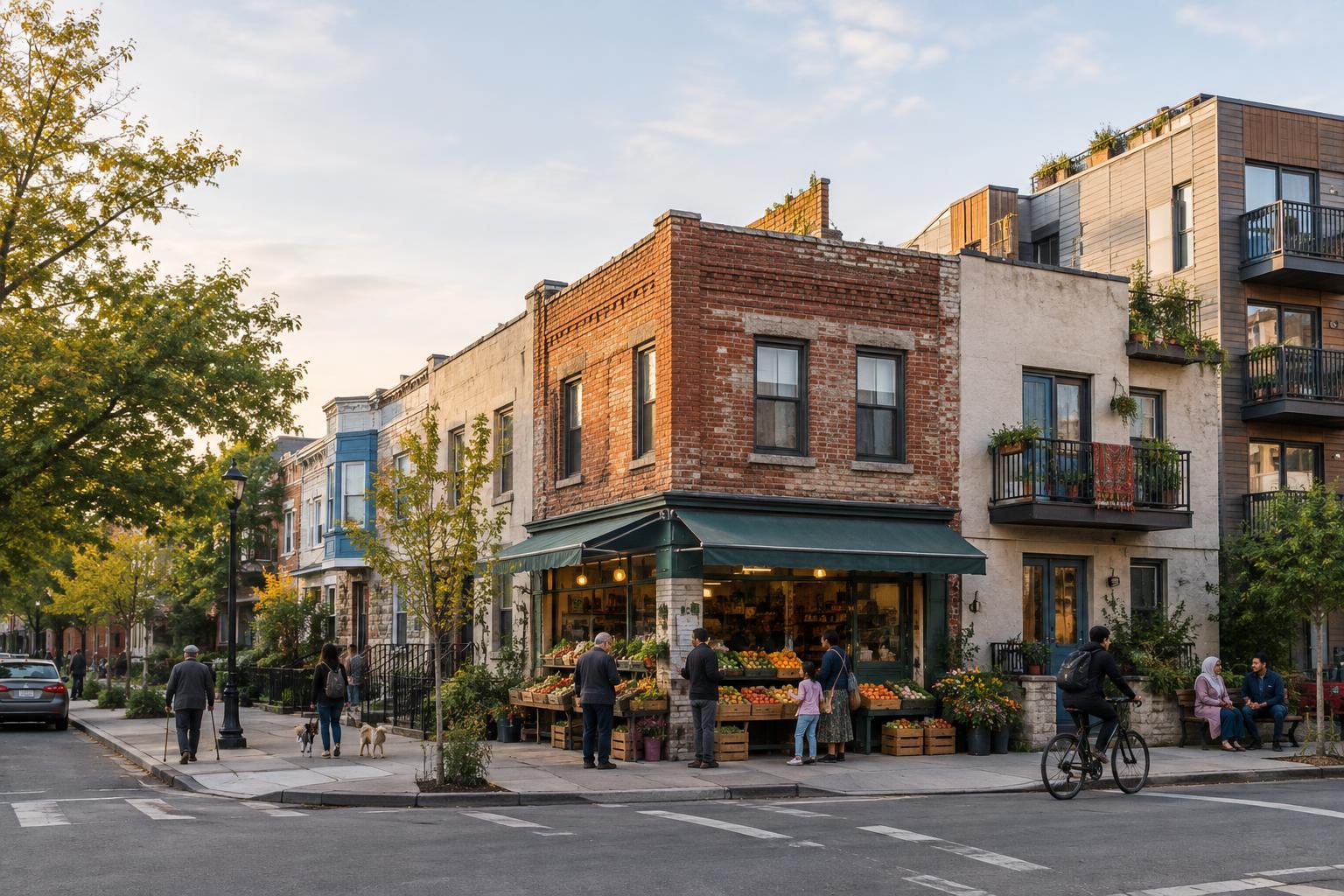
Local heritage is not confined to display cases. A small museum might show an older tool beside a recent object; a neighborhood shop might offer repairs as well as new work; a community exhibition might identify the people who taught the makers. These details can reveal how a skill moves between generations without suggesting that every craft has an unbroken, easily documented lineage.
If a maker welcomes questions, ask about process rather than requesting a performance. What takes the longest to learn? Has a material or tool changed? Who taught them, and do they now teach others? The answers may point to a class, a relative or a colleague—or to a skill learned through independent practice. Allow room for someone to keep parts of their process private.
How to visit with care
A workshop is often a workplace, not an attraction. Check whether visitors are welcome, respect opening hours and ask before photographing people, tools or unfinished pieces. If a demonstration or class has a fee, treat that time as skilled work. When buying an object, it is reasonable to ask about its materials and care, but avoid pressing a maker to justify a price or tell a family story.
The most useful thing a visitor can take away may be a better way of looking. Notice the repair on a doorway, the hand-finished edge of a useful object or the name of a teacher in an exhibition label. Each can be a clue to knowledge being shared. Supporting that knowledge begins with recognizing the people who practice it now, not only admiring what earlier generations made.