Tradition happens through participation
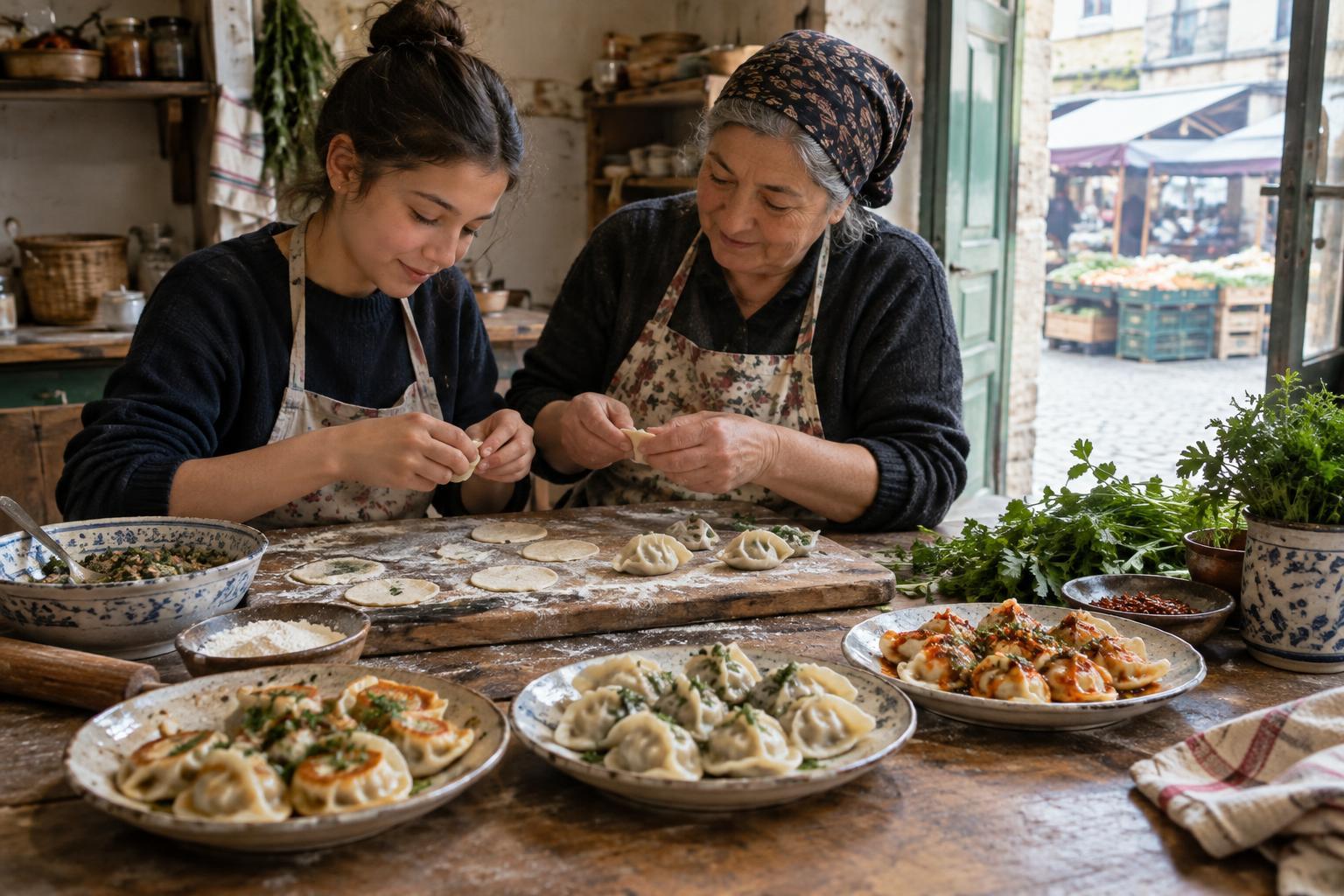
A festival may appear to be a single day of music, food or processions. For many participants, it is also a season of preparation: rehearsing, repairing decorations, planning a route, cooking together or teaching someone a familiar task. These repeated acts help carry knowledge that might be difficult to capture in a display case. Knowing how to fold a banner, time a song or welcome a guest can matter as much as knowing the festival’s origin story.
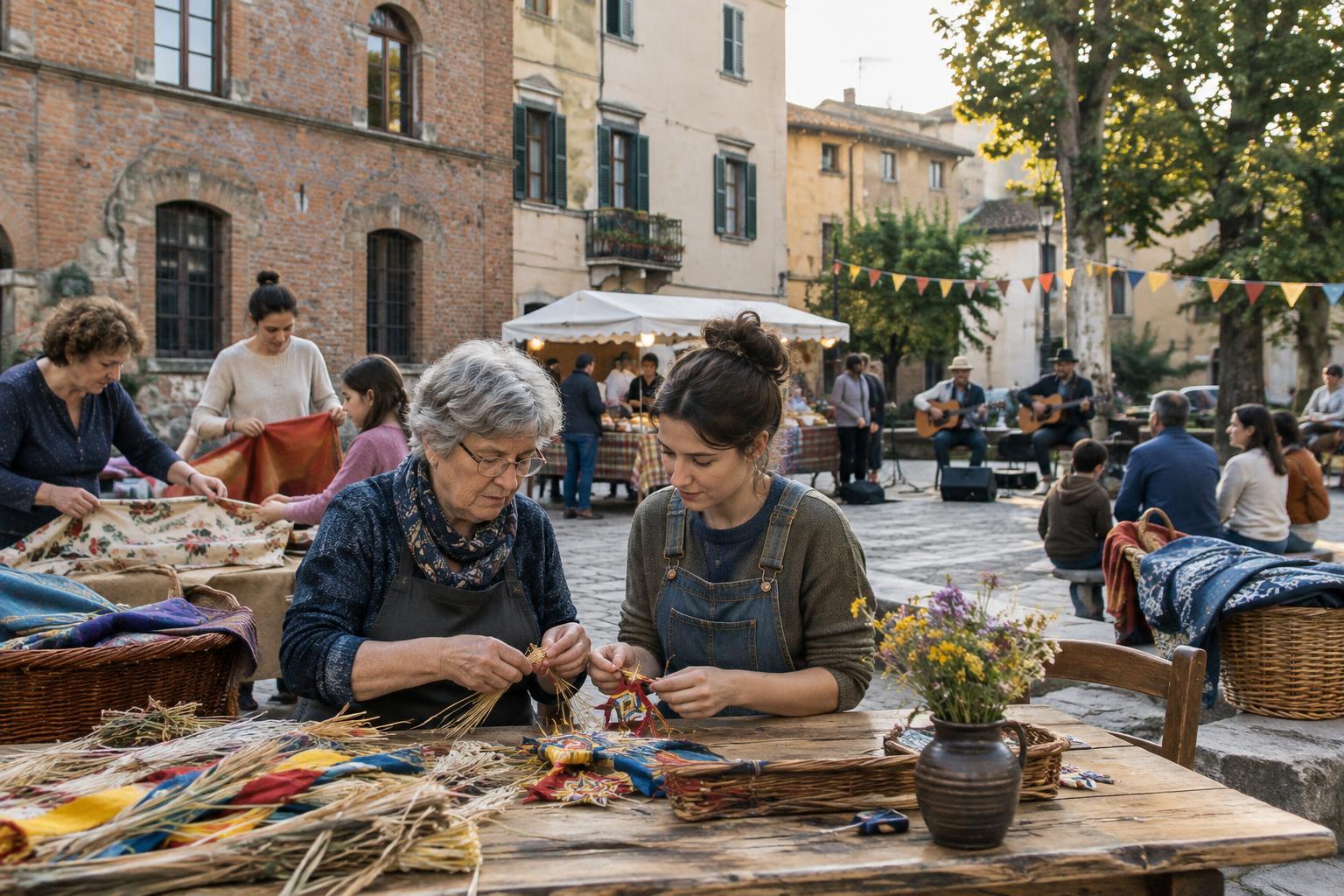
Look past the most photographed moment and you may notice how many people make it possible. A person setting out chairs, a group practicing after work or neighbors coordinating meals are all part of the event’s heritage. Their efforts show that a tradition survives not simply because it is old, but because people continue to give it time and meaning.
The setting tells part of the story
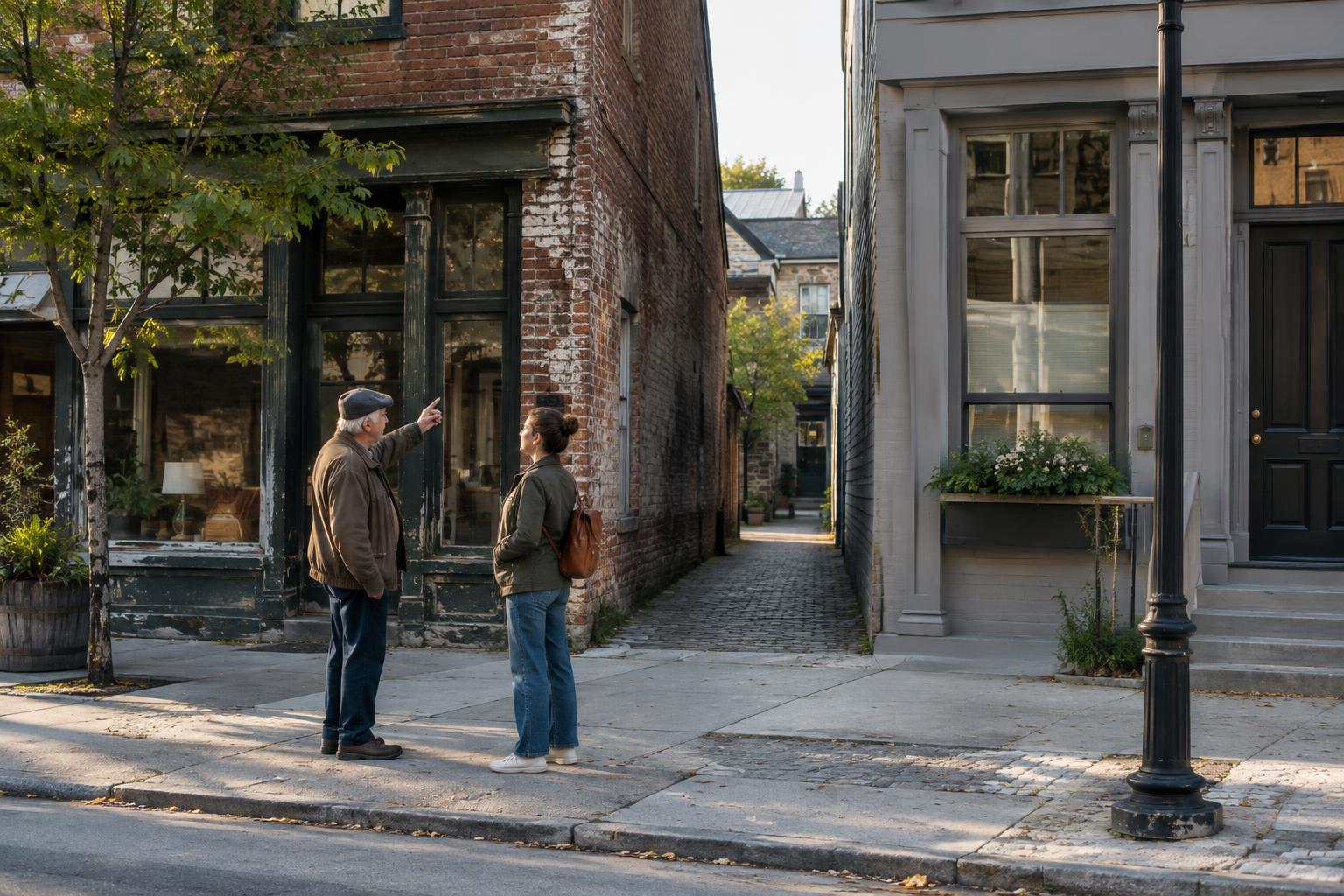
Festivals often make familiar places feel different. A square becomes a gathering place, a street becomes a procession route, or a community hall fills with objects usually kept at home. The setting may explain why certain traditions took hold: a route might connect meaningful buildings, while a gathering space might reflect where neighbors have long met. These details are easy to miss if you focus only on a performance.
The setting can change, too. A growing crowd may need a different route. A venue may become inaccessible or too costly, or participants may choose a space that better welcomes the people involved today. A changed location does not necessarily make a festival less rooted. It can reveal the practical work required to keep a shared occasion possible.
What stays, and what changes
Festivals are sometimes described as if every detail has been repeated unchanged for generations. In practice, participants often make choices about which elements to keep, restore, adapt or leave behind. Materials may be easier to obtain in a new form; schedules may shift to fit work and school; music or food may reflect the people who now call the place home. Even the meaning of a familiar custom can vary between participants.
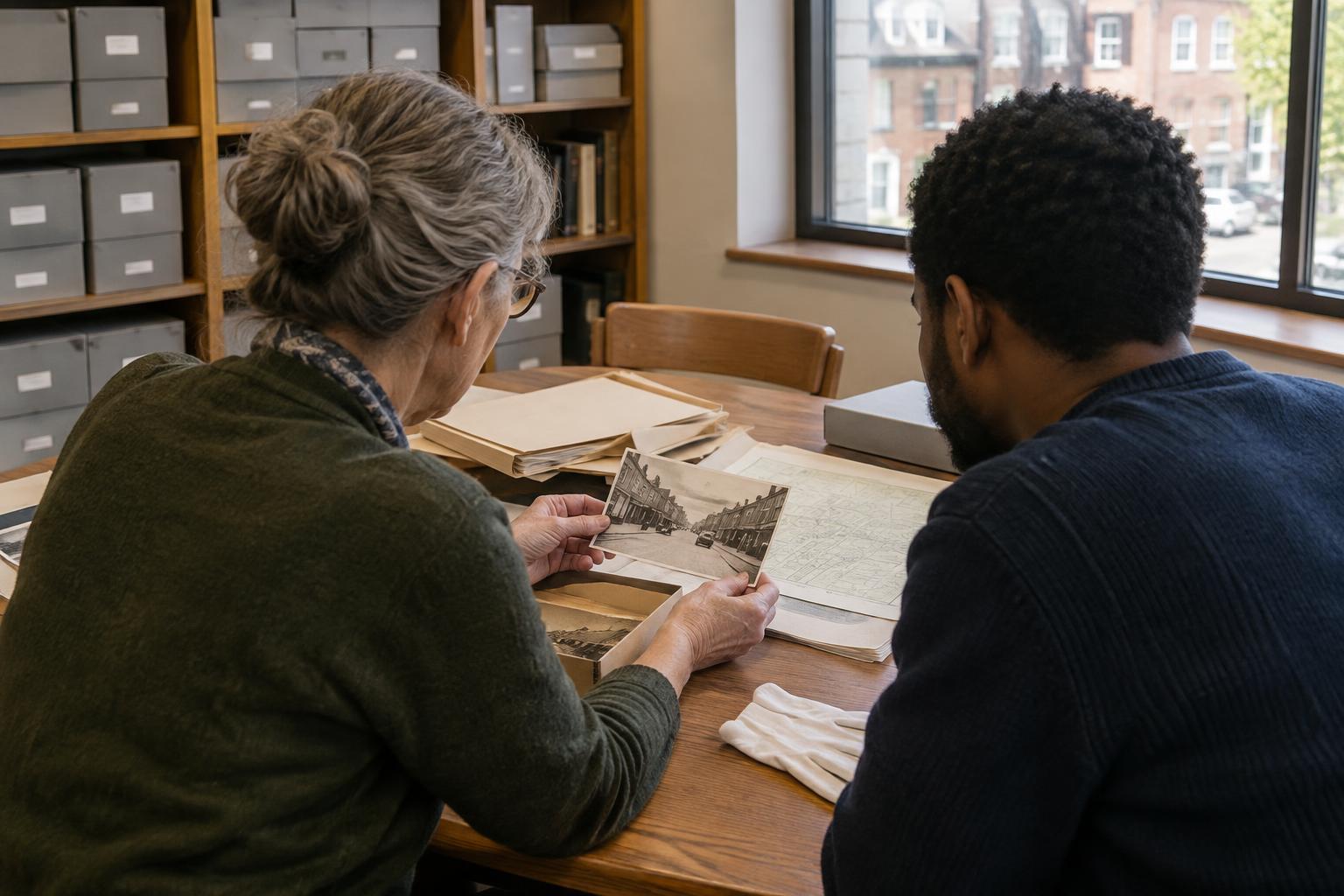
That does not mean anything goes, or that every change is welcomed. A festival can prompt thoughtful disagreements over who represents a tradition, who makes decisions and which activities belong in a public celebration. Rather than looking for one definitive version of the past, it is more useful to ask how people describe the event themselves. Different answers may reveal how a community negotiates both memory and belonging.
The labor behind a public celebration
The visible program is only part of a festival. Planning may depend on people who manage equipment, coordinate volunteers, prepare shared meals, teach younger participants or clean up afterward. Much of this work happens out of sight, yet it can shape whether an event remains welcoming and manageable. Paying attention to that labor gives a fuller picture of local heritage than treating the festival as a spectacle staged for visitors.
Support can be practical rather than grand. If an event invites visitors, follow its guidance on tickets, donations and photography. Buy from participating local makers when it suits your budget, and avoid assuming that every performer or volunteer is available to explain a custom on demand. Some celebrations include private or sacred parts alongside public ones; an invitation to attend one part is not permission to enter every space.
How to visit with curiosity
Before going, check information from the organizers for details such as access, etiquette and which activities are open to visitors. Once there, give people room to participate without navigating around your camera. Notice the small transitions: who prepares a space, how participants greet one another and what happens after the main event ends. These moments can help you understand a festival without asking anyone to perform an explanation for you.
If you do have an opportunity to ask a question, keep it open and specific: “What does this part of the day mean to you?” may lead to a more useful conversation than “Is this the authentic version?” Accept that one person’s answer is one perspective. Local festivals carry traditions not by freezing them in place, but by giving people occasions to practice, debate and share them. A respectful visitor leaves space for that continuing work.