Start with the food as it exists today
A pastry in a bakery window or a stew on a lunch menu can look like an invitation to solve a mystery: who made it first? That question may be less useful than it seems. Recipes move with families, workers and neighbors. Ingredients change with availability, and names can shift from one street or generation to another. A local version may be distinctive without being the first or the only authentic one.
Begin by noticing what is in front of you. Where is the food sold, and when do people eat it? Is it an everyday meal, a holiday preparation or both? Read the menu description, look at the surrounding shops and note the words people use for it. These details offer a starting point, not a verdict on the tradition’s history. They also keep the inquiry connected to a place and its people rather than an abstract contest over invention.
Follow places, not just recipes
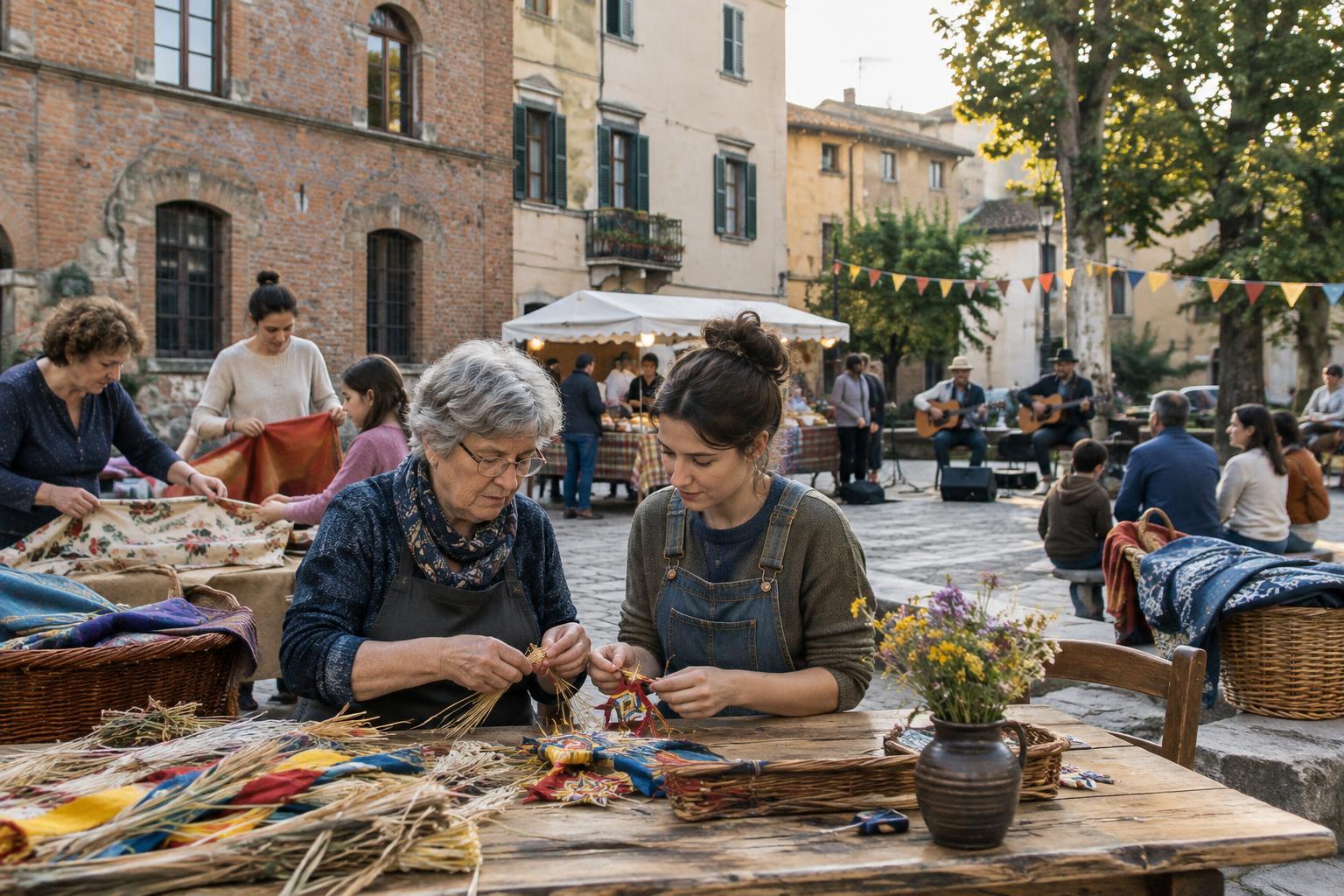
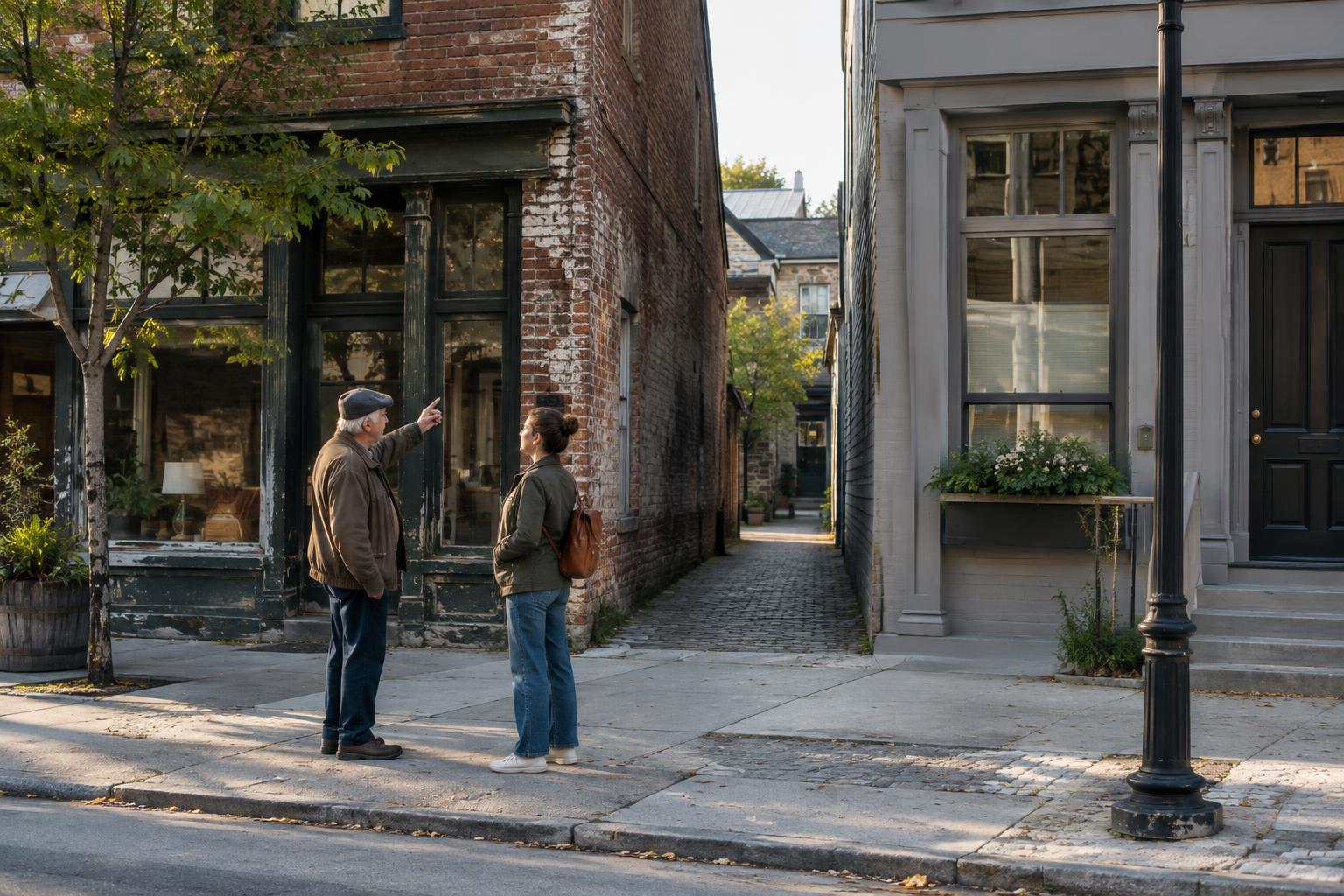
Food heritage lives in kitchens, but also in markets, community halls, places of worship, farm stands and the streets between them. A walk through a neighborhood can reveal useful connections: a grocer stocking a particular ingredient, a bakery serving customers on their way to work, or a festival where a dish takes on a different role than it has at home. Each place may show how a tradition is maintained, shared or adapted.
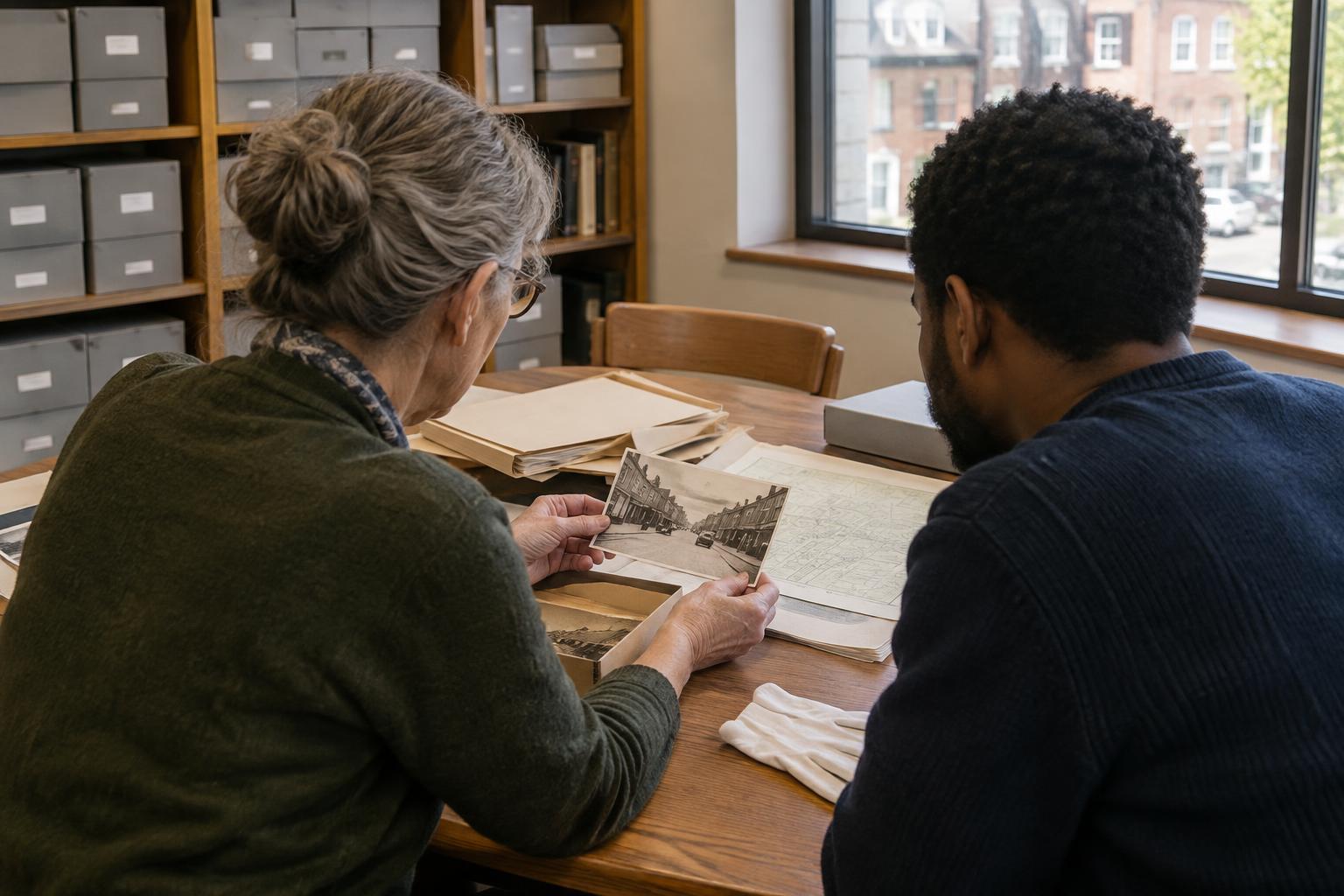
Look for modest forms of local recordkeeping, such as exhibition labels, community cookbooks, archived menus or photographs displayed in a shop. Treat them as pieces of evidence with their own limits. A menu can show that a dish was offered at a particular place; it cannot, by itself, establish where the dish began. If a small museum or heritage group has documented the food, pay attention to whose experiences are represented and whose may be missing.
Ask questions that leave room for different memories
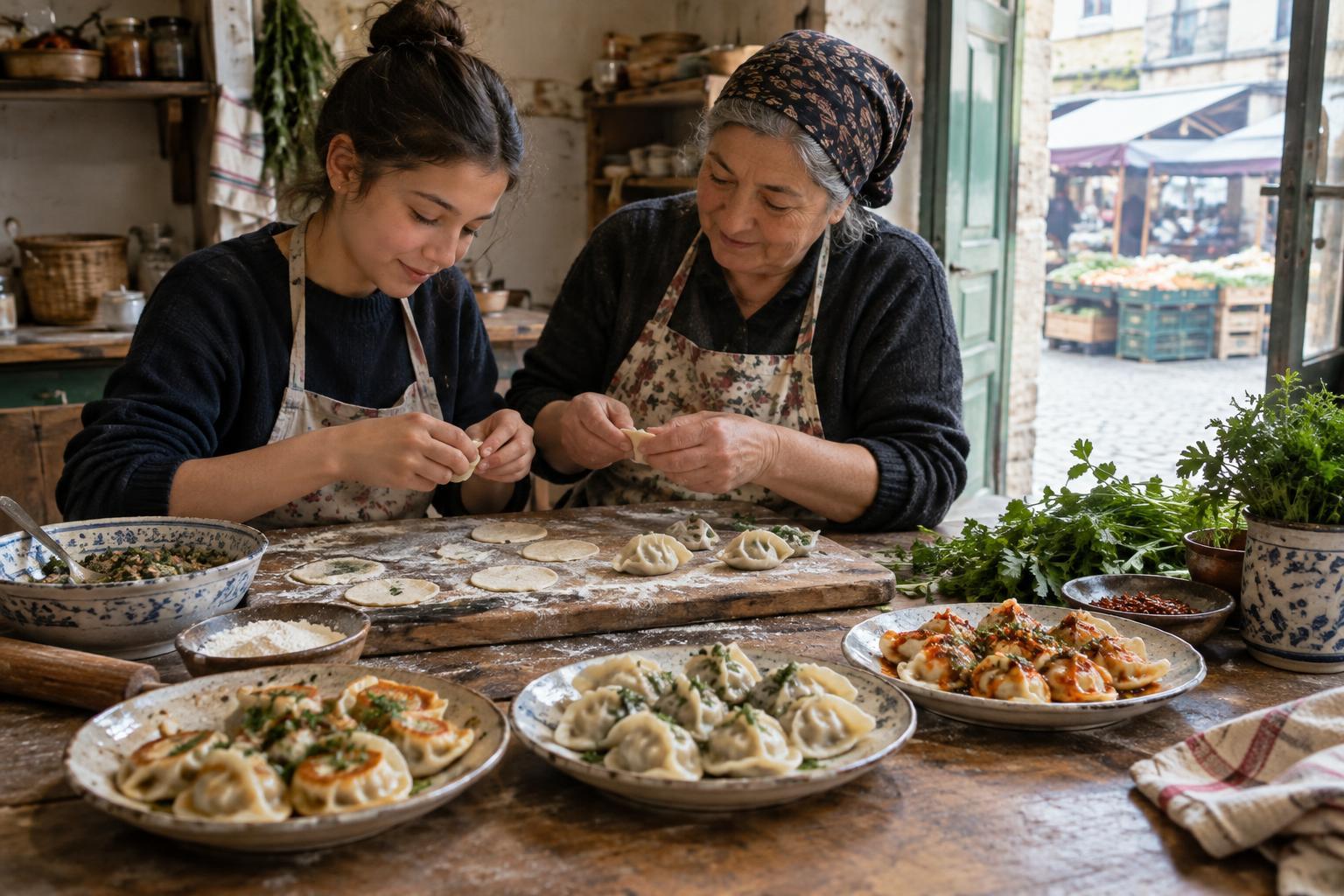
If a conversation arises naturally, ask people about their connection to the food rather than asking them to speak for an entire community. “How did you learn to make it?” or “Has the version you serve changed over time?” invites a specific account. “Is this the original version?” can put someone in the position of defending a claim they never made. A cook’s family practice, a customer’s childhood memory and a museum label may all describe different parts of the same tradition.
Listen for differences without rushing to reconcile them. One person might remember the dish as a celebration food; another might recall it as an affordable weekday meal. Both memories can be valuable. If you plan to write down someone’s words, photograph their work or share their story publicly, ask permission and explain what you intend to do. Buying something does not automatically make a conversation, a kitchen or a family history available for publication.
Notice change without calling it a loss
It is tempting to describe an older recipe as authentic and a newer one as a departure. Yet substitutions can reflect skill and care: a cook working with local produce, a family adjusting a dish for a new home, or a business making it possible to serve many people. Change does not prove that every version means the same thing, but it need not be treated as evidence that a tradition has faded.
Ask what has stayed recognizable and what has shifted. It might be a shaping technique, a seasoning, the occasion for serving the food or simply the habit of making it together. Also consider the work behind what visitors get to taste. Shopping, preparation, cleaning and teaching may be central to keeping a tradition alive, even when they are less visible than a finished plate. Noticing that labor makes for a fuller account of local heritage.
Tell a smaller, more accurate story
After a few stops, you may have several plausible stories and no clear starting point. That is not a failed search. A careful account can say where you encountered a food, what particular people or records say about it, and which questions remain open. Use precise language: “This family has made it for generations” conveys something different from “This family invented it.” Avoid turning one welcoming shopkeeper into an authority on everyone’s history.
When you share what you learned, name the places and people who chose to contribute, if they are comfortable being named. Distinguish your observations from what someone told you, and do not present a guess as a fact. The result may be less tidy than a single-origin tale, but it is more useful to a curious traveler. It leaves space for the next person’s memory—and for a living tradition to keep changing.