Why the price at the door can be hard to read
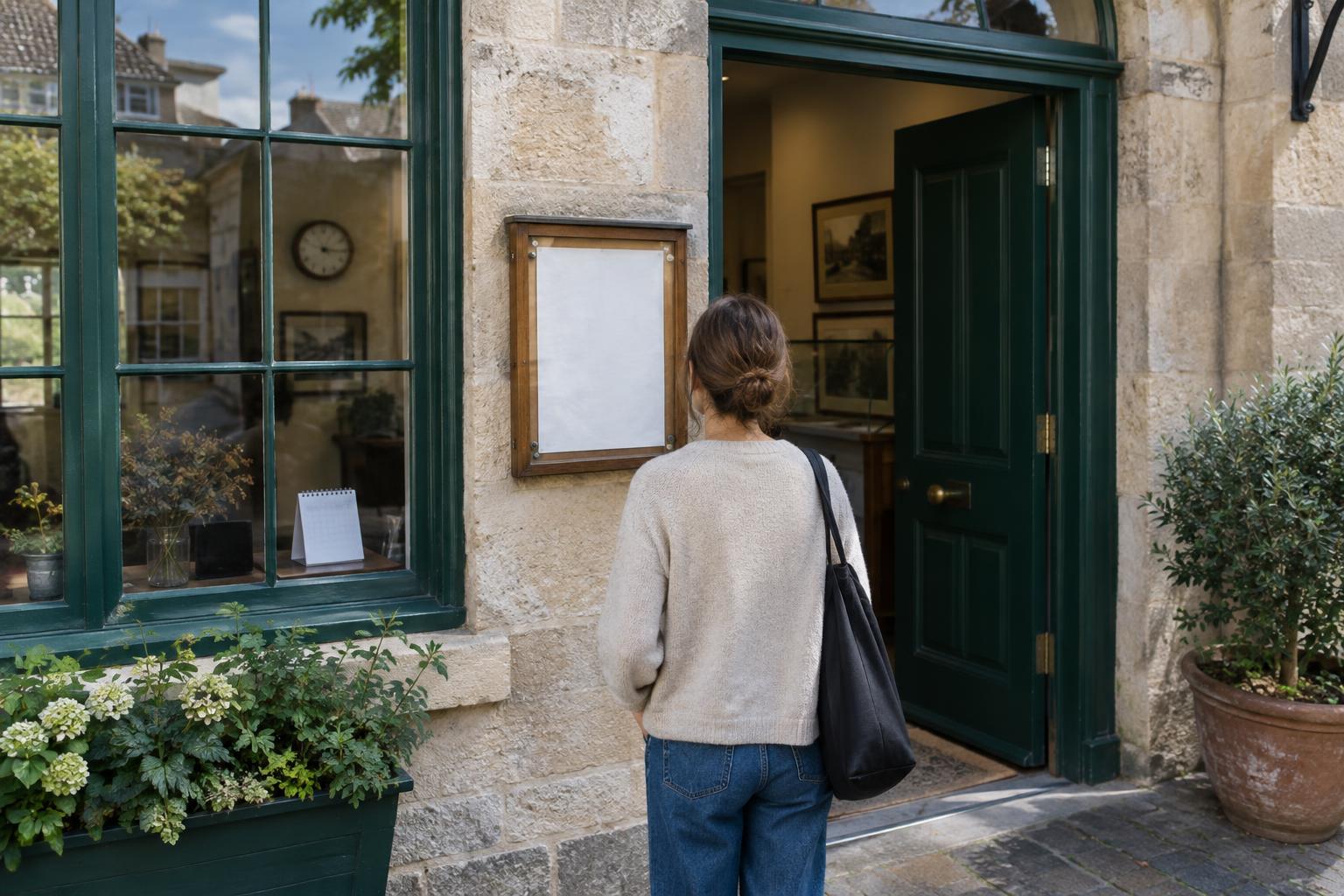
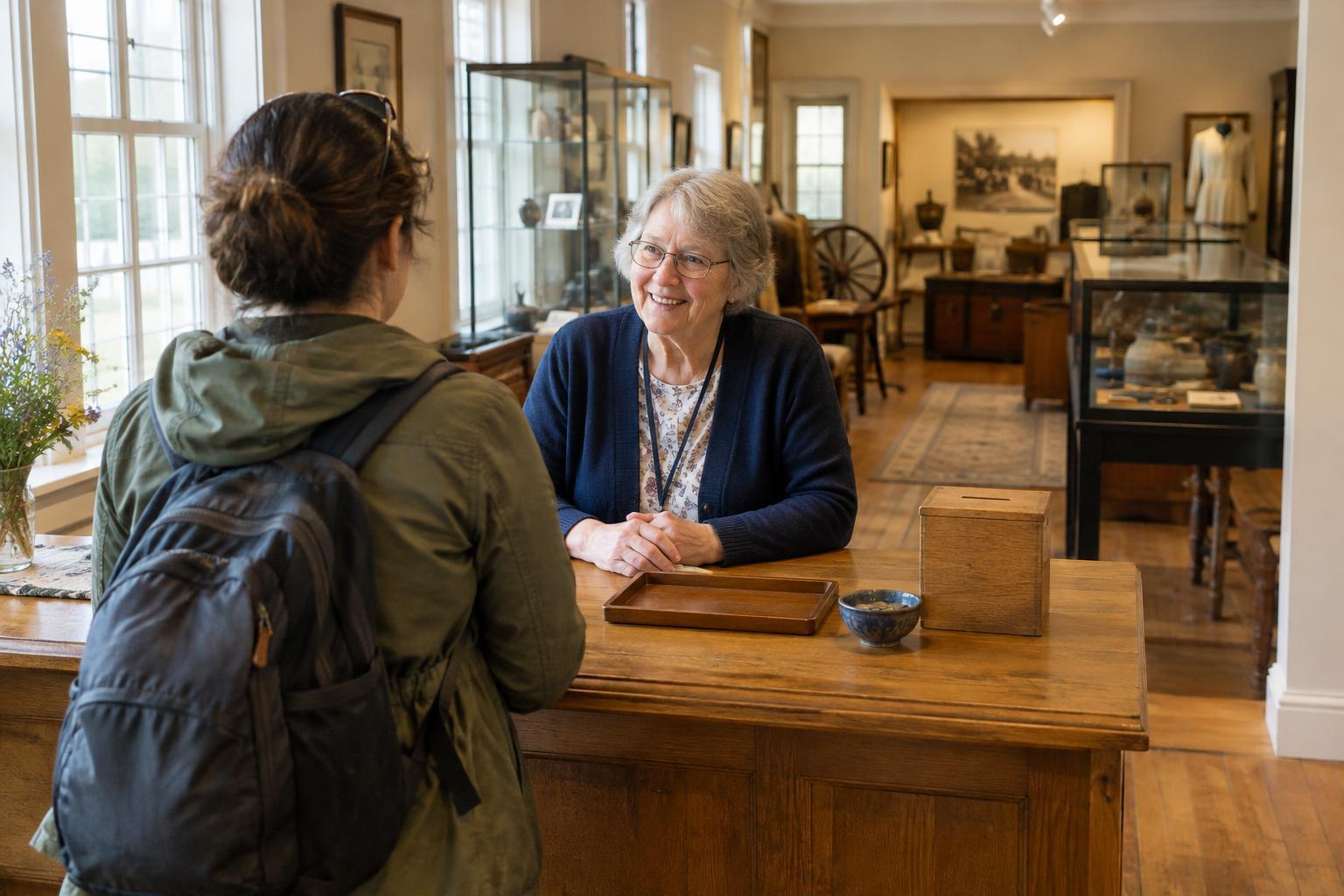
At a small museum, the first exhibit may be the sign beside the entrance. It might say “admission,” “suggested donation,” or simply “contributions welcome.” Those phrases describe different arrangements, but they can feel equally uncertain when you are standing in front of a volunteer with your wallet in hand.
A fixed admission fee is the amount a museum asks visitors to pay for entry. A suggested donation names an amount the museum hopes visitors will give, but it is generally presented as a choice rather than a ticket price. Free admission means entry does not depend on payment, though the museum may still welcome contributions. If a sign is unclear, ask: “Is this the admission price, or a suggested donation?” It is a reasonable question, not a challenge to the museum’s policy.
Check what admission includes
Small museums take many forms: a room of local photographs, a preserved home, a collection run by a community group, or a gallery with changing displays. Their admission arrangements can vary just as much. A general ticket might cover the whole site, while a guided tour, special exhibition, workshop, or event may have a separate charge. Some spaces are only accessible with a guide, so it helps to ask what a standard visit includes.
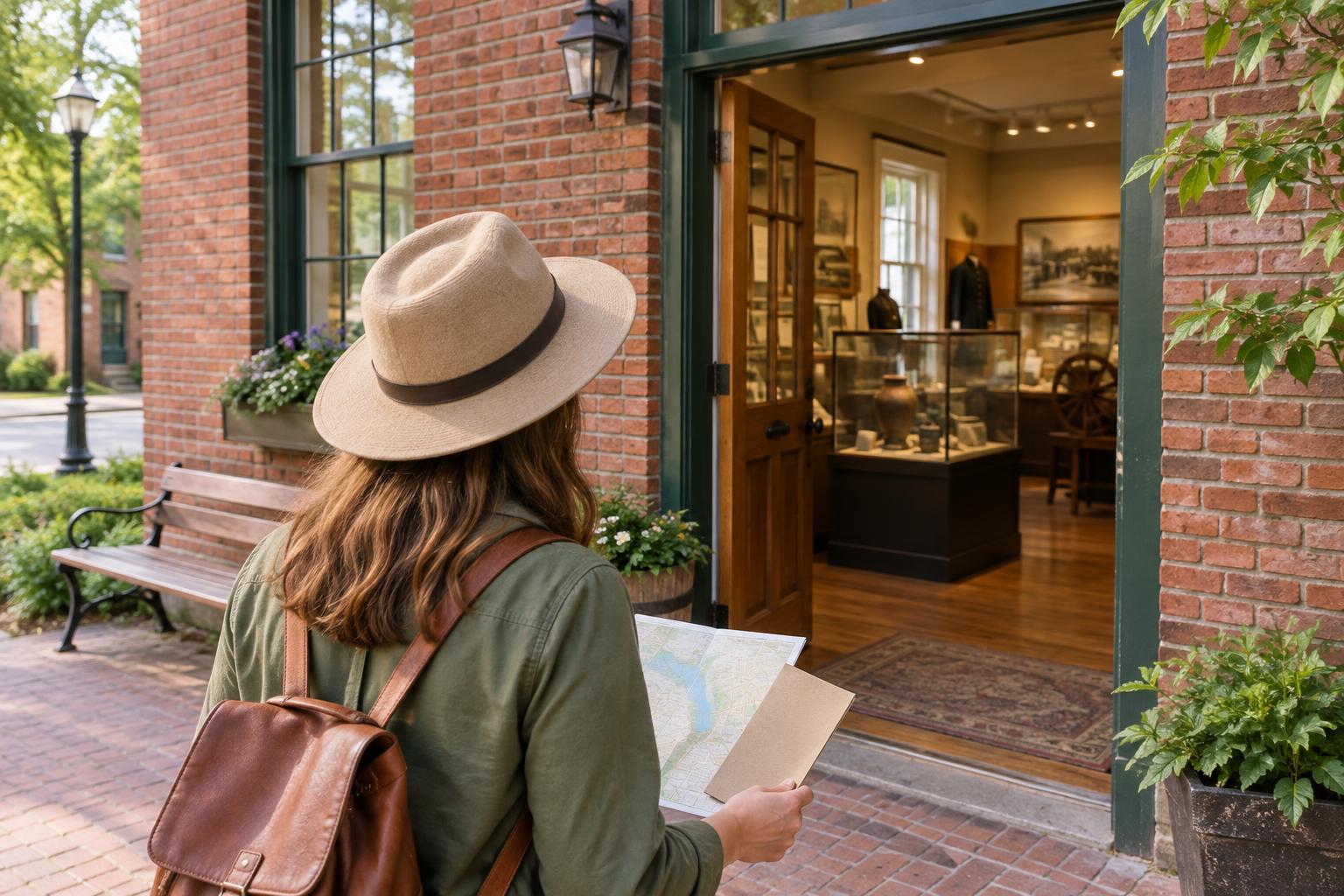
Before setting out, look for admission information on the museum’s own visitor materials if they are available. Note any distinction between walk-in visits and booked tours, and check whether a group needs to arrange entry in advance. Information posted online or in a brochure may not answer every question; a short call or message can save confusion, especially if you are traveling with children or hoping to visit a particular room.
How to handle a suggested donation
A suggested donation is an invitation to support the museum, not a test of whether you belong there. If you can give the suggested amount and want to, it offers a simple choice. If you cannot, a smaller contribution may still be welcome. When the wording leaves you unsure whether entry is possible without donating, ask directly and politely. Staff or volunteers can explain how their museum handles it.
Try not to treat a suggested amount as a starting point for bargaining. Likewise, there is no need to give an explanation of your circumstances at the desk. A quiet question about the policy is enough. Donation boxes near the exit offer another option: you can look around first, then decide whether and how much to contribute. Whatever you choose, follow the museum’s stated policy rather than relying on assumptions about what other museums do.
Plan for payment and accessibility
If you intend to pay or donate, it is useful to know which payment methods the museum accepts. A small site may not take cards, while another may prefer them; neither arrangement is safe to assume. Ask whether you need to pay at an entrance desk, reserve a place ahead of time, or bring a particular form of payment. If you qualify for a reduced rate, ask what the museum offers and whether you need to show anything to use it.
Cost is only one part of planning a comfortable visit. You can also ask about step-free access, seating, toilets, the length of a guided tour, or whether you can leave and return. Questions like these are especially helpful at museums housed in older buildings or shared spaces, where the entrance may not reveal what the rest of the visit involves. Asking ahead gives the museum a chance to describe what is available without forcing you to guess.
Support the museum in a way that fits your visit
Paying admission or making a donation can help a small museum care for its space and collection, but money is not the only way to be a considerate visitor. Follow photography rules, keep a respectful distance from objects, and listen when a guide explains why a room or item matters locally. If you enjoyed the visit, tell someone what you learned rather than promising that the museum has something it may not offer.
The most useful approach is simple: read the posted information, clarify anything ambiguous, and make a choice that fits both the museum’s policy and your circumstances. Once the question at the door is settled, you can give your attention to the details you came to see.