Why a posted schedule may not be enough
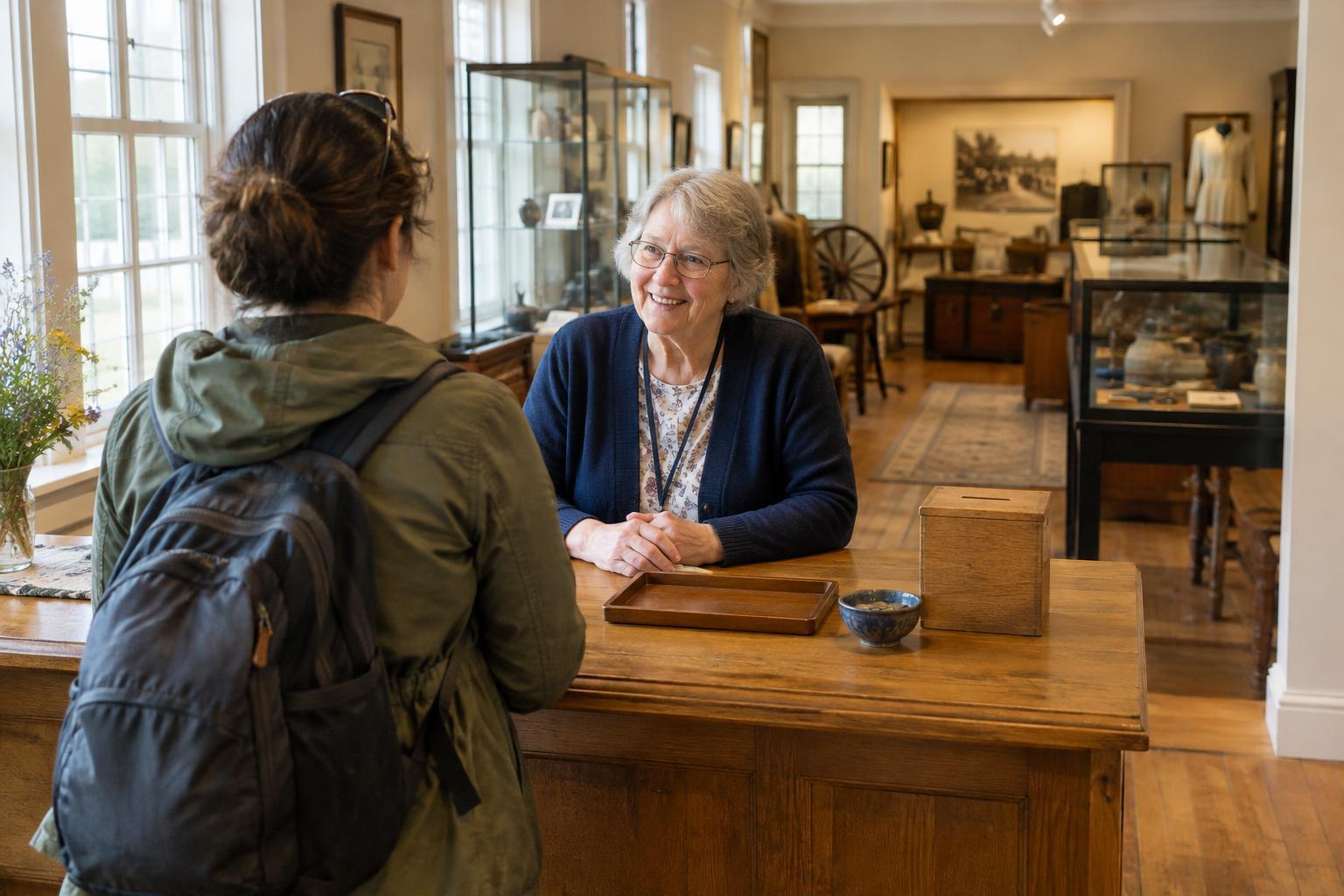
Small museums often work differently from larger institutions. A local history room might share space with a library; a volunteer-run collection might open only when someone is available to welcome visitors. Even when a museum lists regular hours, an exhibition change, building work, or a local event may affect access. The goal is not to assume the information is wrong, but to check that it applies to the day and part of the collection you want to see.
Start by noting your intended date, arrival time, and main reason for visiting. Are you hoping to see a permanent display, consult an archive, or join a guided tour? Those activities may have different schedules. A museum can be open while its research room is closed, or admit walk-ins to exhibits while requiring advance arrangements for a tour.
Check the museum’s own information first
Look for a museum-run website, contact page, or official social account. Read the full visitor information rather than relying on the hours displayed in a search result or map listing. Check for notes about last admission, holiday hours, school breaks, winter schedules, and closures between exhibitions. If a page gives a date for its latest update, consider how relevant that update is to your planned visit.
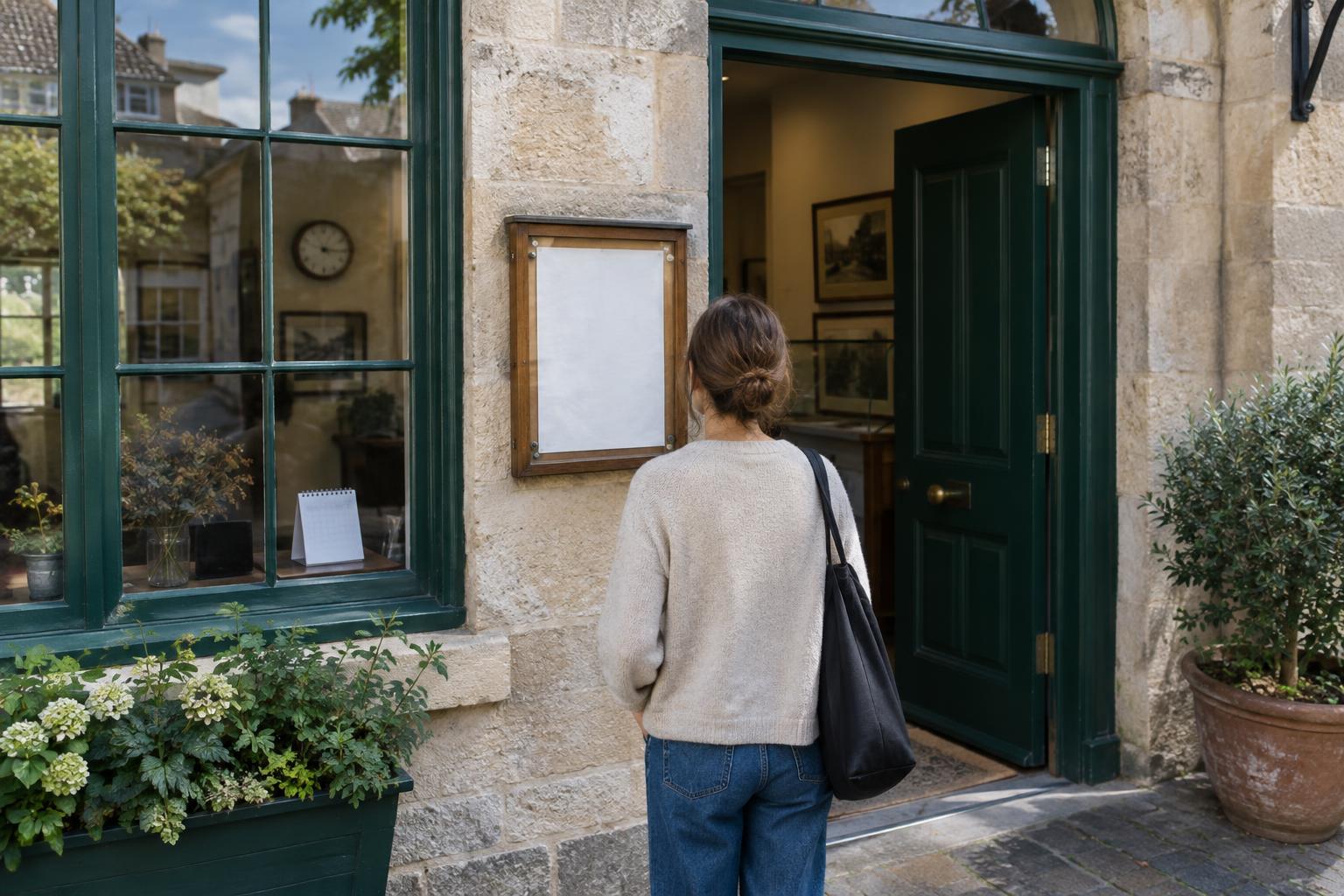
Listings maintained by tourism offices, maps, or travel guides can help you discover a place, but they may not reflect a recent change. When sources disagree, give greater weight to a clear, recent notice from the museum itself. If the museum has no active website, look for a telephone number or email address associated with the institution. A notice at the entrance can also be useful if you happen to be nearby, though it is less helpful when planning a special trip.
Read seasonal and appointment language carefully
Phrases such as “open in summer,” “weekends only,” and “by appointment” leave room for questions. A summer schedule may begin later or end earlier than you expect. Weekend access may exclude particular dates. “By appointment” usually means you should arrange a time before arriving, not simply turn up during a broad window. If the information does not define the season or booking process, ask rather than guess.
Also check whether an appointment is required for everyone or only for certain activities. You may be able to visit the main gallery without booking but need to request access to stored objects, archival material, or a guided visit. If booking is offered, look for a confirmation message or a direct reply before treating the visit as settled. Sending a request is not the same as having an agreed time.
Ask a short, specific question
When the published information is unclear, contact the museum using its preferred method. A concise message makes it easier for a small team to answer: state the date, approximate arrival time, number of visitors, and what you hope to see. For example: “I’m planning to visit on Tuesday afternoon with one other person. Will the galleries be open, and do we need to book?” Add a question about a tour, step-free access, or another essential detail if it will affect your plans.
Give the museum reasonable time to respond, especially if it appears to be staffed part-time. If you are travelling soon, a phone call during stated contact hours may be more useful than an email. Be prepared for a brief answer, and avoid sending repeated messages across several channels at once. If you cannot get confirmation, treat the visit as uncertain rather than assuming someone will be there.
Build a plan that can bend
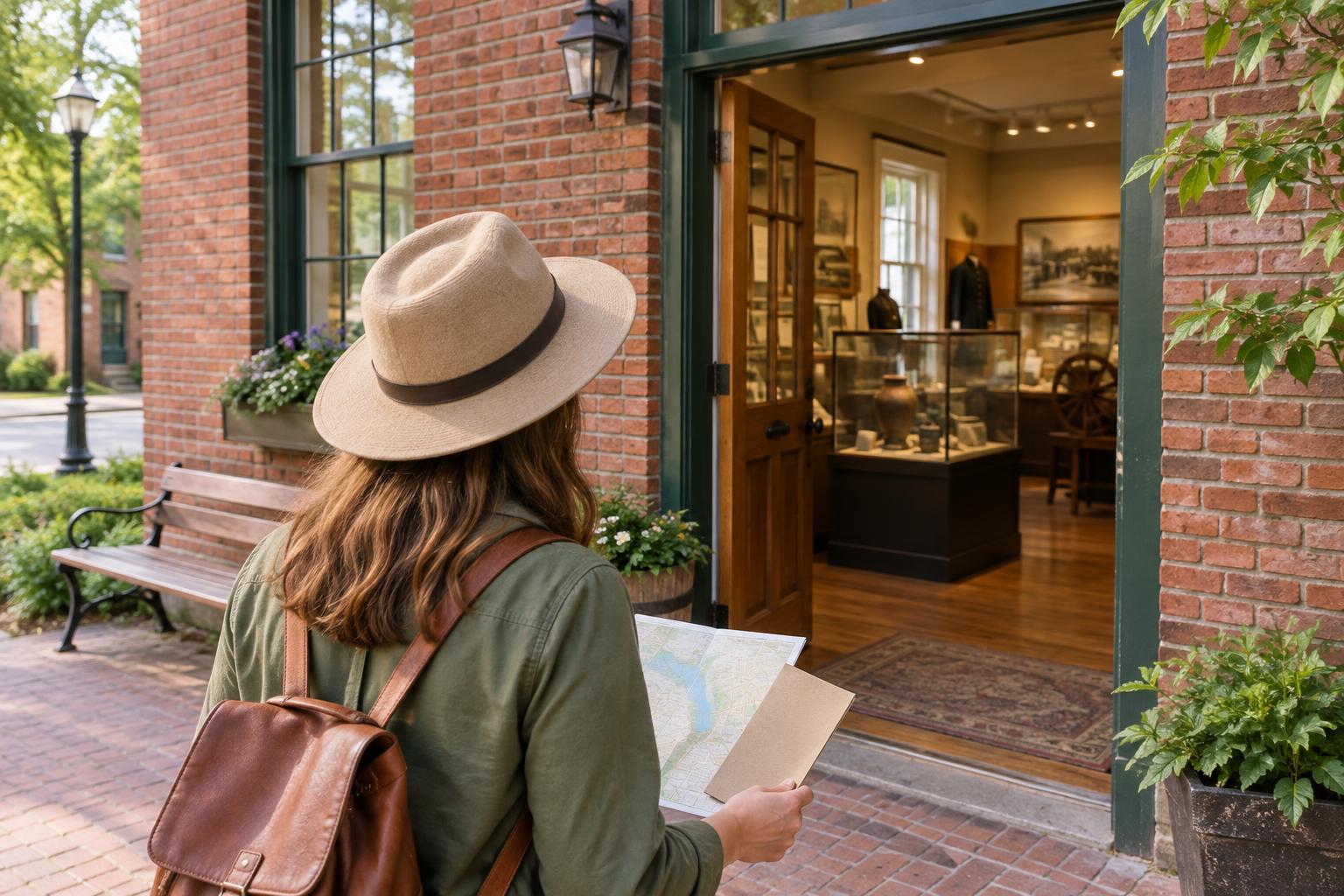
Check again shortly before setting out, particularly when the journey is long or your visit depends on a single opening window. Save the address and contact details, and note any instructions about entrances or meeting points. Arriving well before last admission gives you more room to find the door and enjoy the collection without rushing staff at closing time.
Have a nearby alternative in mind: a walk through the surrounding neighborhood, another cultural space, or a return visit on a different day. A closed door can be disappointing, but it need not undo the whole outing. Confirming details, honoring appointment arrangements, and adapting calmly are small ways to make curious travel more considerate for both visitors and the people caring for these collections.