Mistaking an open street for an open invitation
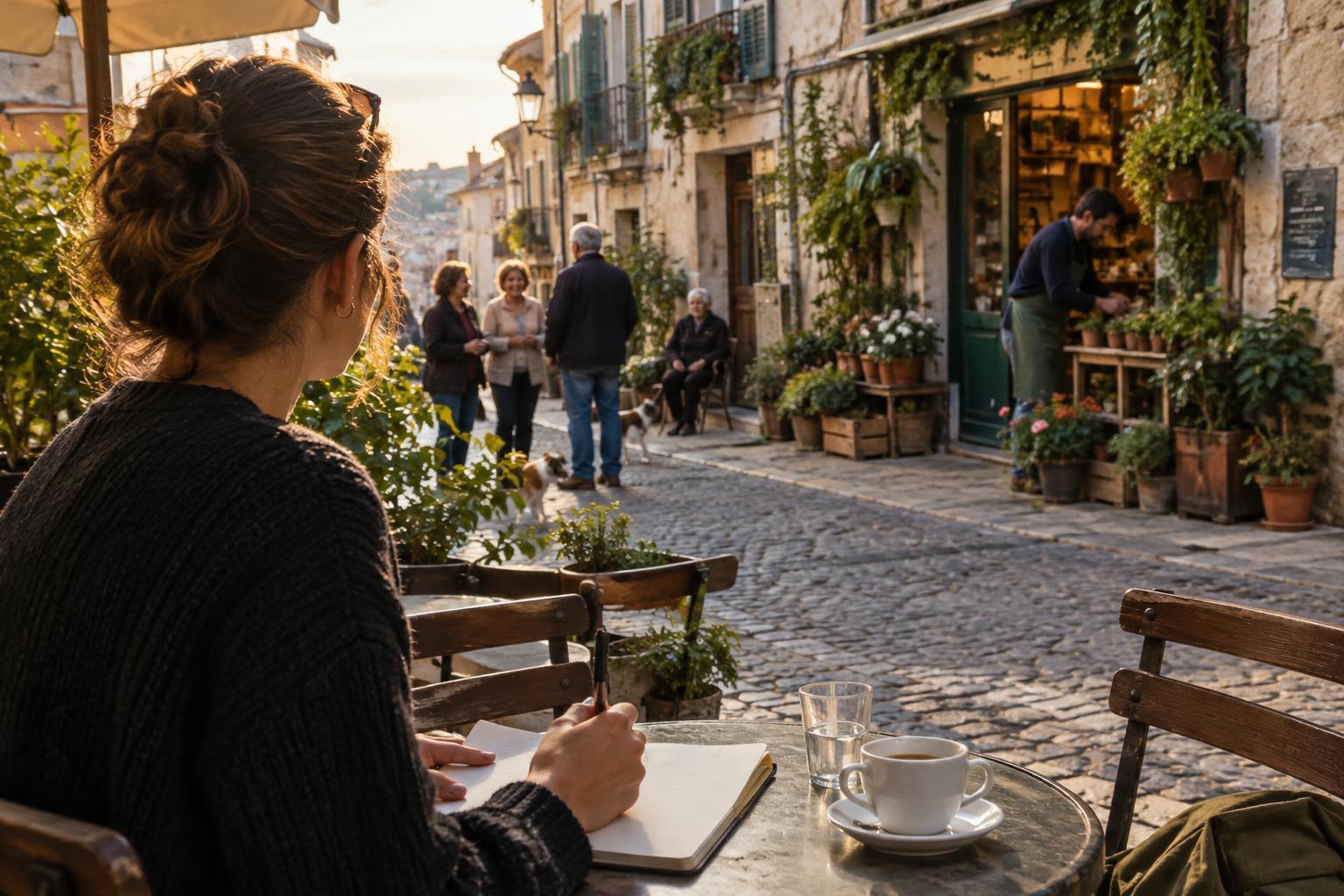
A quiet lane, an old courtyard or a striking apartment block can seem like a discovery. It is easy to forget that the scene may also be someone’s route home, workplace or front step. Public access allows you to pass through; it does not make every doorway, window or conversation available for inspection.
Before stopping, look at how the space is used. Keep entrances clear, lower your voice near homes, and avoid lingering where people are trying to get on with their day. A gate left ajar is not an invitation to enter. If a passage or courtyard appears private, admire it from the public path or move on. Often, a brief look from a respectful distance reveals plenty.
Photographing people as part of the scenery
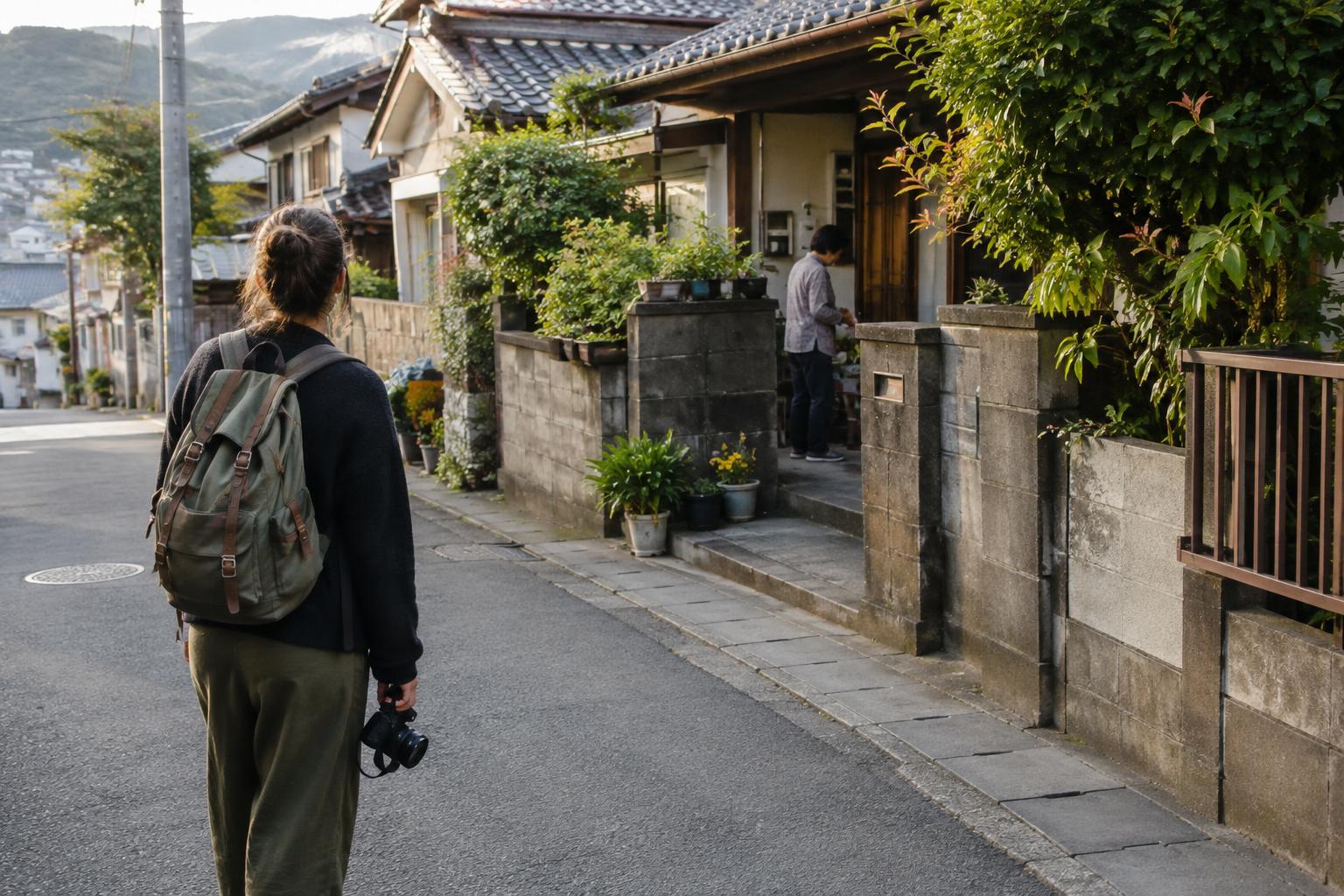
Travel photography can flatten a neighborhood into a collection of appealing details. A person hanging laundry, tending a stall or sitting outside may give an image a sense of place, but they did not necessarily agree to become its subject. This matters especially when photographing children, intimate moments, or people who cannot easily leave the scene.
Pause before raising the camera. If someone is identifiable and central to the picture, ask first when it is practical to do so, and accept a refusal without pressing. Do not assume a smile means permission to publish an image. You can often tell a richer visual story through building materials, shop signs, pavement patterns and wider street views that leave individuals their privacy.
Treating a neighborhood like a puzzle to solve
Unfamiliar places invite questions: Why was this building made this way? What happens behind that unmarked door? Who uses this little square? Questions are valuable, but seeking answers by peering through windows, following residents or testing locked entrances turns observation into intrusion.
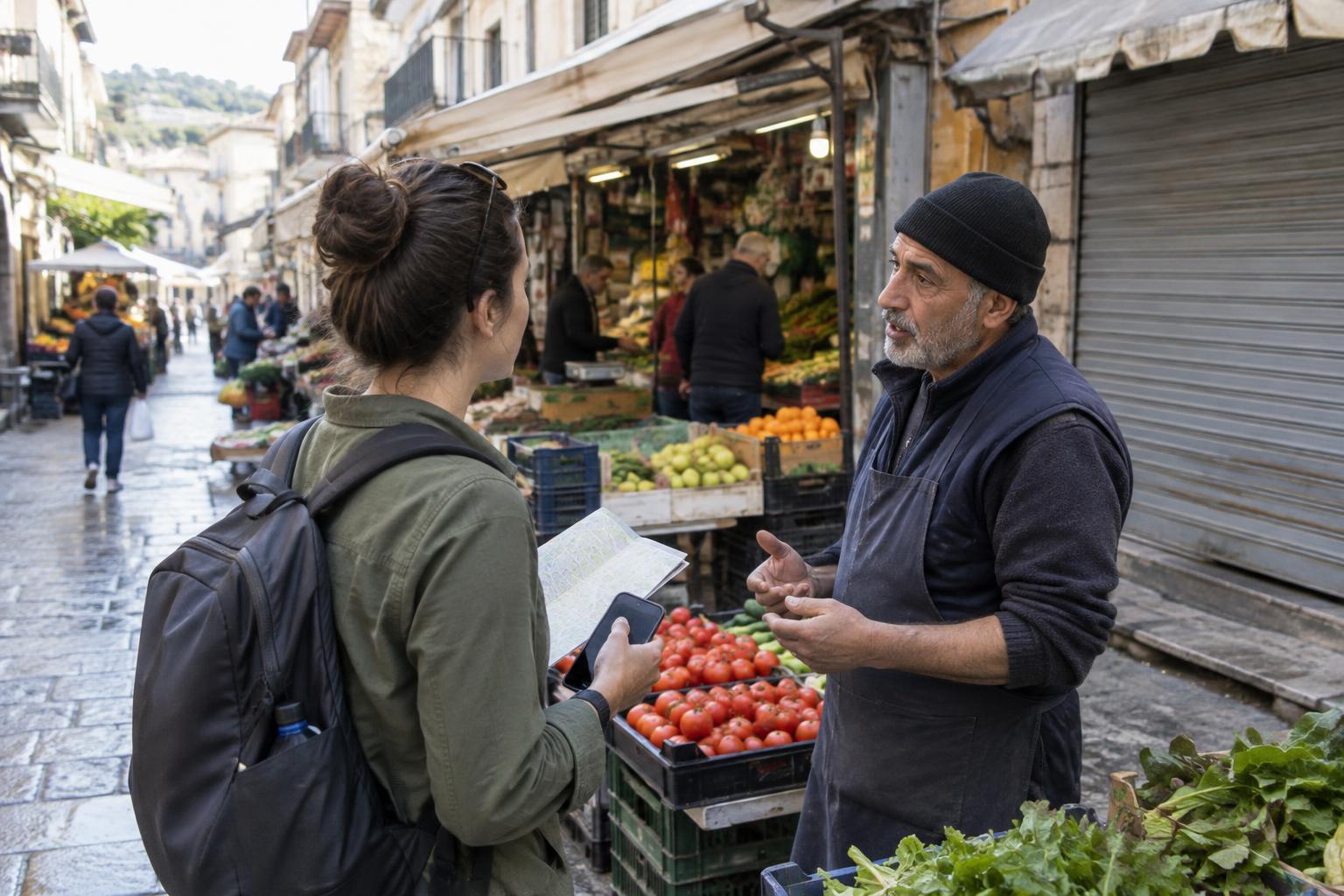
Try starting with what is meant to be shared. Read public signs, visit open cultural spaces and notice how a street changes from one block to the next. If you want to ask someone about a place, choose a moment when they seem free to talk, make your question brief and give them an easy way to decline. An unanswered question is not a failure; it is sometimes the right boundary to leave intact.
Confusing local attention with local consent
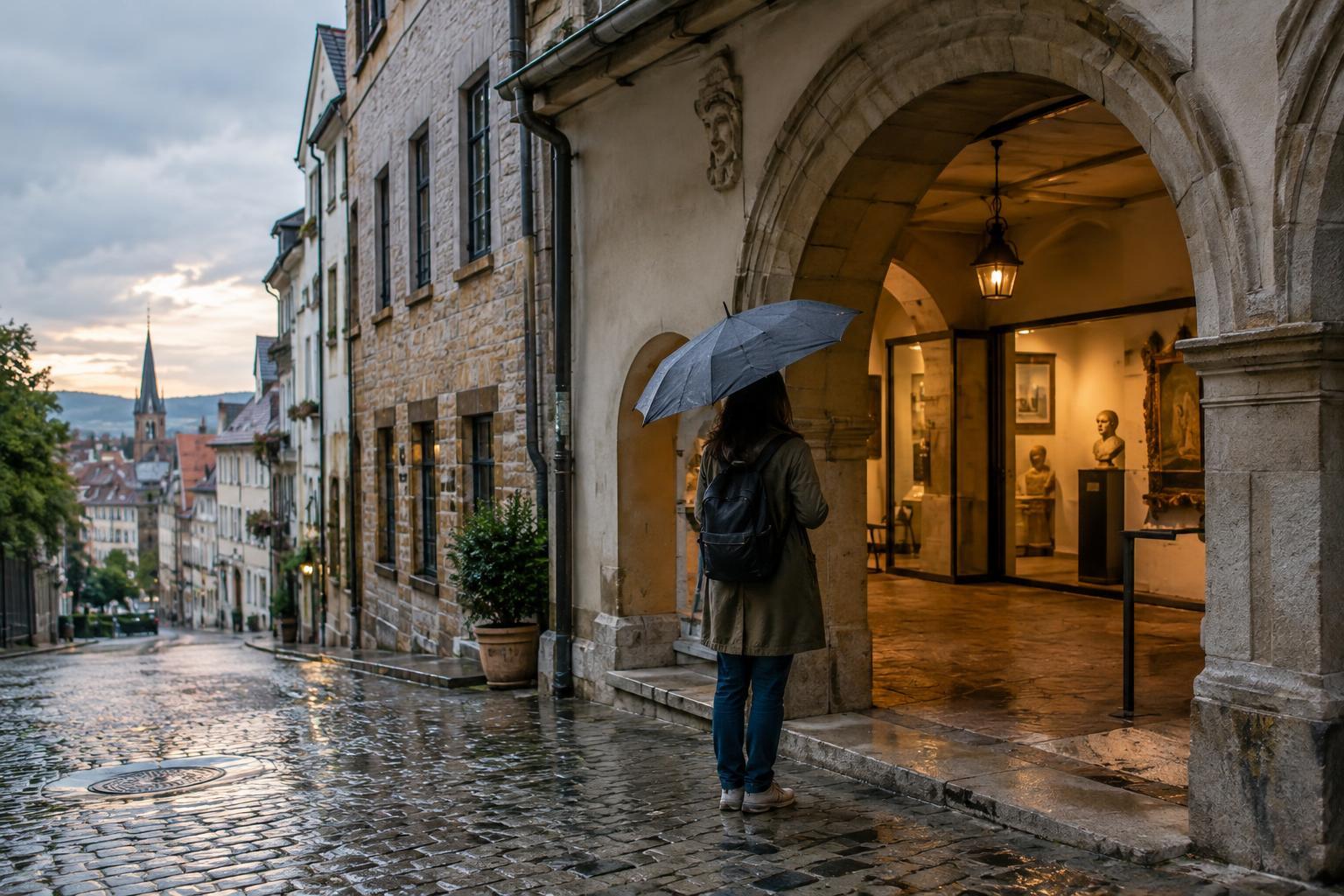
A small shop, community event or neighborhood museum may welcome visitors without wanting to serve as a backdrop for an extended photo session. Buying one inexpensive item does not entitle you to someone’s time, personal history or workspace. Nor does a friendly conversation make a person a spokesperson for everyone who lives nearby.
Follow the cues of the place. Check posted rules, ask before photographing interiors, and step aside when customers or participants need room. When someone shares a story, listen without demanding a more dramatic version. If you later describe the encounter, avoid turning a casual remark into a sweeping claim about the neighborhood. Respectful curiosity leaves space for people to decide how much they want to share.
Sharing a discovery without considering the consequences
Finding a tucked-away viewpoint or a peaceful residential street can make you want to post its exact location. That impulse is understandable, but directions to a fragile space, a private entrance or a place people use for quiet reflection can bring attention its users did not seek. The issue is not that visitors should keep every place secret; it is whether your description helps others arrive thoughtfully.
Before sharing, ask what a reader would need to know to visit appropriately. Name public opening hours or entry arrangements when you know them, and distinguish accessible areas from those that are not open to visitors. For a residential corner, a broader neighborhood description may be more useful than a pin on a particular doorstep. Good travel writing can convey what made a place interesting without sending strangers to interrupt someone else’s ordinary day.