Mistaking a display for the whole story
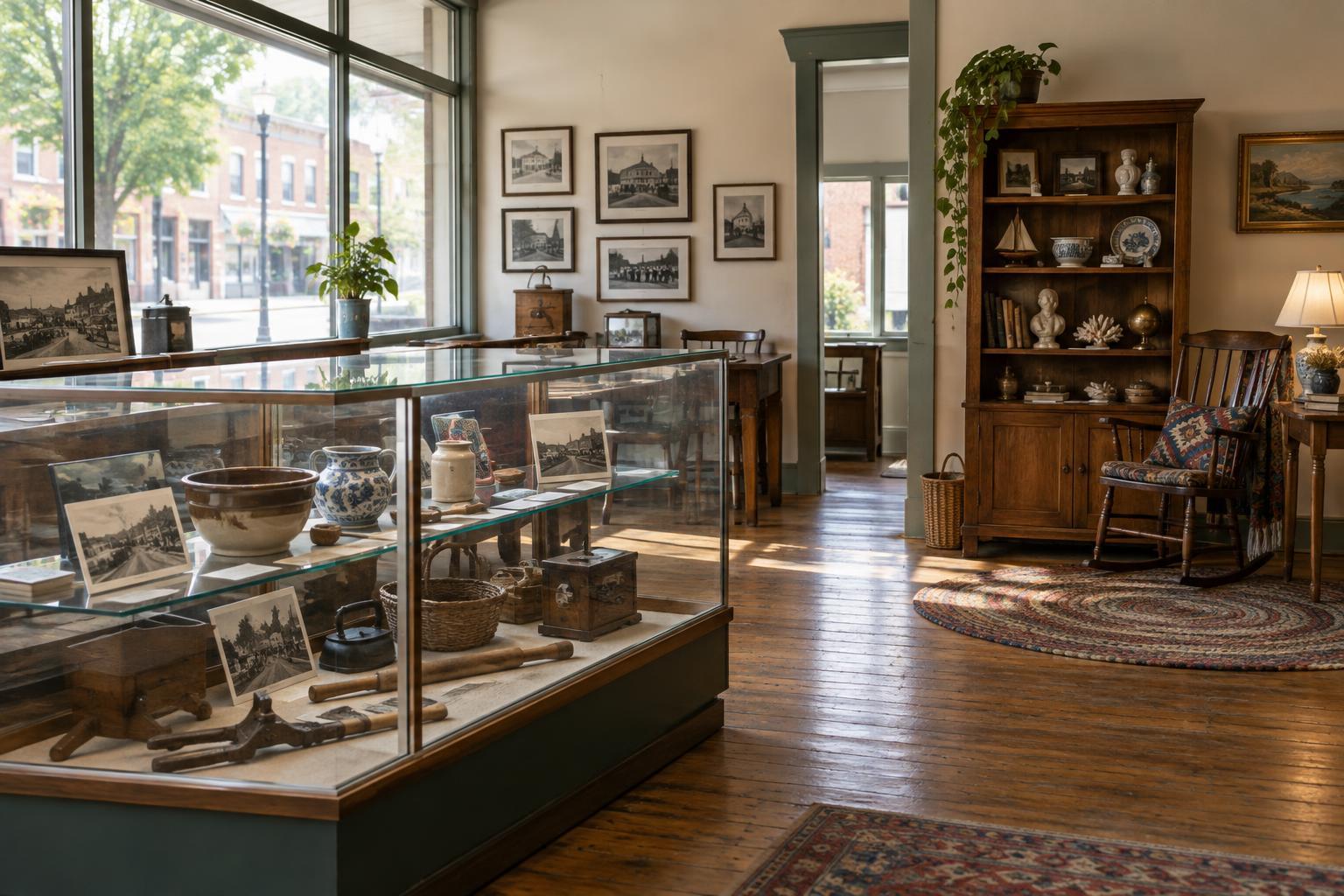
A small museum may have only one case devoted to a neighborhood, trade or person. It is tempting to treat that case as a complete account. In practice, a display is a selection: someone chose which objects to include, what could fit, what was available to borrow or preserve, and how much could be explained in the space. An absent object does not necessarily mean its subject was unimportant.
Start by asking what question the display seems designed to answer. Is it showing how something was made, why a place changed, or how people remember an event? Then notice what falls outside that frame. If a case about a local industry focuses on tools, for example, you might also wonder about workers, customers and the surrounding streets. These questions make the display more useful; they do not make it a failure.
Reading the object but skipping the label
An old-looking object can invite a quick assumption. A coat may appear to be everyday clothing, a photograph may seem to show a typical scene, or a household item may look familiar enough to need no explanation. The label can change that reading. It may identify an unusual owner, explain that the photograph was staged, or distinguish a ceremonial object from one used every day.
Read the basic details before building a story around an object: what it is, when and where it was made or used, and who is known to have owned it. Pay attention to cautious wording. Phrases such as “possibly used” or “believed to have belonged to” signal a limit in the available information, not necessarily careless writing. If a label gives little detail, hold your first impression lightly rather than filling every gap with certainty.
Confusing replicas, reconstructions and originals
Displays sometimes combine original objects with reproductions, models or reconstructed rooms. Each serves a different purpose. An original may carry traces of use, while a replica can let visitors see a shape, color or arrangement that a fragile original could not safely show. A model can make a vanished building easier to imagine without proving that every detail is known.
Look for words such as “reproduction,” “reconstruction,” “facsimile” and “artist’s impression.” If you cannot tell which parts are original, ask rather than guess. This distinction matters most when a display looks especially complete. A furnished room, for instance, might contain pieces from different households or periods to illustrate a way of life. Its value as an explanation is different from its value as evidence of one particular room.
Assuming the museum speaks with one voice
A museum label often sounds authoritative because it has to be brief and clear. Yet local history can involve differing memories, incomplete records and choices about whose perspective to foreground. A display about a neighborhood might draw on official documents, donated family possessions or oral accounts. Those materials can illuminate different parts of the same story without always agreeing.
Notice whether the display identifies the source of a memory or interpretation. A first-person recollection offers insight into someone’s experience, but it need not describe everyone’s experience. Likewise, an official record may tell you what was recorded rather than everything that happened. When perspectives seem to conflict, try asking what each source was able to observe. You can respect the people represented while remaining curious about how the account was assembled.
Rushing past the questions a display raises
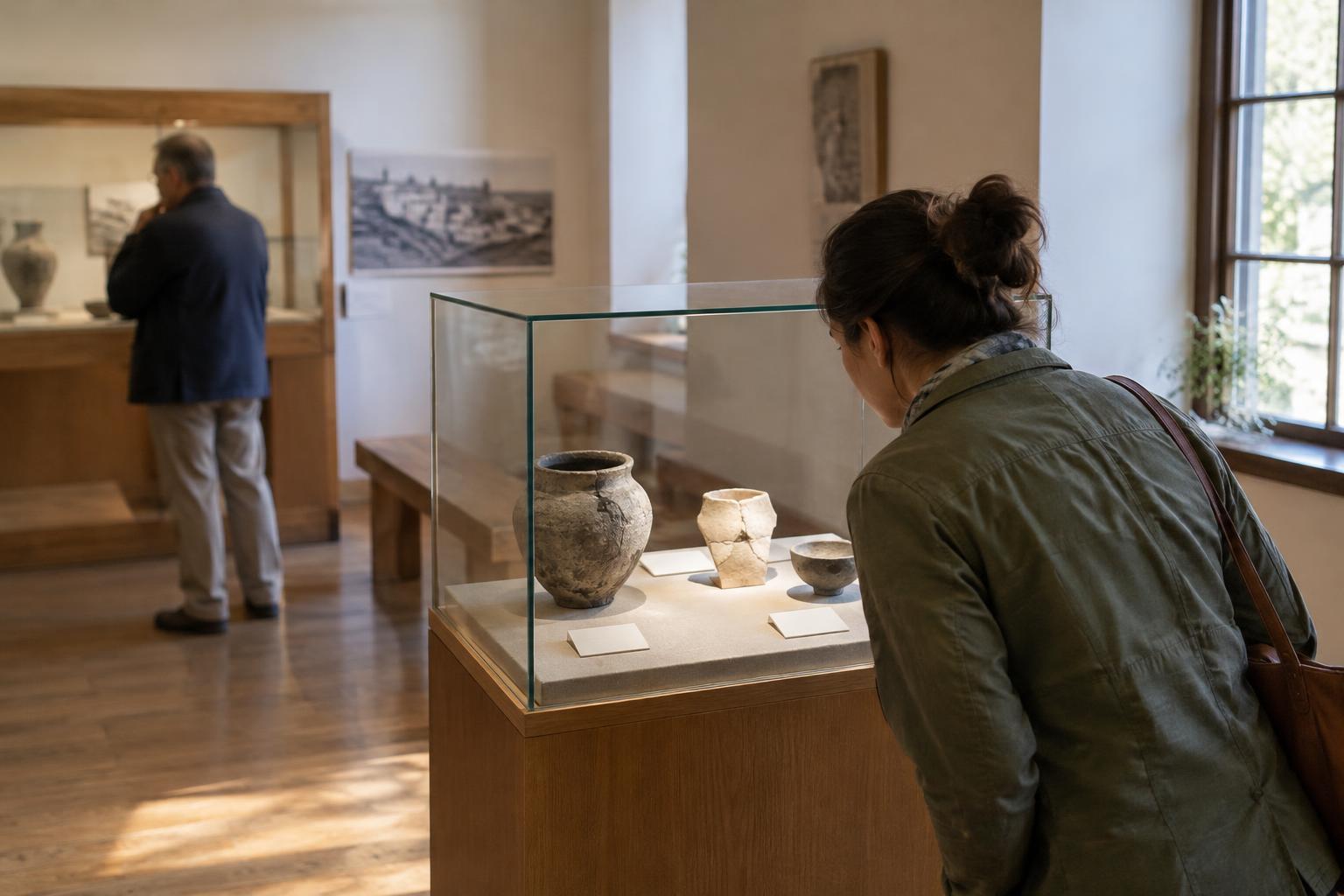
In a compact museum, it is easy to move quickly from case to case and leave with a list of interesting objects but little sense of their connections. Try choosing one display to revisit. Read its text, look again at the objects, and identify one detail that surprised you and one question the display cannot answer. This slower approach can reveal relationships you missed on the first pass.
If staff or volunteers are available, ask a specific, open question: “How do you know this object was used here?” or “Is this room arranged to represent one household?” They may be able to explain a display choice, point you toward another label or simply say what remains unknown. Follow any rules about touching and photography, and be mindful when someone is busy helping other visitors. A good visit does not require solving every mystery. It means leaving with a clearer sense of both what the museum shows and what you still want to understand.