Mistake 1: Treating “authentic” as a fixed quality
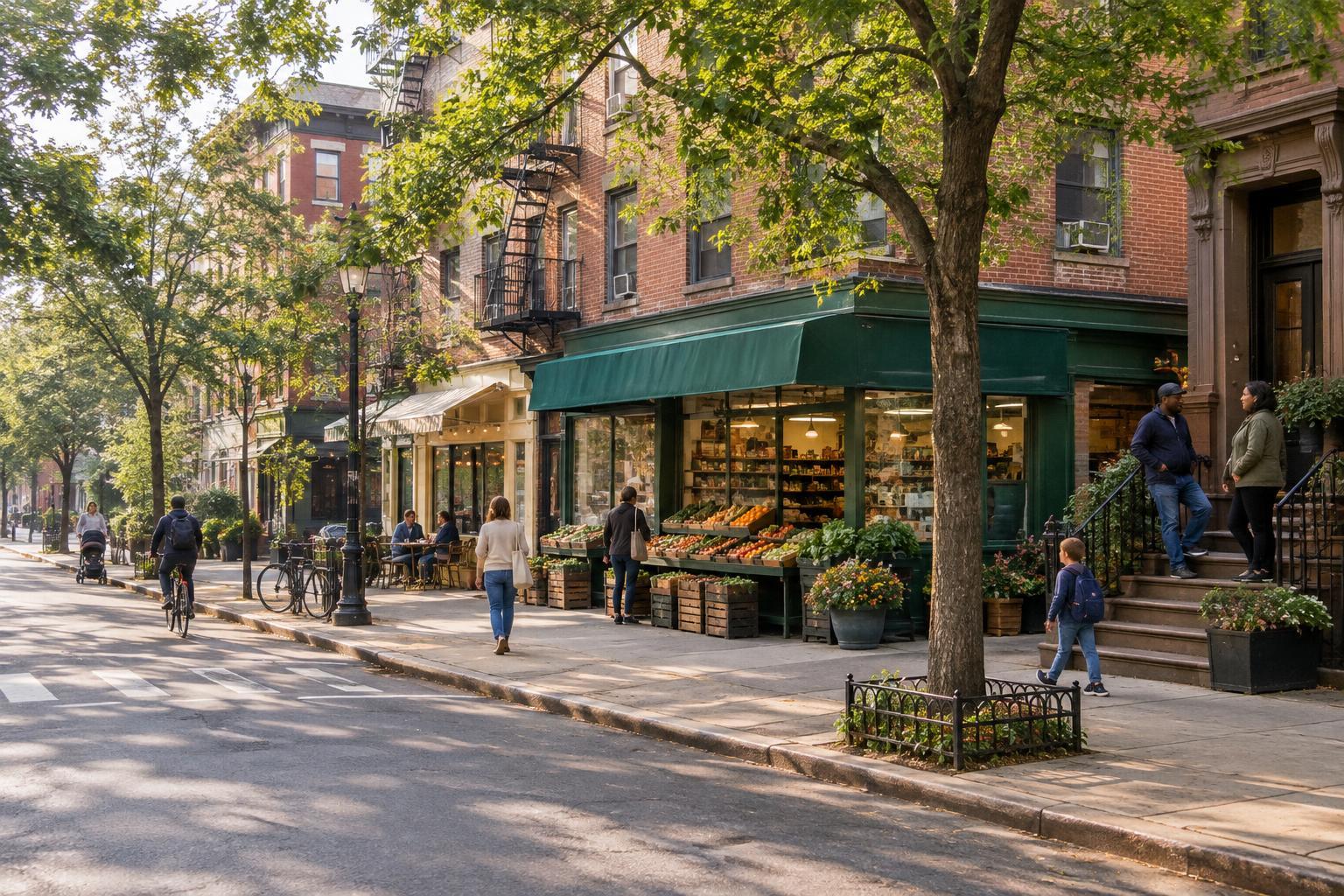
A neighborhood is not authentic because it has old signs, independent shops or a busy street market. Nor does it become less authentic when a new café opens or an apartment block replaces an older building. Neighborhoods change because people move, work, raise families and adapt their surroundings. A visitor who arrives hoping to find a place frozen in time may overlook the ordinary decisions that keep it alive.
Instead of asking whether a neighborhood is authentic, ask what you are noticing. Is it the mix of uses on one street? The way residents share a small public space? A building adapted for a purpose its designer never imagined? Specific observations make for a more useful account than a label that could mean almost anything.
Mistake 2: Equating hardship with character
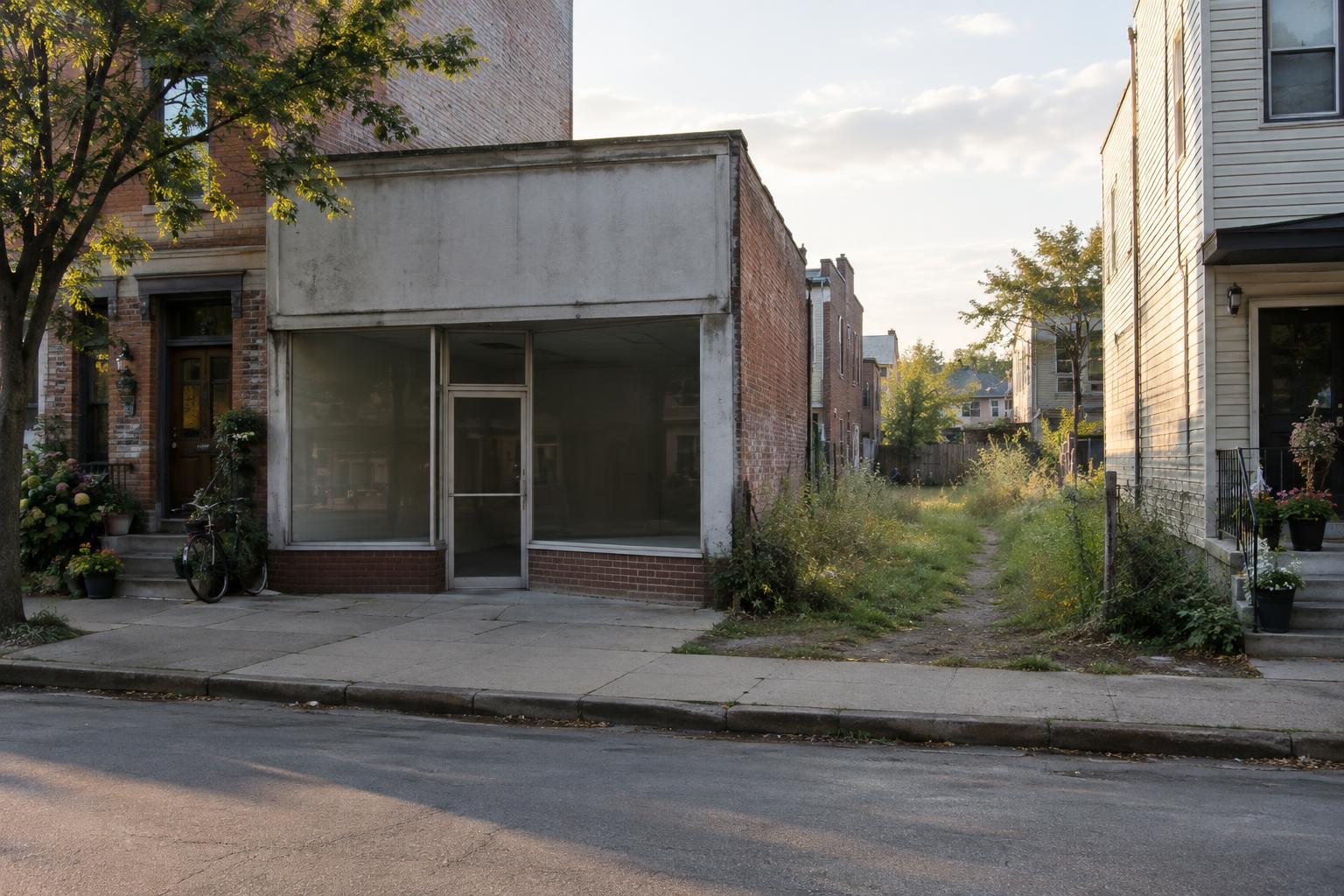
Visitors sometimes describe worn buildings or limited services as signs that a place is “real.” That can turn another person’s inconvenience into scenery. Peeling paint might reflect an aesthetic choice, a temporary repair or a lack of resources; you cannot tell which from a quick walk. The same caution applies to romantic descriptions of crowded housing or difficult journeys to work.
Notice how a place is cared for without assuming that visible wear tells its whole story. A repaired step, a shade cloth or a hand-lettered notice may reveal practical ingenuity. If you write about these details, describe what is visible and avoid inventing a backstory. Respectful curiosity leaves room for what a visitor cannot know.
Mistake 3: Assuming a place is undiscovered
A neighborhood may be absent from a visitor’s itinerary while being central to the lives of people who live nearby. Calling it a “hidden gem” or claiming to have discovered it can erase those existing relationships. It can also suggest that the place matters only once outsiders notice it.
You can still share why a walk surprised you. Explain what was new to you rather than presenting it as new to the world. If you recommend a stop, name the kind of experience a reader can reasonably seek—such as looking at shopfronts along a main street—rather than promising privileged access to local life. A residential lane is not a visitor attraction simply because it is unfamiliar.
Mistake 4: Using residents as proof of your experience
A friendly exchange at a bakery can be memorable, but no single conversation represents an entire neighborhood. Similarly, photographing people at work or relaxing outside their homes does not automatically make a travel story more honest. Visitors have the freedom to leave; residents must continue their day after the camera goes away.
Before taking a close photograph or repeating a personal story, consider whether you have permission and whether sharing it serves a worthwhile purpose. Public spaces can be observed without treating every person in them as available material. When describing a business, focus on what you bought, saw or learned there rather than assigning its staff the role of welcoming guides.
Mistake 5: Rejecting anything that looks modern or popular
The search for authenticity can create an arbitrary test: an old diner qualifies, a new takeaway does not; a long-running shop counts, a popular chain cancels the atmosphere. Yet a neighborhood’s present-day routines are as much a part of it as its heritage. New arrivals and changing tastes may reshape familiar streets without making them meaningless.
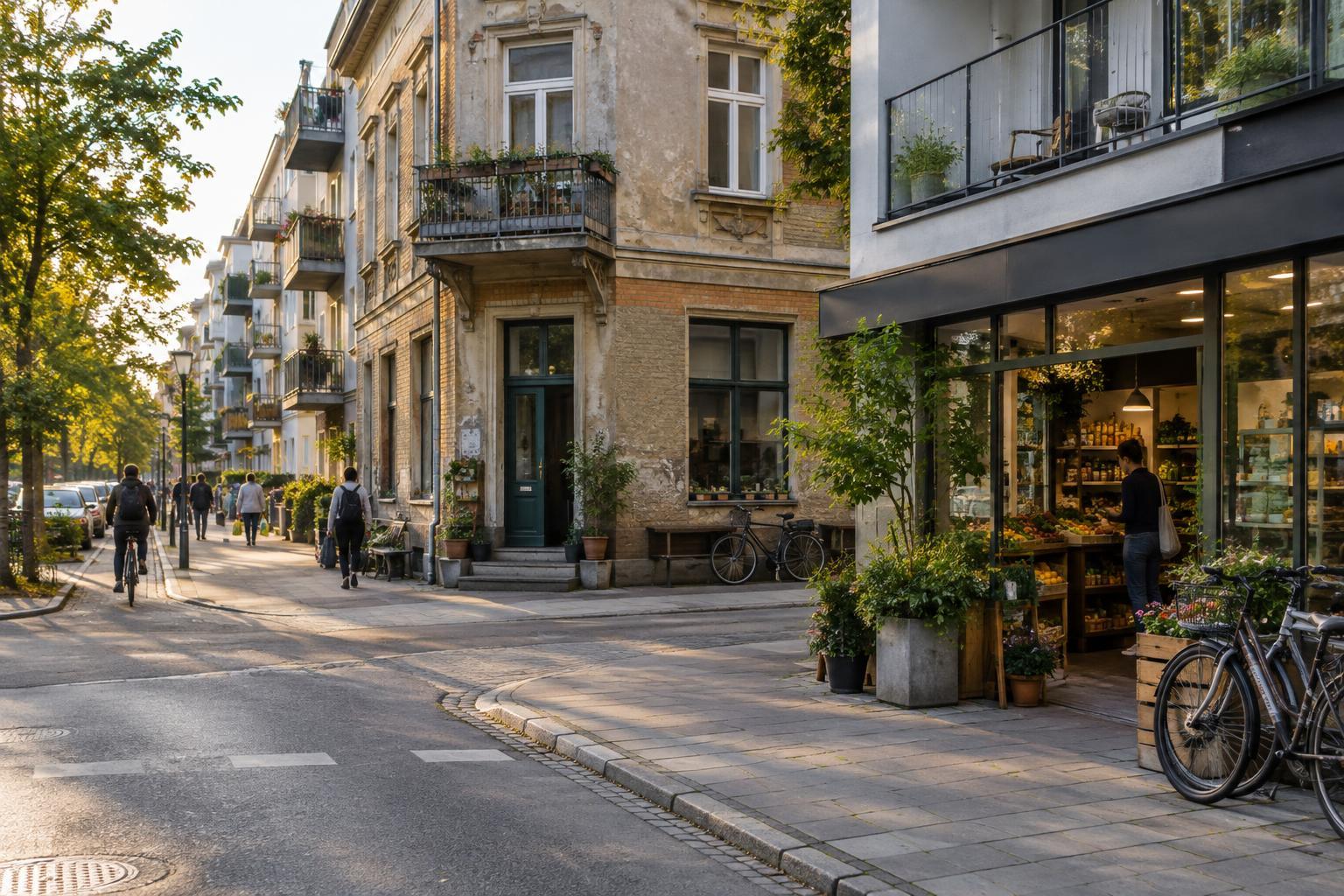
Try a slower, more balanced walk. Follow public routes, notice where housing meets shops, and look for signs of different eras without ranking them. Spend money at businesses you genuinely want to support, observe opening hours and keep entrances clear. If you later describe the visit, replace “the authentic side of town” with the details that held your attention. That gives readers a clearer picture—and lets the neighborhood remain more than a verdict.