The difference is purpose, not size
A room of donated photographs might be a community-run museum; several floors of carefully displayed objects might be a private collection. Size, polish and the price of admission do not reliably tell you which is which. The more useful question is: who decides what belongs here, and whom is this place meant to serve?
A community-run museum generally works to preserve and share a place’s stories on behalf of a group. Residents, volunteers or a local organization may shape its priorities, and those priorities can change as people offer new memories or challenge old accounts. A private collection begins with an individual, family or organization choosing and caring for objects. Its public display may be generous and educational, but its direction usually reflects the collector’s interests.
These are tendencies, not rigid labels. A privately founded collection can become a community resource, while a community museum can depend heavily on one person’s knowledge. Looking beyond the sign on the door makes both kinds of places more interesting.
What gets collected, and why
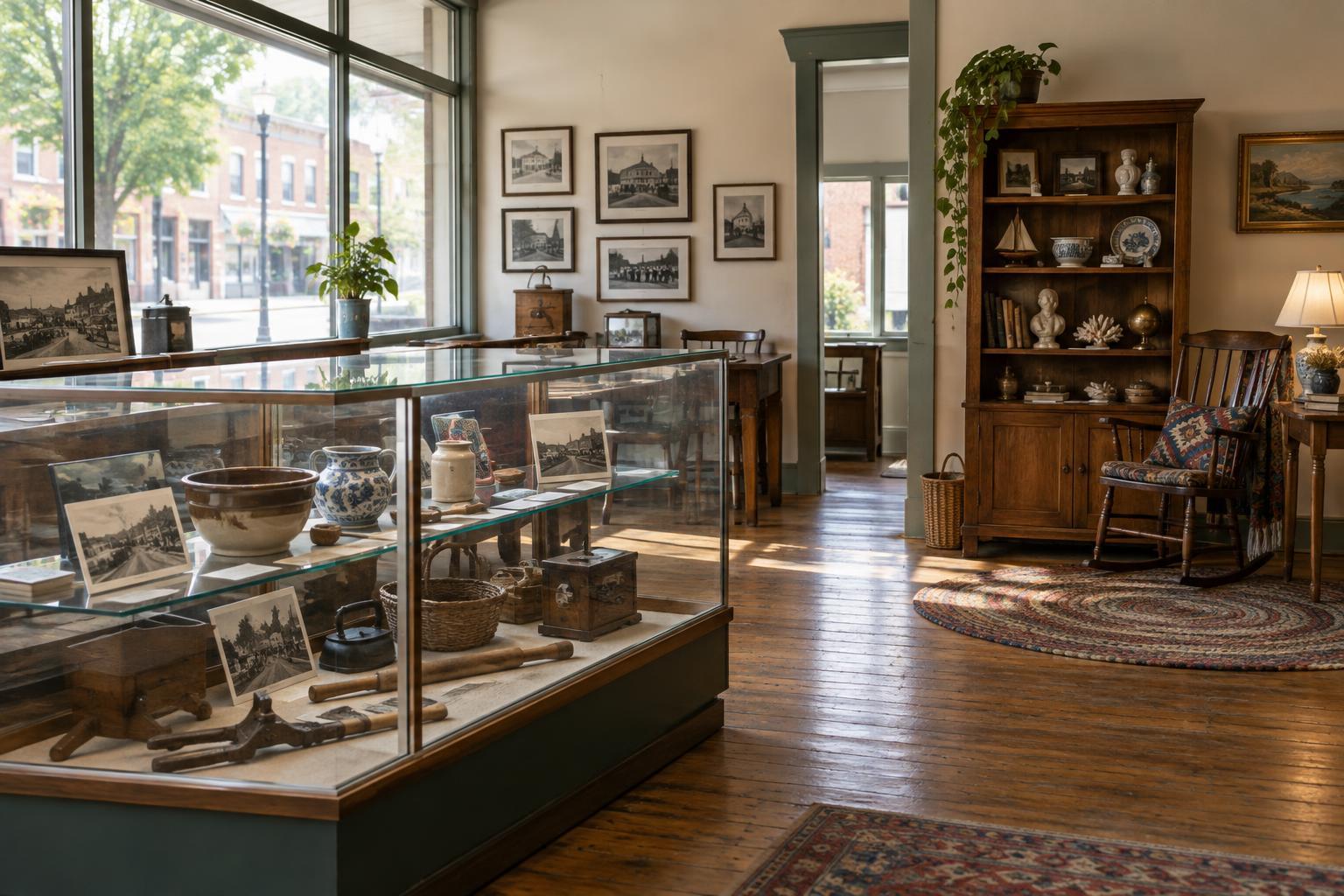
Community-run museums often value objects for the relationships they reveal. A worn menu, a school photograph or a tool from a local workshop may help someone explain how neighbors worked, celebrated or adapted to change. An item need not be rare to matter. Its connection to a shared story may be its strongest reason for being kept.
Private collections can begin with a more particular fascination: ceramics from a certain period, handmade signs or objects made by one artist. The collector’s choices may create a focused display that lets visitors notice differences they would otherwise miss. A collection’s strength can also be its limit. What was never available to the collector, or never caught their eye, may be absent from the story it tells.
Both settings make choices about what to accept, preserve and leave out. Space, time and the condition of objects matter, as do questions about where an object came from and whether it is appropriate to display. When a label explains why something was included—or acknowledges a gap—it offers a useful glimpse into those decisions.
Whose voice tells the story?
In a community-run museum, interpretation may grow through conversations with residents, former workers, local historians or people whose families appear in the archive. This can bring everyday detail into the gallery: not just what a building was used for, but what it felt like to enter it. It can also bring disagreements. Neighbors may remember the same event differently, and a thoughtful display need not pretend otherwise.
A private collection may have a clearer single point of view. The owner can draw connections across objects and explain why they chose them. That personal perspective is worth hearing, especially when the collector distinguishes a documented history from a personal interpretation. It is not automatically a complete account of the people who made or used the objects.
Neither model guarantees a fair or inclusive story. A community organization can overlook people within its own community; a private collector can invite outside perspectives. As a visitor, look for named contributors, carefully explained context and a willingness to revisit what the display says.
Different ways of welcoming the public
A community-run museum may see access as part of its purpose. It might host school visits, invite residents to identify people in photographs or provide a place to share memories. Yet a small team may offer limited opening hours or modest displays. Those constraints do not lessen the care behind the work.
A private collection may open regularly, admit visitors by appointment or remain mostly closed. Even when it welcomes the public, its owner may set narrower rules about photography, handling objects or which rooms can be seen. These boundaries can reflect practical concerns about space, preservation and privacy rather than a lack of interest in visitors.
Before visiting either place, check the access information it provides and follow its stated rules. If someone is available to talk, ask an open question such as, “How did this display come together?” It leaves room for the person to describe the work rather than asking them to speak for an entire neighborhood or culture.
How to look more closely on your next visit
Start with the welcome text, then notice the small choices around it. Are objects identified by donors, makers or former owners? Do labels explain how stories were gathered? Is there space for visitors to contribute a correction or memory? In a private collection, look for the collector’s stated interests and any explanation of how objects were acquired. These clues tell you more than an impressive display case alone.
When you leave, consider what you learned and what remains unclear. You might support a place by paying its admission charge, buying a guide or sharing accurate visiting information, if those options are offered. More importantly, let each place speak in its own terms: a community-run museum may be an ongoing conversation, while a private collection may be one person’s carefully assembled invitation to look. Both reward curiosity when you remember that every display is a selection, not the whole story.