Start with the experience, not the distance
Curious travel is often described as wandering until something catches your eye. That can be appealing, but an open-ended walk is not the only way to explore. If distance, standing, stairs or uneven ground can make an outing difficult, choose one thing you would like to experience: a neighborhood market, a small museum, a distinctive street or a quiet place to watch daily life. Let that interest set the shape of the trip.
A compact itinerary can feel richer than a crowded one. Pick a main destination and, if it is convenient, one nearby optional stop. Before adding more, consider the effort of getting between places, not just the time on a map. A short route may include a steep slope, a difficult crossing or a long stretch without somewhere to sit. Leaving part of the day unplanned gives you room to notice details without having to reach every pin you saved.
Check the details that affect your route
The word “accessible” does not answer every practical question. Look for details that match your needs: step-free entry, doorways, lifts, seating, toilets, parking or a suitable place to be dropped off. If you use a mobility aid, consider whether surfaces and turning space are likely to work for you. If standing is the main difficulty, the availability of seats and the length of queues may matter more than the entrance.
Venue descriptions and maps are useful starting points, but conditions can change. A lift may be out of service, an entrance may be closed or temporary displays may alter the route through a small museum. When a detail could determine whether you can visit, contact the venue before you go and ask a specific question. For example, ask how visitors reach the exhibition from the entrance, rather than asking only whether the building is accessible. If the answer is unclear, it is reasonable to choose another stop.
Make rest part of the itinerary
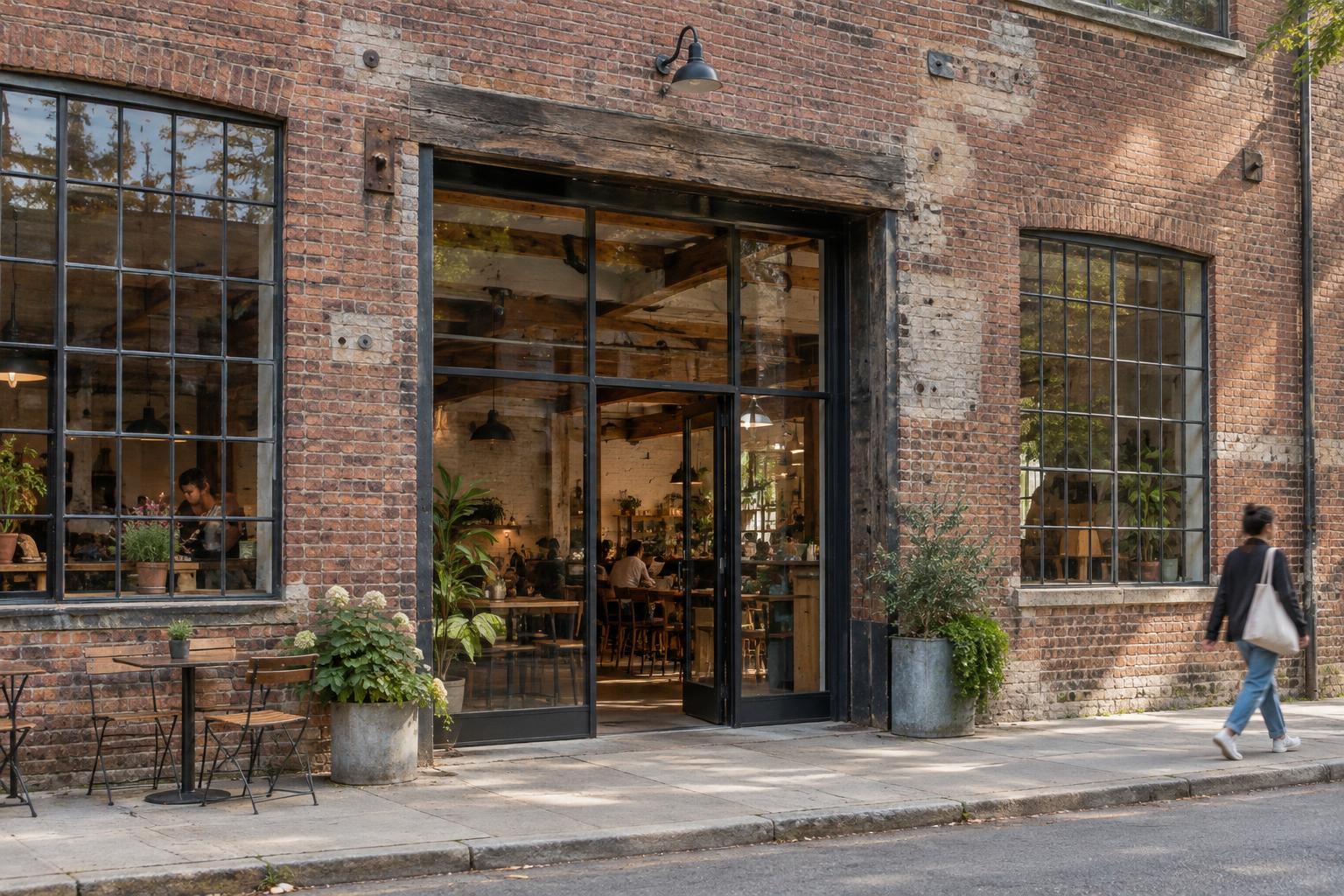
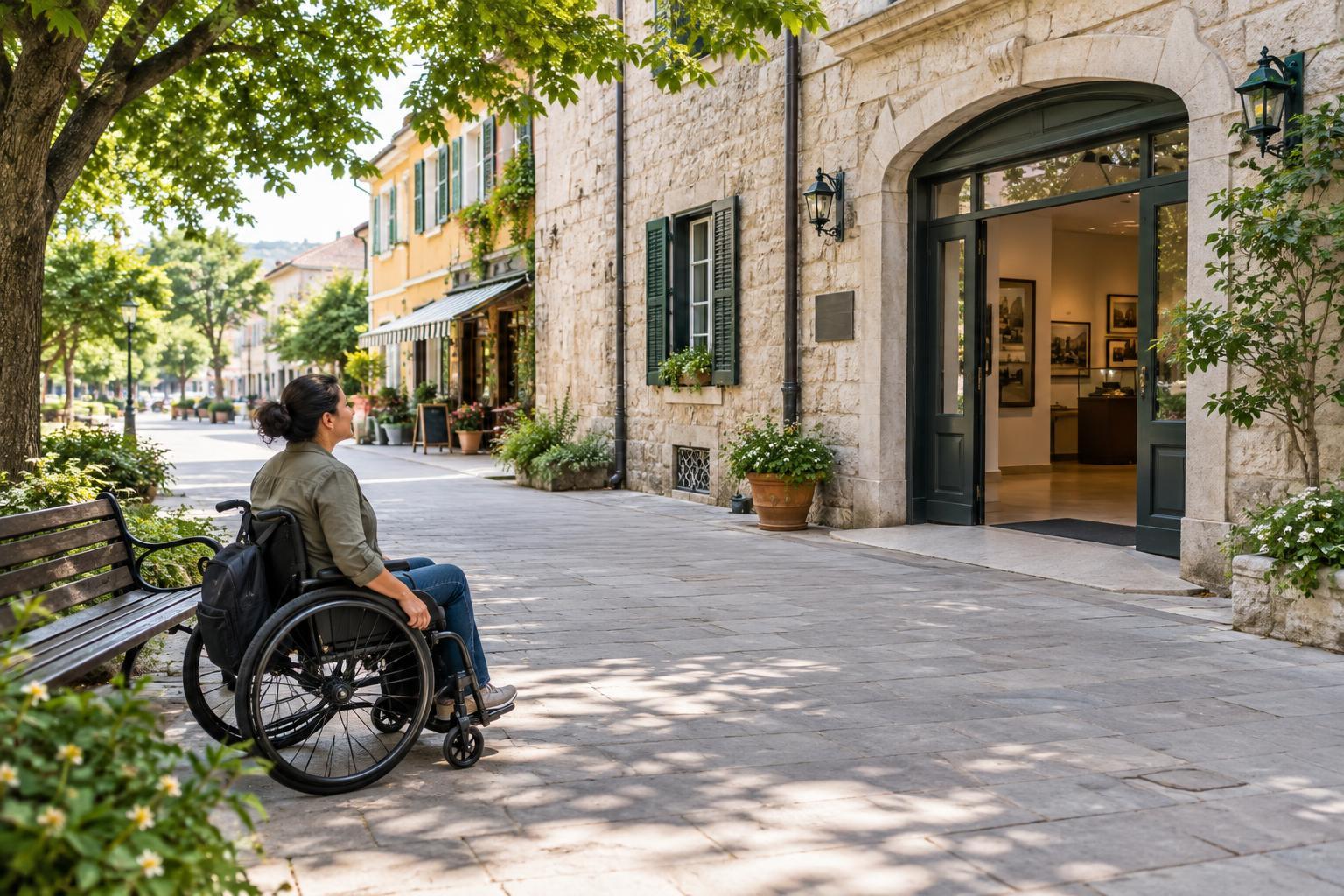
Rest works better as a plan than as a last resort. Look for places to pause near your destination: a public garden with benches, a café where you can comfortably stay for a while, or seating inside a museum. Check whether those places are open when you expect to need them, and identify another option if possible. A pause can also be part of the visit. Sitting in a square may offer a closer look at its buildings, signs and everyday rhythms than passing through quickly.
Think about the whole journey, including the trip home. Travel to a destination, finding the entrance and waiting for transport can all take effort. You might schedule the most important stop first, when you expect to have the most flexibility, and treat everything else as a bonus. If you travel with someone, discuss your preferred pace and how you will decide when to take a break or turn back. That keeps the day collaborative rather than making rest feel like an interruption.
Build a flexible route through the neighborhood
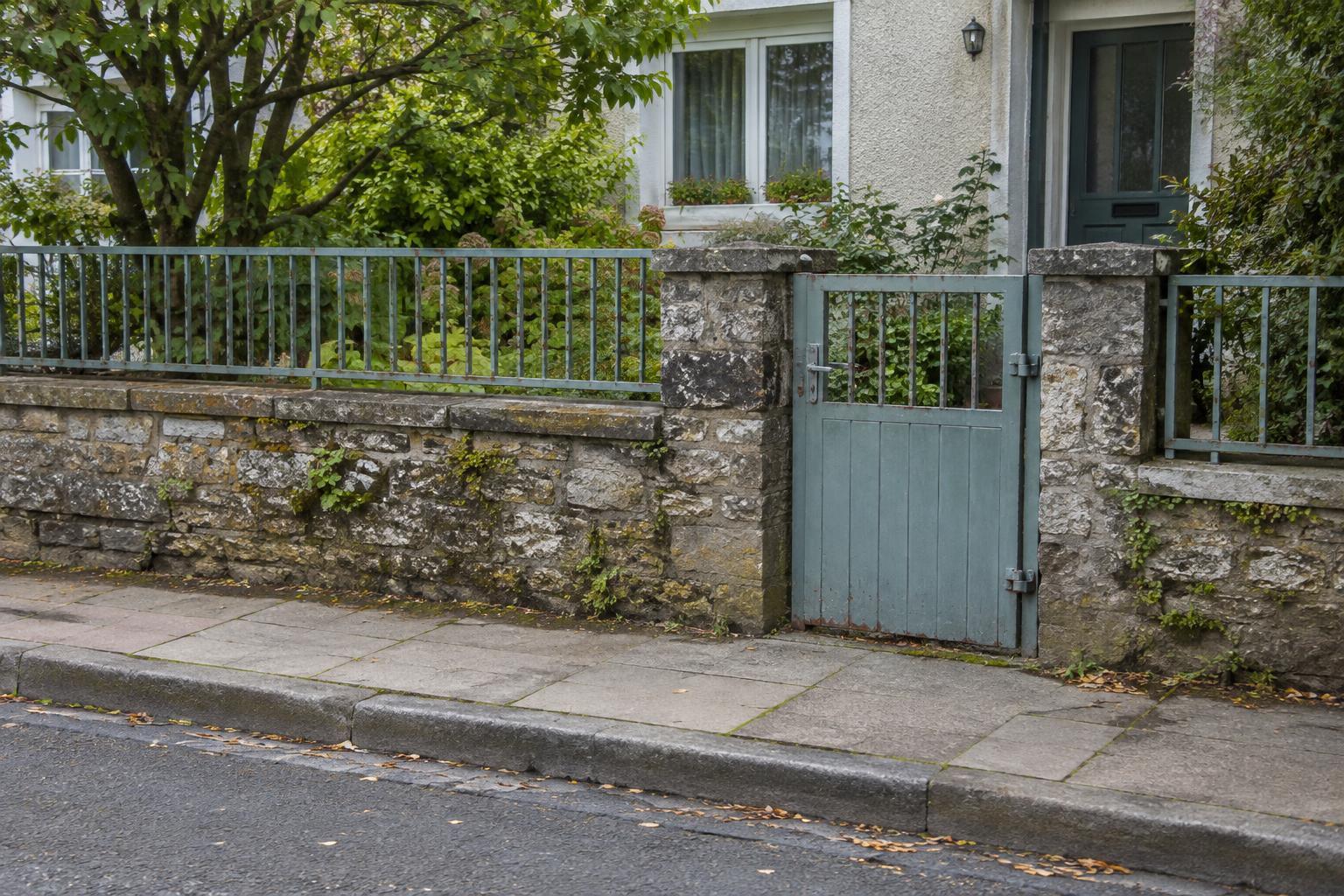
Lesser-known places do not always have detailed visitor information. A neighborhood route is easier to adapt when it follows a few reliable anchors, such as a transit stop, a venue with confirmed facilities and a comfortable place to rest. From there, look for points of interest close to the route: shopfronts, building details, a local memorial or a view across a public space. You can be observant without committing to a long walk.
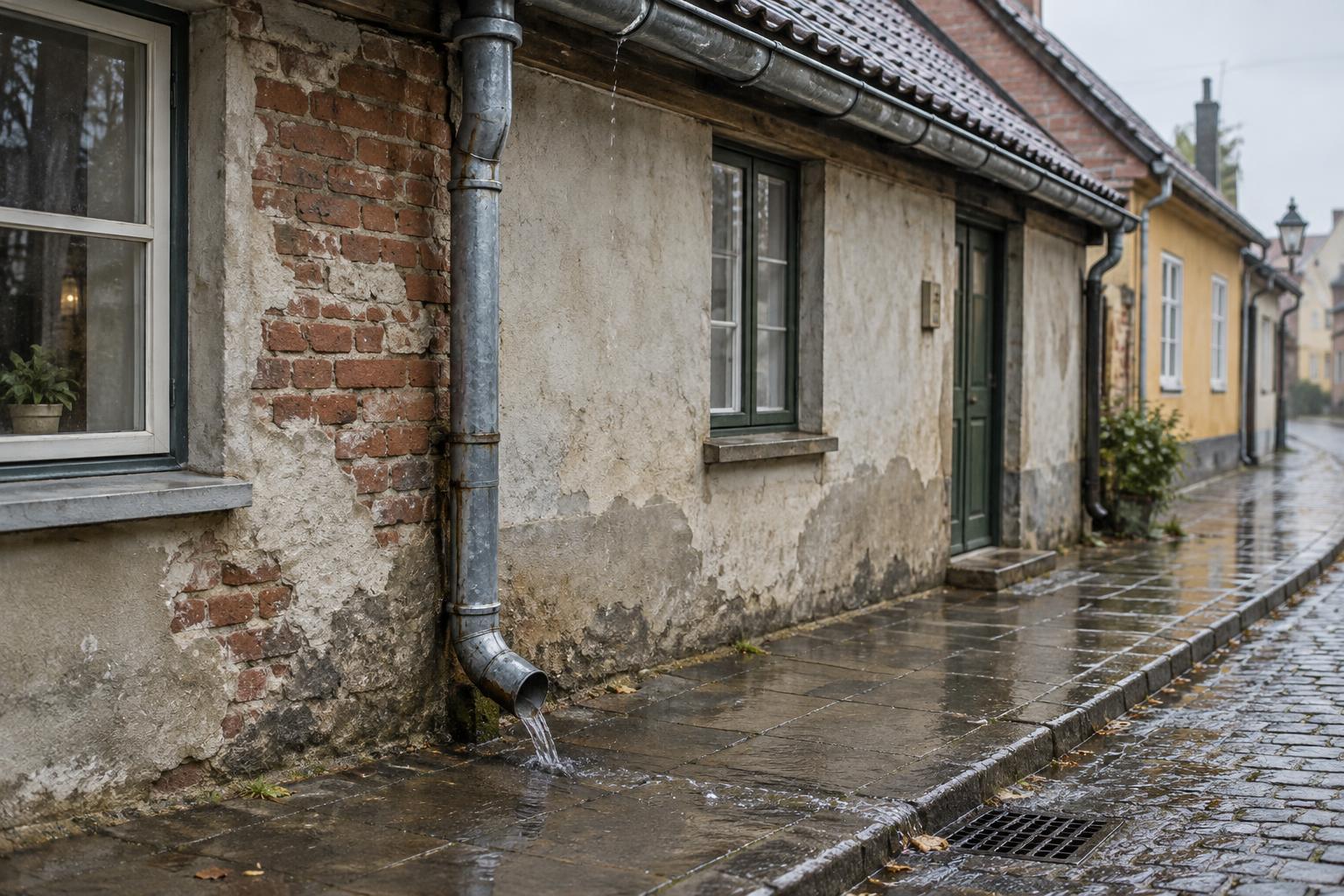
It helps to have an alternative for the most demanding part of the outing. If a side street looks too steep or crowded, what could you see from the main route instead? If a venue is harder to enter than expected, is there another nearby place where you would enjoy spending time? Keep transport options in mind, including where you could be picked up. A backup plan is not a prediction that something will go wrong; it gives you more freedom to respond to what you find.
Travel with curiosity and respect
Access planning can reveal details that hurried visitors miss: where a public building places its entrance, whether a square offers shade and seating, or how easily people can move between local destinations. Notice these features as part of the place rather than treating them as a separate checklist. They can tell you something about how a neighborhood is used, though a single visit cannot tell its whole story.
Be considerate when exploring residential streets and everyday spaces. Keep entrances and paths clear, follow a venue’s photography rules and remember that the people going about their day are not exhibits. Most of all, let your own experience guide the pace. A satisfying trip may consist of one museum room, a long rest and a conversation over a drink. Curious travel is measured by attention, not by how much ground you cover.