Work out what the disagreement is really about
Travel advice can conflict without either account being wholly wrong. A museum may have regular hours but close a gallery for repairs. A market might be lively on one day and quiet on another. Two visitors can describe the same neighborhood differently because they arrived at different times, took different routes, or wanted different things from the visit. Before deciding which source to trust, turn the disagreement into a specific question.
Separate facts you need to act on from judgments you can explore for yourself. “Is the building open to visitors?” calls for confirmation. “Is it worth a detour?” depends on your interests, available time, and expectations. Make a short list of details that would change your plan: opening times, admission, transport, accessibility, photography rules, or whether an event is open to the public. You do not need to resolve every difference of opinion to have a good visit.
Match the source to the question
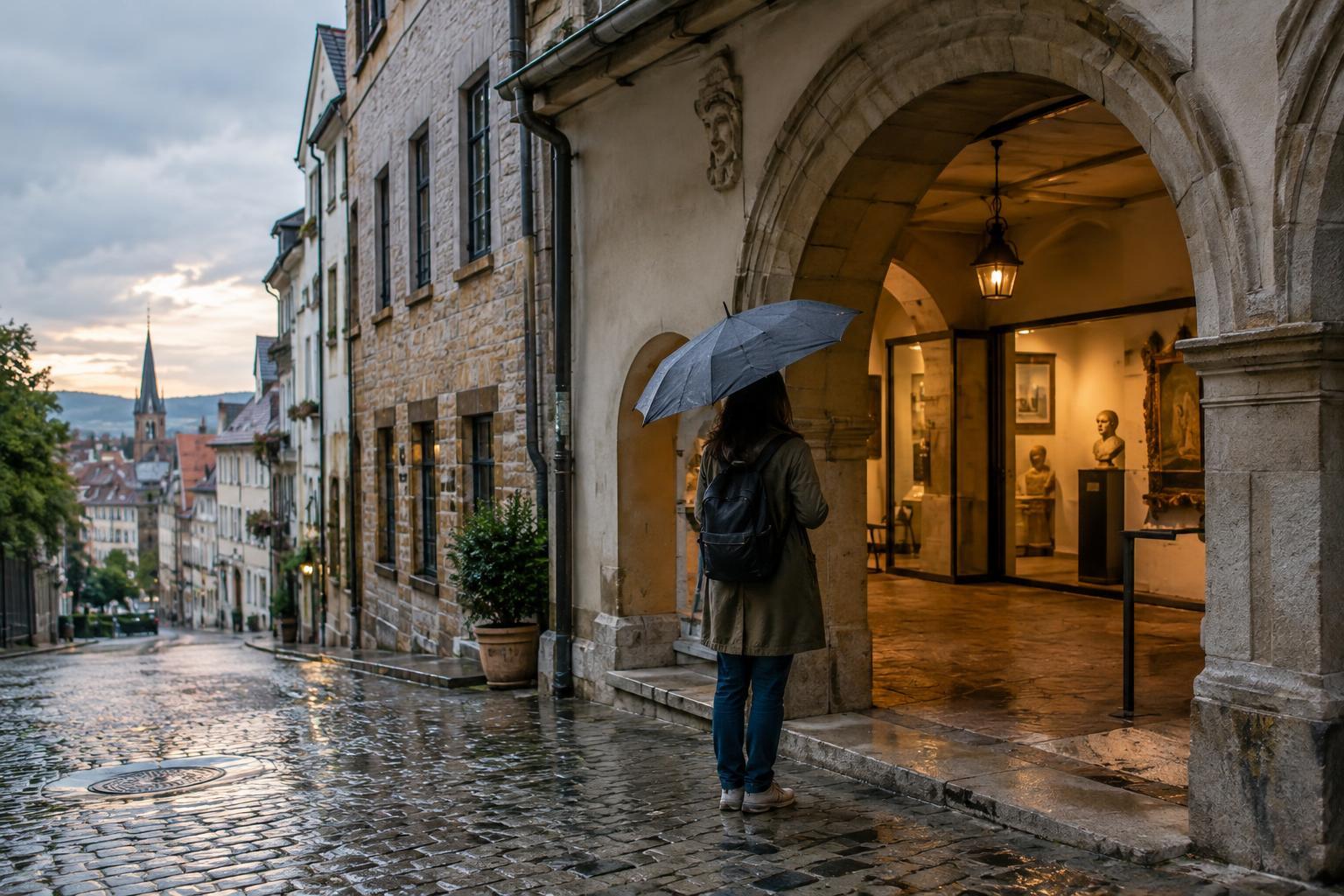
For operating details, start as close as possible to the organization responsible. A museum’s own notices are usually a better place to check its entrance policy than an old roundup article. A transit operator is a more direct source for its routes than a visitor’s recollection. For a small shop or cultural space, a recent notice on its own public page may be more useful than a listing that has not been updated. Look for a date, a clear statement, and a way to confirm the detail if the trip depends on it.
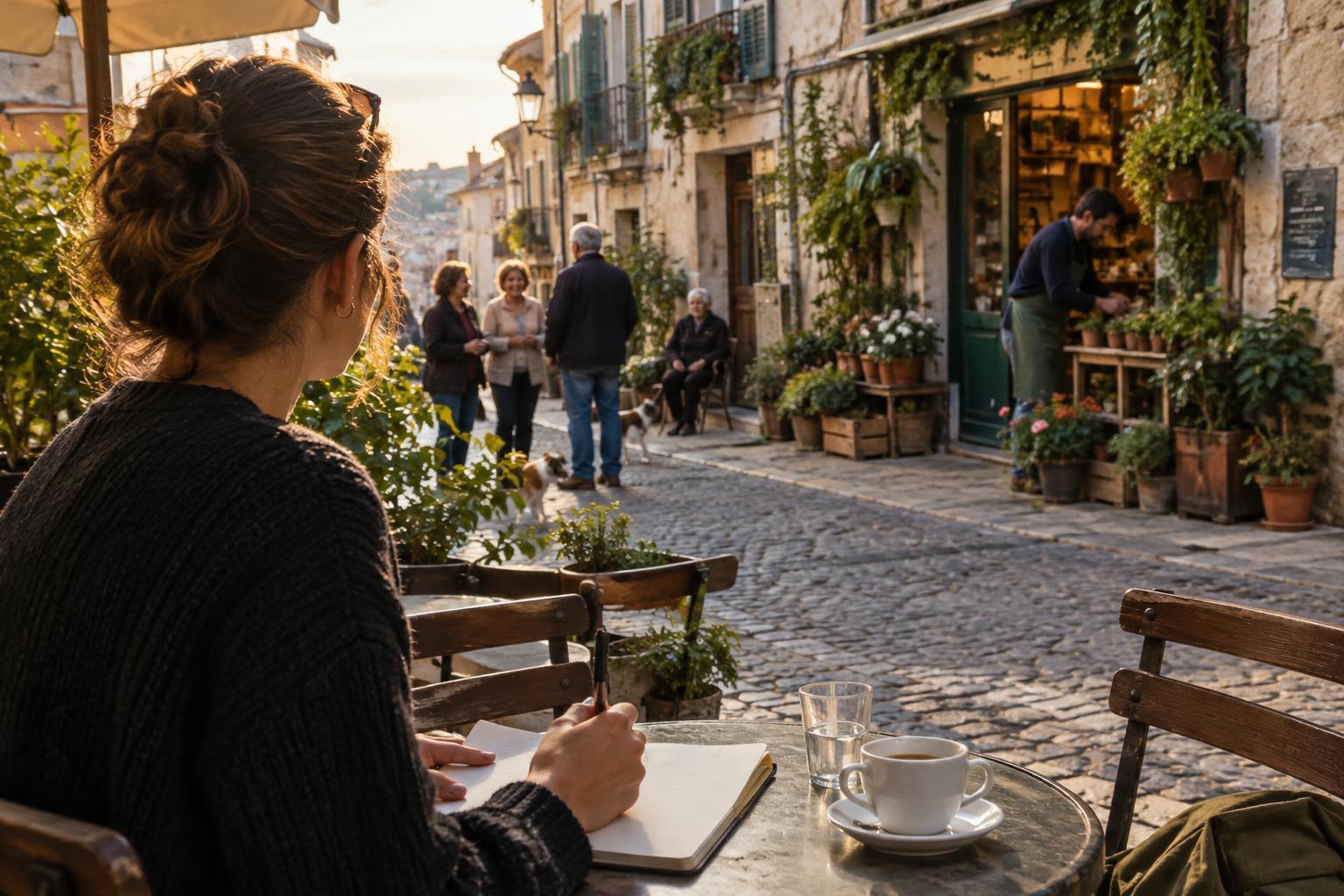
Firsthand local knowledge is valuable for questions an official notice may not answer: which entrance is easiest to spot, when a street feels busy, or how a place fits into neighborhood life. Yet “local” is not a guarantee of accuracy. Residents have different routines and perspectives, and one person may not know about a recent change outside their usual area. Treat local accounts as situated observations, not universal verdicts. If possible, compare a few voices with different relationships to the place.
Check freshness, specificity, and incentives
A useful source tells you when and where its information applies. “The craft stalls were there on Saturday morning” gives you more to work with than “the market is always bustling.” Notice whether a recommendation names a particular entrance, day, or season, and whether those details match your planned visit. An undated page can still offer helpful background, but it is a weak basis for a time-sensitive decision.
Also ask what the source is trying to do. A venue wants people to visit; a booking page wants a reservation; a personal account reflects one traveler’s experience. None is automatically untrustworthy, but each may leave something out. When sources disagree, look for independent overlap rather than repeating the most confident claim. If two accounts appear to copy the same description, they are not two separate confirmations. When a detail remains uncertain, describe it to yourself as uncertain instead of quietly turning a possibility into a promise.
Ask precise questions without making demands
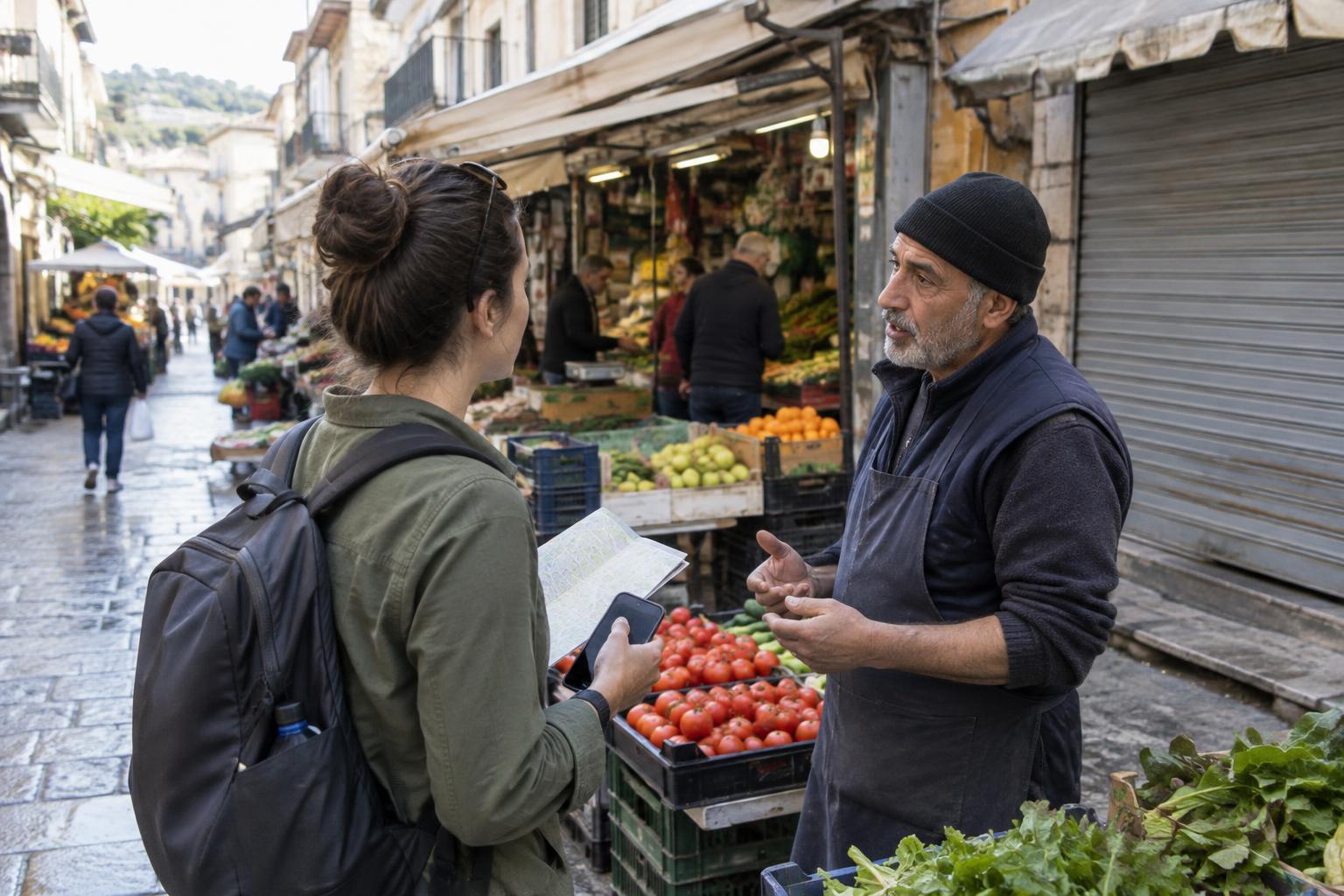
A brief, polite question can settle a practical issue. Contact the venue through a public channel if one is available, and ask only what you need to know: “Is the exhibition room usually open on weekday afternoons?” is easier to answer than “Tell me everything about visiting.” If you ask a resident or worker in person, choose an appropriate moment, accept a short answer, and do not assume they owe you travel guidance.
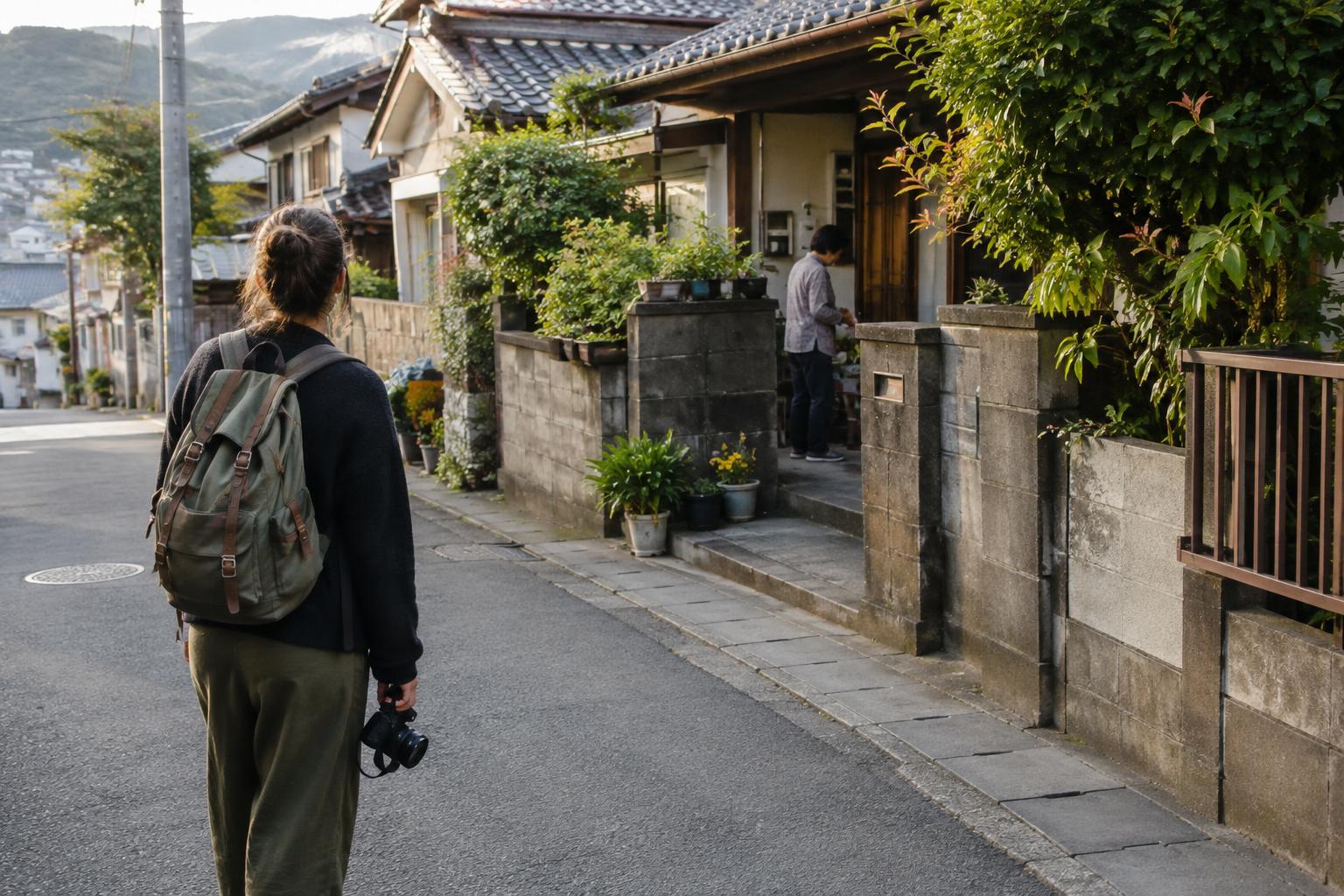
Be especially careful with places that are not conventional attractions. A courtyard, place of worship, community event, or residential street may be visible from public space without being open to sightseeing. When advice about access is unclear, do not treat a map pin or enthusiastic post as permission to enter. Follow posted rules, avoid blocking daily activity, and let uncertainty be a reason to step back rather than push further.
Build a plan that can absorb a wrong answer
Even careful checking cannot guarantee that a door will be open or a bus will arrive as expected. Give your plan a nearby alternative: another small museum, a public square, or an unhurried walk past buildings you can appreciate from the street. Save the address and essential access details somewhere you can use without a connection, but check changeable information again close to departure when possible.
If you discover that a source was wrong, keep the correction specific. “Closed when I visited on a Tuesday afternoon” is more useful than “never open.” Reliable local guidance grows from modest, well-described observations. The aim is not to find one perfect authority, but to make thoughtful decisions while leaving room for a place to be more complicated than any guide.