A past you can walk through, or one you can piece together
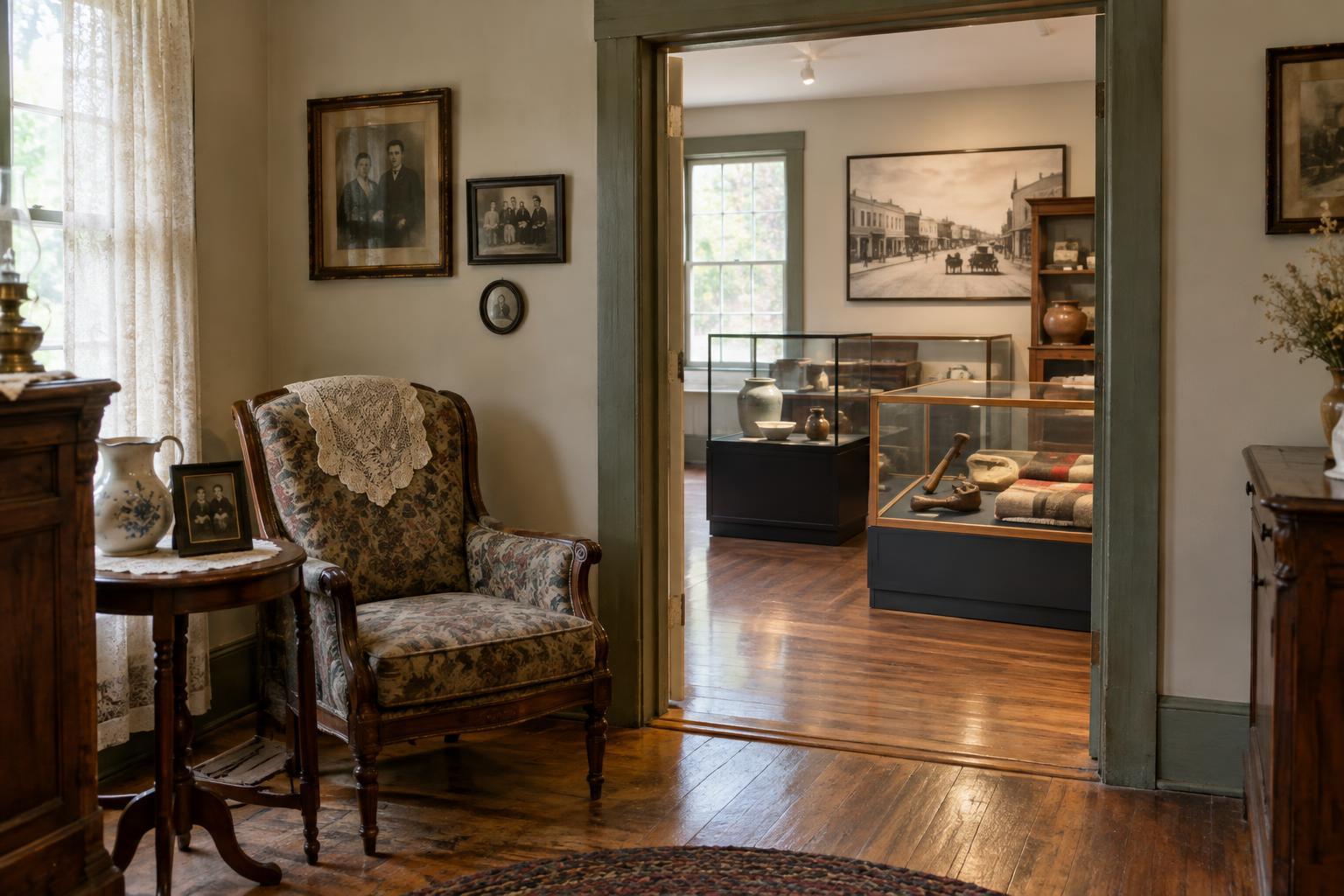
Step into a house museum and the rooms often shape the story before you read a label. A narrow staircase, a kitchen near the back door or a window facing the street can suggest how daily life was organized. Even when furnishings have been rearranged or recreated, the building gives visitors a sense of scale: how far someone carried water, where guests were received, which spaces were meant to be seen.
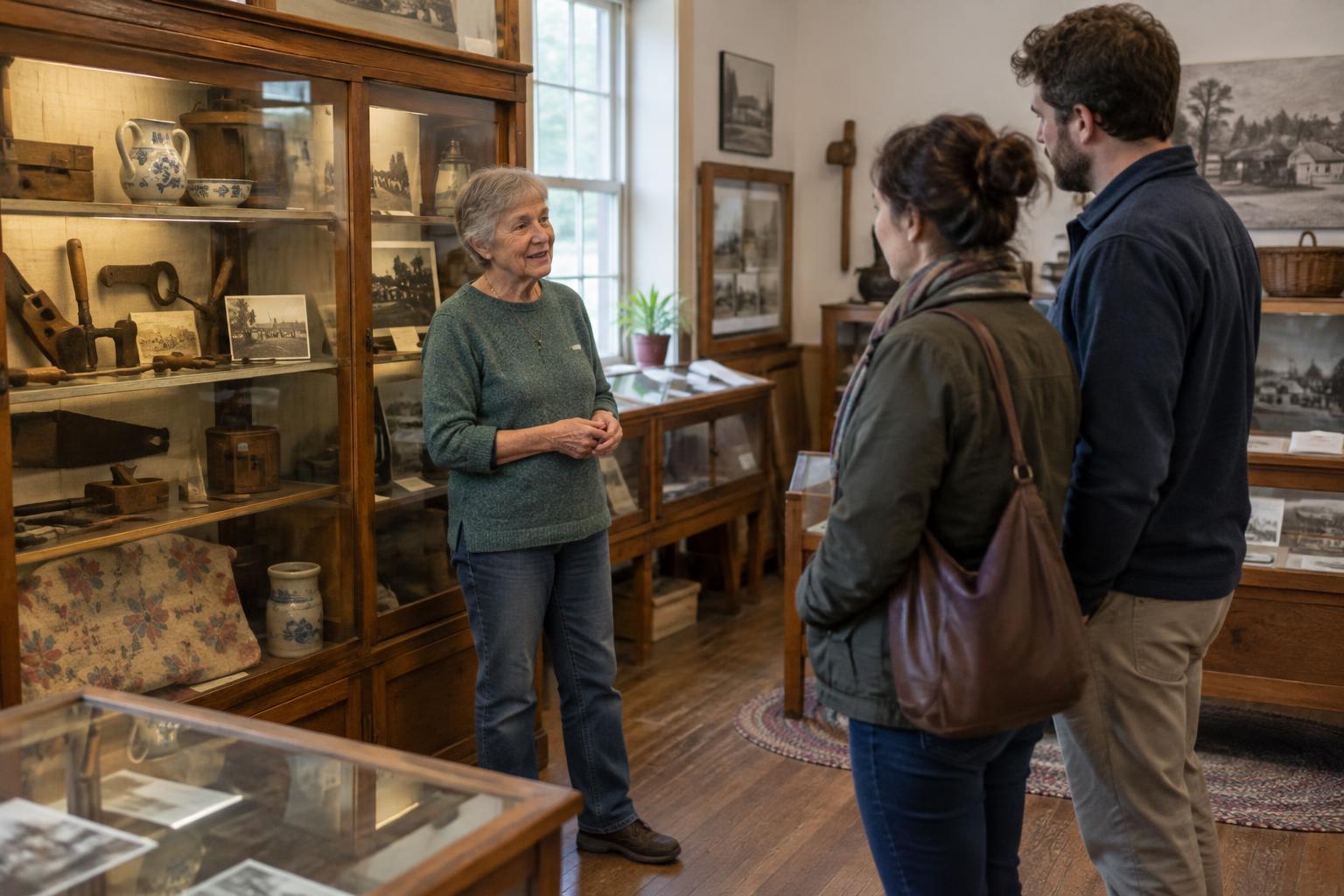
A local history museum usually starts from a wider map. Its displays might bring together photographs, tools, shop signs and oral histories from many households and generations. Rather than following life inside one building, you move between people, industries, streets and changes in the landscape. Neither approach tells the whole past. Each offers a different way to ask what happened here and whose experiences remain visible.
What a house museum brings into focus
A house museum’s strength is its particularity. A worn threshold or an unusually placed doorway can prompt questions that a timeline may not: Who used this entrance? Was a room heated? Where did people work, rest or store their belongings? The physical setting helps connect broad themes such as migration, labor or changing household roles to the practical arrangements of everyday life.
That intimacy can also narrow the view. Some houses survive because their owners had money, influence or advocates who could preserve them. A tour centered on a prominent resident may say less about employees, tenants, neighbors or the people who built the house. It is worth noticing whether labels distinguish original features from later restorations and whether they explain how the museum knows what a room looked like. An invitingly furnished room is an interpretation, not a direct view into the past.
What a local history museum can connect
Local history museums can place one home or family within a network of others. A photograph of a street might sit beside a map showing how its route changed; a shop ledger might appear near objects made or sold in the area. These connections can reveal how decisions about transport, housing, work and public space affected different residents. Collections may also preserve stories from buildings that no longer stand.
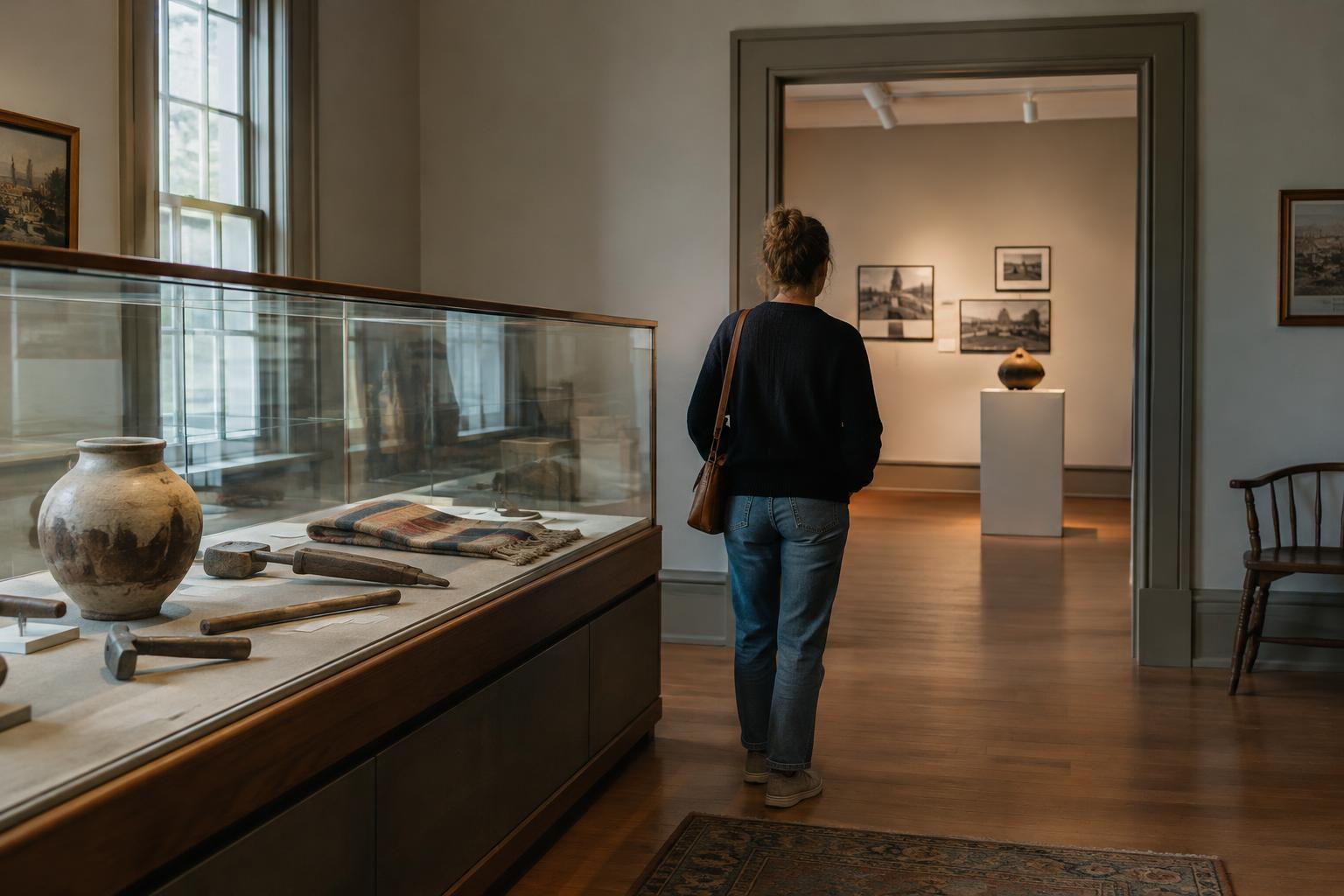
The challenge is making a large story legible without flattening it. Limited space can turn decades into a few display cases, and an object’s meaning may be hard to grasp without knowing who used it. Look for captions that identify dates and places where possible, acknowledge gaps in the record, and explain why an item matters. A modest object with a clear account of its use can tell you more than a dramatic one with little context.
Read the choices behind the displays
Both kinds of museum make choices about whose past to present. A preserved dining room may highlight formal occasions over routine chores; a town-wide exhibit may give more room to institutions than to informal community life. These are useful starting points for questions, not reasons to dismiss a museum. Ask what evidence supports a scene or story, which voices appear in first person, and where the account becomes uncertain.
Pay attention to how the museum handles change. A house may have been altered many times rather than belonging to a single frozen moment. A neighborhood may have different meanings for longtime residents and newer arrivals. Thoughtful interpretation leaves room for these layers. If a display mentions a community without including its members’ perspectives, take that as a cue to seek out other local accounts rather than assuming the exhibit is complete.
Make the most of a paired visit
If both museums are nearby, visiting them together can be especially rewarding. Begin at either one, then carry a question to the other. After seeing a house, look for maps or photographs that show its surrounding streets. After seeing a local history exhibit, visit a house to consider what the wider changes might have meant within a single building. You do not need to cover every room or read every panel; one good connection is enough to deepen a visit.
Check practical details before going, since small museums may have limited opening hours, guided entry or restrictions that help protect fragile interiors. Follow photography and access guidance, and ask staff about alternatives if a space is difficult to enter. Outside, take a moment to observe the building’s relationship to its neighborhood without treating nearby homes or residents as part of the exhibit. The most useful takeaway is not that one museum tells the better story, but that each helps you see what the other cannot.