The question behind the display case
A handwritten recipe book, a shop sign, or a well-used tool can seem perfectly at home in a local museum. Yet being interesting is not, by itself, enough to put an object on display. Museum staff or volunteers must ask what it can tell visitors, how its story can be verified, whether they can care for it, and who has the right to offer it. Those questions matter especially in a small museum, where storage space, conservation resources, and exhibition space may be limited.
It helps to distinguish between an object entering a museum and becoming part of its permanent collection. A museum may accept an object as a donation, buy it, or borrow it for a defined period. Each route creates different responsibilities. Ownership, permission to display or photograph the object, and the ability to return it are separate matters, even when a label makes the arrangement look simple.
Donations: gifts with lasting responsibilities
Donations often begin with someone who wants a family possession or local artifact to be preserved and shared. A donated object might fill a gap in a museum’s account of everyday life, but a gift is not automatically a good fit. A museum may need to know where the object came from, how it was used, and whether the donor owns it. A familiar name or an appealing story can be a starting point, not a substitute for checking what can reasonably be established.
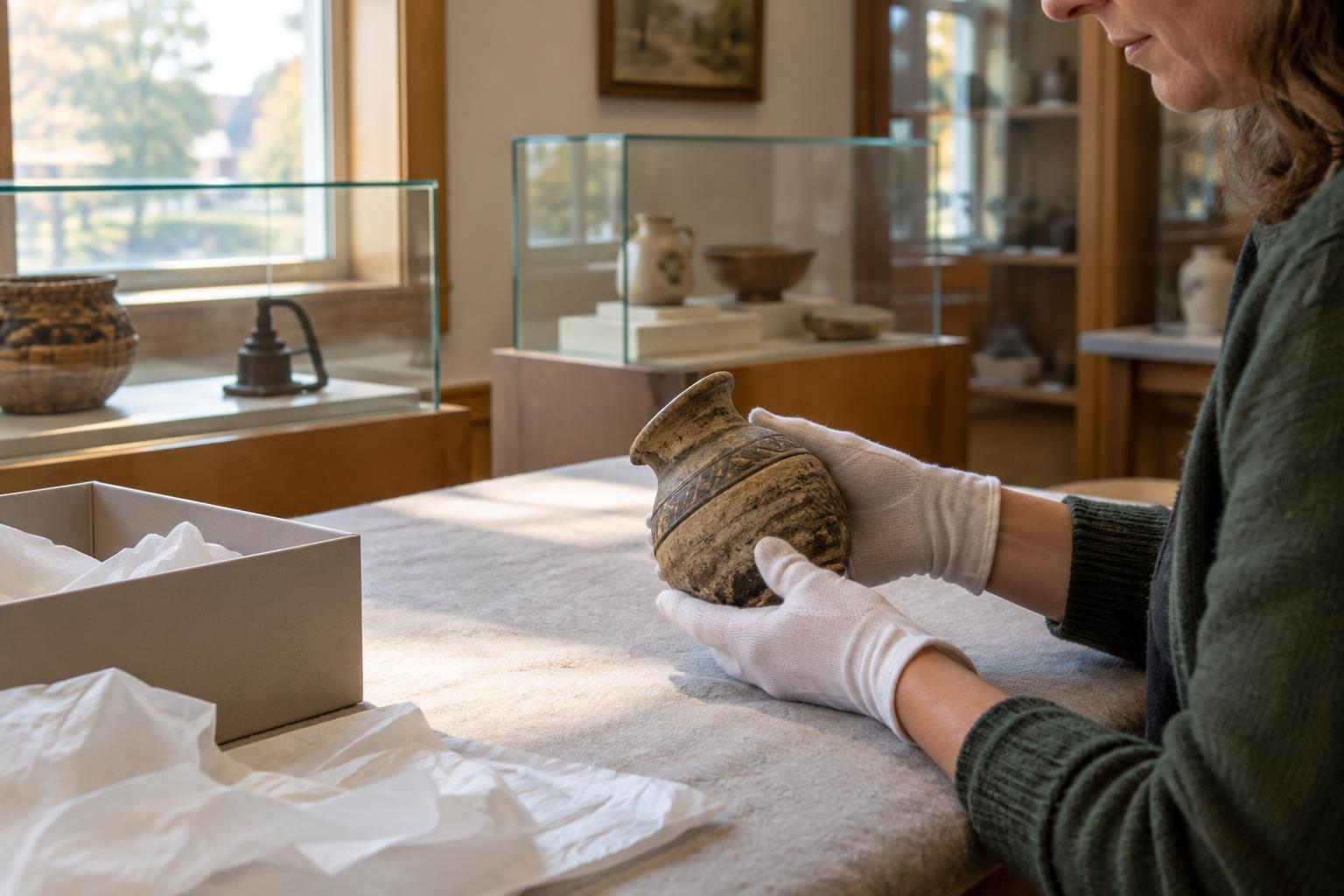
Accepting a gift also means planning for its future. Even a small object needs a record, a suitable place to store it, and time to monitor its condition. A large piece of furniture may require more space than the museum can spare. For these reasons, declining a donation can be a responsible decision rather than a judgment that the object lacks value.
Donors may hope their gift will always be displayed, but exhibitions change and many collection objects spend time in storage. Clear conversations before a transfer help both sides understand what the museum can promise. Written records are particularly useful: they distinguish a permanent gift from an item left for identification, a possible donation, or a temporary loan.
Purchases: choosing where limited funds go
A purchase can allow a museum to acquire an object that would not otherwise be offered as a gift. Staff might seek something that documents an underrepresented trade, neighborhood, or aspect of daily life. The price is only one consideration. Transport, storage, documentation, and any necessary conservation can make an apparently affordable object difficult to take on.
Buying also calls for careful questions about origin and ownership. A seller’s description may be incomplete, and an object’s route through earlier hands may matter to its interpretation. Museums may need to pause or pass on a purchase when important questions cannot be resolved. The aim is not simply to obtain an attractive display piece, but to build a collection that the museum can explain and care for responsibly.
Loans: access without a change of ownership
Loans let a museum tell a story without permanently acquiring every object in it. A neighborhood group might lend a banner for an exhibition, or another institution might lend an item that adds context to a local collection. The lender keeps ownership, while the museum takes on agreed responsibilities for the object during the loan.
Those arrangements usually need clear terms: how long the object will stay, how it may be displayed, who may photograph it, and what happens if its condition changes. A loan can bring a personal or community-held object into public view while allowing it to return home afterward. It can also have practical limits. An object that is fragile, difficult to transport, or essential to its owner may be better represented by a photograph or a story told with permission.
What visitors can notice
The next time you visit a small museum, look closely at the label beside an object. Phrases such as “gift of,” “purchased with,” or “on loan from” offer clues to its path into the room. A label may also name a maker, an owner, a place of use, or a gap in what is known. These details help explain why an object belongs in the story the museum is telling.
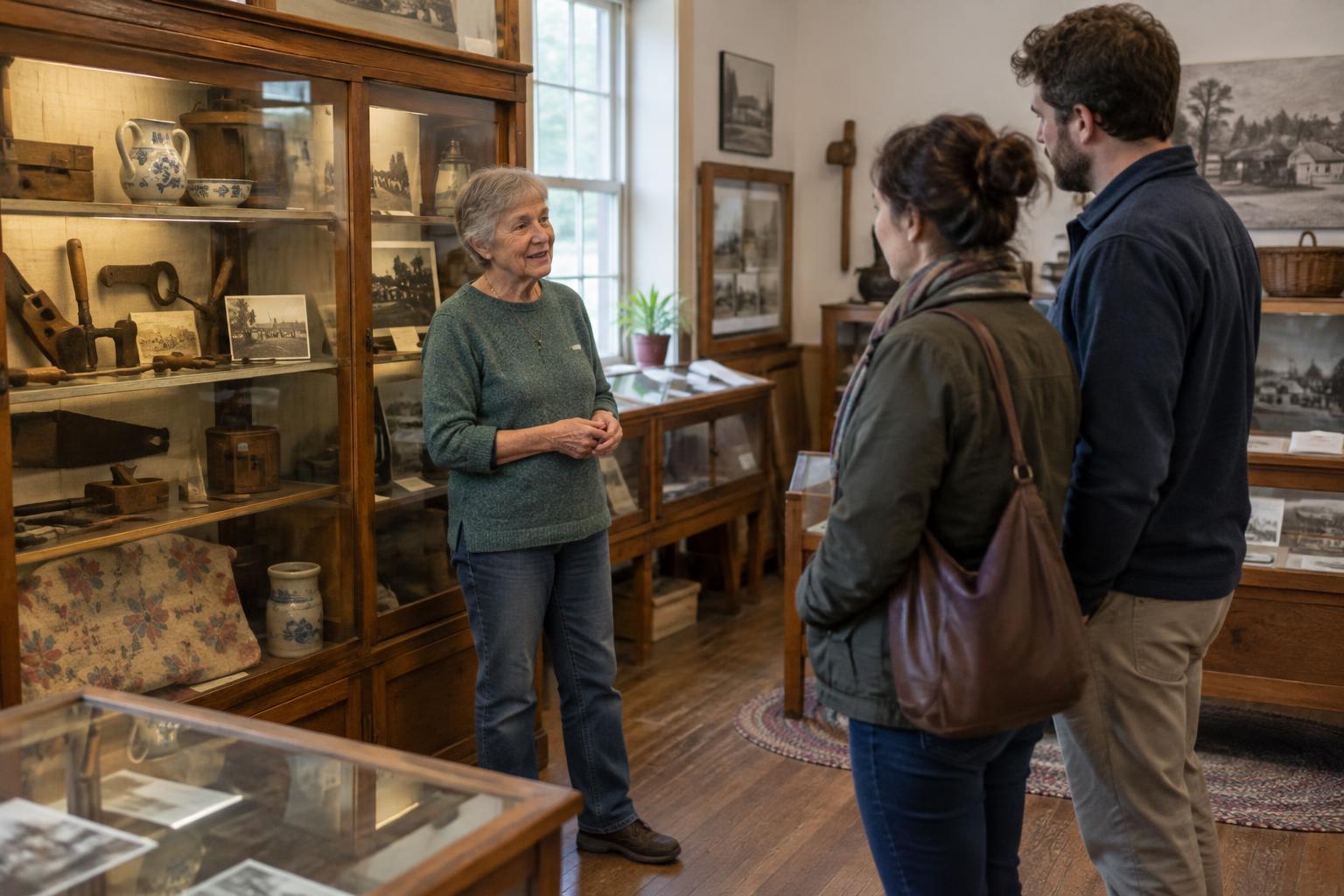
If you are considering offering an object yourself, start by contacting the museum before bringing it in. Share what you know about its history, including uncertainties, and ask whether it fits the collection. Whether the answer is donation, purchase, loan, or none of these, the conversation can be valuable. Small museums do more than gather things: they decide how to hold, interpret, and sometimes return the material traces of a place.