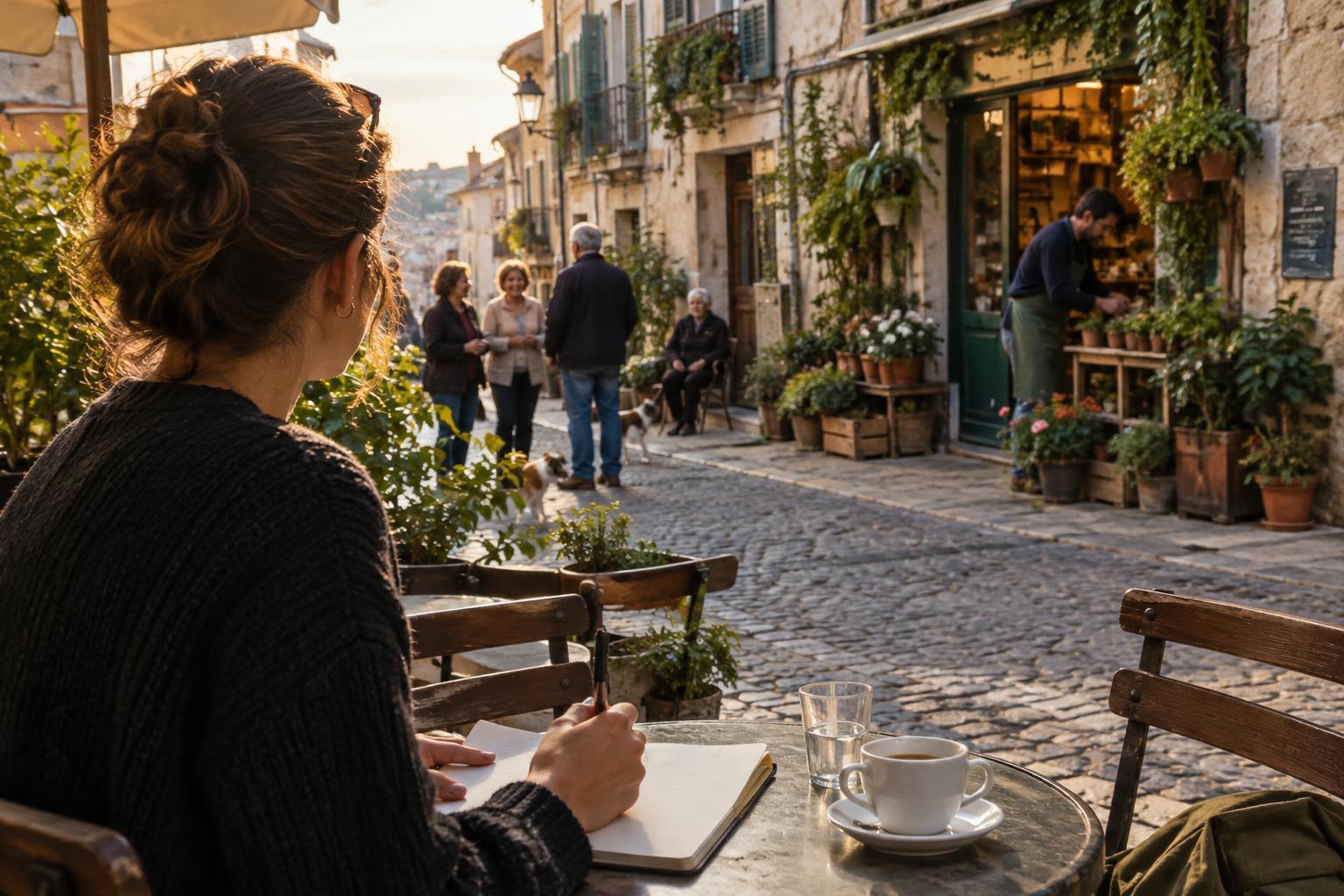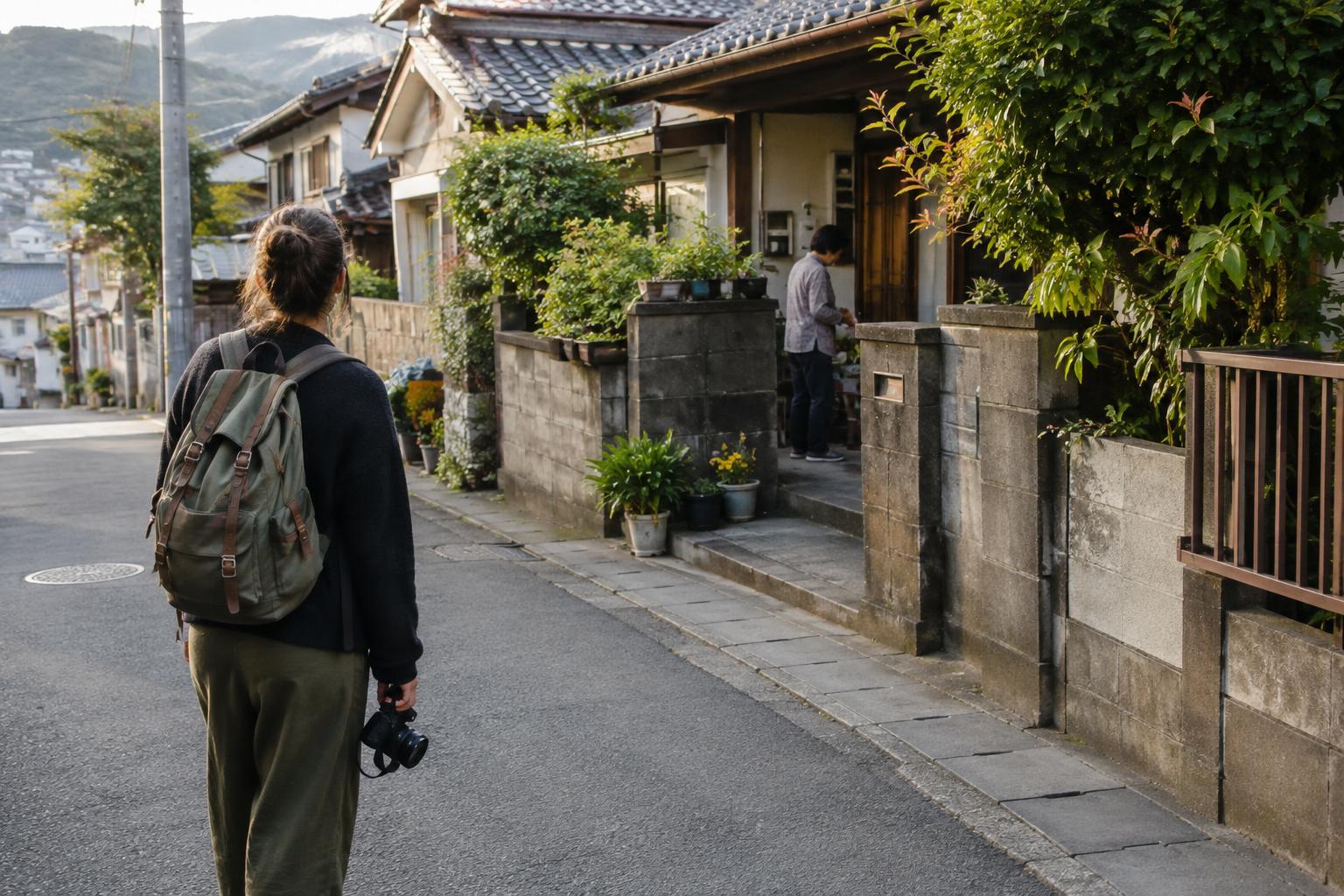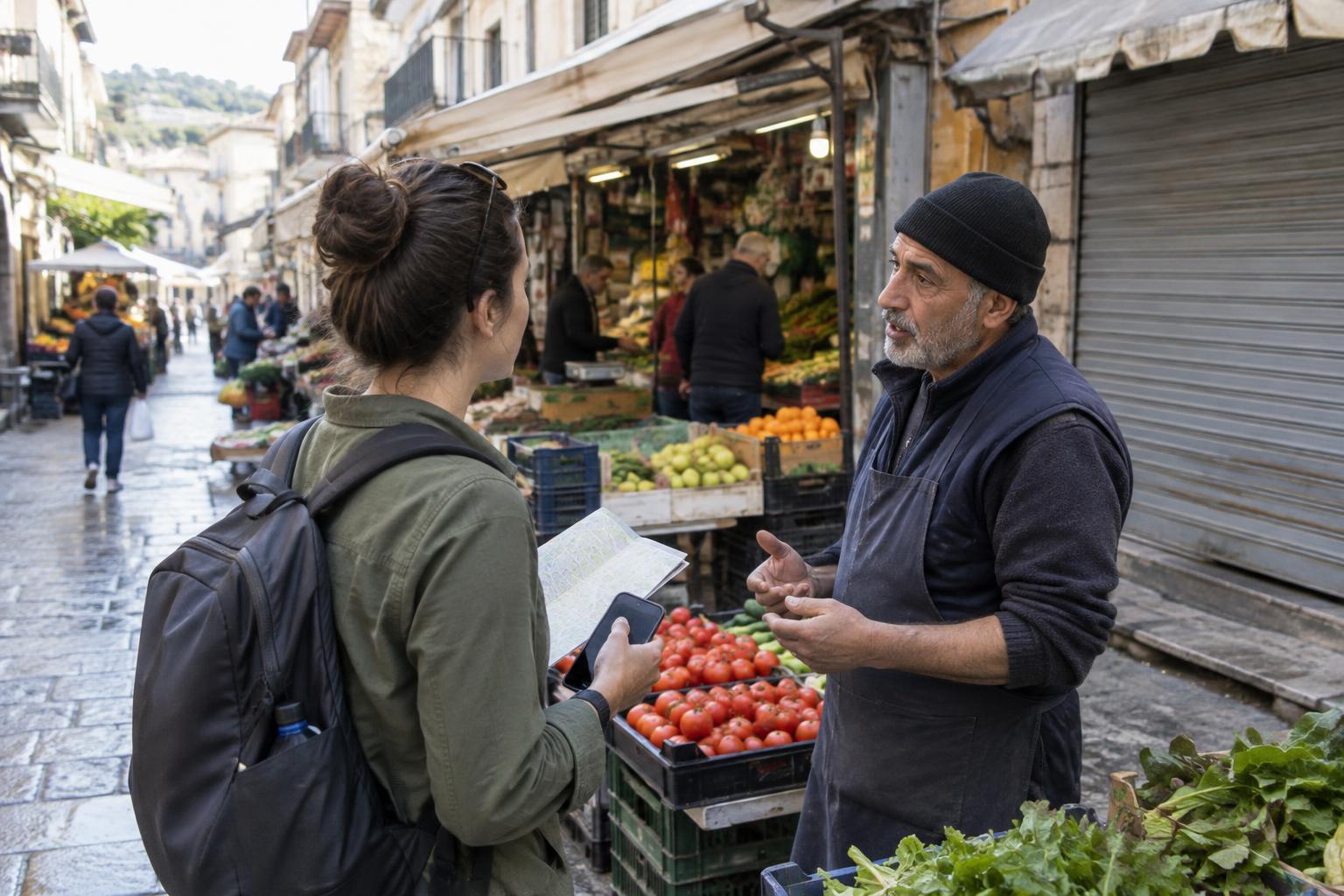
Make a plan you can shrink
A good exploration day does not depend on completing every stop. Before setting out, choose one main area and a few optional detours rather than building a route that only works in perfect weather. Mark a convenient place to finish early, such as a transit stop or the point where you began. If rain, wind, or heat makes a long walk unpleasant, you can still spend time with the part of the neighborhood you most wanted to see.
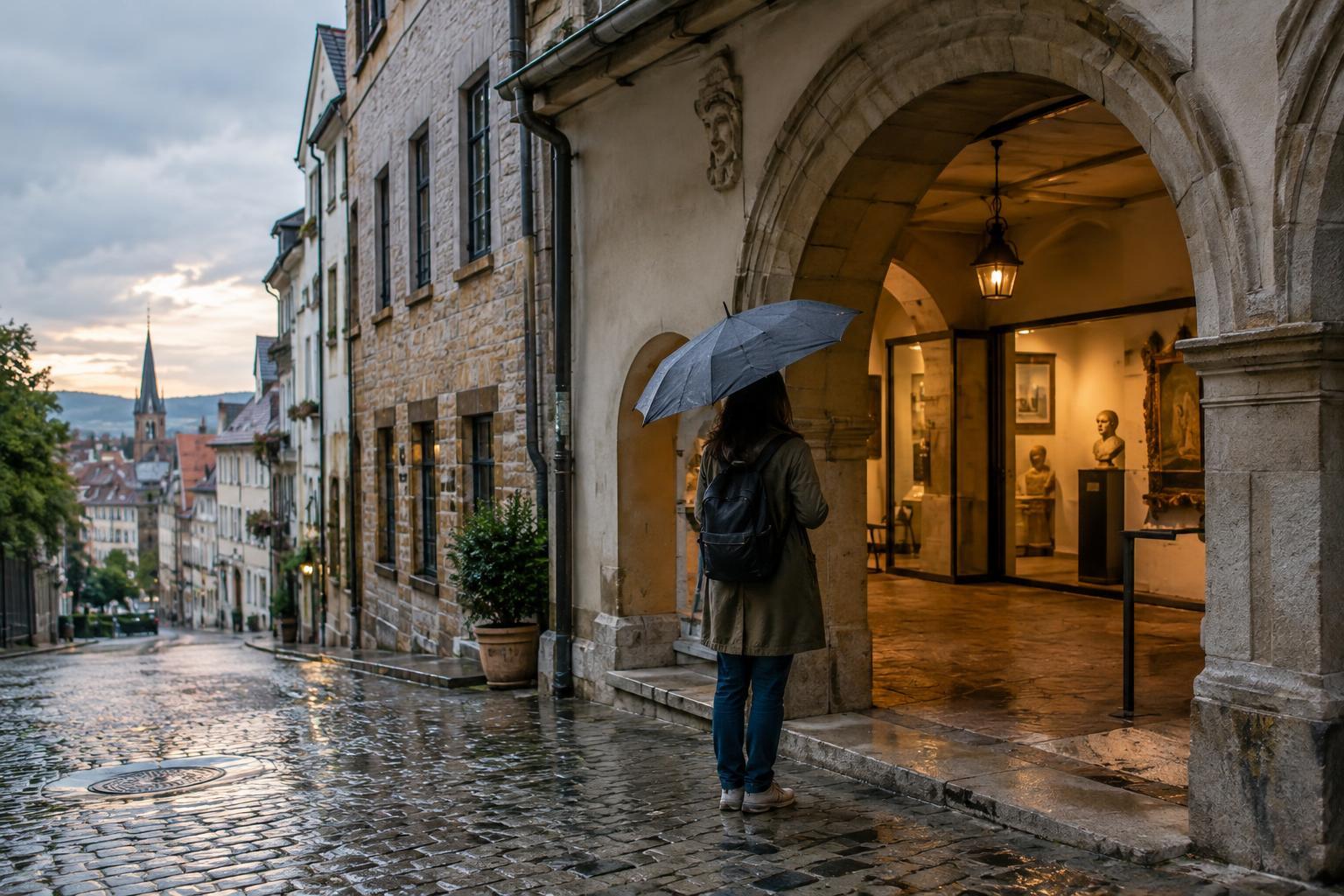
Think in short loops instead of a single journey across town. A loop gives you chances to pause, change direction, or return without retracing a great distance. Keep the practical details easy to find: your route, a way home, and any opening hours or entry requirements you need to confirm. A small museum or heritage site can be a useful alternative to an outdoor stop, but it is worth checking that it is open before you rely on it.
Let the conditions change your pace
When the weather shifts, reassess the day rather than trying to preserve the original schedule. Light rain might simply call for shorter walks between sheltered stops. Strong wind can make a pleasant waterfront or exposed square a poor place to linger. Heat or cold may turn frequent breaks from a luxury into the most important part of the plan. Pay attention to how you and your companions feel, especially if the day has already involved a lot of walking.
Some conditions call for more than a route adjustment. If there is thunder, flooding, dangerous wind, or another immediate hazard, prioritize appropriate shelter and follow local guidance rather than looking for a clever way to keep sightseeing. If visibility or footing is poor, skip steps, steep paths, and unfamiliar shortcuts. An exploration day is not a test of endurance; leaving early is a sensible outcome.
Swap distance for attention
Bad weather can make a smaller area more rewarding. Instead of crossing several neighborhoods, choose a few streets and look closely at what is visible from safe, public places. Notice how entrances provide shelter, where water drains, or how shops arrange their windows on a gray day. Everyday architecture often makes more sense when you see how people use it in ordinary conditions, not only when a street is at its most photogenic.
Give yourself a simple question to follow: How does this block handle rain? Where do pedestrians comfortably pause? Which older details remain on otherwise altered buildings? You do not need to identify every feature on the spot. Take notes on what you can observe and leave uncertain histories as questions to explore later. That keeps curiosity from turning a quick impression into an unsupported story.
Choose indoor stops with care
Libraries with public areas, small museums, markets, and cafés can offer a pause, but they are not interchangeable shelters. Check whether a space welcomes visitors, whether entry costs anything, and whether there is room to spend time without disrupting its usual purpose. In a small museum, a shorter, attentive visit may be better than rushing through every display before the next break in the clouds. In a café, order something if you intend to stay.
Indoor stops can also provide a different view of a place. A modest exhibition may explain an object you noticed outdoors; a market might reveal which goods are part of the neighborhood’s daily routines. Be considerate when taking photographs, particularly where people are working or where signs restrict photography. Avoid treating residential lobbies, places of worship, or private businesses as public shortcuts simply because the weather has become inconvenient.
Know when the revised day is complete
As conditions change, ask what would make the rest of the outing worthwhile. It might be one sheltered street, one exhibit, or a slow return by a different route. Give yourself enough time and energy to get back comfortably. If your clothes or shoes are soaked, your device is running low, or your companions are ready to leave, the next stop can wait for another day.
A shortened visit can still leave you with something useful: a detail to look up, a museum to return to, or a better sense of how a neighborhood works beyond fair-weather photographs. Make a brief note of what you missed, then let it go. The aim of curious travel is not to defeat the forecast. It is to stay observant while making choices that suit the place, the people around you, and the conditions you actually encounter.