Start with the right expectation
Asking someone where to go can open your attention to a place you might otherwise pass by: a neighborhood bakery, a quiet public garden, or a small exhibition near a bus stop. But a person who lives or works somewhere does not owe a visitor an itinerary. A useful recommendation is a gift of time and attention, not a service you can demand.
Before approaching anyone, do a little of your own planning. Check opening hours, transit options, and basic visitor information through appropriate channels. That leaves room for a more interesting question than “What should I do here?” It also means you can enjoy the place even if no one is available to talk. Let conversations add texture to your visit rather than carry the whole weight of it.
Choose a moment, not just a person
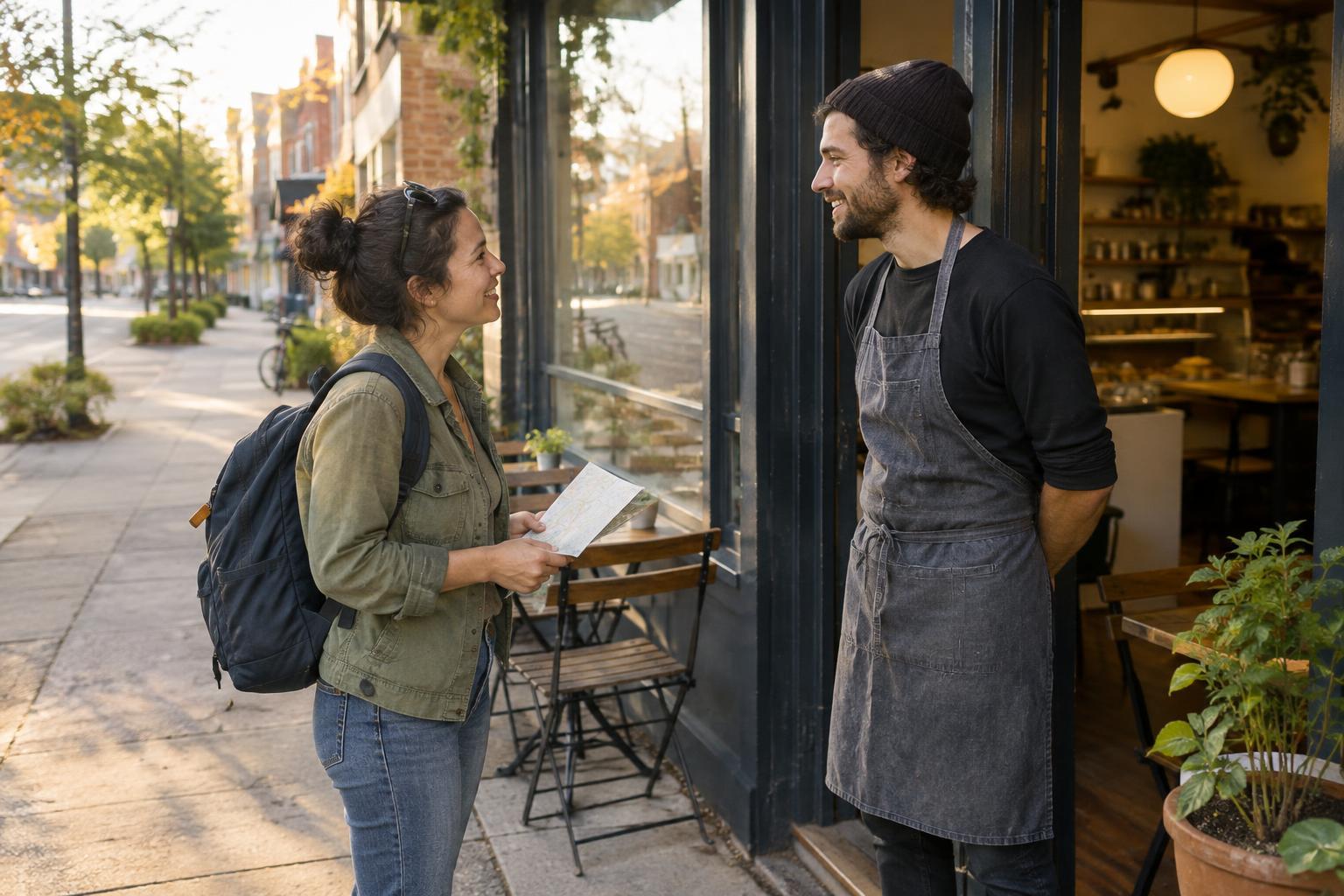
Context matters as much as wording. Someone rushing to catch a train, serving a queue, or relaxing with friends may not welcome a travel question. A staff member at a visitor desk or museum may be ready for one; a shopkeeper might be willing to chat during a quiet moment, but their first job is running the shop. Notice what is happening before you speak, and keep your opening brief.
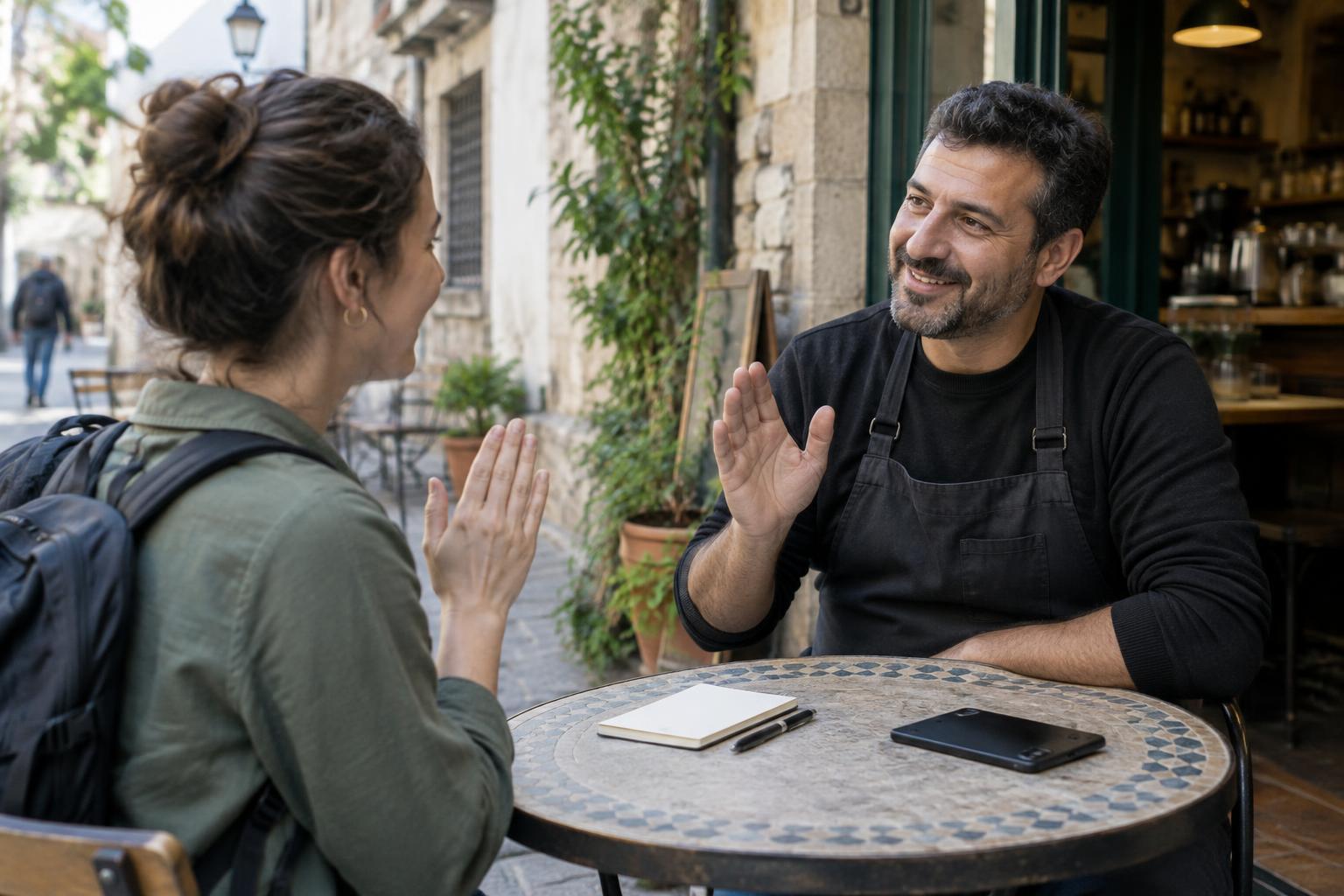
Try asking permission before asking for advice: “Do you have a moment for a quick question?” A friendly answer is an invitation to continue; a hesitant answer is a reason to thank them and move on. If you are in a business, being a customer does not entitle you to a long conversation. If you are not a customer, be especially mindful of asking staff to stop working for you.
Make the question small and specific
Broad requests can turn a stranger into an unpaid trip planner. A narrower question is easier to answer: “Is there a nearby street you enjoy walking along?” or “I’m interested in older shopfronts—does anything public nearby come to mind?” Mention a practical constraint if it helps, such as having an hour or needing a step-free route, but avoid handing over a list of requirements for someone else to solve.
Ask about preferences rather than demanding a secret. “Where do locals go that tourists don’t know about?” can sound as though a neighborhood’s value depends on its obscurity. It may also put pressure on someone to share a place they would rather keep private. A simple “Is there somewhere you’d suggest?” lets them choose what they are comfortable recommending, including a familiar landmark. Familiar places can reward a closer look.
Listen without turning an answer into an assignment
When someone offers a suggestion, let them finish and accept the answer they give. You can ask one useful follow-up—perhaps which entrance to use or whether the place is open to visitors—but resist requesting a full route, a history lesson, and three alternatives. If you need detailed logistics, look them up yourself afterward. A recommendation can be the start of your own observation, not a script for the other person to write.
Be careful with personal questions, too. You do not need to know where someone lives or why they know an area to appreciate a tip. Nor should you assume one person speaks for an entire community. If they describe a place differently from a guidebook or another resident, treat that as their perspective rather than a definitive verdict. Curiosity works best when it leaves room for people to disagree.
Carry the same respect into the visit
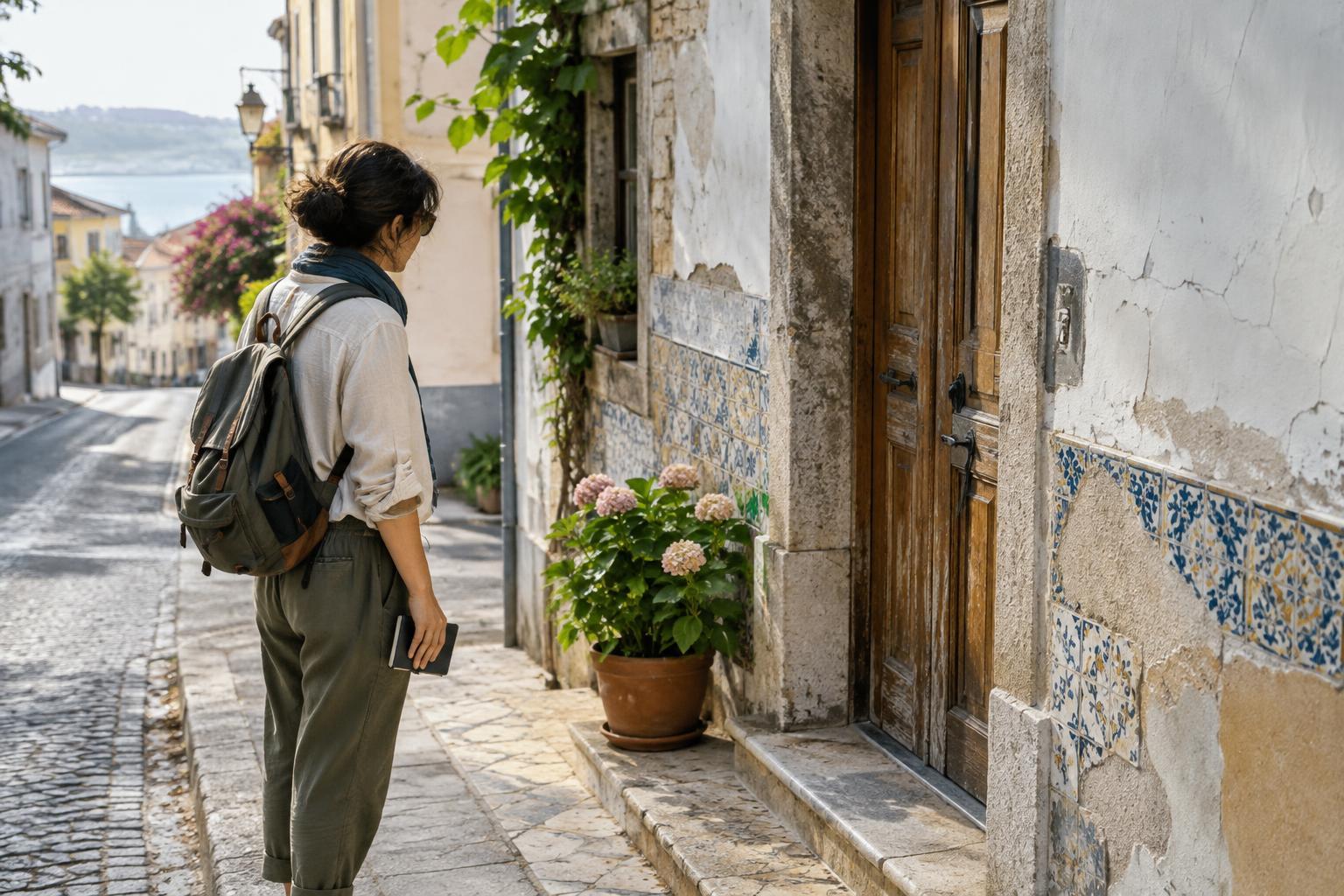
A recommendation is not automatic permission to enter a courtyard, photograph a workshop, or wander through a residential space. Check whether a site is public, follow posted guidance, and ask before photographing people or private interiors. If someone mentions a small business, you can support it when it genuinely suits your plans, without expecting extra attention in return. In a residential area, keep noise and access in mind; ordinary streets are part of people’s daily lives.
Close the conversation with a straightforward thank-you, whether or not you use the suggestion. If you meet again, you might say what you appreciated, but there is no need to seek someone out for a report. The best outcome is not a list of places no other traveler has found. It is a visit shaped by modest questions, careful listening, and the understanding that local people are going about their lives while you explore.