Give the day a range, not an itinerary
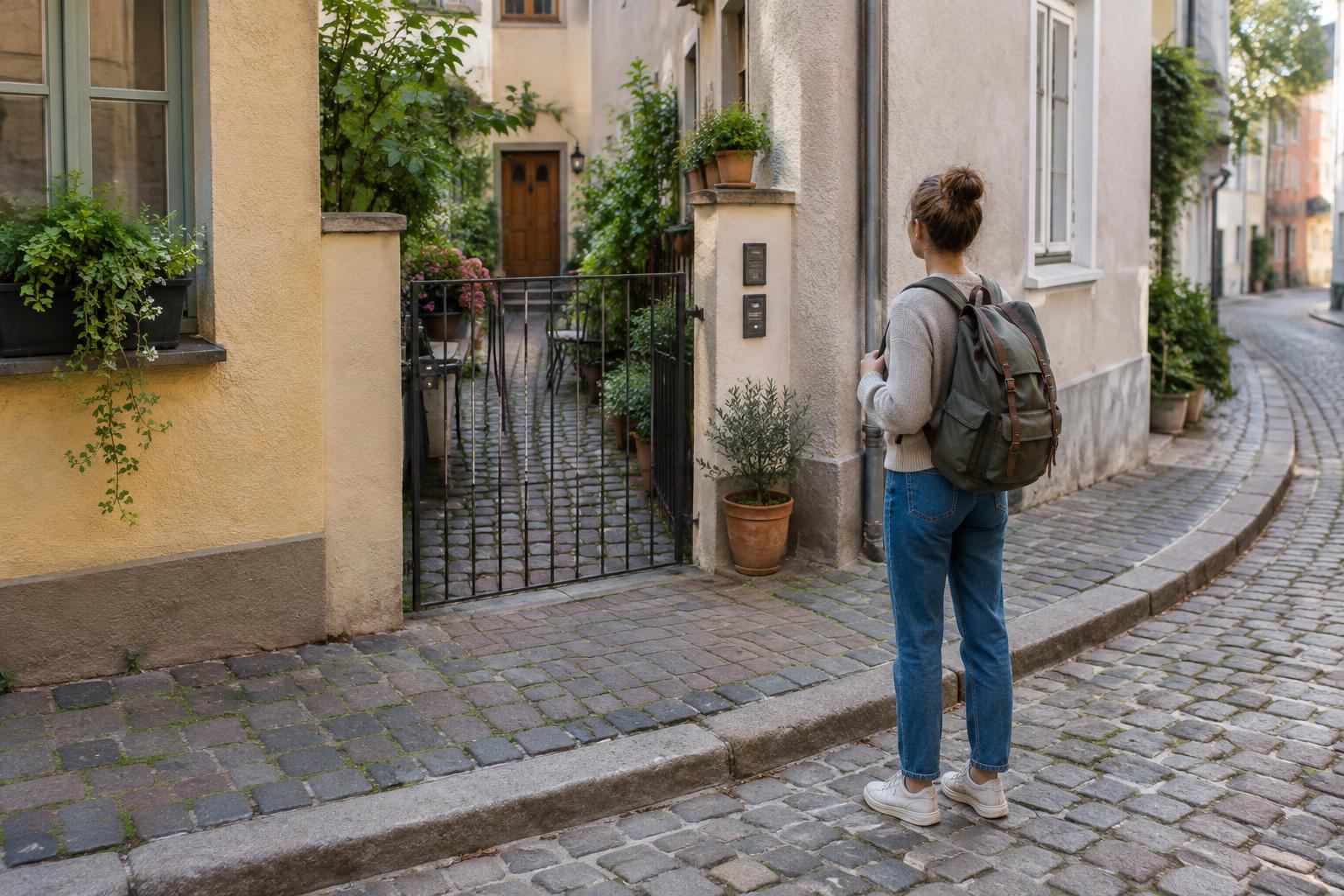
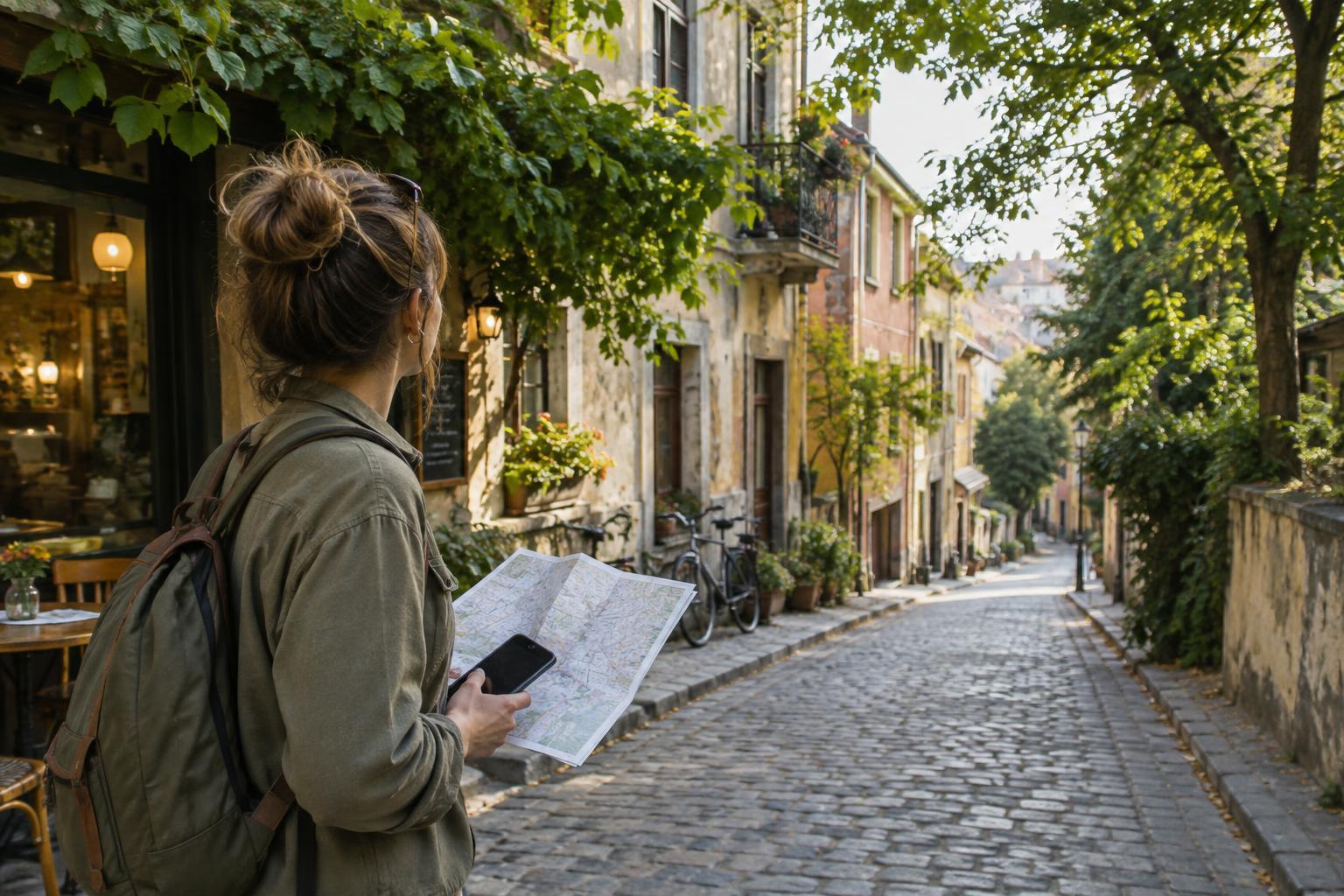
An open-ended day is a chance to follow a side street, linger in a small museum, or spend an afternoon in a neighborhood that was meant to be a quick stop. The aim is not to decide everything in advance. It is to know what you can comfortably spend before the day begins.
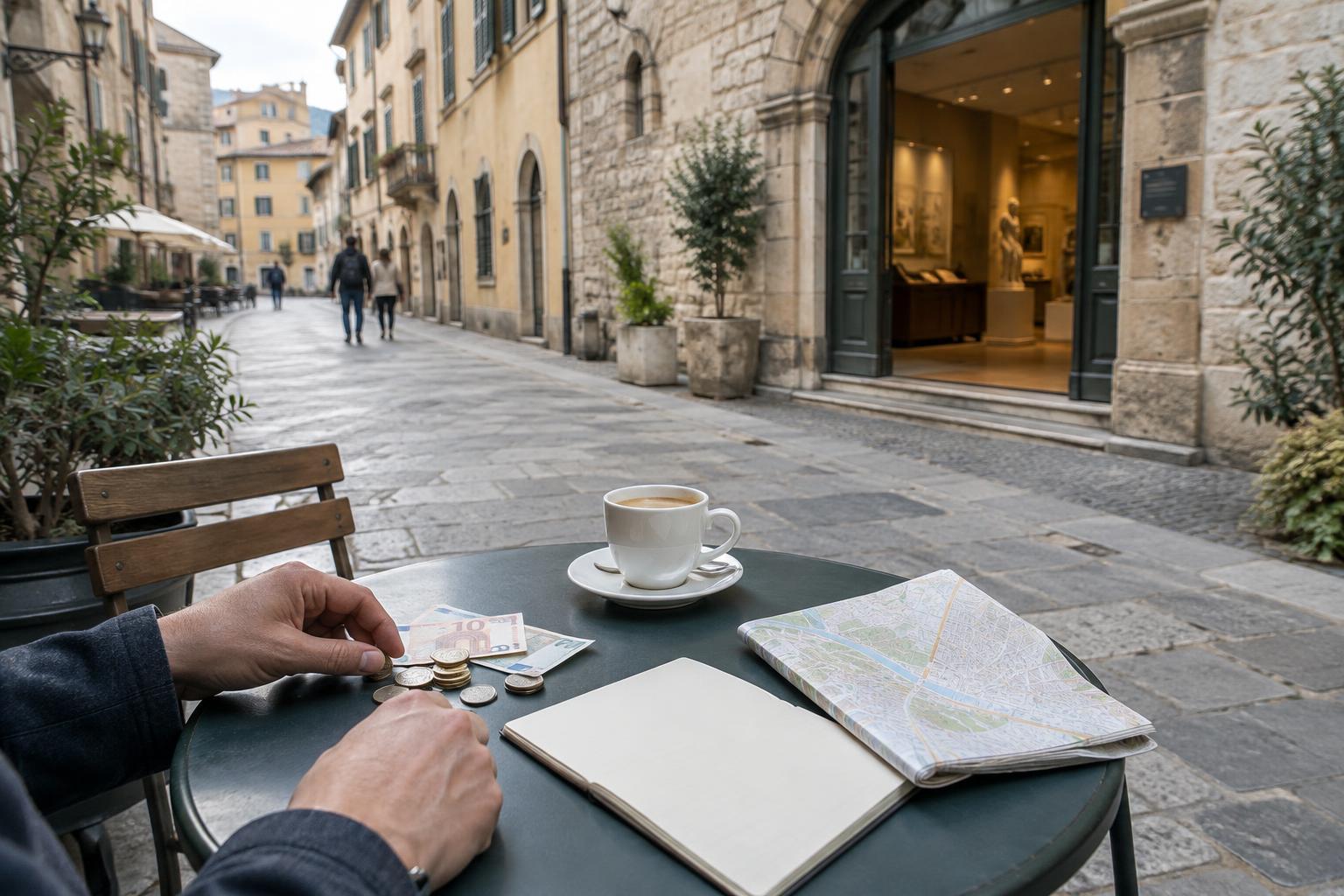
Start with a daily spending range based on the money you have set aside for the trip. Make the lower end a day of walks, simple meals, and inexpensive stops. Let the upper end allow for a ticket, a longer journey, or a meal you had not planned. A range gives you room to choose without treating every unexpected expense as a failure.
Cover the parts that are not optional
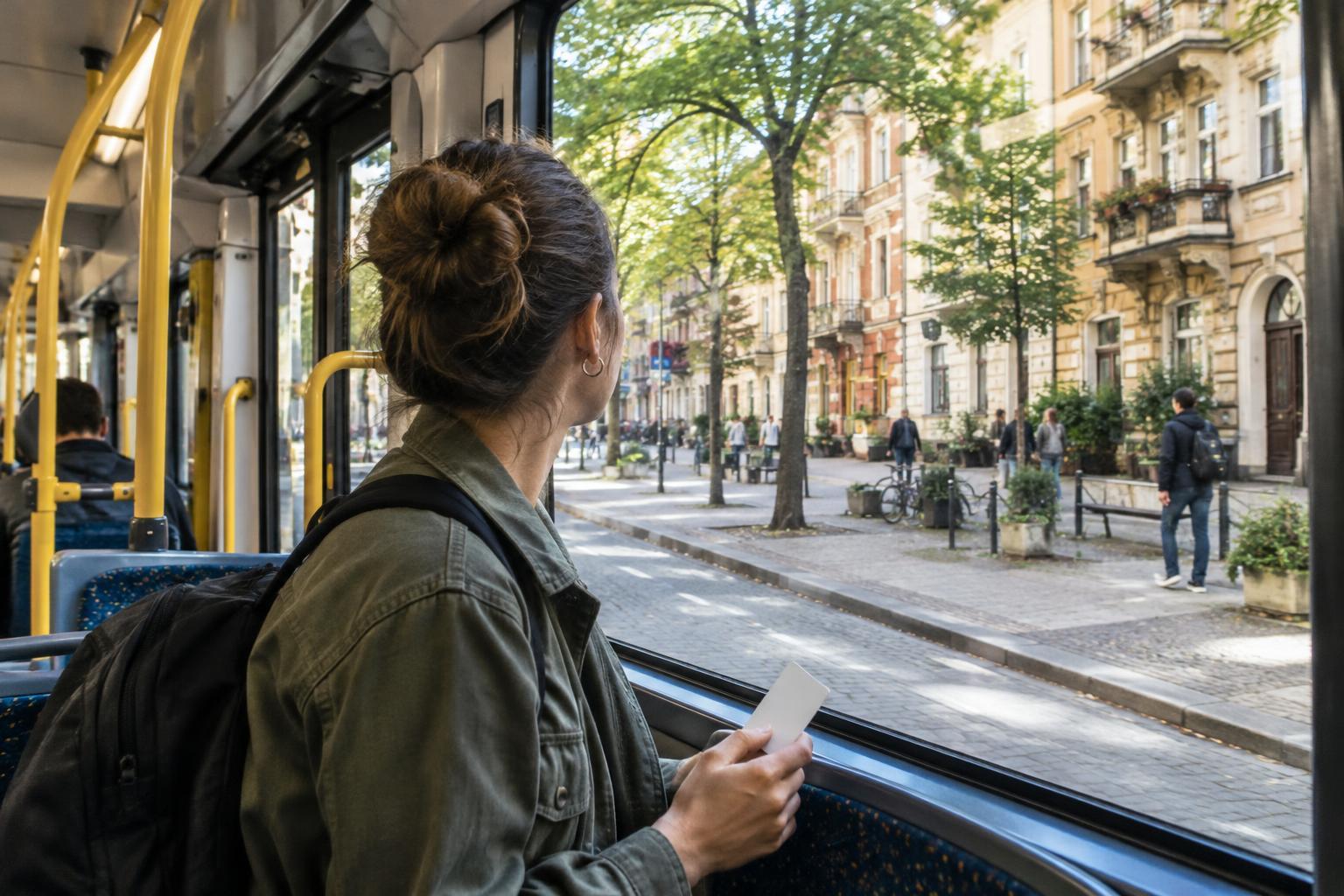
Before setting out, account for costs you are likely to face regardless of where curiosity takes you: meals, local transport, and the journey back to where you are staying. If accommodation or a booked activity still needs to be paid for, keep that money separate from the day's flexible amount. The same goes for any reserve you want to leave untouched for the rest of the trip.
It helps to think of the return journey as a fixed cost even if you expect to walk. Weather, fatigue, or an interesting detour can change your plans. Knowing you can get back comfortably makes it easier to enjoy an unfamiliar area rather than calculating the cheapest route home at the end of a long day.
Leave a small pot for discoveries
Once the essentials are covered, set aside an amount for the things you cannot predict: an exhibition sign spotted from the pavement, a local bus route worth following, or an extra hour in a café. This is not money you have to spend. It is permission to consider an opportunity when it appears.
Choose one loose priority if that helps you decide what is worth paying for. On one day, it might be a small museum; on another, a good lunch in a neighborhood you want to explore on foot. When several options compete, ask which one you would still be pleased to have chosen tomorrow. That question can be more useful than trying to fit everything into the day.
Use gentle checkpoints instead of constant tracking
You do not need to record every purchase in the moment to stay aware of your budget. Check your remaining amount at a natural pause, such as after lunch or before travelling to another area. If you have spent more than expected, the rest of the day can still be satisfying: browse a public market without buying, look closely at ordinary streets and buildings, or find a place to sit and take in the surroundings.
Be attentive to small costs that gather quietly. Several short rides, drinks, snacks, and entry fees can add up even when no single purchase feels significant. A quick check lets you change course while you still have choices, rather than discovering at dinner that you have used the money intended for it.
Keep flexibility respectful and comfortable
A modest budget need not turn a neighborhood into a free attraction. Public streets are open for wandering, but homes, working spaces, places of worship, and community events have their own boundaries. Follow posted guidance, ask before photographing people, and be prepared to move on if a space is not meant for visitors. If you use a café or another business as a place to rest, buy something within your budget and be mindful of how long you stay.
At the end of the day, note what you enjoyed and what it cost in broad terms. You may find that a paid visit was worth more to you than several smaller purchases, or that an unhurried walk was the best part of the day. Use that observation to adjust tomorrow's range. The budget should support your curiosity, not dictate where it leads.