Start with a few anchors, not a full schedule
A flexible itinerary is not an empty one. It begins with a small number of things you would regret missing: perhaps a museum with limited opening hours, a walk through a neighborhood you are curious about, or a meal you have arranged in advance. Treat these as anchors for the day. Everything else can fit around them, change places or fall away.
Before you leave, sort your ideas into three groups: must-do, would-like-to-do and only-if-nearby. Keep the first group short. For each anchor, note its location, likely opening hours and any booking requirements, then check those details close to your visit. This gives you a dependable outline without turning the day into a race between pins on a map.
Plan by area and leave travel time visible
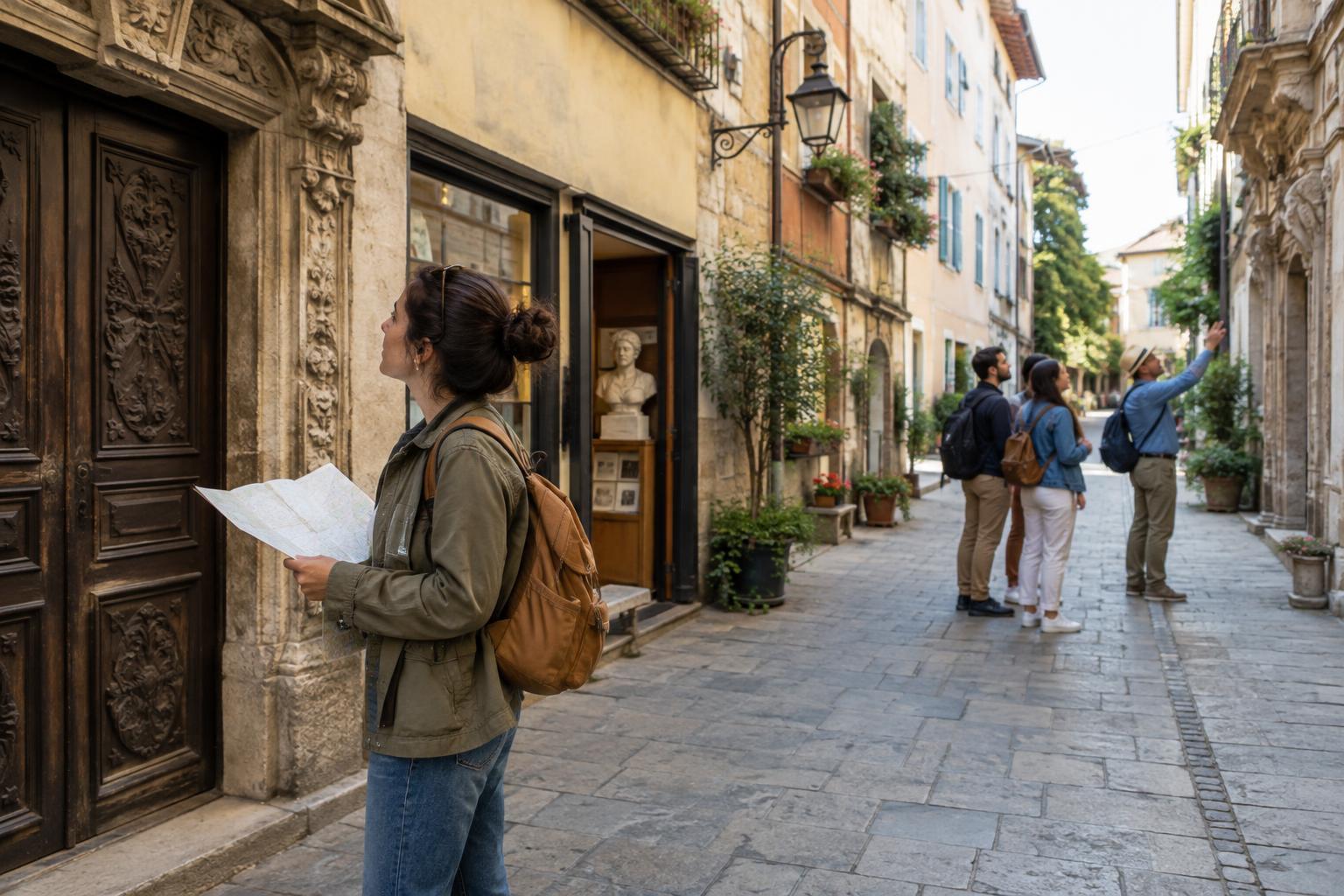
Group nearby stops rather than crossing a city repeatedly. An anchor might lead you to a small museum, a public square and a residential street in the same area. You do not need to decide in advance which street to take between them. That walk is where you may notice a tiled doorway, a community garden or a shop window that tells you something about daily life.
Build transfers, meals and rest into the plan as real activities, not gaps to be filled. Even a short distance can take longer when you pause to look around or need to find an accessible route. If your day already depends on every connection going perfectly, it has little room for discovery. A useful test is to remove one optional stop before you set out; if the day still sounds appealing, the plan has some breathing space.
Give open time a purpose
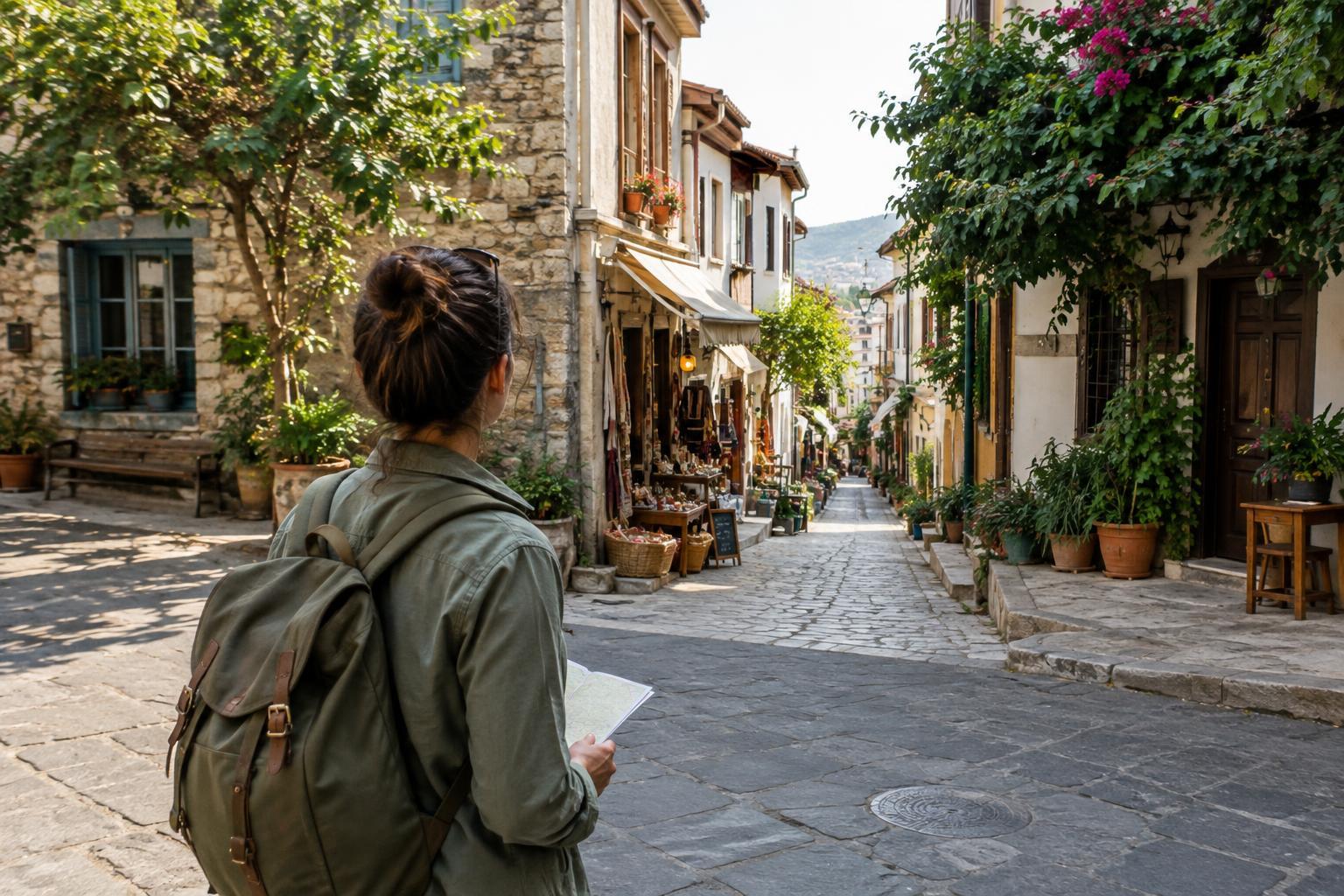
Unscheduled time can feel vague until you give it a gentle prompt. You might spend an hour following a waterfront path, looking at how older buildings have been adapted, or exploring the streets around a market after you have visited it. A prompt narrows your attention without deciding what you will find. It also helps you enjoy an ordinary street rather than treating it as a route to the next attraction.
Keep a short list of nearby alternatives for different conditions: an indoor stop if the weather turns, a quiet place if you need a break, and an easy walk if you have extra energy. These are options, not obligations. When something catches your interest, check how much time and energy remain, then choose consciously whether to follow it. You can always return to the list later.
Let curiosity work alongside respect
Unexpected discoveries often happen in places that are not set up for visitors. A neighborhood is also where people live, work, study and run errands. Stay on public routes, observe signs, keep noise down and avoid treating private doorways or residents as photo opportunities. If a workshop, place of worship or community space interests you, look for visitor information rather than assuming you can enter.
When someone offers a recommendation, receive it as a suggestion rather than a promise of access. A local café may be busy; a small museum may close early; a favorite street may be unremarkable to someone who passes through quickly. Leave room for those realities. Curious travel is less about collecting secret spots than paying attention to the character of a place without demanding that it perform for you.
Review the day without judging it by the checklist
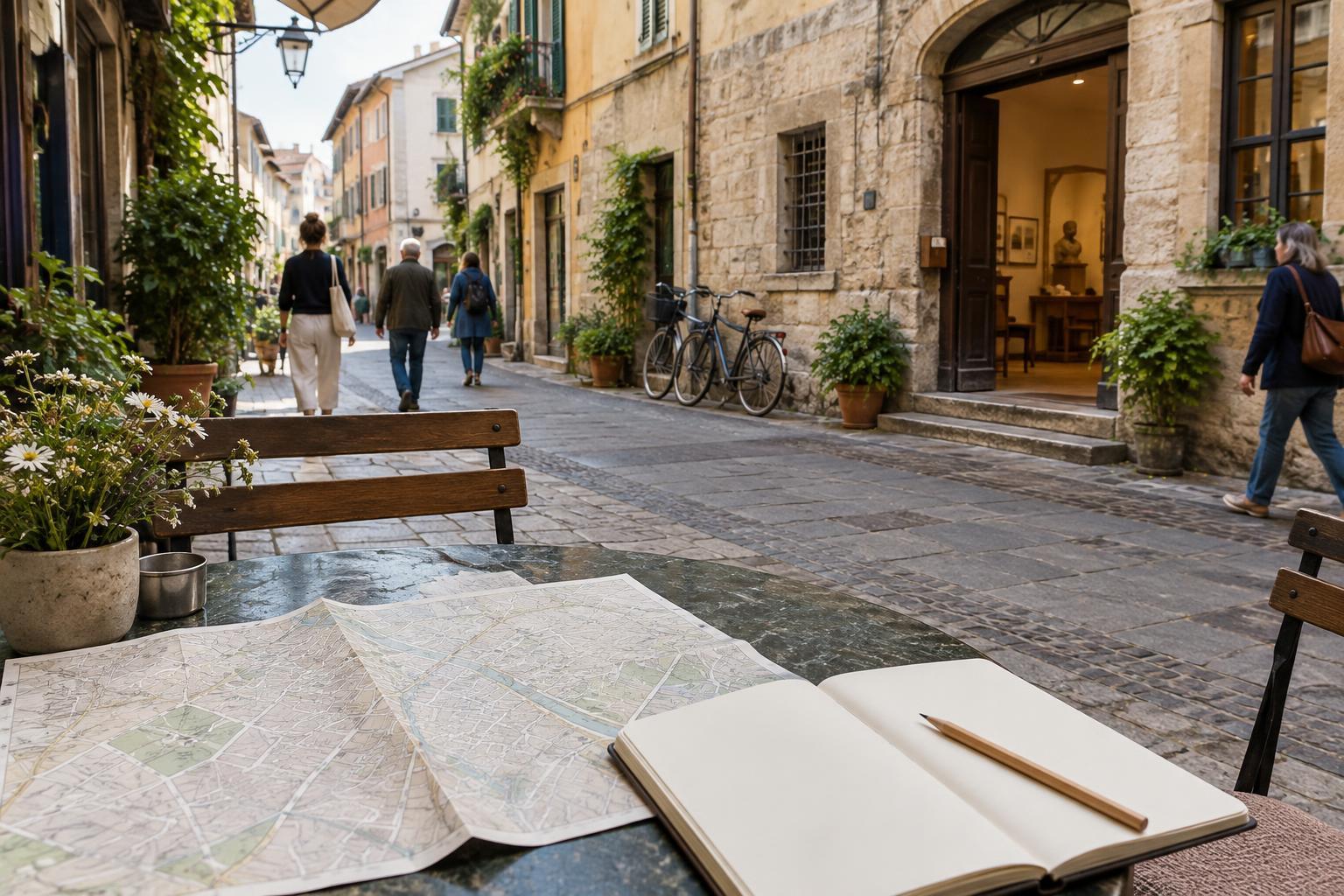
At the end of the day, spend a few minutes noting what drew your attention and what made the plan difficult. Perhaps your morning anchor took longer than expected, or an unplanned bench in a shaded square became the best pause of the trip. These observations can help you adjust the next day’s route, pace or number of commitments.
A good flexible itinerary protects the experiences that matter most while leaving you free to change your mind. You might finish with fewer completed stops than you planned and a clearer memory of the place. That is not a failed schedule. It is a plan that gave you enough direction to begin and enough space to notice what was there.