Start with what the phrase leaves out
“Up-and-coming” sounds like a quick description of a place in transition. But it raises an immediate question: coming up for whom? In travel writing, the phrase often treats a neighborhood as newly valuable because visitors have begun to notice its cafés, galleries or shops. That can make its existing residents, businesses and gathering places seem like background scenery rather than part of the place’s story.
You do not need to avoid writing about change. A new storefront beside a long-running repair shop may be worth noticing, as may a former warehouse used for a different purpose. The useful distinction is between describing a change and declaring that a neighborhood has finally arrived. The first invites readers to look closely; the second assumes you know what progress means for everyone who lives there.
Describe the block before you describe the trend
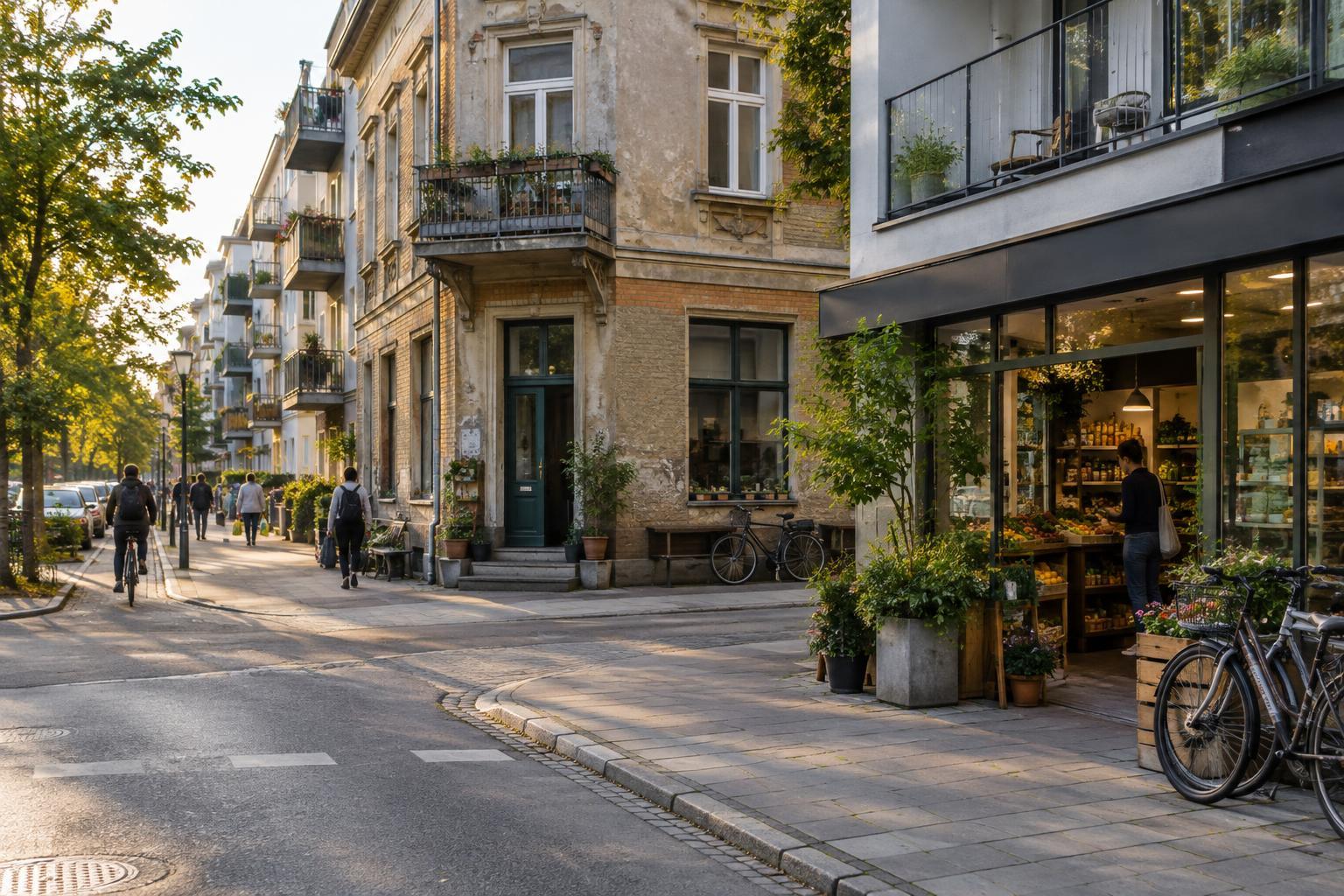
Begin with details a reader could recognize on a walk: the kinds of buildings, how ground floors are used, where people pause, and what remains open at different times of day. Is a street lined with small shopfronts, front steps, workshops or apartment entrances? Do signs appear in several languages? These observations give a neighborhood texture without forcing it into a single story.
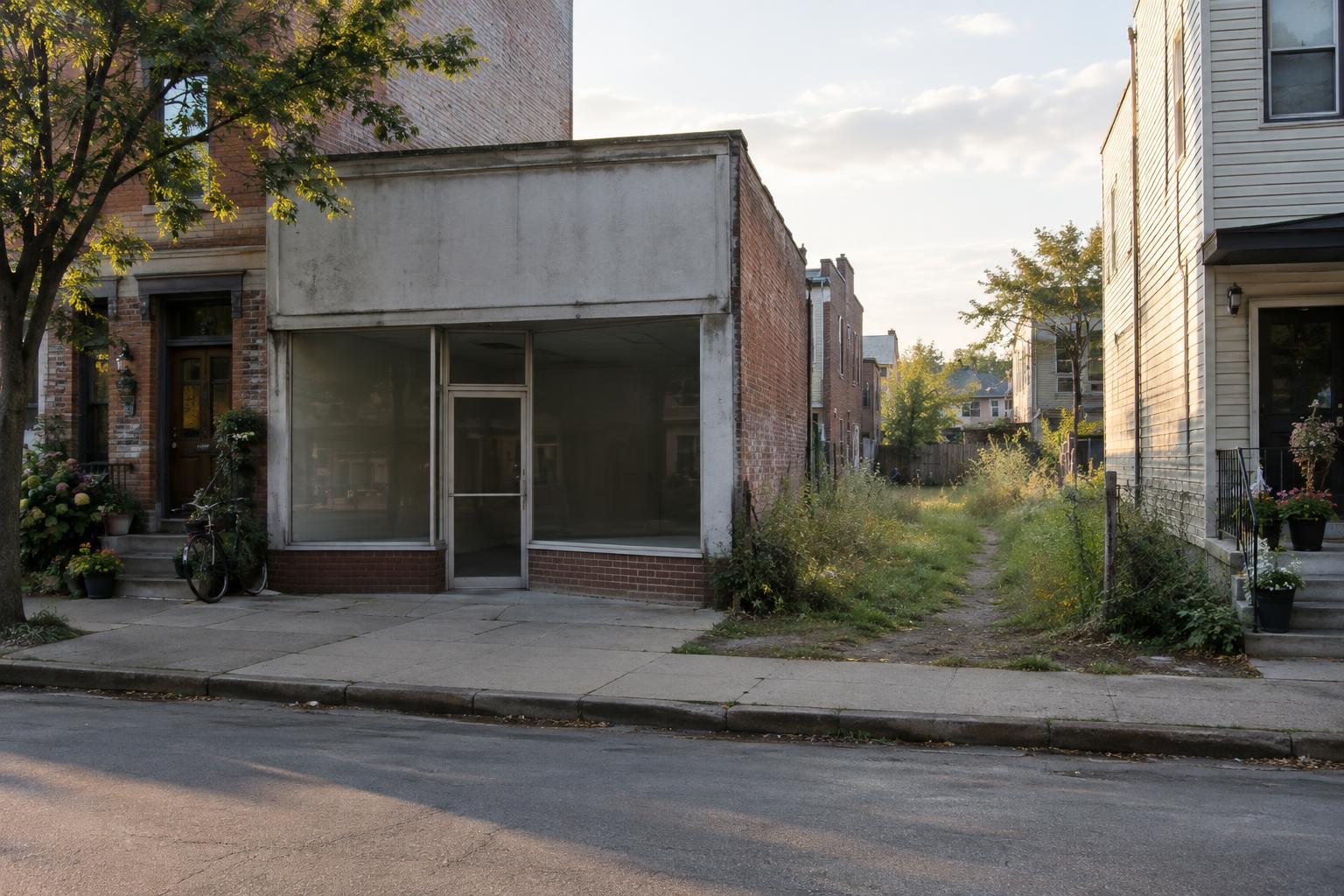
Keep observation separate from interpretation. You might see an older shop next to a recently opened restaurant, but that view alone cannot tell you whether rents are rising or how neighbors feel about the restaurant. If you cannot establish those things, say what is visible and stop there. A precise sentence about two adjacent storefronts tells readers more than an unsupported claim that the whole area is transforming.
Make room for continuity
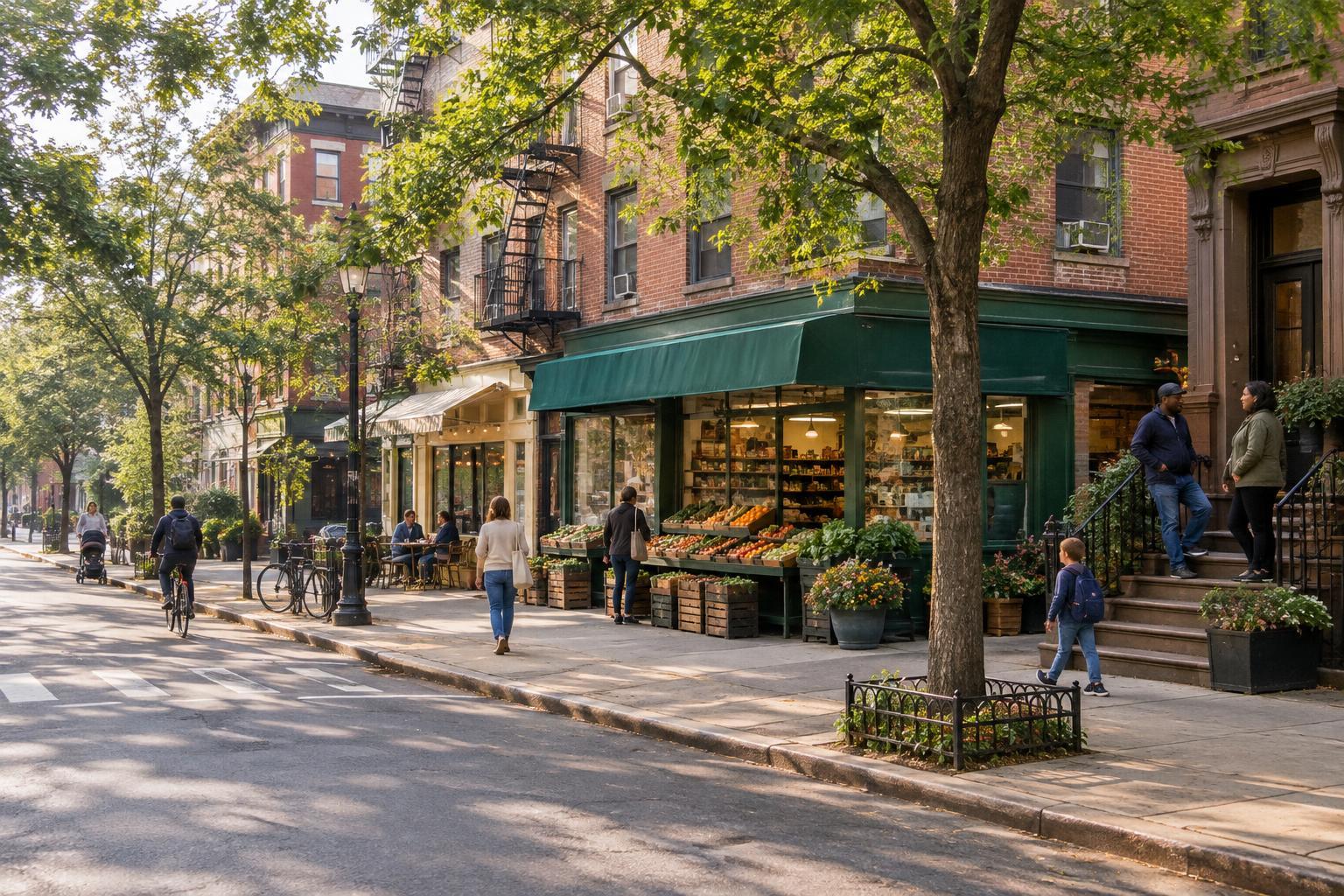
New openings attract attention partly because they are easy to spot. Continuity takes more patience. Look for places that serve ordinary needs: a grocery, a place of worship, a community noticeboard, a laundromat or a small park used for daily routines. An unremarkable-looking building may hold several generations of memory, while a quiet side street may reveal how people move through the area when they are not sightseeing.
Avoid calling a place a “hidden gem” simply because it is new to you. The phrase can imply that local life only becomes visible when a visitor discovers it. Instead, explain your point of view: perhaps you had walked past a courtyard before noticing its entrances, or followed a row of older shop signs away from a busy avenue. This keeps the discovery in your experience rather than assigning it to the neighborhood.
Use local voices without asking one person to represent everyone
If you speak with someone who lives or works in the area, ask open questions about specific places. What has this storefront been used for? Which corner matters to their daily routine? What would they want a visitor to notice? Let people describe what they know, and be clear about whether a detail is their recollection or something you observed yourself.
One conversation cannot settle what a neighborhood thinks about change. People may welcome a new public space while worrying about who can afford to stay nearby; others may have different priorities altogether. When you cannot speak with residents, resist filling the gap with a collective voice. You can still write a useful piece by keeping its scope modest and saying less about what change means than about what a visitor can see and do respectfully.
Give readers a way to visit without treating the area as a discovery
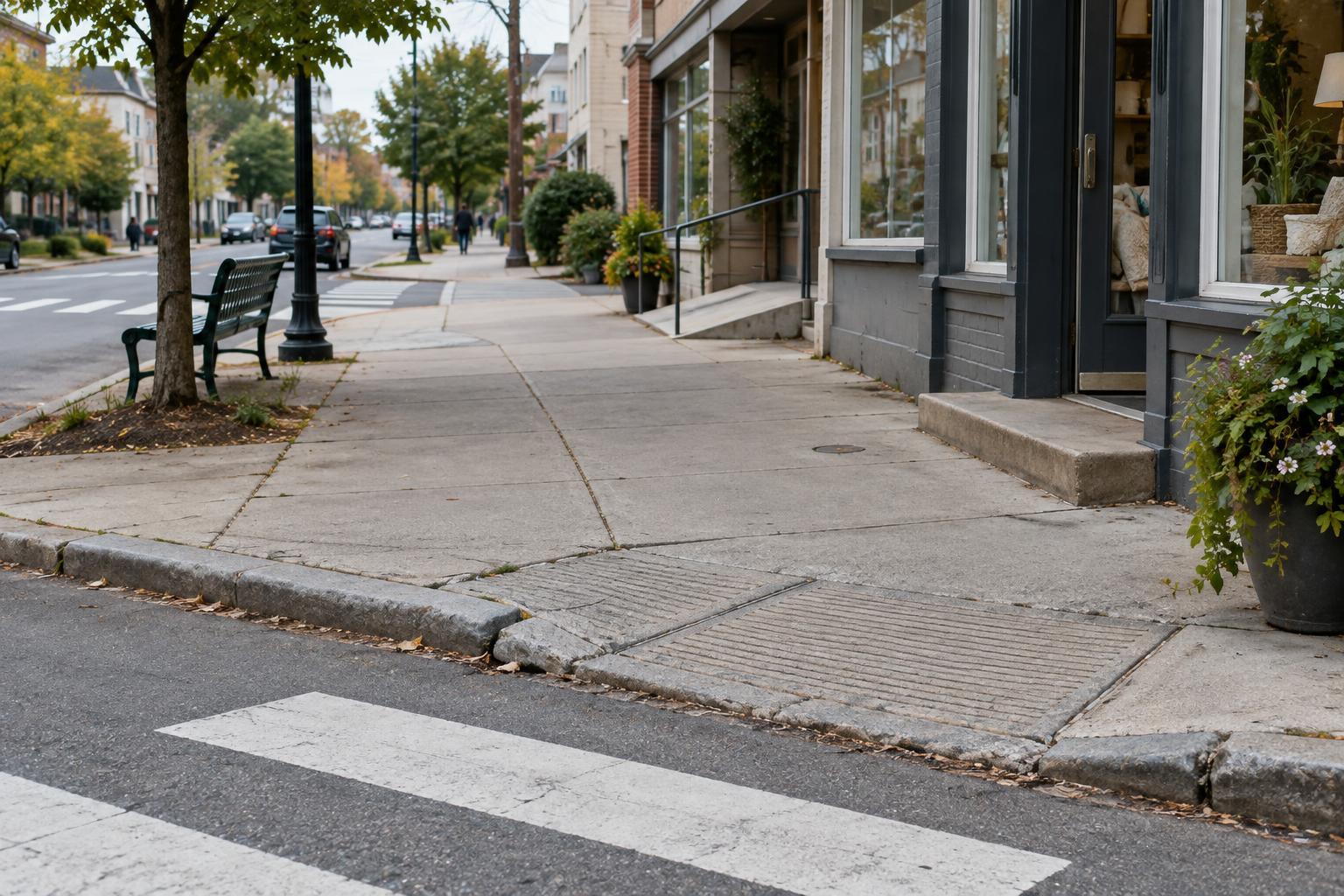
Practical guidance can reflect the same care as your descriptions. Suggest a walking route that uses public paths, note when a business is an appropriate place to enter, and distinguish public spaces from residential courtyards or doorways. Encourage readers to check opening hours rather than assuming a small museum or independent shop will be open. If photography is part of the visit, remind them that people going about their day are not scenery.
Before publishing, reread each sentence that calls a place “emerging,” “gritty” or “authentic.” Ask whether it names a concrete feature, suggests a judgment about residents, or presents your first visit as the neighborhood’s beginning. Replace broad labels with particular streetscapes, uses and limits to what you know. The result may be less dramatic than a story of sudden discovery, but it offers something more valuable: a neighborhood described as a place people already inhabit.