Start with one small question
A self-guided walk does not need to cover everything a neighborhood has to offer. Give it a modest theme: the ways older buildings meet newer ones, the places where people gather, or the small details that make an ordinary street distinctive. A question gives you something to look for without turning the walk into a checklist. It also makes a shorter route feel complete.
Choose a starting point you can reach easily and an endpoint with a straightforward way home. Between them, pick a few public places or streets you would like to see, then sketch a route with room to wander. Check opening hours if a museum, market or other indoor stop matters to your plan. Treat anything that could be closed as a bonus, not the only reason the walk works.
Keep the route shorter than you think
Walking through a place attentively takes longer than crossing it. You may stop to read a sign, look at a shopfront or wait for a safe crossing. Begin with a distance that feels comfortably below your usual limit, especially if the ground, weather or crowds are unfamiliar. A route with fewer turns is also easier to follow when you are tired or distracted.
Look at the whole route before leaving, not just the points you hope to visit. A map can help you spot steep streets, major roads or stretches with few places to pause, but it may not show every obstacle. If step-free access, seating or a public toilet is essential, check those details where possible and leave room to adjust on arrival. A loop can bring you back to your starting point; a one-way route can work just as well if its endpoint has dependable onward transport.
Plan breaks that do not depend on buying anything
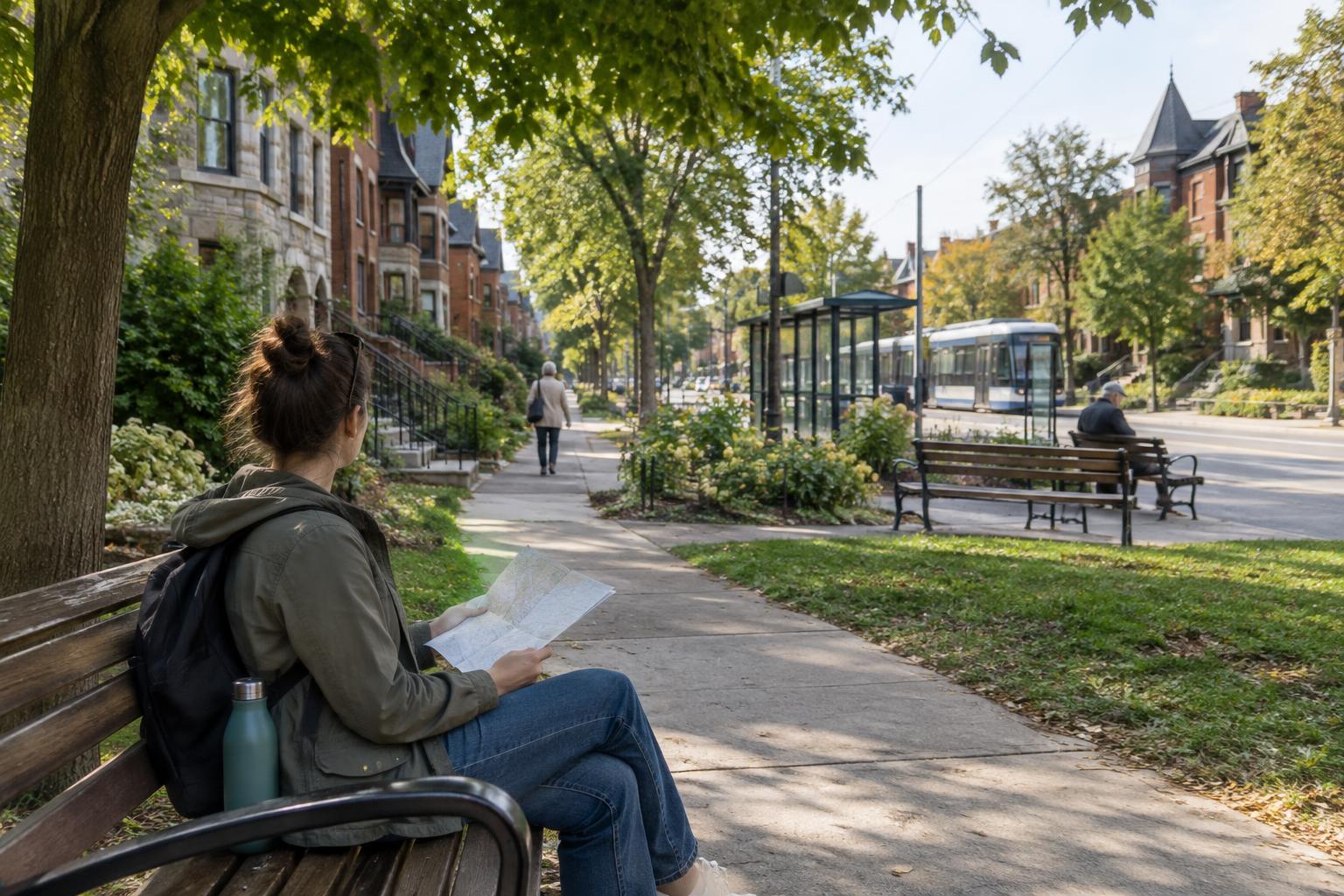
Mark a possible rest stop near the start, one around the middle and another near the end. Public benches, parks, libraries and other welcoming public spaces may offer a place to pause, though access and facilities vary. Note a second option for each important break. A café can be pleasant, but a seat that requires a purchase is less flexible if you need to stop sooner than expected.
Think about what a useful break means for you or your companions. Shade, shelter, a toilet, a quiet corner or simply somewhere to stand away from foot traffic can matter more than a scenic view. Carry what you reasonably need for the conditions, and make pauses part of the plan rather than a reward for reaching the next sight. Resting often gives you more time to notice everyday architecture and street life.
Give yourself several ways to finish
An exit plan is a set of easy choices, not a prediction that something will go wrong. Identify one or two points where you can shorten the walk and head toward a familiar street, transit stop or suitable pickup point. Check how you would get home from those points before you set out. If you rely on a phone for directions, consider saving the route for offline use and noting the key street names separately.
Decide what would make you switch plans: fading daylight, uncomfortable weather, fatigue or a route that feels less accessible than expected. You do not have to reach the intended endpoint for the walk to count. If a street is closed or a shortcut feels unsuitable, return by a known route instead of forcing a new one. Let someone know your general plan if that helps you feel more comfortable walking alone.
Leave room for the place and its people
Once the practical pieces are in place, follow your curiosity at a humane pace. Pause where you are not blocking a doorway or pavement, and notice details visible from public space: repaired brickwork, changing window shapes, a community noticeboard or the way a square is used. Be considerate when taking photographs, especially near homes, schools or people going about their day.
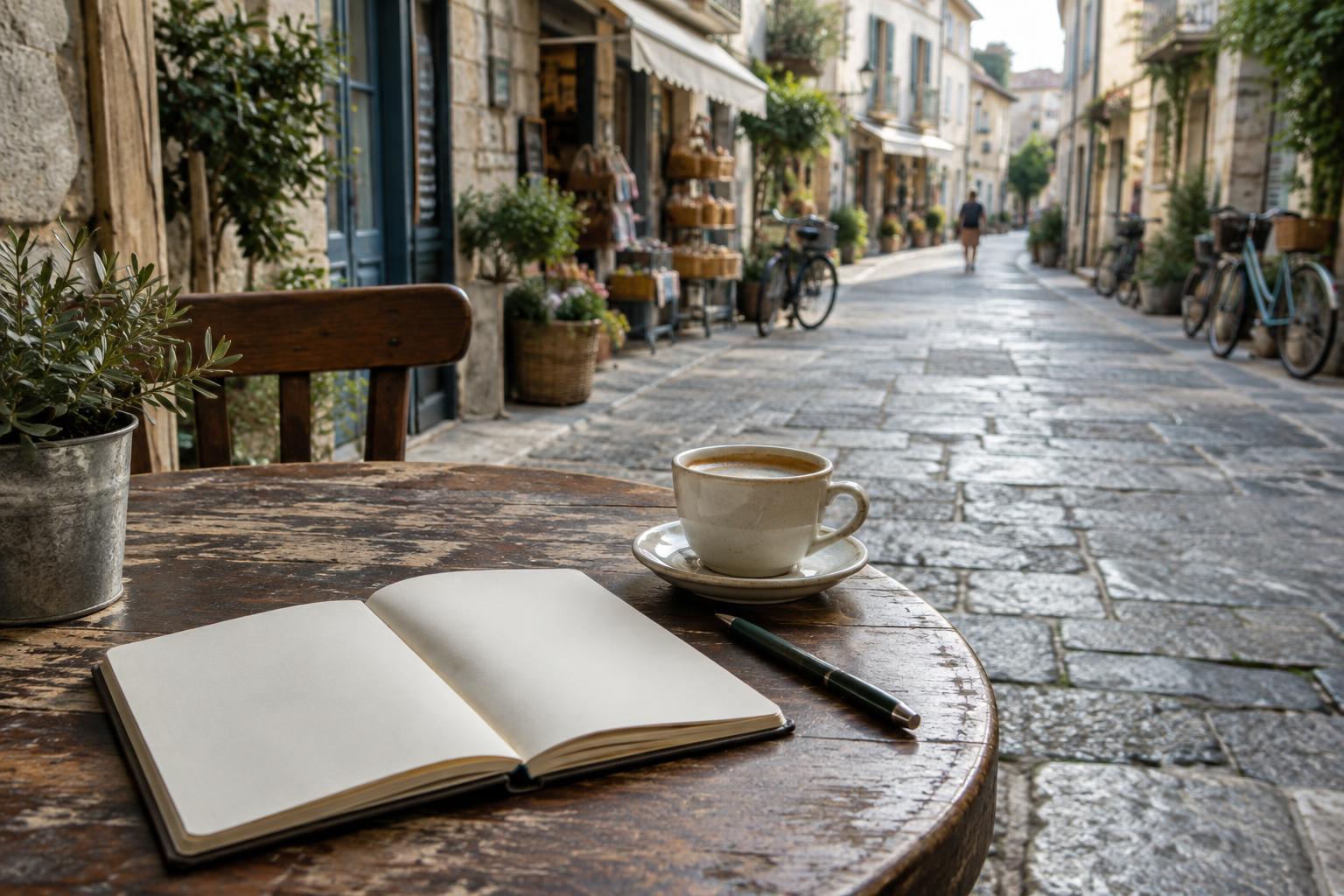
At the end, jot down what held your attention and what you would change about the route. Perhaps a quiet side street deserved more time, or a planned rest stop was not useful. These notes make a future walk easier to design. The aim is not to master a neighborhood in an afternoon, but to leave with a sharper sense of its everyday character and the freedom to return.