Start with a different question
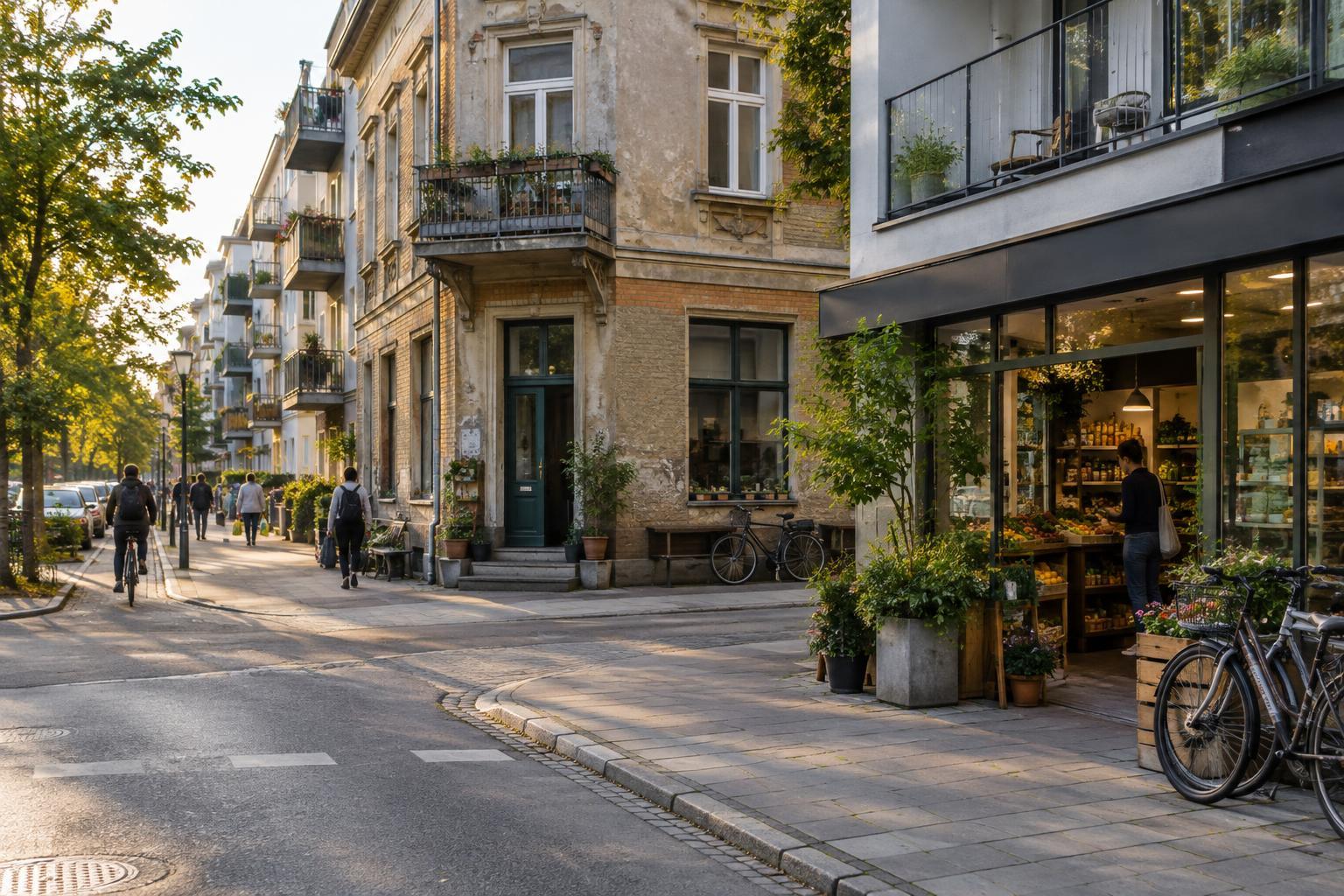
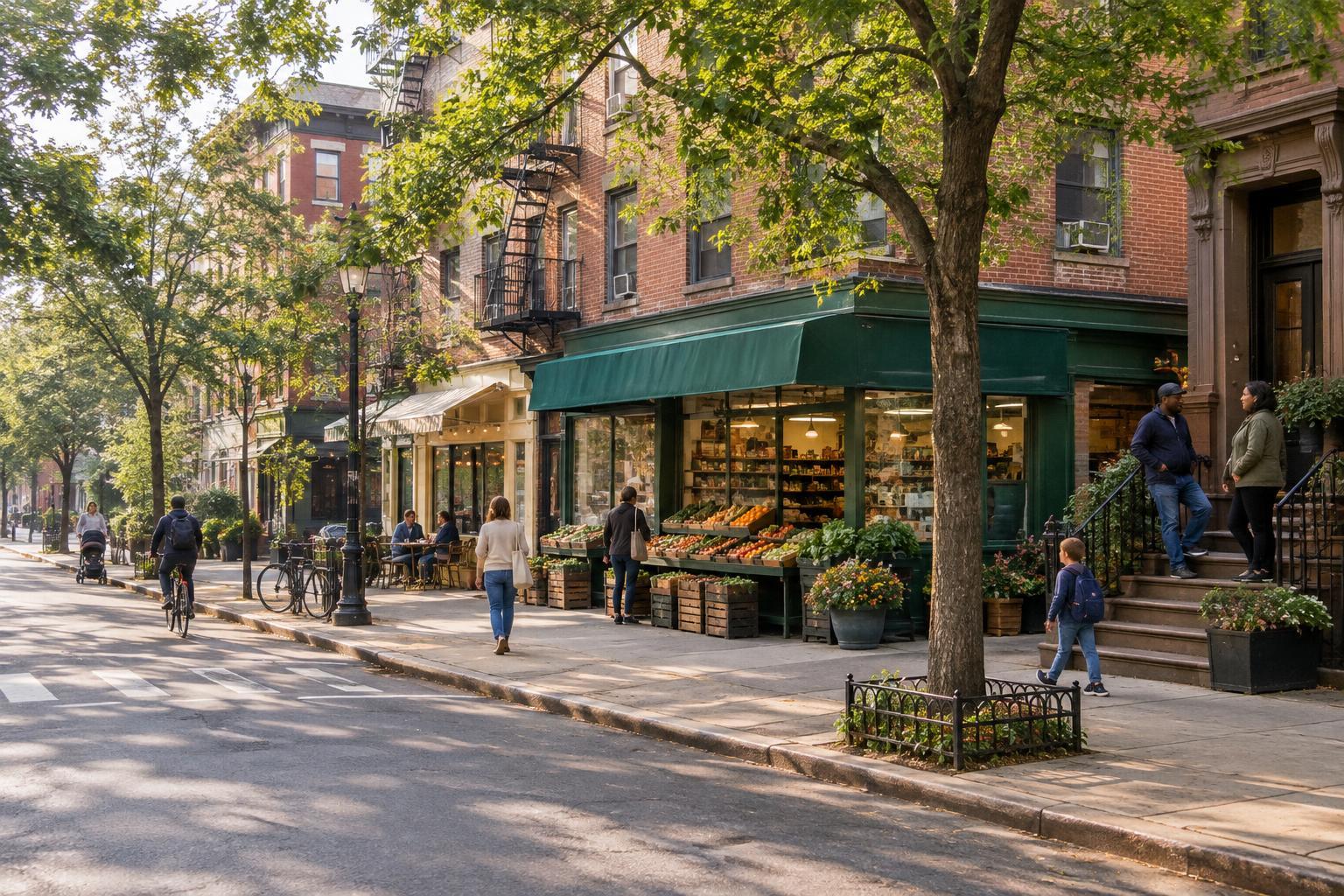
It is easy to arrive in an unfamiliar neighborhood asking, “What should I see?” A more useful question is, “How does this place work for the people who live here?” That shift changes what you notice. A corner shop, a shaded bus stop or a row of repaired front steps can tell you something about daily life without asking anyone to perform it for you.
Before setting out, look for a public starting point: a library, a market, a park or a main commercial street. A locally produced walking guide, where one exists, can offer context and help you distinguish public places from private ones. Leave room to wander, but do not assume that a neighborhood’s quieter residential blocks are an invitation to inspect its homes. Curiosity is compatible with restraint.
Read the street, not the front window
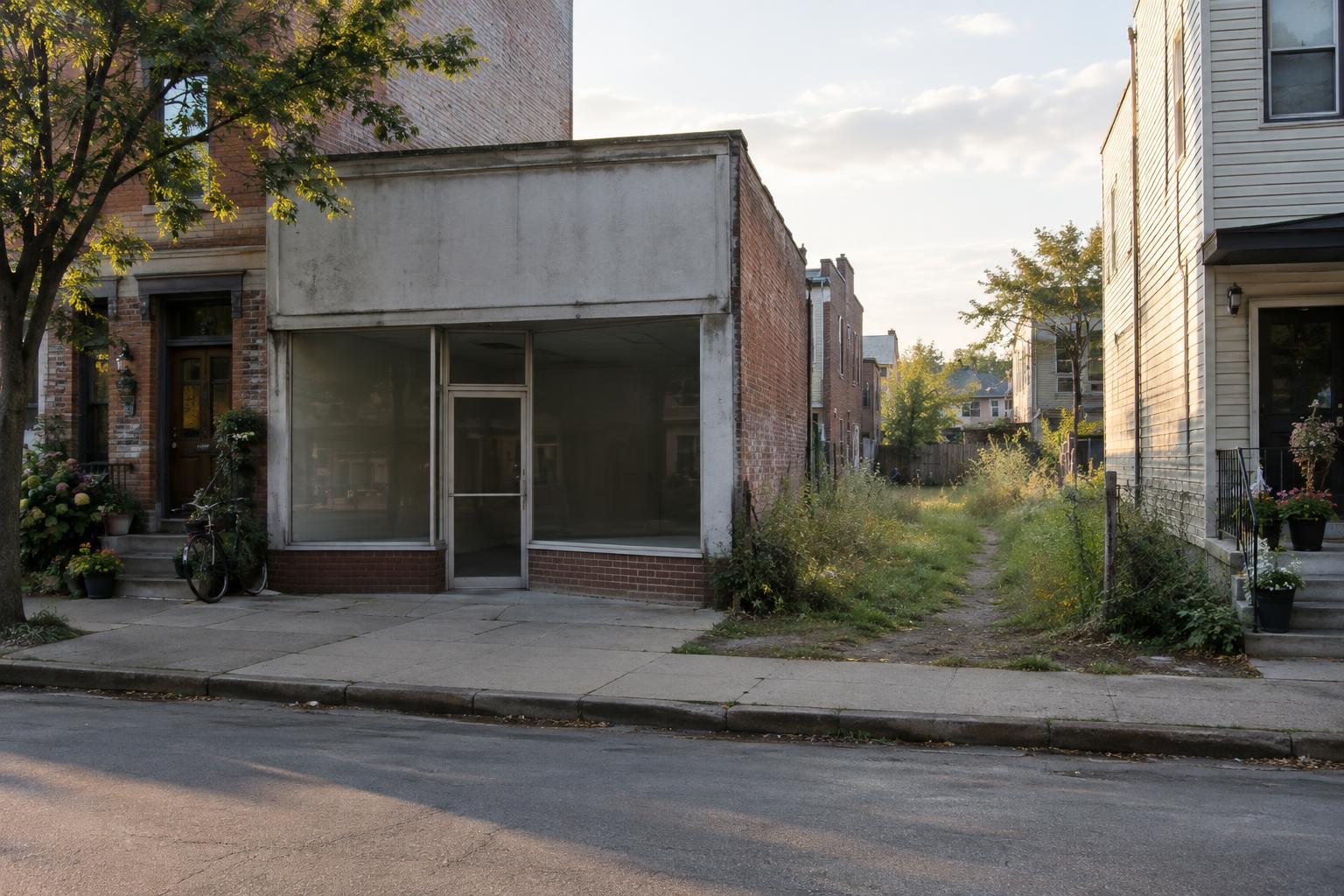
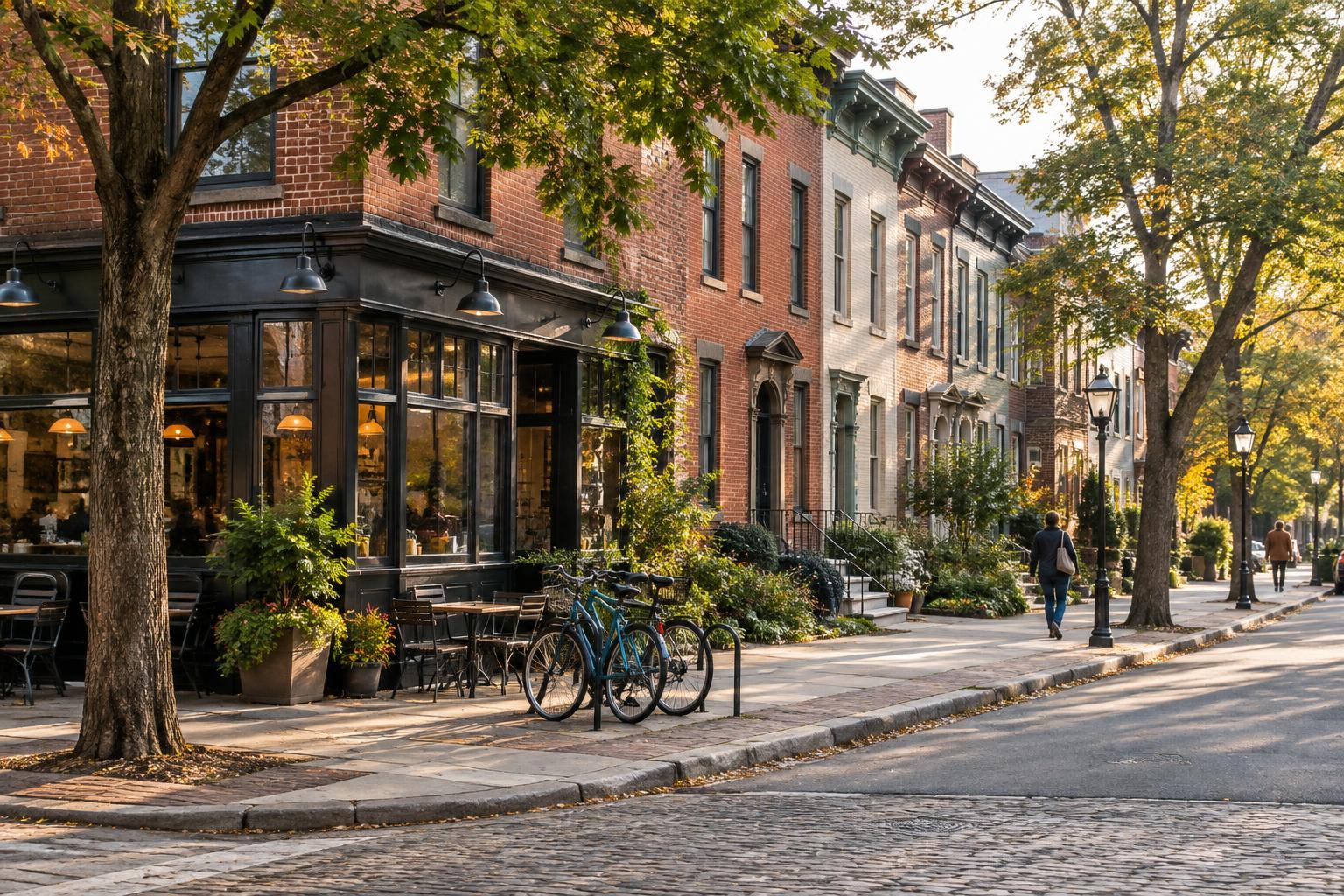
Everyday architecture rewards a slower look. Notice how building entrances meet the sidewalk, where trees provide shade, how older structures sit beside newer ones, and which spaces bring neighbors together. These details can be appreciated from public paths without peering through windows, stepping onto porches or blocking a doorway for a better view.
A useful boundary is to ask whether your attention would feel comfortable if you were on the other side of it. A quick glance at a decorative gate is different from lingering outside someone’s home. If a lane, courtyard or stairway looks accessible but its status is unclear, choose another route. An open gate is not necessarily an invitation, and a narrow sidewalk still needs to serve people going about their day.
Treat photography as a choice, not a reflex
A photograph can preserve an interesting sign, roofline or streetscape. It can also make a resident feel watched. Before lifting your camera, check what else will be in the frame: faces, children, open windows, house numbers or someone entering their home. When people are central to the image, ask permission rather than relying on distance or a zoom lens. Accept a no without negotiation.
You do not need to document every discovery. Try describing a detail in a notebook or taking a wider photograph of a public street when it is clear of identifiable people. If a scene is compelling chiefly because it reveals someone’s private routine, let it pass. Sharing images deserves the same care as taking them; consider whether a caption or precise location would send unwanted attention to a residential doorstep.
Participate without making demands
Neighborhood businesses and public institutions can offer natural points of contact. Buy something if you want it, read the notices at a community center that welcomes visitors, or visit a small museum during its posted hours. Be mindful that a shop is also a workplace: staff may be busy, and a purchase does not entitle you to an interview or a personal history of the area.
Follow the ordinary rhythm of the place. Keep entrances clear, yield space on narrow paths and follow posted rules in parks and shared courtyards. If an event is advertised as open to the public, attend on its terms rather than treating it as a backdrop. These habits may seem small, but they help make your visit less disruptive.
Let the visit change what you value
Some of the most memorable neighborhood walks do not end at a hidden landmark. They leave you with a better sense of how public space is used: a bench positioned for conversation, a well-worn shortcut or several kinds of storefront sharing one block. You can appreciate those patterns without claiming to understand a community from a single afternoon.
Afterward, be careful about the story you tell. Avoid presenting a residential street as an untouched discovery or implying that its value began when you noticed it. Name public places you enjoyed, credit any guide or institution that helped you learn, and keep private homes out of your recommendations. The aim is not to see less. It is to look more carefully while leaving residents room to live their lives.