Start with the neighborhood, not an event calendar
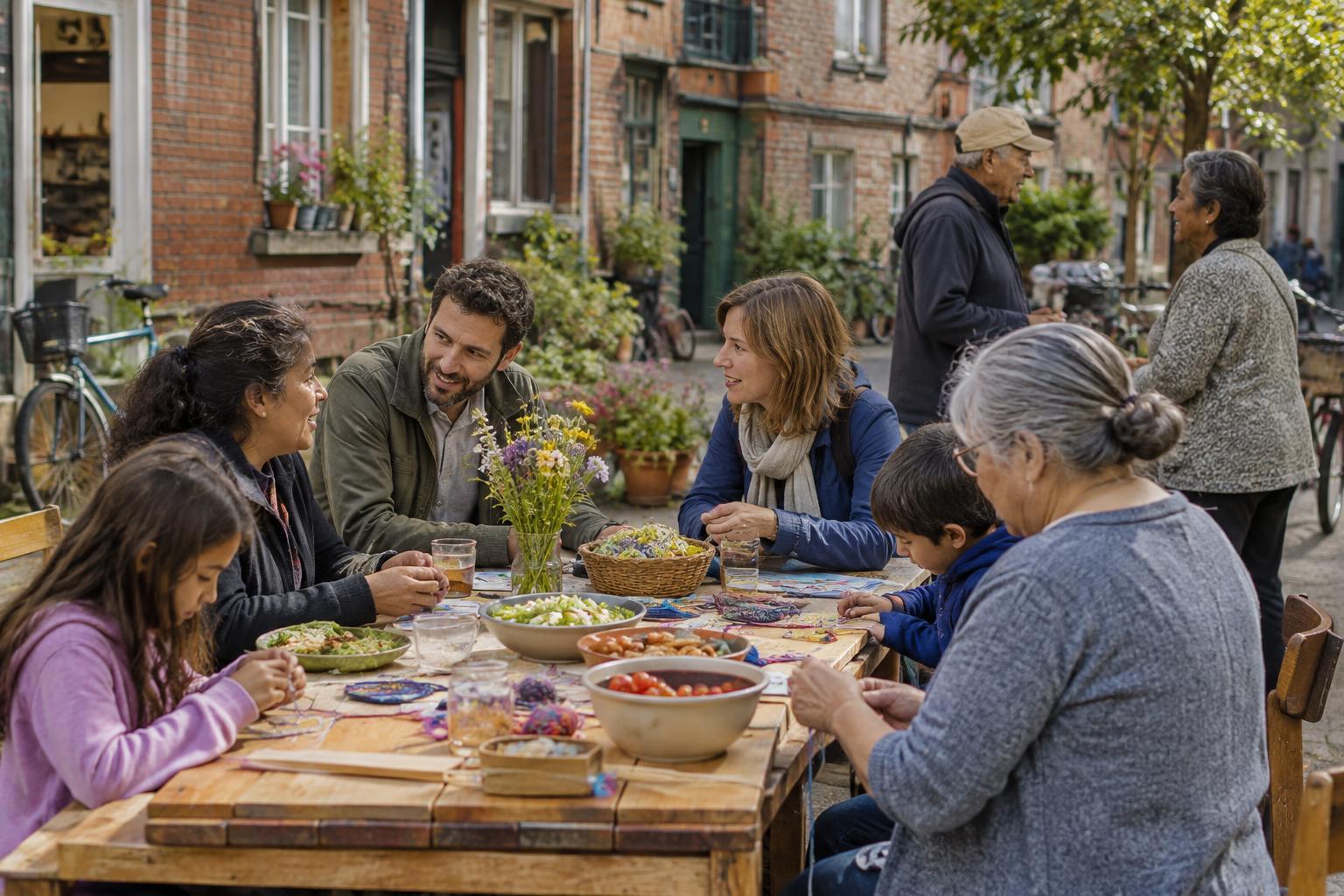
A neighborhood walk becomes more memorable when you notice what residents choose to do together: a street fair, a library talk, a community garden open day or a small exhibition in a shared space. These events can reveal interests and traditions that a list of landmarks misses. They are also gatherings with their own purpose, not performances arranged for travelers.
Begin by choosing an area you want to explore, then look for its neighborhood association, library, cultural center, market or community-run venue. Their noticeboards and event pages may be more useful than a citywide list, which can favor larger attractions. If you are already nearby, check posters in shop windows and public spaces. Note the organizer’s name so you can confirm details through their own listing rather than relying on an old poster or a copied announcement.
Read the invitation closely
An event being visible online does not necessarily mean anyone can attend. Look for clear wording such as “open to the public,” visitor registration information, a ticket link or instructions for first-time participants. Check the location, start time, cost, accessibility details and whether advance booking is required. A workshop may have limited places even when a festival in the same venue is open for drop-ins.
Also pay attention to whom the event is intended to serve. A residents’ meeting, support group, school activity or cultural gathering may appear on a public calendar while still being meant primarily for its members. If the description is unclear, ask the organizer a brief question: “I’m visiting the neighborhood. Is this event open to visitors who are not members?” Accept a no, or no response, without pressing for an exception.
Choose a role that fits the gathering
Some events invite you to browse, listen or watch; others ask attendees to contribute. At a talk, arriving on time and listening may be enough. At a cleanup or garden workday, read the volunteer instructions before showing up, including any age limits or equipment needs. If you want to help, take direction from the people organizing the work rather than choosing your own project.
Consider how your visit affects a small event. A modest room can fill quickly, and free refreshments or supplies may have been planned for regular participants. Register when asked, pay the stated fee if there is one and leave room for others to take part. If you enjoy an event, supporting the host in a way they suggest—such as buying a ticket or returning as a volunteer—can be more useful than treating attendance as a one-time discovery.
Be curious without making people an exhibit
Community events are good places to learn, but conversation should be mutual and optional. Ask ordinary, specific questions about the activity when someone has time to talk. Avoid asking a person to speak for an entire neighborhood or explain a tradition on demand. If a gathering includes a performance, ceremony or discussion that you do not understand, follow the host’s guidance and observe before joining in.
Be especially careful with photographs. A public venue is not blanket permission to photograph attendees, children, displays or activities. Check posted rules and ask before taking a close-up or sharing an image. Sometimes the best way to remember an event is to jot down a detail afterward: the layout of a community hall, the subject of a talk or the way neighbors used a shared courtyard.
Leave space for the neighborhood beyond the event
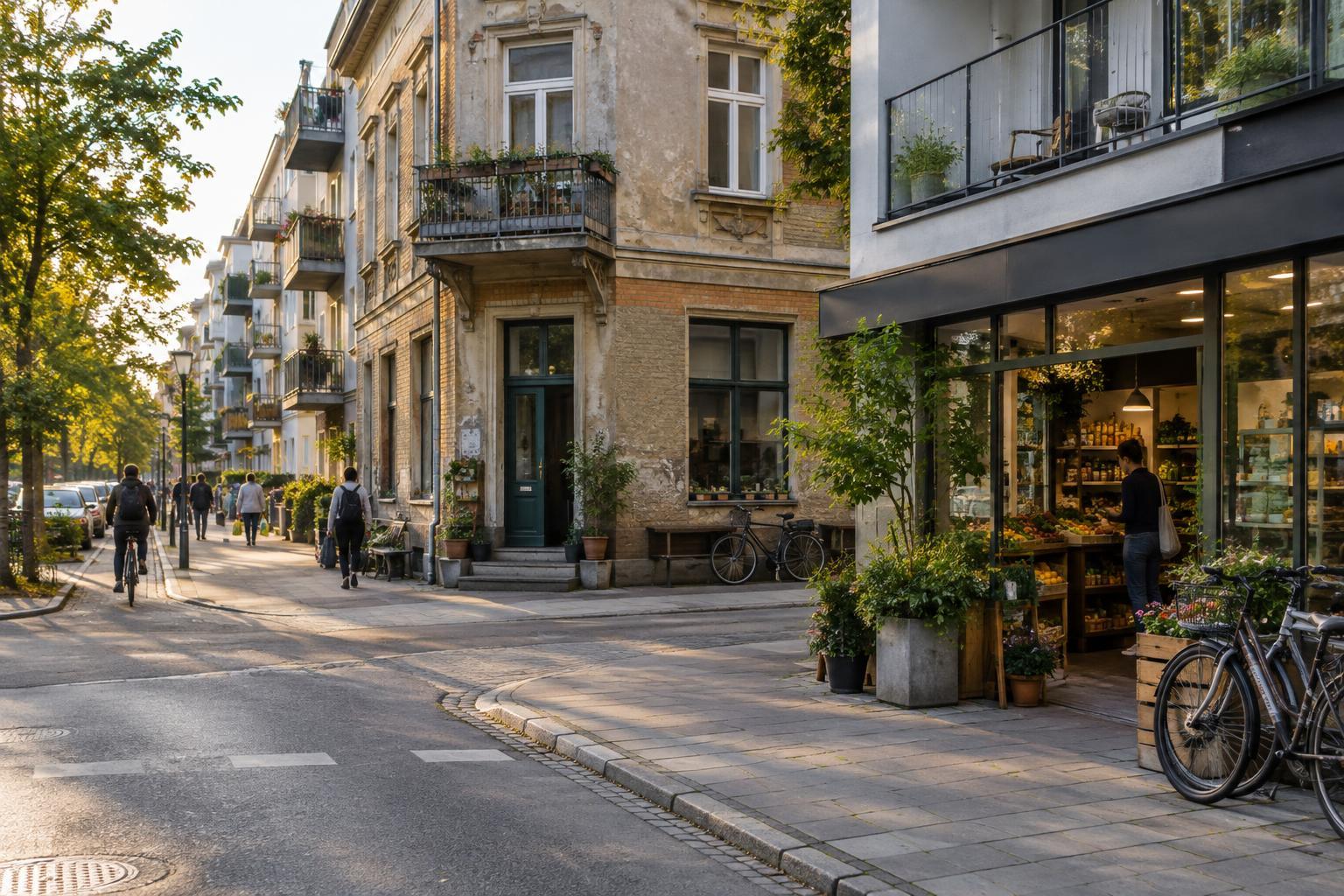
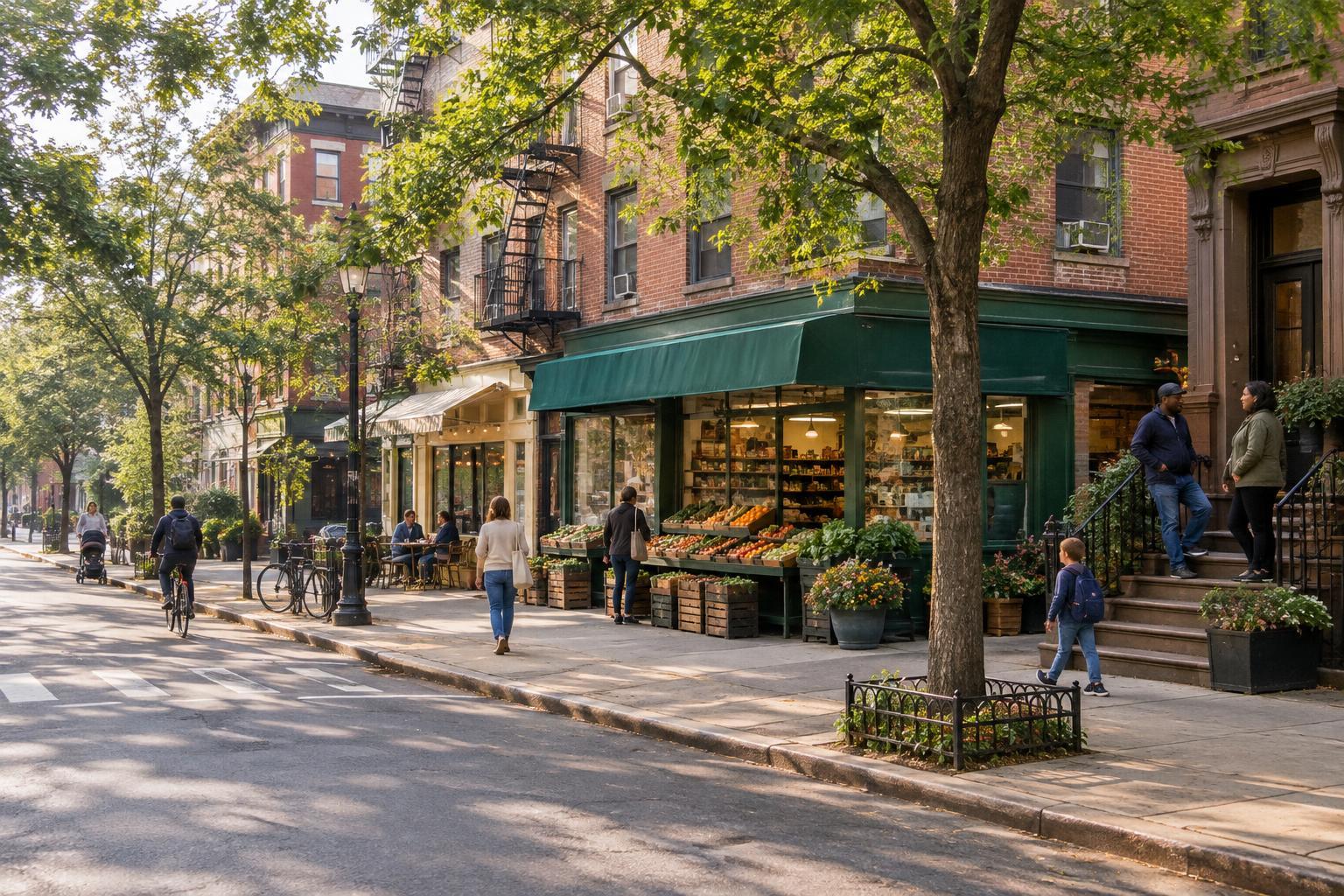
An event can be a starting point for a slower visit. Walk the surrounding streets before or afterward, notice the buildings that house local services and stop at businesses that appear to welcome passing customers. Keep entrances, sidewalks and residential doorways clear, especially when an event brings a crowd to a normally quiet block.
Plans can change, so check the organizer’s latest information before you travel and have an alternative in mind. If an event is full, private or canceled, the visit need not be wasted. A library, small museum or independent café may give you another way to spend time in the area. Finding a welcome means paying attention to boundaries as well as invitations—and letting the neighborhood remain a place where people live, not just somewhere you have come to explore.