Start with the place, not the museum
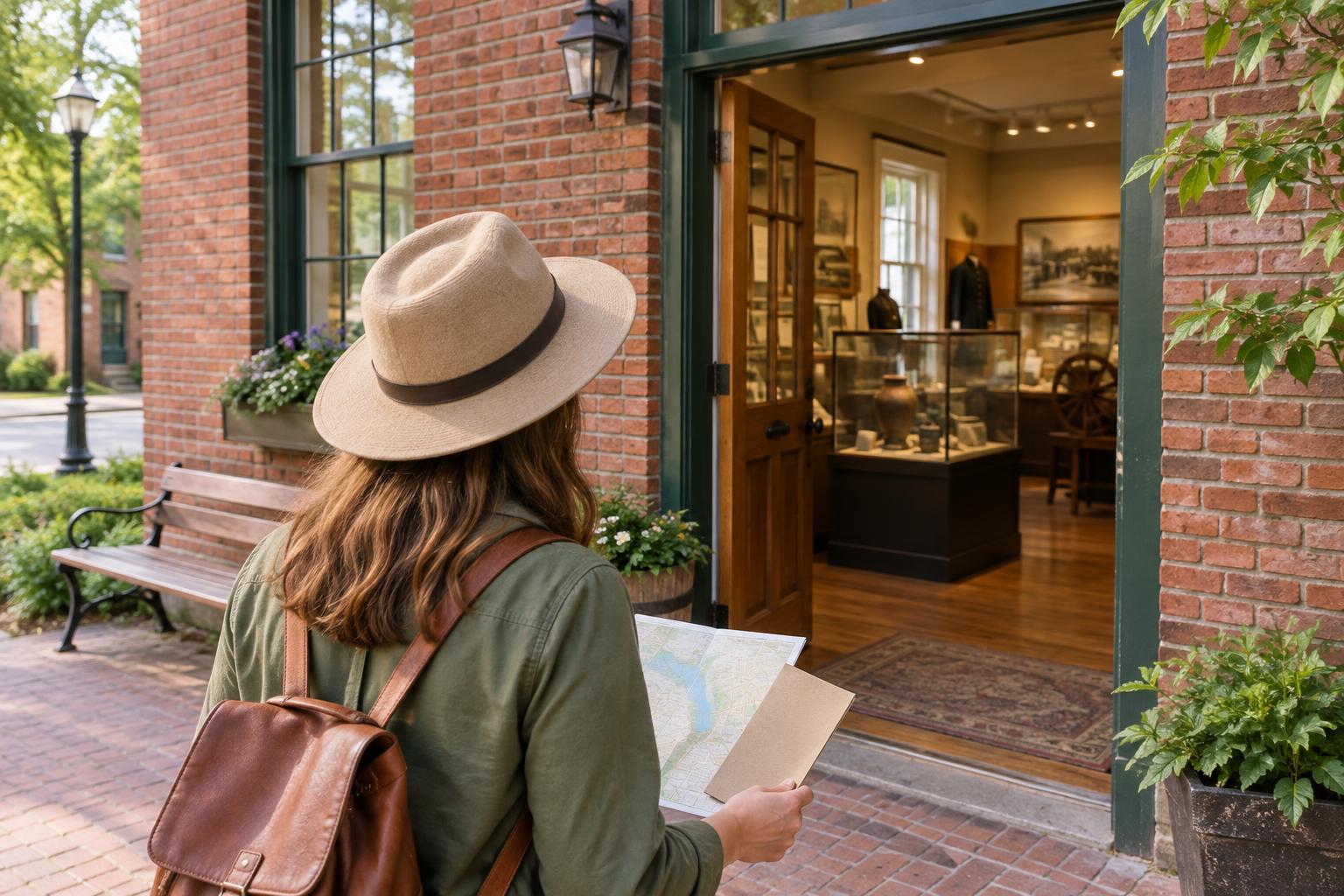
A broad search for museums in a city often favors large institutions. To find smaller collections, narrow the place first: a neighborhood, town, county or region along your route. Then look for its municipal culture page, visitor directory, library guide or local heritage organization. These listings may include places that do not appear prominently in general travel results.
Try several terms rather than relying on “museum” alone. A small institution might call itself a heritage center, local history room, house museum, railway collection or interpretation center. If you have a particular interest, combine it with the place name: textiles, fishing, printing, migration or everyday domestic life, for example. This approach can reveal a collection whose subject matters more to you than its size.
Use directories as starting points
A local directory is most useful as a map of possibilities, not a final itinerary. Scan the whole list, including entries outside the main visitor district. Note each museum’s name, location and stated focus. A short description of a collection can tell you more than a ranking or a photograph of its building.
Pay attention to who maintains the directory. A town website may be strong on nearby institutions, while a regional visitor guide may help you connect several stops. Library and archive guides can be particularly useful when your interest crosses into local history. No single directory is likely to be complete, so compare two or three when planning a trip.
Listings can also be out of date. Follow the directory entry to the museum’s own page when one exists, and check the address, opening arrangements and admission details there. If the information is unclear, keep the museum on your list but avoid building a tight schedule around it until you can confirm a visit.
Follow museum networks sideways
Museum networks connect institutions by region, subject or shared work. Their member lists can lead you beyond the best-known museum in an area. Look for a regional museum association, a group devoted to industrial heritage, or a network of historic houses and community collections. A museum you already know may link to its partners or nearby organizations.
Explore a network sideways rather than simply scrolling for the closest result. If one small museum catches your attention, look at other members with related subjects. A collection about a local trade, for instance, may point toward another place that explains the workers, transport or buildings connected to it. These links can help you shape a more coherent visit without assuming every member offers the same experience.
Networks may include sites with limited public access as well as regularly open museums. Read each institution’s visitor information separately. Membership is a useful discovery clue, not a guarantee of opening hours, facilities or the kind of collection on display.
Check the practical details before you go
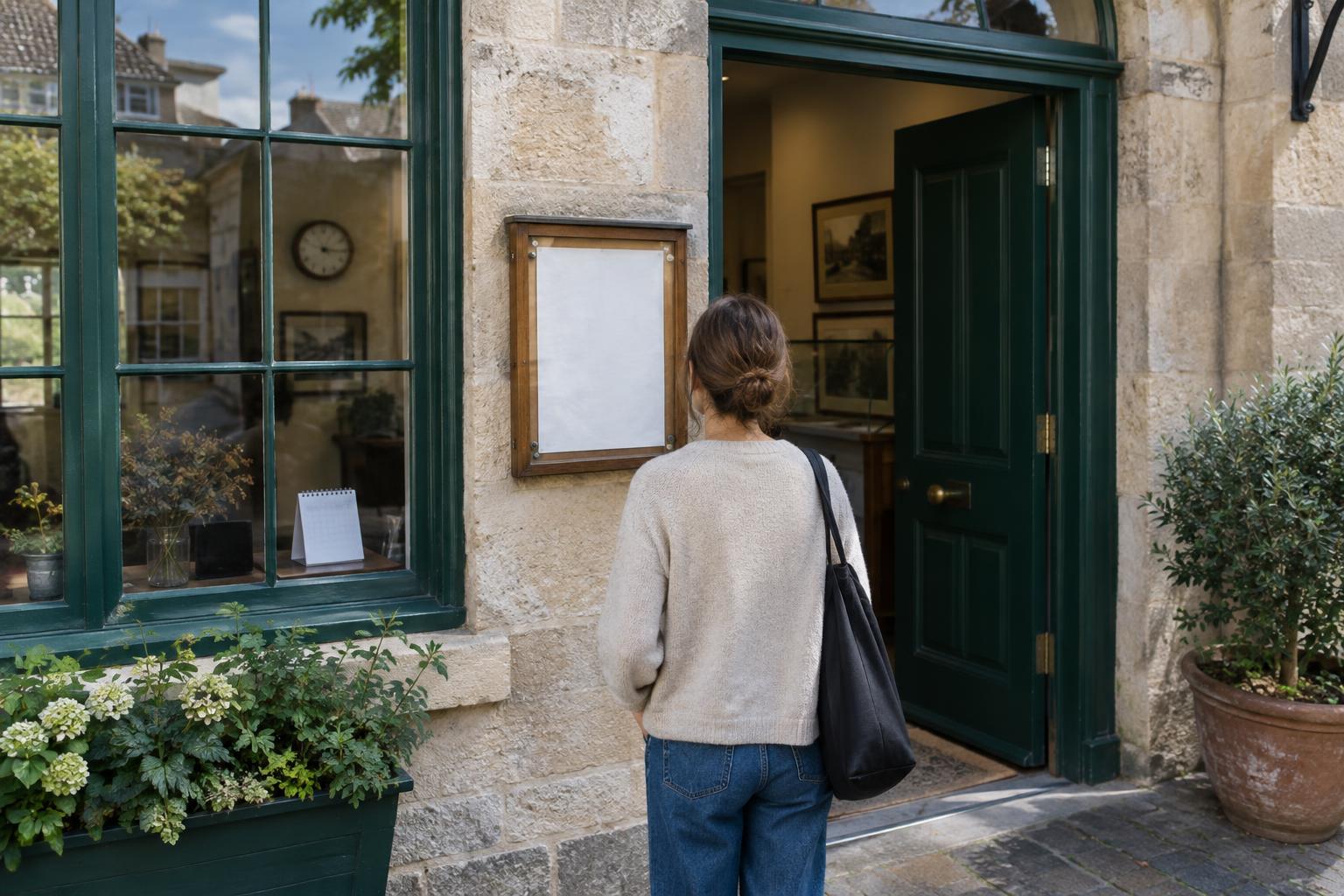
Small museums may operate with limited staff, volunteers or shared spaces. Before traveling, confirm whether visits are drop-in, seasonal or by appointment. Check the location carefully: a collection might be inside a library, historic building or community center rather than in a stand-alone museum. If you have access needs, ask about entrances, seating or other requirements instead of guessing from photographs.
Leave room in your plans for uncertainty. A brief phone call or message can clarify whether an exhibition is available and how long a visit typically takes, but replies may not be immediate. If you cannot confirm the details, pair the museum with a flexible walk or another nearby stop. That way, a closed door need not define the day.
Visit with curiosity and care
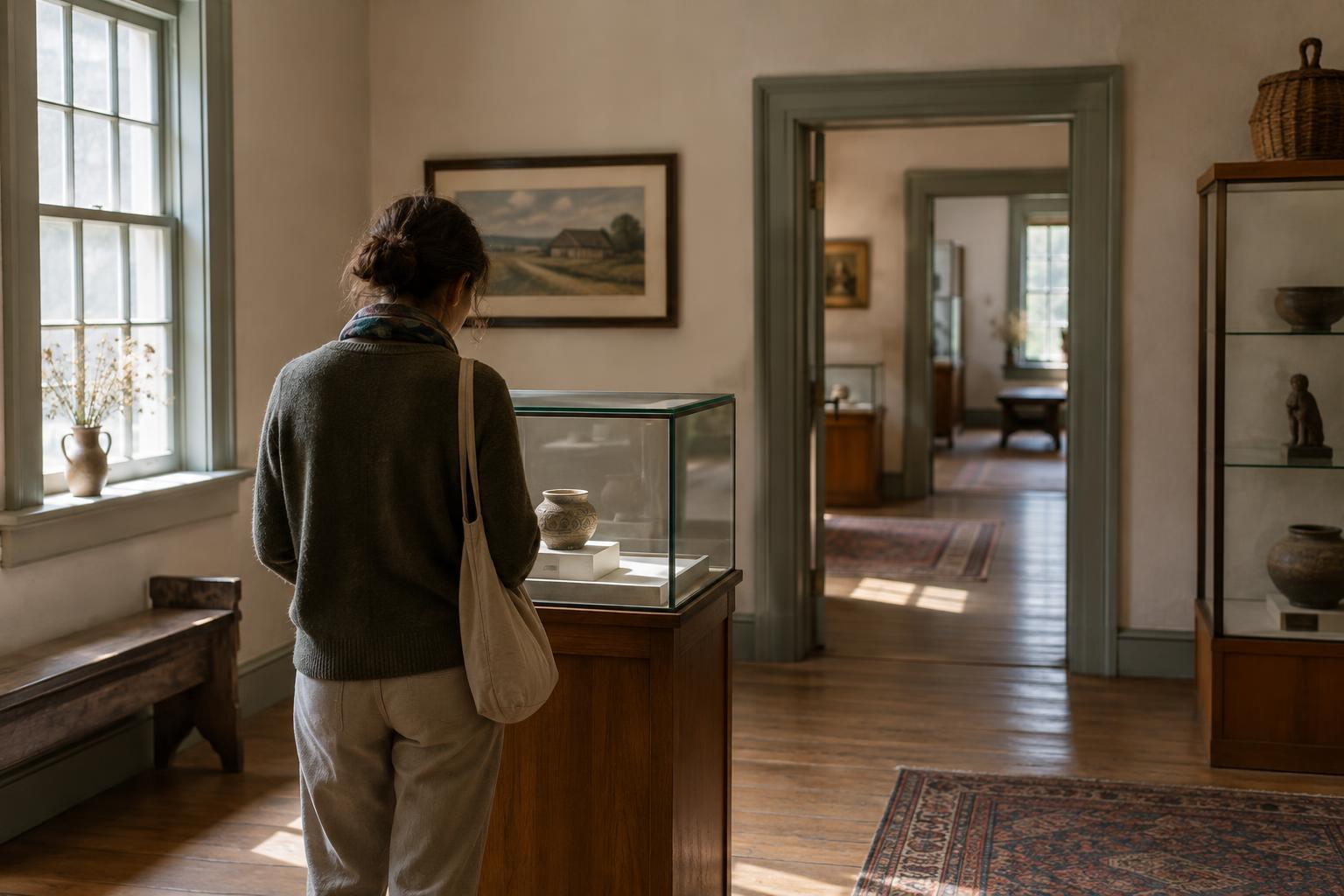
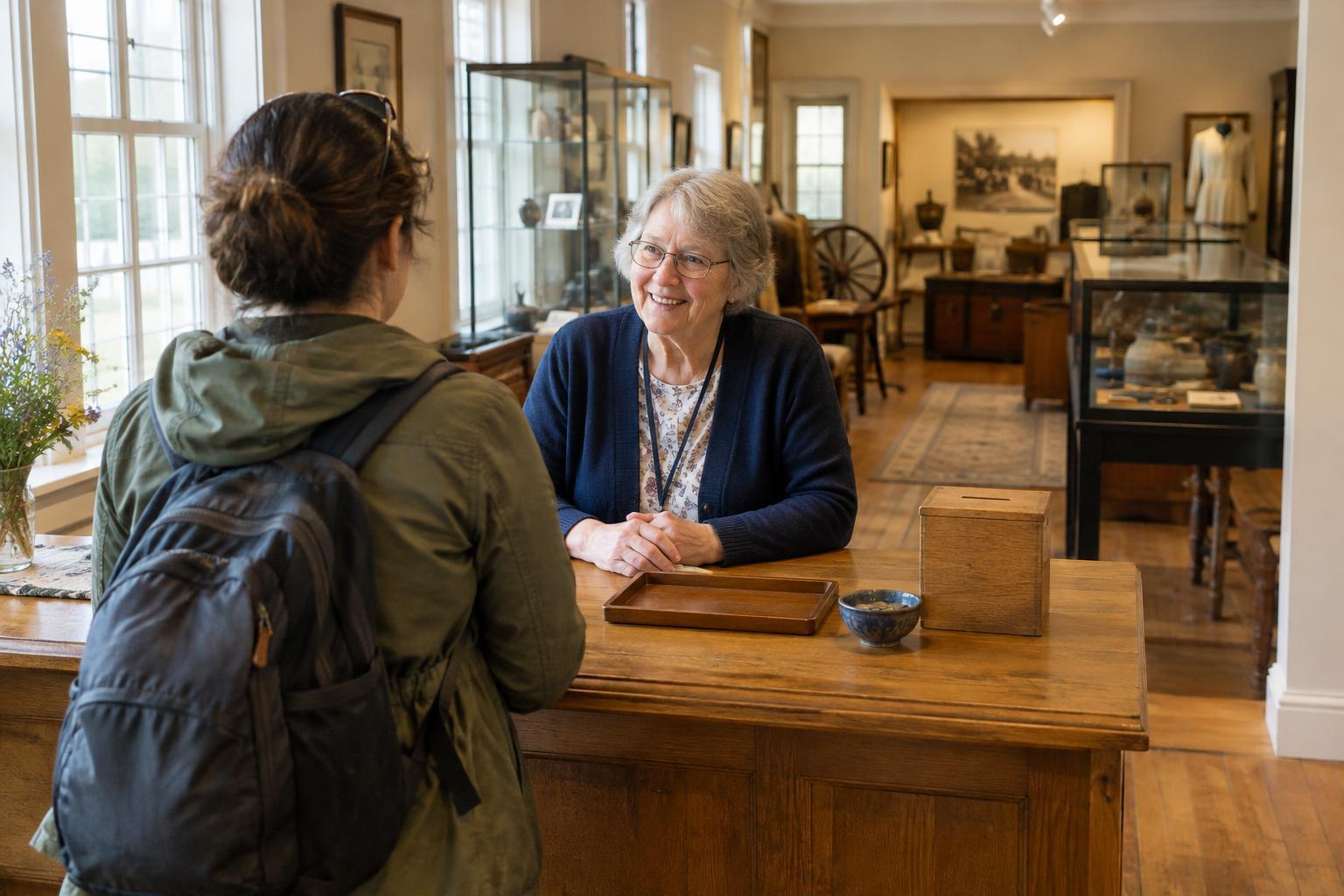
A small museum’s value is often in its specific perspective: the objects it has kept, the stories it chooses to tell and its connection to the surrounding place. Arrive ready to read labels and ask thoughtful questions if someone is available. Avoid treating staff or volunteers as an unlimited source of local knowledge, especially when they are helping other visitors.
Observe photography rules, stay within public areas and handle objects only when invited. If the museum suggests a walk through the neighborhood, remember that nearby homes and workplaces are not exhibits. Afterward, you can note which directory led you there and what you learned; that small record makes future discoveries easier. The aim is not to collect obscure stops, but to give overlooked collections the time and attention they deserve.