Start with a place, not a checklist
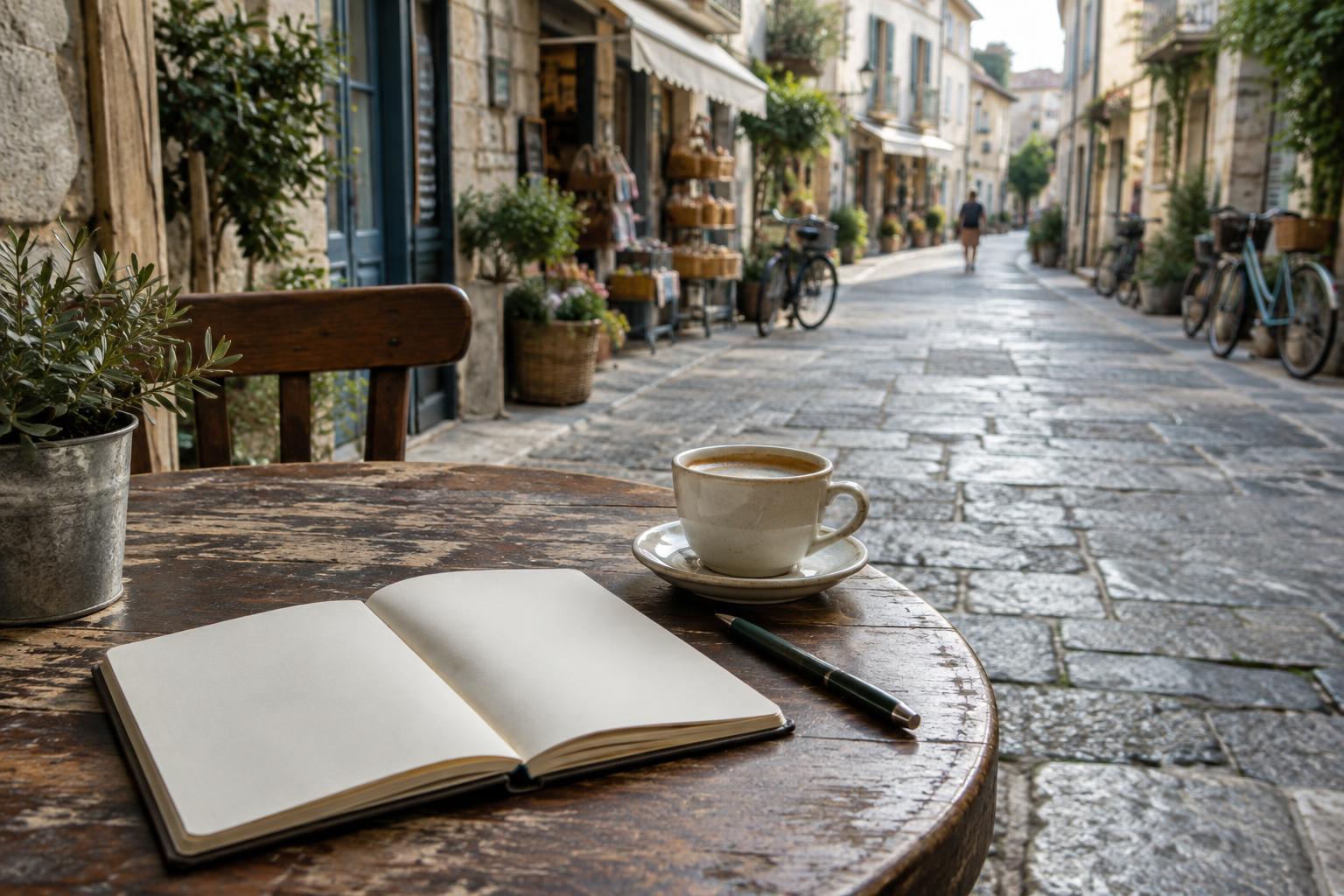
A list of attractions can help you remember where you went, but it may not bring back what being there felt like. For each day, choose one small setting to describe: the street outside your lodging, a bus stop, a market entrance or the walk between two planned stops. You do not need to decide in advance that it is important. Give it a few minutes of attention and see what you notice.
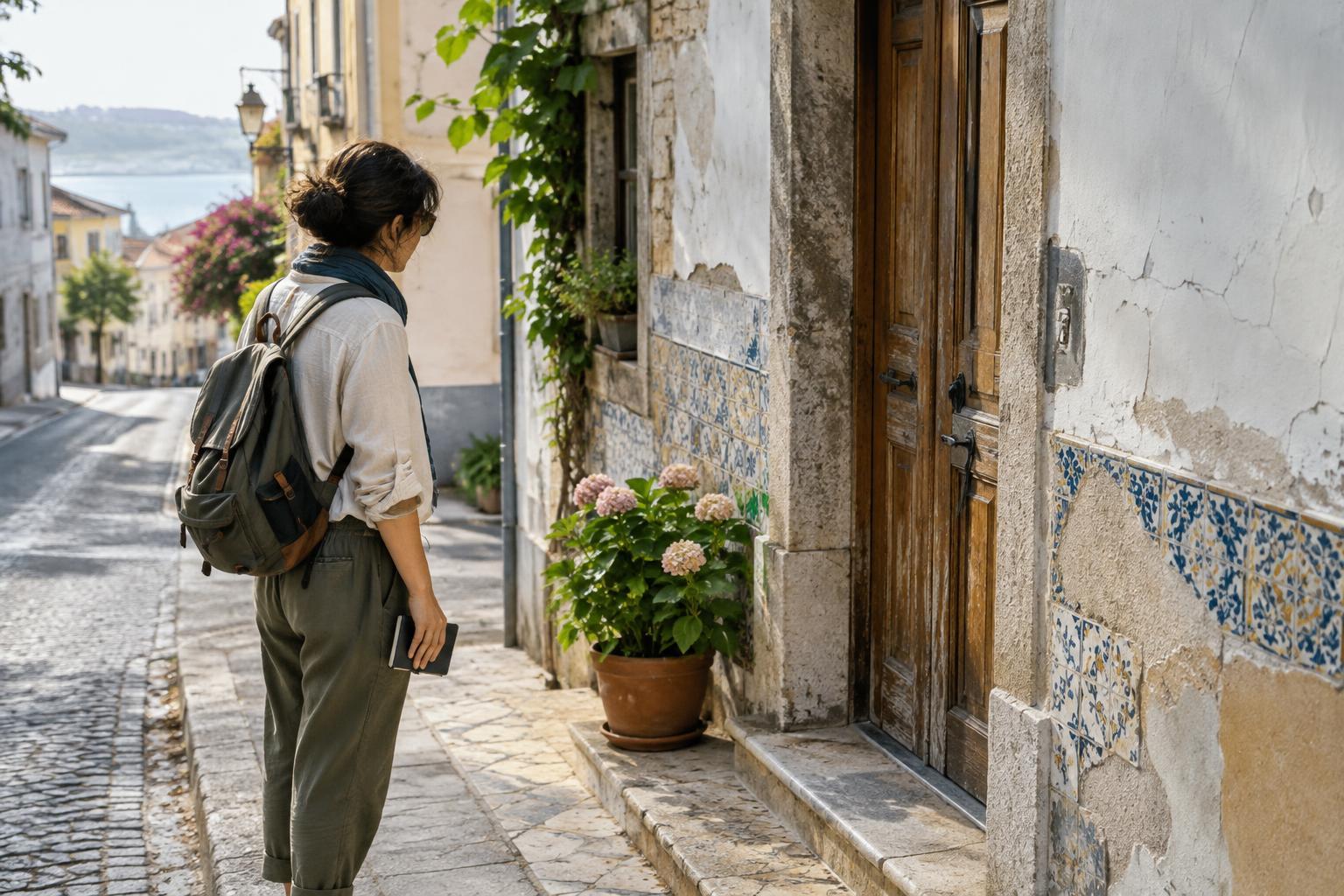
Begin with a simple anchor: where you were, roughly when, and why you stopped. Then write down three details you could not have known from an itinerary. Perhaps the pavement changed underfoot, shop signs gave way to apartment doors, or people gathered in the shade of a building. Specific details are more useful than a verdict such as “charming” or “busy.” They give your future self a way back into the scene.
Record the spaces between destinations
Travel days contain more than arrivals. The route to a museum, the corner where you waited to cross, and the place you bought water can reveal how a neighborhood works. Note what changes as you move: street width, building height, noise, shade, seating or the ease of finding your way. These observations do not have to become grand conclusions. A journal is a good place to keep small questions alongside small discoveries.
Try a short route entry after a walk: “I started at…, passed…, and ended at….” Add one thing that surprised you and one thing you would like to look at again. This structure works even when you have only a few minutes. If drawing appeals to you, a rough map or sketch of a doorway can do more for your memory than a polished page of prose. The point is to record what held your attention, not to produce a complete guide.
Separate what you saw from what you assumed
An unfamiliar place invites interpretation. You may notice several closed storefronts, a crowded square or a building that looks much older than its neighbors. Write down the observation first. Then, if you have a theory about it, mark that theory as a question rather than a fact. “Three shops on this block were shuttered when I passed” is a firmer journal note than “the neighborhood is in decline.” One walk rarely gives you enough context to explain a place.
This distinction also makes room for learning. If you visit a small museum, read a local sign or speak with someone who chooses to share a story, note where the information came from and what you still do not know. You can revise your impressions later without erasing the first ones. A journal becomes more interesting when it shows how your understanding changed.
Write about people with care
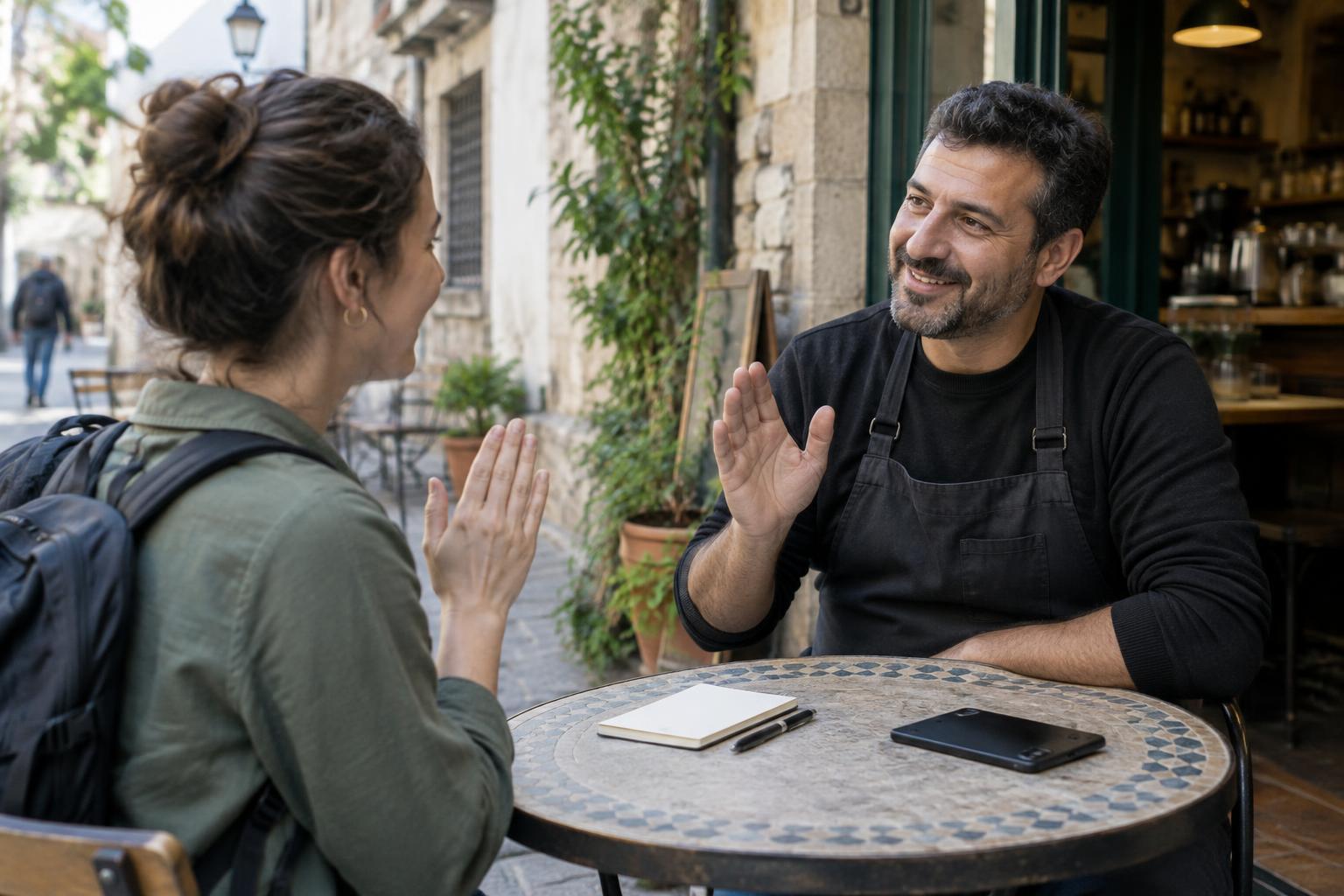
People are part of the atmosphere of a place, but they are not props for a visitor’s story. You can describe a public space without guessing at strangers’ identities, motives or private lives. Focus on patterns you can observe: how a queue forms, where people pause to talk, or which parts of a square offer a place to sit. If a conversation matters to your entry, record its context and be modest about what you took from it.
Decide what belongs in a private notebook and what you would be comfortable sharing. A personal detail offered in conversation is not automatically a detail to publish, and an identifiable photograph may call for more care than a written description of a street. Respectful journaling does not mean leaving people out; it means remembering that they have lives beyond your brief encounter.
Keep the habit light enough to last
A useful travel journal does not require an hour at the end of every day. Carry a small notebook or use a note on your phone to catch fragments as they happen. Later, turn a few of those fragments into an entry. You might use the same four prompts each time: Where did I linger? What did I hear or smell? What puzzled me? What would I revisit? Repetition makes it easier to write when you are tired.
Leave space for ordinary moments and imperfect days. A wrong turn, a quiet afternoon or a plan abandoned because you needed rest can belong in the record. Before you leave a place, glance back at your notes and add anything you understand differently now. Over time, the journal becomes less a tally of places visited and more a record of how you learned to pay attention.