Start with a small question
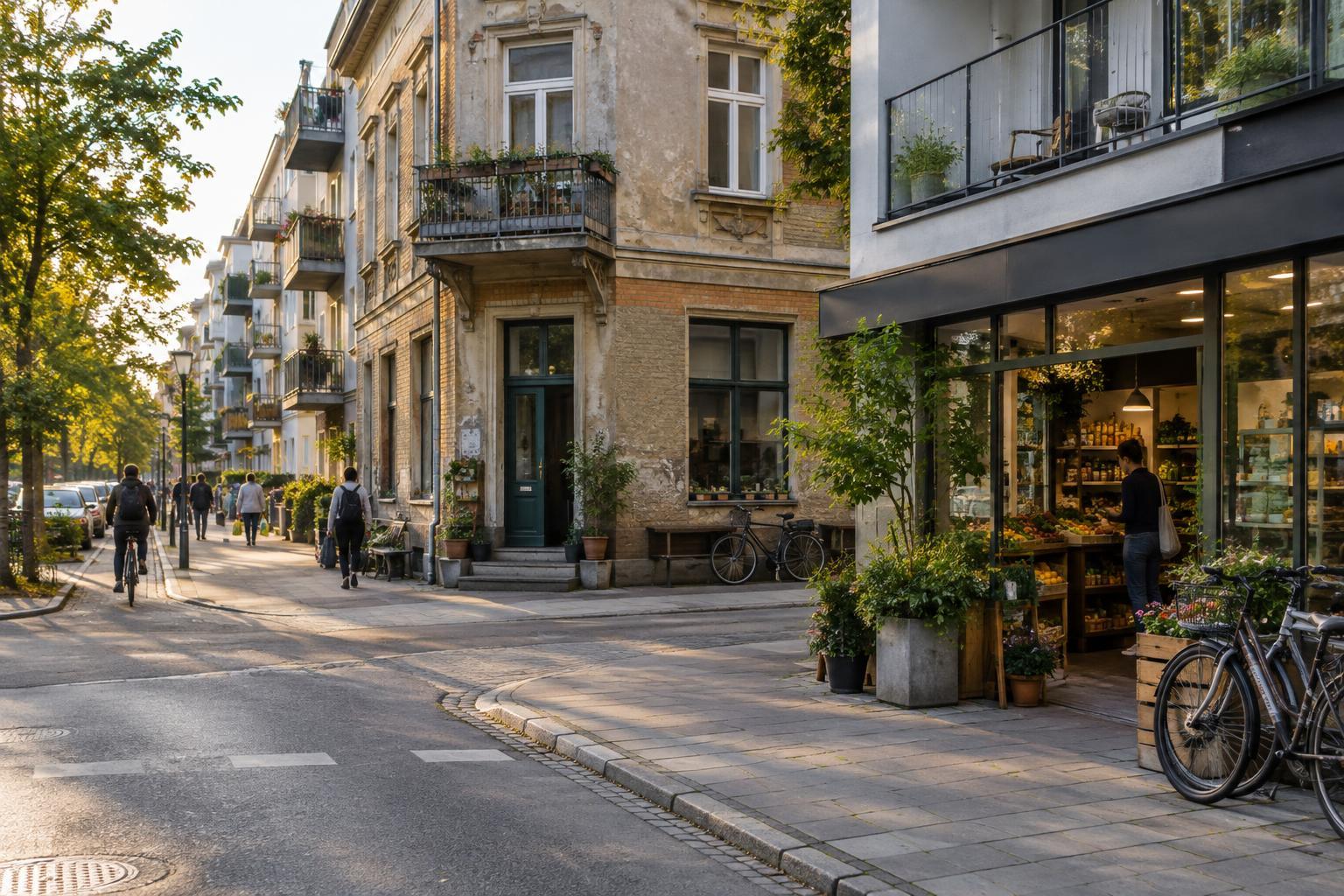
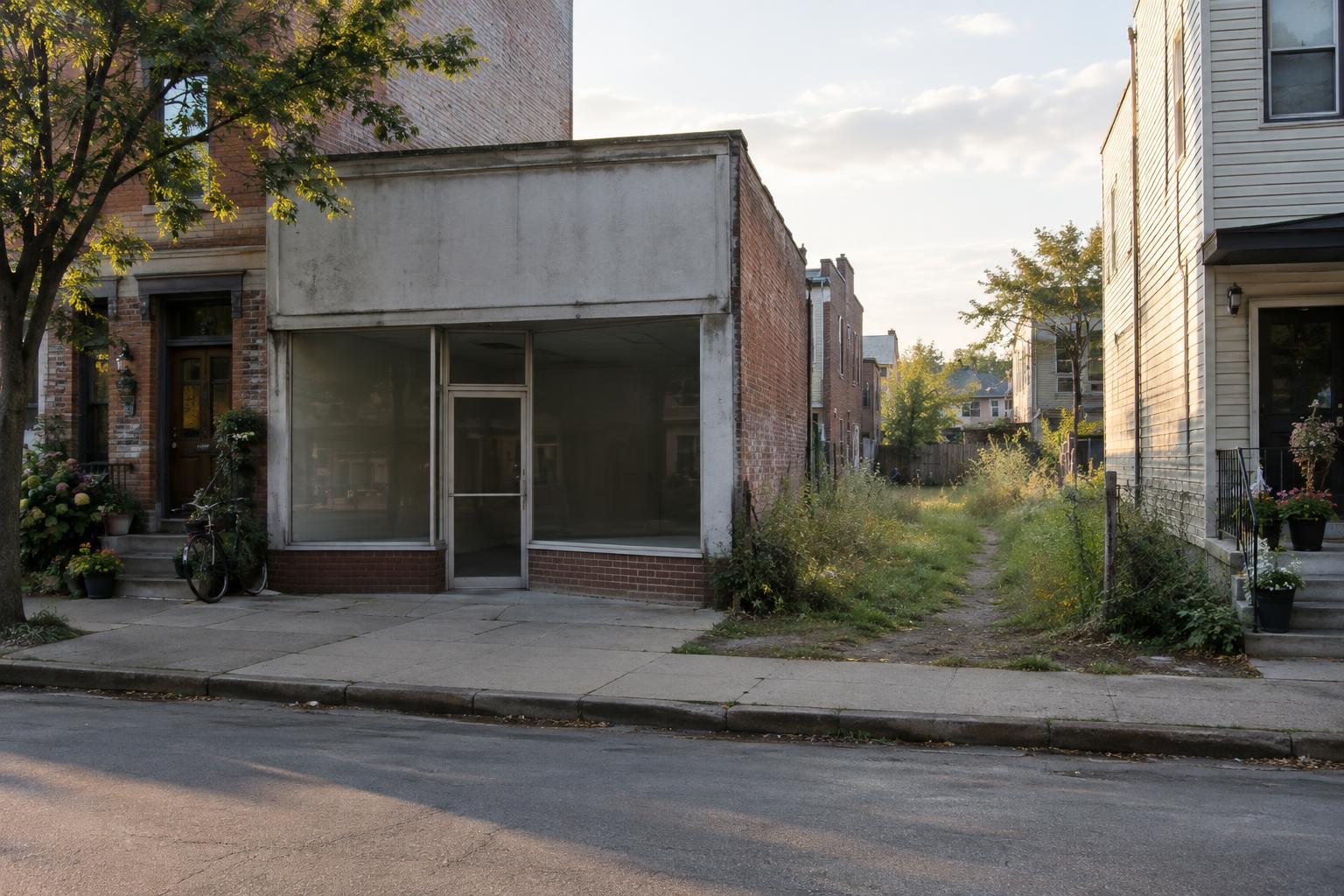
A neighborhood’s history is easier to explore when you begin with something you can point to: a row of unusually narrow shops, a former rail line, a change in street names or a public building that seems older than its surroundings. Choose a block, intersection or walking route rather than trying to explain an entire district. A focused question such as “What stood here before this park?” gives you a place to start and helps you recognize useful records.
Write down the present-day address, nearby cross streets and any visible dates or names on buildings. Then check whether older maps used the same street names and boundaries. Addresses can be renumbered, streets can disappear and a neighborhood’s familiar name may not appear in official records. Treat your first search terms as working clues, not fixed facts.
Read maps as snapshots, not complete stories
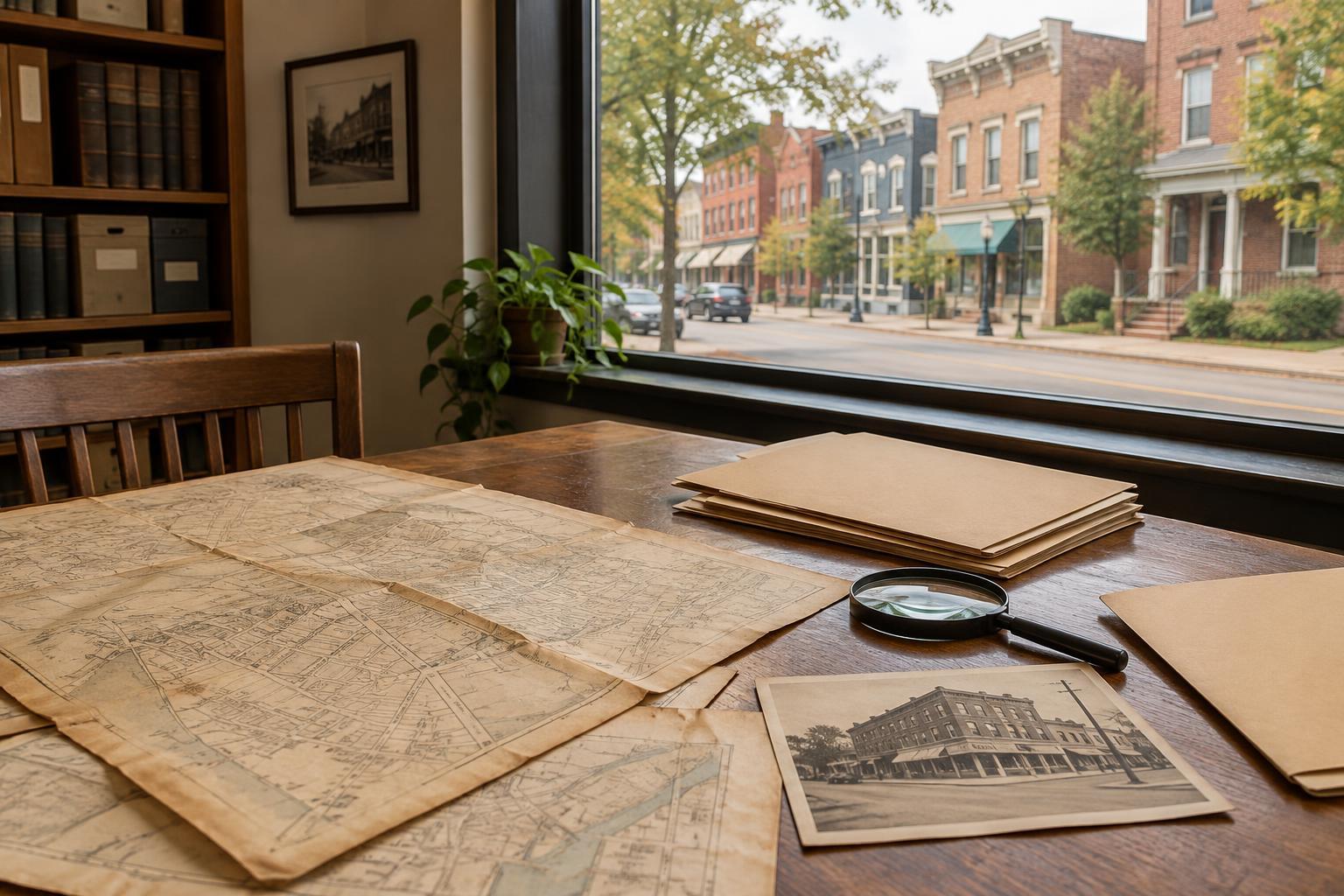
Public library collections, municipal archives and government mapping portals may hold historic street maps, planning maps or aerial photographs. Compare materials from more than one period. Look for changes in street layout, transit routes, waterfront edges, lot sizes and the uses marked for large sites. A vacant-looking space on one map might be a yard, an unrecorded structure or simply an area the mapmaker chose not to describe.
Pay attention to each map’s date, scale and purpose. A map made to show property boundaries answers different questions from one made to show transport. If two sources disagree, note the difference rather than forcing them into a single tidy account. Keeping a simple timeline of what each source actually shows can prevent a plausible guess from turning into an unsupported claim.
Follow buildings and businesses through records
Depending on the place, property assessment files, building permits, planning applications or historic preservation inventories may be publicly accessible. These can help establish when a structure was built, altered or assigned a particular use. Read labels carefully: a permit application describes a proposal, while a completion record may tell a different story. A recorded construction date may also refer to a later renovation rather than the first building on the site.
City directories, trade directories and digitized newspapers can add names and everyday activity to the physical picture. Search an address across several editions to see whether its listed occupants or businesses changed. Spelling variations, missing issues and shifting address numbers can complicate the trail. If a shop appears in a directory, you can say it was listed there; you may need more evidence before describing how long it operated or what role it played in local life.
Look beyond official categories
Official records tend to preserve what institutions needed to count, tax, approve or regulate. They may say little about informal gathering places, shared spaces or the ways residents understood their own neighborhood. Local history collections, community archives, museum catalogues and publicly available oral histories can offer other perspectives. Search using former street names, nearby landmarks and terms residents have used for the area, where you can establish them.
Notice whose experiences remain hard to find. A building file might name an owner but not tenants; a newspaper might cover a redevelopment plan without recording what people valued about the existing street. Gaps do not mean nothing happened. They are a reason to use modest language and, when possible, seek accounts created or preserved by the communities you are trying to understand.
Turn research into a respectful walk
Before visiting, make a short list of places you can view from public space and one question to check at each stop. Compare the street with your records: an old lot line may still shape a storefront, while a building’s present appearance may reflect many later changes. Photograph only where appropriate, follow posted rules and remember that homes and working businesses are not exhibits. Publicly available information does not make a resident’s private life a travel attraction.
Afterward, separate what you observed from what the records suggest. Save source titles, dates and page or file references so you can revisit uncertain details. The most rewarding result may not be a dramatic discovery. It may be a more careful understanding of how ordinary decisions about streets, buildings and shared spaces accumulated—and how much of a neighborhood’s past still needs to be approached with humility.