Start with what you remember
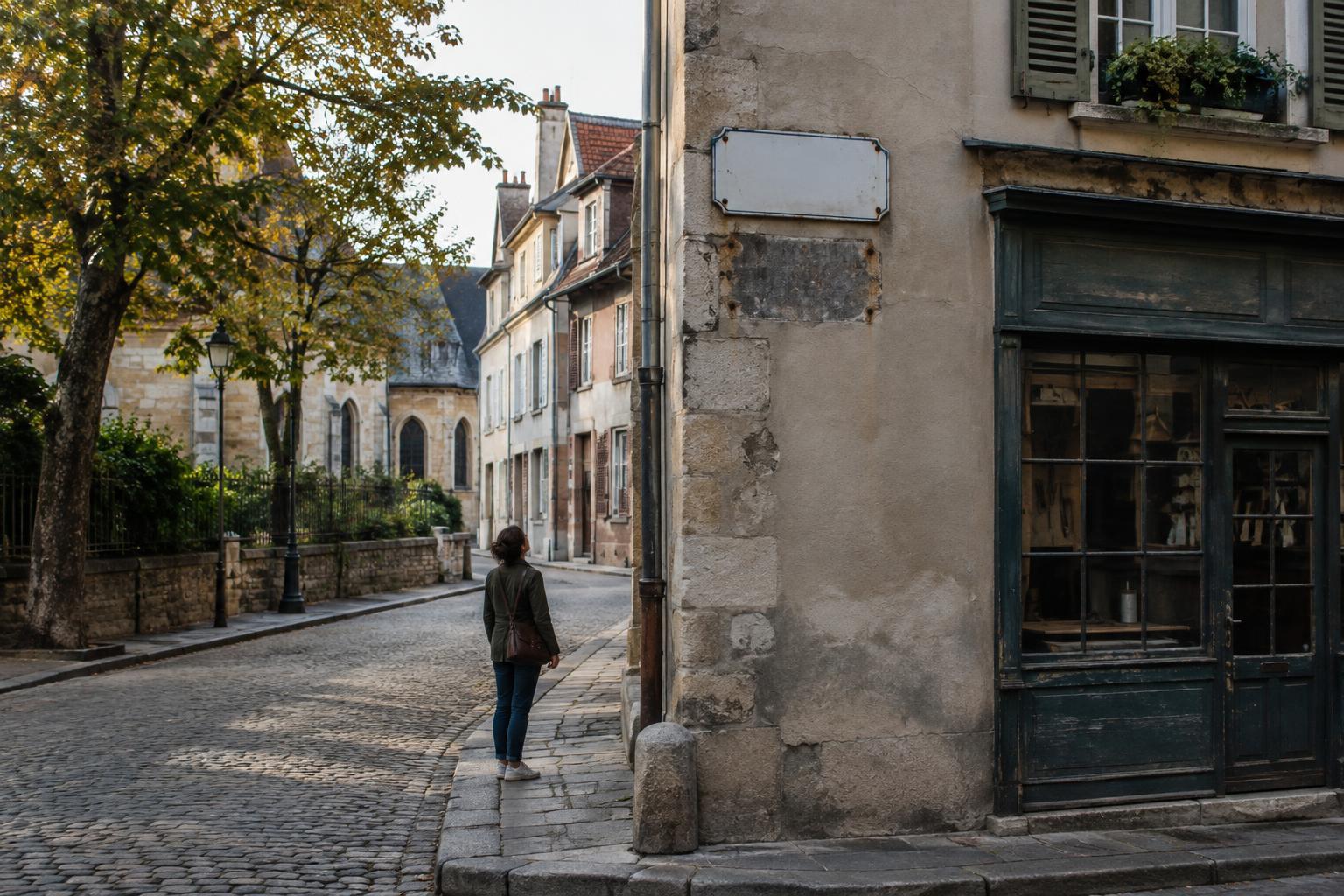
Before planning a return trip, write down a few specific memories of the place. Which street did you enjoy walking? Where did you feel rushed? What did you pass more than once without stopping? These notes are more useful than a general wish to “see the real place.” They give you questions to follow without assuming there is one hidden version waiting to be found.
Treat your memories as a starting point, not a record of how the place is now. A shop may have changed hands; a quiet corner may feel different on another day. Your own interests may have changed too. The point of returning is not to prove that your first impression was right, but to give yourself permission to revise it.
Keep one familiar anchor
You do not need an entirely new itinerary. Choose one place you already know as an anchor: a park, a public square, a museum you enjoyed or a transit stop you can navigate comfortably. Starting somewhere familiar can make it easier to spend your attention on the surroundings rather than on every logistical decision.
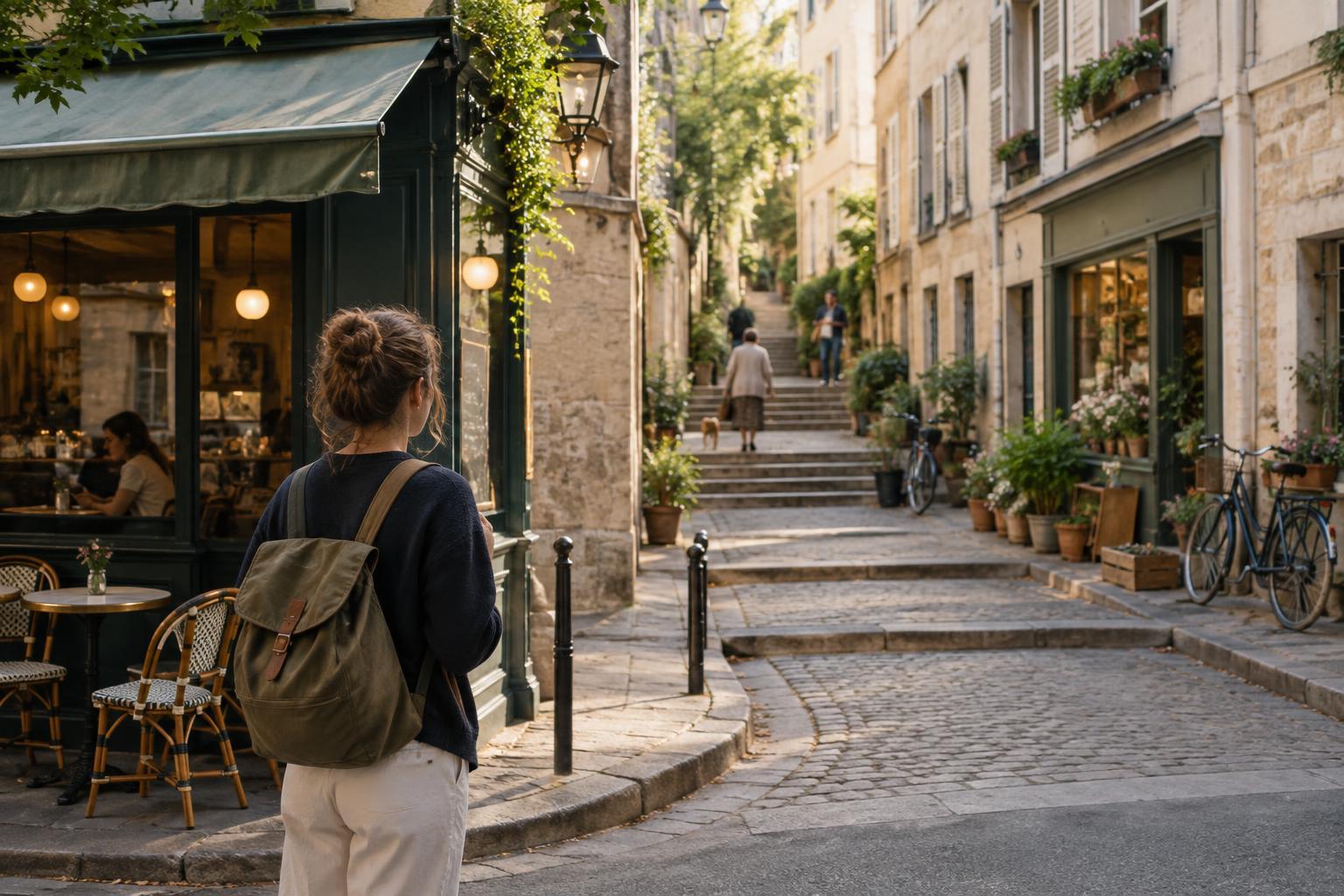
From there, make one small change. Take a different public route to the same destination, visit a nearby exhibition or sit for a while instead of moving on immediately. A change of pace can reveal details you missed without sending you in search of ever more obscure locations. Check opening hours and access information when they matter, and keep a simple way back in mind.
Follow a question, not a checklist
A focused question gives a return visit shape while leaving room for surprise. You might wonder how a waterfront connects to the streets behind it, how public benches are placed along a route or what kinds of buildings surround a neighborhood library. Pick something you can observe from public space without requiring residents or workers to explain their lives to you.
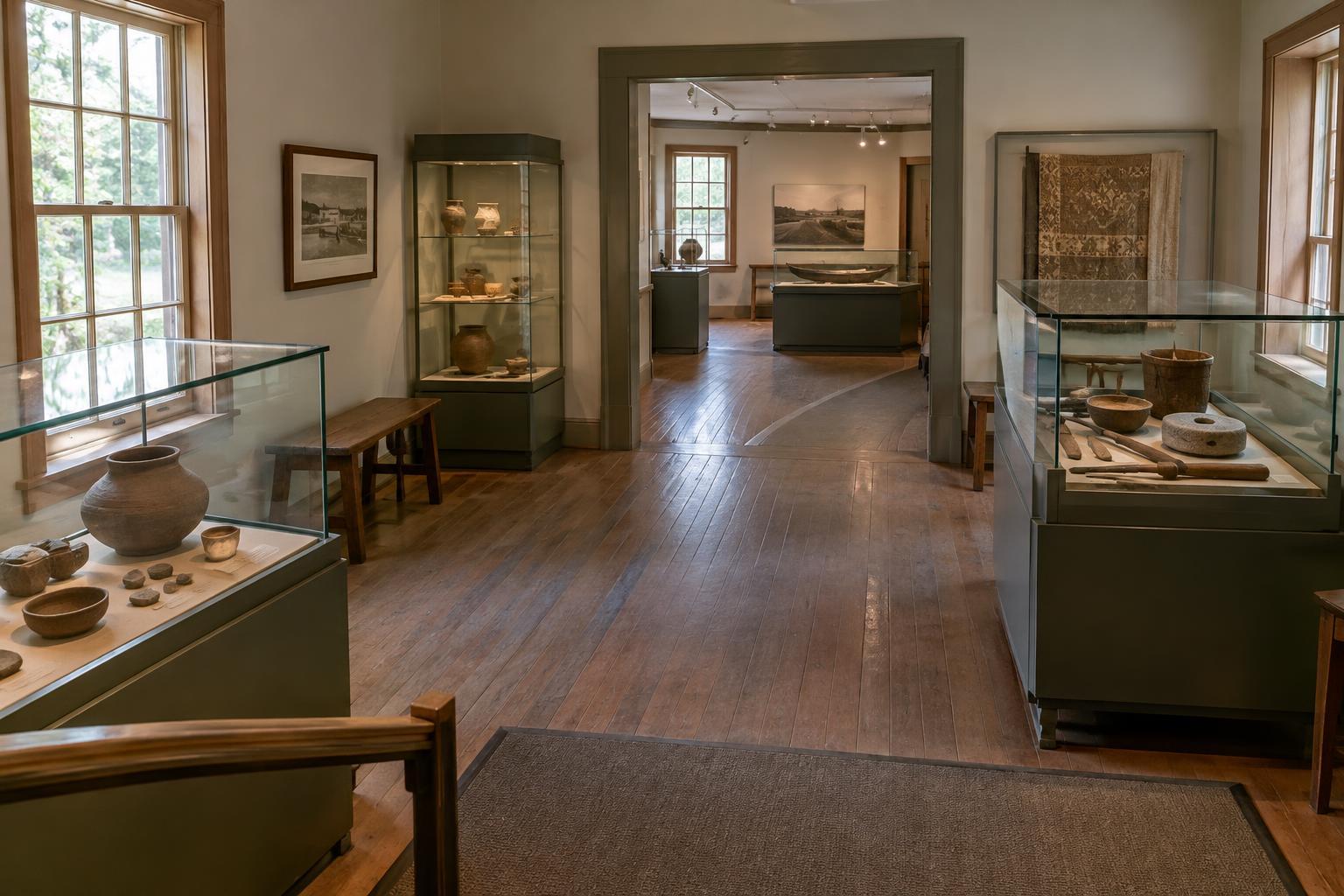
Let the question remain modest. You may notice several kinds of doorway on one block, but that does not tell you everything about the people who use them. If a detail makes you curious about local history, look for a small museum, public display or other context you can explore later. Observation is rewarding on its own; it is not a shortcut to expertise.
Make space for ordinary needs
Returning visitors sometimes feel pressure to justify the trip by doing something unusual every day. Resist that pressure. A meal, a rest break and a familiar route are not wasted time. They make a day more comfortable and can help you notice how a place works at a human pace, rather than seeing it only through a list of stops.
Be especially considerate when your interests take you into residential or working areas. Stay on public paths, keep entrances clear and remember that an appealing scene may be someone else’s home or workplace. If a street feels too private for lingering, keep moving. Curiosity is easier to sustain when it does not ask others to accommodate it.
Leave with a more flexible picture
At the end of the visit, compare what you noticed with what you expected. Perhaps a place you remembered vividly felt ordinary this time, while an unplanned stop stayed with you. Neither result is a disappointment. A return trip can show how much a first visit depended on your route, mood, available time and companions.
Keep a few notes about what changed in your understanding and what remains uncertain. You do not need to turn them into a verdict on the destination. The most useful outcome may be a picture with more room in it: familiar landmarks alongside everyday details, good memories alongside corrections, and reasons to stay curious if you return again.